
Many aspiring bass players wonder if they can enjoy their instrument without the need for an amplifier. The good news is: yes, you absolutely can! Whether you’re practicing quietly at home or simply want to explore the bass guitar’s capabilities without the bulk of an amp, there are plenty of ways to play and appreciate your instrument. This flexibility opens up exciting possibilities for beginners and seasoned players alike, allowing you to focus on technique, creativity, and developing your unique sound. As we delve deeper, you’ll discover various methods to make the most of your bass experience without relying on traditional amplification, empowering you to keep playing no matter the circumstances. Curious how to get started? Let’s explore the options!
Can You Play Bass Guitar Silently? Understanding the Basics
While the thought of playing bass guitar without the booming sound of an amplifier might seem counterintuitive to some musicians, it’s entirely feasible and can even offer unique advantages. Silent playing isn’t merely an exercise in restraint; it invites musicians to refine their skills, deepen their understanding of rhythm and melody, and explore the subtleties of their instrument. Whether it’s due to living in a quiet space, practicing late at night, or simply enjoying the intimacy of unplugged playing, many bassists are discovering that the absence of amplification can lead to a richer connection with their music.
Bass guitars are designed to create sound through vibration, and although these vibrations are typically enhanced by an amplifier, they can still resonate acoustically. To get started with silent playing, focus on your technique-using proper finger positioning and touch can dramatically influence the acoustic sound emanating from your bass. Remember, the string gauge, fretboard material, and your playing style all contribute to how well your instrument can produce sound without amplification. Also, considering the type of bass guitar is vital; traditionally constructed acoustic bass guitars amplify sound differently than electric alternatives.
To enhance your silent playing, employ techniques such as muting, where you use your palm or fingers to dampen strings that aren’t being played. This technique not only controls unwanted noise but also promotes clean transitions between notes. Additionally, using tablature for fingerstyle techniques or exploring tapping can maximize the richness of the sound you produce, even in hushed environments. Silent playing cultivates patience and awareness in your craft, empowering you to hear the subtleties of your music in an entirely new way. Ultimately, embracing this approach can lead to heightened musicality, allowing your bass guitar skills to flourish in any setting.
The Science Behind Bass Guitar Sound Production
The ability of a bass guitar to create sound relies heavily on the physics of sound production, primarily through vibration. When a bassist plucks a string, it vibrates, creating sound waves that travel through the air. These vibrations not only produce audible sound but also demonstrate the unique characteristics of the instrument being played. Understanding the science behind this process is essential, especially for those interested in playing without an amplifier, where the acoustic properties of the bass become even more critical.
The primary factors influencing how a bass guitar produces sound include string gauge, material, and the body of the instrument. For instance, thicker strings usually produce deeper sounds due to their increased mass and ability to vibrate at lower frequencies. The material of the strings-be it nickel, stainless steel, or even synthetic-also affects tone quality. Additionally, the vibrational quality of the bass body itself significantly shapes the acoustic sound. Acoustic bass guitars, with their hollow bodies, resonate more fully than their electric counterparts, which often rely on pickups to convert vibrations into electrical signals for amplification.
To maximize sound production in a silent playing context, players should focus on techniques that enhance resonance and projection. Proper finger positioning is vital; plucking closer to the bridge generally yields a brighter tone, whereas strumming closer to the neck produces a warmer sound. Furthermore, incorporating techniques such as harmonics can add a rich layer to the sound without needing additional amplification, as these tones often resonate more freely in the acoustic space.
Ultimately, blending an understanding of these principles with deliberate practice enables bassists to hone their skills effectively, even without an amp. By paying attention to their touch, the construction of their instrument, and the acoustic environment, musicians can cultivate a deeper connection to their sound and expressiveness, realizing that silent playing can unlock new dimensions of their musical journey.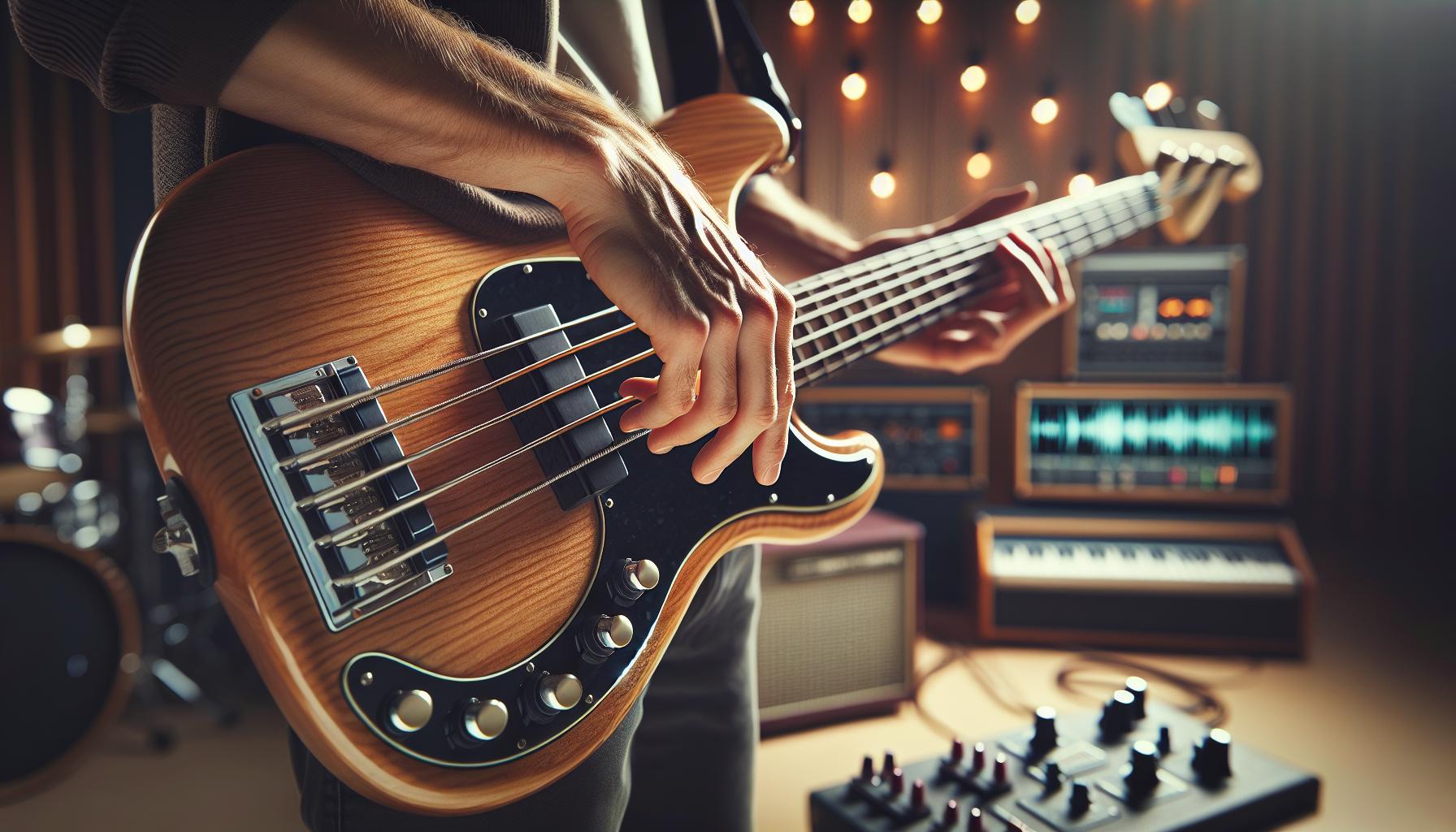
Exploring the Acoustic Capabilities of Bass Guitars
The acoustic qualities of bass guitars are often overlooked, especially among players who primarily rely on amplification. However, these instruments possess a unique ability to produce rich, resonant tones even in a completely unplugged setting. Exploring the acoustic capabilities not only enhances the playing experience but also deepens one’s appreciation for the instrument and its sound.
When examining the acoustic performance, the type of bass guitar plays a critical role. Acoustic bass guitars, designed with hollow bodies, naturally amplify sound much like traditional acoustic guitars. The body shape, material, and design influence how sound waves resonate and project. For example, a well-constructed acoustic bass, made from high-quality woods like spruce or mahogany, can offer a fuller, more balanced tone when played without an amp. In contrast, electric bass guitars, while only capable of creating sound via pickups, can still produce some acoustic sound. The placement and quality of these pickups, as well as the body design, can influence how much the instrument resonates when played acoustically.
In terms of technique, players can optimize their sound production even when playing silently. Fingerstyle playing allows for greater dynamic control, leading to varied tonal qualities depending on where the string is plucked. Here are some practical tips:
- Plucking Position: Pluck closer to the bridge for a brighter sound or near the neck for warmth and depth.
- Harmonics: Integrating harmonics can add a sparkling quality to your playing; these notes naturally resonate and often sound beautiful in an acoustic setting.
- Palm Muting: Experiment with palm muting to create a percussive sound that enriches the overall tonal palette.
Utilizing the acoustic abilities of a bass guitar not only enhances personal practice but can also lead to creative musical opportunities. Whether jamming with friends by a campfire or composing in a quiet space, embracing the instrument’s natural sound can lead to unique expressions and deeper musicality. Additionally, paying attention to the bass’s tuning and setup-ensuring proper string height and neck relief-can enhance its acoustic performance and make each note resonate beautifully, even without amplification.
Recognizing the potential of playing without an amp encourages bassists to explore their instrument’s full range. It invites players to connect intimately with the sounds they produce, leading to a more fulfilling and versatile musical experience. This exploration not only builds confidence but also fosters a profound appreciation for the bass guitar as a standalone entity.
It’s All In the Technique: Playing Without an Amp
Playing a bass guitar without an amp may initially seem limiting, but it opens up a world of acoustic exploration that can be incredibly rewarding. Understanding how to maximize your instrument’s natural sound can transform your playing experience. Whether you’re in a cozy living room or out in nature, the bass guitar can produce rich, resonant tones, allowing you to express musical ideas without reliance on electrical amplification.
To achieve optimal sound production, focus on your playing technique. For instance, mastering the art of fingerstyle can dramatically enhance your acoustic sound. Vary your plucking position significantly; playing closer to the bridge results in a brighter tone, while plucking near the neck yields a warmer, more rounded sound. Incorporating harmonics can also add a shimmering quality to your music. These higher-pitched overtones resonate beautifully in an acoustic environment, adding depth to your playing. Additionally, consider using palm muting for a percussive effect that contributes to a varied tonal structure, making your silent playing more dynamic and engaging.
It’s also essential to ensure that your bass guitar is properly tuned and set up for silent playing. Adjustments such as optimizing string height and neck relief can significantly influence how well the instrument resonates. A properly maintained bass will not only sound better but also feel more responsive as you play. Consider tuning your bass to non-standard tunings or experimenting with alternate tunings, which can inspire new melodies and chord voicings that shine without amplification.
This approach encourages you to connect deeply with your instrument and your music. The absence of an amp allows for greater focus on technique, musical phrasing, and expression. Whether you’re crafting melodies or jamming with friends, the ability to create sound without an amplifier can lead to more intimate and creatively fulfilling performances. As you experiment with these techniques, you’ll discover the full potential of your bass guitar and gain a richer appreciation for its acoustic capabilities.
Best Practices for Muting and Silent Playing
Finding ways to mute and play silently on the bass guitar not only enhances your overall playing experience but also allows for creativity in how you express music without an amplifier. Mastering muting techniques is imperative when you want to control unwanted noise or when you aim to produce a softer sound that echoes pleasantly in a quieter environment. Learning to mute effectively can elevate your playing, turning a simple practice session into an opportunity for intricate exploration.
One crucial technique is palm muting, where you gently rest the edge of your palm on the strings near the bridge while plucking. This technique produces a percussive sound, dampening sustain and allowing for a rhythmic approach that can be particularly effective in creating grooves. Additionally, controlling your fretting hand can eliminate string noise; by not lifting fingers completely off the strings, you can keep them muted, thus allowing for a cleaner execution of notes and chords.
Another effective method involves finger muting. This technique utilizes your fretting fingers to gently touch the strings you aren’t actively playing, preventing them from ringing out. You can combine this with various plucking techniques, alternating between fingerstyle and pick playing. Make sure to adjust the pressure applied with your fingers so as to achieve the desired level of muting without unintentionally affecting the tone negatively.
Experimenting with dynamic control can also enhance your silent playing. Varying the attack of your plucking, from a gentle caress to a sharper hit, can provide an array of tonal colors. For silent practice, focus on subtle dynamics-gradually increasing and decreasing your intensity to explore the nuances of your bass’s acoustic sound. This not only improves your technique but also deepens your musical expression when playing in groups or in a solo setting.
Finally, consider incorporating silent practice gear such as practice mutes, which can offer additional damping for both sound and resonance. These tools are particularly beneficial if you want to maintain a sense of traditional playing while significantly reducing volume, allowing for extended practice sessions without disturbing others. By honing your muting techniques and exploring alternative approaches to sound production, you become not just a player, but an artist capable of creating beautiful music in silence.
Using Alternative Gear for Amplification-Free Sound
Playing the bass guitar without an amplifier can open up a world of creative possibilities, allowing musicians to explore different soundscapes and practice techniques in versatile environments. Utilizing alternative gear designed for amplification-free sound is a game changer, empowering players to maintain their practice routine without disturbing others or relying on bulky equipment. Here are some effective options to consider.
One of the most popular tools is a good quality silent practice mute. These mutes fit over the strings and effectively reduce sound output while preserving the feel of playing. This allows players to maintain finger strength and refine techniques, such as fingerstyle and slap bass, without disturbing anyone nearby. Additionally, there are also practice amplifiers specifically designed to minimize overall output while still allowing for tonal exploration. These devices often come with headphone outputs, creating a private practice environment that lets you engage in full sound without the bleed of traditional amplification.
Another innovative option is to use silen string muting devices, which attach to the headstock or bridge of the bass. These cleverly designed products can significantly dampen vibrations, allowing for a muted acoustic sound that mimics the feel of standard playing while minimizing volume. For those looking to maintain even more versatility, electronic tuners or apps designed for silent practice can be instrumental. They often feature a metronome and additional tuning capabilities, enabling you to work on timing and pitch even when you can’t plug in.
Consider also experimenting with new playing techniques. By using softer materials such as felt picks or plectrums, bassists can create a gentler sound that complements silent practice. Furthermore, drawing on the principles of fingerstyle playing with added dynamics can enhance the overall experience, allowing you to focus on rhythm and articulation without amplification.
Exploring these tools and techniques not only enhances your silent playing sessions but also encourages advanced musicianship, giving players the chance to discover new styles and sounds in a focused, quiet setting. Whether you’re at home or on the go, utilizing alternative gear can transform your practice into an artful journey.
Tuning Your Bass for Enhanced Acoustic Performance
Achieving the right tuning for your bass guitar is crucial, especially when playing without an amplifier. Proper tuning not only enhances the acoustic resonance of your instrument but also allows for a fuller, richer sound that can be appreciated even in low-volume environments. Many players overlook how tuning can significantly affect acoustic performance, forgetting that the tension of the strings impacts both tone and playability.
To maximize the acoustic properties of your bass, consider the following tuning methods:
- Standard Tuning: Standard EADG tuning is commonly used because it provides a well-rounded sound. Make sure your bass is accurately tuned to these pitches, as even slight deviations can lead to a less harmonious output.
- Open Tunings: Experimenting with open tunings can unlock new sonic textures. For instance, tuning the bass to an open D (DADF#AD) can encourage creative chord voicings and facilitate fingerstyle techniques.
- Lower Tunings: Dropping your bass’s tuning (like tuning down to C or B) can create a deeper resonance that’s particularly effective when playing unplugged. This method allows the instrument to retain a full-bodied sound while reducing the volume.
In addition to the tuning itself, the choice of strings can also affect your acoustic performance. Using roundwound strings typically yields a brighter tone, while flatwound strings offer a warmer sound that can be more suitable for silent playing. Consider experimenting with different gauges and materials to discover what complements your playing style best.
Lastly, don’t underestimate the importance of regularly checking your tuning, as environmental factors like temperature and humidity can cause strings to go out of tune. Investing in a reliable clip-on tuner can help ensure that your bass is always performance-ready, enhancing your overall experience when playing without an amp. By focusing on these aspects of tuning, you can explore the full acoustic potential of your bass guitar, unlocking new opportunities for creativity and expression.
Creative Unplugged Practices: Song Ideas and Techniques
Exploring music without the need for amplification opens up a world of creativity for bass guitarists, allowing for intimate jam sessions, serene solo practices, or serene outdoor performances. When playing unplugged, song ideas and techniques can take on a refreshing spin, relying on rhythm, dynamics, and melody. Here are some engaging practices that can spark your creativity while enjoying the acoustic capabilities of your bass guitar.
Start by reimagining popular songs in a fingerstyle approach. This technique enables you to pluck multiple strings simultaneously, effectively creating a fuller sound without an amp. Songs like “Blackbird” by The Beatles or “Scarborough Fair” allow for melodic interpretation of bass notes while maintaining the groove. Challenge yourself to adapt other well-known melodies and find ways to incorporate open strings, harmonics, and subtle slides between notes to enrich the acoustic texture.
Rhythmic Exploration
Experiment with different rhythms and time signatures, such as 7/8 or 5/4, to add an unusual flair to your playing. Take a simple groove from a standard 4/4 song and rearrange it into a more complex rhythmic pattern. This could involve accenting different beats or adding syncopation, effectively transforming a familiar tune into a unique interpretation that showcases your skills. Utilizing a metronome during your practice can help keep time while delving into these alternative rhythms.
Incorporate Percussive Elements
Engaging with your instrument’s body can also add a percussive element to your unplugged playing. Tapping on the body of the bass or using your palm to mute strings can create interesting beats and textures, enhancing your rhythm section artistry. Combine these percussive techniques with harmonic and melodic elements for a multidimensional sound, perfect for creating a dynamic solo performance or engaging with fellow musicians.
By embracing these creative unplugged practices, you’ll not only enjoy the benefits of playing bass without amplification but also expand your musical vocabulary and invite new inspirations into your playing. Take your time exploring these ideas, and don’t hesitate to mix different techniques and styles; the acoustic bass guitar offers endless possibilities for collaboration and personal expression.
Exploring Practice Strategies Without an Amp
To make the most of your practice sessions without an amp, it’s essential to explore innovative strategies that enhance your skills while also keeping your playing enjoyable and engaging. One effective approach is to focus on developing your fingerstyle technique. This method not only allows for a more intimate sound but also gives you the ability to fully express complex rhythms and melodies. Practicing songs with intricate fingerpicking patterns can deepen your understanding of harmony and timing, which is crucial for any bassist looking to elevate their playing. Start with simple songs, gradually increasing the complexity as you become more comfortable.
Another key strategy is to utilize a practice pad or any flat surface when playing. This can serve as a substitute for amplification, allowing you to explore percussive techniques. By tapping on the bass’s body or using your fingers to create rhythmic patterns, you can discover new sounds and keep your playing dynamic. Incorporating slaps, pops, and muted strums will add texture to your music, making solitary practice sessions feel more like a full band experience. This exploration can lead to unique compositions that stand out in a live setting or when playing alongside other musicians.
Listening and interacting with recorded music can also enhance your practice without needing an amplifier. Play along with your favorite tracks, focusing on the bass lines and trying to mimic the tone and style of professional players. This not only sharpens your timing and intonation but also helps you develop your ear, a crucial skill for improvisation and collaboration. Take notes on your progress-what techniques or styles you found challenging and which felt natural-empowering yourself to target specific areas for future practice.
Lastly, maintaining a consistent practice schedule, even in a quiet environment, is essential. Establishing a routine that incorporates various elements-technique, rhythm, and ear training-will create a well-rounded skill set. Consider setting aside time for improvisation, where you can explore new musical ideas freely. Playing without amplification isn’t just about volume; it’s about embracing the depth and clarity of your instrument, enriching your musicianship in the process.
Pros and Cons of Playing Bass Without Amplification
Playing bass without amplification presents a unique set of advantages and challenges that can deeply influence your musical journey. On the upside, one of the most significant benefits is the ability to practice almost anywhere without the need for power sources or bulky equipment. This ensures that you can hone your skills in quiet spaces, such as your living room, park, or even during travel. Many players find this freedom fosters a more intimate connection with their instrument, allowing them to focus on technique, tone, and rhythm without the distractions of amplification.
However, there are also noteworthy downsides to consider. When playing acoustically, the volume and projection of the bass can be quite limited, making it difficult to incorporate your sound into group settings or performances where dynamics are crucial. Without an amp, you might miss out on the richer tones and effects that can be easily achieved through amplification, such as distortion or reverb, which can limit how you express your musical ideas. Furthermore, playing without amplification may also lead to physical strain; as you consciously or unconsciously adjust your playing style to compensate for volume, you may inadvertently create tension over time.
To maximize the benefits of unamplified playing while mitigating the downsides, consider expanding your understanding of the acoustics of your bass guitar. Learn the best techniques for finger positioning and right-hand dynamics to extract the fullest sounds from your instrument. Additionally, using various fingerstyle techniques or incorporating tapping and slap methods can significantly enhance the tonal variety of your practice sessions. Ultimately, taking time to weigh these pros and cons will enrich your experience and help you determine how to effectively integrate unamplified play into your broader musical endeavors.
Expert Tips for Silent Bass Guitar Players
Playing bass guitar silently opens up a world of unique possibilities for music creation and practice, making it an attractive option for players of all levels. Whether you’re perfecting your technique, composing new music, or simply enjoying a moment away from amplified sound, there are effective strategies you can employ to elevate your unamplified experience.
To start, focus on your finger positioning and hand dynamics. For achieving a fuller sound, practice using different attack methods, such as fingerstyle and palm muting. Experiment with varying pressures and angles to notice how they affect the tone and volume of your playing. Additionally, explore slap and pop techniques; these methods can introduce percussive elements to your sound, enhancing richness even without amplification. Remember, the subtleties of playing technique can dramatically influence how your bass translates acoustically.
Another vital aspect is tuning. A well-tuned bass will project more effectively, even in a silent setting. Consider using alternative tunings, like drop D or DADG, to find new tonal ranges and facilitate unique chord voicings. These tunings not only add color to your playing but can make pieces feel fresh and exciting during practice sessions.
When creating a conducive practice environment, minimizing background noise will help you focus better on your playing. Utilize practice pads or sound-dampening materials to absorb unwanted sounds. Lastly, invest in a good-quality silent practice tool, such as a practice amp with headphone capabilities or a portable bass trainer that can provide feedback on your playing. This way, you can maintain the intimacy of acoustic practice while also ensuring you’re getting the vital aural cues necessary for improvement. These concepts not only enhance your playing skills but also deepen your connection with your bass guitar as a versatile instrument.
Maintaining Your Bass Guitar: Care and Considerations
Maintaining a bass guitar effectively is essential for any musician looking to enhance their playing experience, especially when playing without an amp. Proper care not only prolongs the life of the instrument but also ensures that it continues to produce the best possible sound, even in an unplugged setting. Regular maintenance can help prevent common issues such as fret wear, string corrosion, and hardware deterioration that can affect performance and playability.
Start by regularly cleaning your bass guitar to remove dust, fingerprints, and accumulated grime. Use a microfiber cloth to gently wipe down the body, neck, and fretboard. For the fretboard, consider using specialized fretboard oil or lemon oil, which can condition the wood and prevent it from drying out, ensuring a smoother playing surface. Be cautious not to use too much product, as excess oil can attract dirt and grime, leading to further maintenance headaches.
String Care: Strings are often the first component to wear out, especially with frequent playing. Regularly check for signs of wear such as corrosion, which can affect sound quality and playability. Replace strings when they start to sound dull or lose their tone. A helpful tip for maintaining strings is to wipe them down with a clean cloth after each session to remove sweat and oils that can accelerate wear.
Another crucial aspect of maintenance is proper tuning and intonation. An out-of-tune bass can be frustrating, particularly when practicing silently where the acoustic sound may not reveal subtleties in pitch. Ensure that your bass is properly tuned before playing, and check the intonation regularly-this involves adjusting the length of the strings at the bridge so that they play in tune along the entire fretboard.
Finally, store your bass guitar in a proper case to protect it from environmental changes that could affect the wood, such as humidity and temperature fluctuations. Consider using a dehumidifier in your storage area if you live in a particularly humid environment, as excess moisture can warp the neck or cause the body to swell. By investing time and care into your bass guitar’s maintenance, you’ll be rewarded with improved sound quality, better playability, and a longer lifespan for your instrument-even during those quiet, unplugged sessions.
Q&A
Q: Can you play a bass guitar without an amplifier?
A: Yes, you can play a bass guitar without an amplifier. Many players practice acoustically using techniques like muting and finger positioning to reduce volume, allowing for silent playing. Acoustic bass guitars are also an option for producing sound without amplification.
Q: What techniques can I use to play bass guitar quietly?
A: To play quietly, focus on fingerstyle techniques and muting the strings with your palm or fingers. You can also practice playing on the lower frets, which generally produces a softer sound. Explore the section on best practices for more tips.
Q: Are there benefits to playing a bass guitar without an amp?
A: Playing without an amp can enhance finger control and dynamics. It encourages musicians to focus on their technique and inflection since they rely on their skill rather than electronic amplification. Consider checking the pros and cons section for detailed insights.
Q: Can I use any bass guitar for silent practice?
A: Yes, any bass guitar can be used for silent practice, but hollow or semi-hollow body basses often produce a richer acoustic sound. Read more about exploring the acoustic capabilities of bass guitars for options that best suit silent playing.
Q: How can I improve my acoustic bass guitar sound without an amp?
A: Tuning your bass properly and using alternative techniques like slap bass or harmonics can enhance sound quality. Experiment with string types and tension, as they can significantly affect your acoustic tone. Visit the tuning section for more details.
Q: What are some common myths about playing bass without an amp?
A: A common myth is that you can’t play at all without an amp, but bass guitars can be played silently. Another myth is that silent playing doesn’t improve skill; in fact, it enhances finger precision and control. Explore the expert tips section for clarifications.
Q: Is practicing bass guitar without an amplifier effective for beginners?
A: Yes, it is highly effective. Practicing without an amp helps beginners develop foundational skills and ear training without the distraction of volume. For practice strategies, check the relevant section of the article for more structured guidance.
Q: What alternative gear can I use for playing bass without amplification?
A: You can use a practice amp with headphones, a digital tuner with an output for silent play, or specialized silent bass guitars designed for quiet practice. Explore the section on alternative gear for more recommendations.
In Conclusion
Absolutely, you can play a bass guitar without an amp, and we hope this guide has empowered you to explore your musical journey in unique ways! Whether you’re using alternative methods like headphones or simply playing acoustically, the world of bass guitar is full of possibilities. Ready to dive deeper? Check out our articles on tuning techniques for beginners or gear reviews to find the perfect bass for your style.
Don’t hesitate to join our community by signing up for our newsletter, where we share tips and exclusive content to enhance your skills. Have questions or tips of your own? We’d love to hear from you in the comments below! Remember, every step you take on this musical path brings you closer to your goals-so keep playing and exploring!