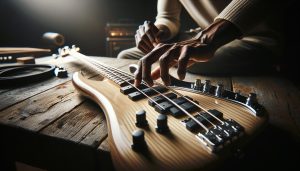
When it comes to punk music, the bass guitar plays a pivotal role in delivering the raw power and aggressive tone that defines the genre. Selecting the best bass for punk isn’t just about sound; it’s about finding an instrument that resonates with your passion and style. Whether you’re jamming in a garage or headlining at a local venue, the right bass can elevate your performance and help you express the rebellious spirit of punk. In this guide, we’ll explore the top bass models that not only meet the harsh demands of punk music but also empower you to unleash your creativity and make a statement. Dive in and discover how to amplify your punk sound with the ideal bass for your musical journey.
Best Types of Bass for Punk Music

The world of punk music thrives on raw energy and aggressive expression, and the choice of bass guitar plays a significant role in achieving the genre’s signature sound. When selecting a bass for punk, musicians often favor instruments that deliver a punchy, driving tone capable of standing out in a full band arrangement. Ideally, look for bass guitars with solid-body designs, which provide the sustain and resonance needed to power through heavy riffs and fast-paced playing.
Among the most popular types of bass for punk music are the Fender Precision Bass and the Fender Jazz Bass. The Precision Bass, with its split-coil pickup, produces a strong midrange presence that cuts through the mix effectively, making it a go-to for many punk bassists. On the other hand, the Jazz Bass, known for its versatile tonal options and bright sound, allows for more nuanced playing styles, which can be advantageous in fast, intricate punk lines. Both instruments are favored for their durability and ability to withstand the aggressive nature of punk performances.
In addition to the type of bass, the setup is crucial. Most punk bassists prefer a lower action with heavier gauge strings to provide a fuller sound and retain tuning stability during intense playing. The configuration of pickups, whether single-coils or humbuckers, can also influence tone; humbuckers typically produce a thicker sound, while single-coils offer clarity and definition. Customizing your setup to match your playing style will enhance your overall performance and help define your unique sound within the punk genre.
Ultimately, the best bass for punk music is one that not only fits the energetic vibe of the genre but also aligns with your personal playing style and preferences, ensuring you can bring your most passionate performance to the stage.
Characteristics of an Aggressive Tone

The essence of punk music lies in its unapologetic energy, and achieving an aggressive tone on the bass is crucial for capturing that raw essence. An aggressive tone is characterized by punchiness, clarity, and a biting presence that enhances the overall dynamics of a punk band. This powerful sound is often produced through a combination of factors, including the bass guitar’s construction, pickup selection, and amp settings, all converging to evoke the visceral impact that punk is known for.
To achieve this kind of tone, bassists often opt for solid-body instruments, as these provide better sustain and resonance. When it comes to pickups, the choice between single-coil and humbucker configurations can significantly influence the tone; while single-coils offer sharp, crisp notes with excellent articulation, humbuckers deliver a thicker, louder output that can dominate in a mix. The balance between these pickup types can help shape the aggressiveness of the overall tone, allowing bassists to tailor their sound to match their playing style.
Using heavier gauge strings also contributes to a fuller, more commanding sound. The increased tension can enhance low-end response and sustain, making your notes resonate with more impact, which is essential for driving the aggressive nature of punk music. Moreover, adjusting your amp settings-such as boosting the midrange frequencies while cutting unnecessary highs-can help your bass guitar cut through the mix, delivering that signature punch that defines punk rock.
Ultimately, finding your aggressive tone is a blend of personal experimentation and understanding how these elements interact. By fine-tuning your gear and techniques, you can create a sound that not only complements your playing style but also exemplifies the powerful, rebellious spirit of punk music.
Top Bass Guitar Brands for Punk
When it comes to punk music, the right bass guitar can make all the difference in achieving that iconic raw power and aggressive tone characteristic of the genre. Some brands have distinguished themselves as favorites among punk bassists, known for their reliability, sound quality, and suitability for high-energy performances. Here are a few top brands that stand out in the punk scene:
- Fender: Renowned for its Precision and Jazz basses, Fender offers instruments that deliver punchy tones and exceptional playability. The solid-body construction of these basses provides the sustain and resonance essential for punk music. Many iconic punk bassists, including Dee Dee Ramone of The Ramones, have used Fender basses to create memorable lines that define the genre.
- Ibanez: Known for their innovative designs and affordability, Ibanez bass guitars often feature powerful pickups and fast necks, making them ideal for punk’s rapid playing style. Models like the Ibanez SR series are popular for their versatility and aggressive tone, allowing players to switch from melodic lines to driving riffs seamlessly.
- Rickenbacker: With its distinct sound known for bright mid-range tones and sustain, Rickenbacker basses are a favorite among punk musicians looking for a unique voice in their music. The Rickenbacker 4001 has been famously used by Chris Squire of Yes, and its sharp attack can complement the aggressive energy of a punk band.
- Squier: As a budget-friendly alternative to Fender, Squier offers quality bass guitars that are perfect for beginners who want to dive into punk. The Squier Vintage Modified and Affinity series provide great sound and playability without breaking the bank, making them an excellent choice for aspiring bassists.
Selecting the right bass guitar involves considering your personal playing style and the specific sound you aim to achieve. Many punk bands prioritize durability and tone, often favoring solid-body guitars with powerful pickups that can withstand the rigors of live performances. Playing around with different brands can help you find the ideal instrument that resonates with your aggressive approach to punk music. Whether you’re in a basement band or on stage at a festival, investing in a well-suited bass will ensure your sound is as impactful as the music you love.
Essential Gear for Punk Bassists

To achieve the raw power and aggressive tone that typifies punk music, equipping yourself with the right gear is essential. Beyond just the bass guitar itself, a well-rounded setup can maximize your sound and performance. Here’s a look at some crucial components that every punk bassist should consider.
First and foremost, an amplifier that can handle high volumes without compromising sound quality is vital. Look for solid-state amps or tube amps that provide a powerful punch and clarity at high levels. Brands like Ampeg and Hartke are popular choices among punk musicians due to their reliability and robust sound. A good amp will allow you to cut through the mix, especially in live settings, ensuring your bass line is heard and felt.
Next, consider investing in quality effects pedals. While some might argue that punk is about raw sound, a few well-chosen effects can enhance your tone. A distortion pedal can add grit and aggression, while a compressor can help balance your dynamics and maintain punch in your playing. Popular choices like the Boss DS-1 Distortion or the MXR M87 Bass Compressor are fantastic tools that can help elevate your sound without straying from the punk ethos.
In addition to amps and pedals, the right strings are critical for achieving that aggressive tone. Selecting heavier gauge strings can provide a thicker sound and greater sustain, making them perfect for the driving force of punk music. Brands like D’Addario and Ernie Ball offer strings designed to handle the demands of punk’s energetic playing style, ensuring your bass delivers the power you desire.
Lastly, don’t overlook the importance of a reliable cable. High-quality instrument cables can significantly reduce signal loss and interference, keeping your sound sharp and clear. It’s always worth investing in a durable cable to withstand the rigors of gigs and practice sessions alike.
By carefully considering these essential gear components, punk bassists can create a powerful setup that complements their instrument and playing style. This not only enhances their performance but also solidifies their presence within the punk music scene.
Punk Bass Techniques: Playing with Passion
The raw energy of punk music demands not just technical skill but an authentic passion that fuels your performance. As a bassist in this genre, you have the unique opportunity to drive the rhythm and maintain the visceral intensity that defines punk rock. Emphasizing techniques that emphasize aggression can transform your playing and captivate audiences.
To start, it’s crucial to master the art of fingerstyle playing. This technique allows for greater freedom and expression, enabling you to dig into the strings with force. Using your fingers instead of a pick can yield a fuller, more organic sound. Consider practicing fast-paced, repetitive bass lines that are characteristic of punk music, like those found in songs by bands such as Ramones or The Clash. This approach not only enhances your speed but also builds strength and control in your fingers.
Another vital component is the use of syncopation and staccato playing. Punk thrives on rhythm that keeps audiences engaged and moving. Incorporate techniques like palm muting to create a punchy, percussive vibe. This can be especially effective in live settings where you want to complement the guitar riffs without overpowering them. For instance, during a chorus, you might want to play a series of short, choppy notes that interlock smoothly with the guitar’s sustain, giving the overall sound a tight, energetic feel.
Additionally, don’t underestimate the power of dynamics. Punk often relies on fluctuating intensities to convey emotion, so varying your volume and attack can add depth to your performance. Practice switching between playing aggressively and pulling back slightly to create contrast. This will not only enhance the emotional impact of your playing but also showcase your technical ability.
Lastly, incorporating improvisation and experimenting with spontaneous bass lines can infuse your performances with a fresh vibe. Punk is about freedom and expression, so don’t hesitate to explore new ideas during practice or when jamming with friends. You might draw inspiration from iconic bands, but adding your twist will help you carve out your unique sound within the punk scene.
Mastering these techniques will empower you to play with the passion and fervor that is essential for any punk bassist, creating an immersive experience both for yourself and your audience.
The Importance of Pickup Types in Punk
The right pickups can significantly influence your sound, making them a decisive factor for any punk bassist aiming for that raw, aggressive tone characteristic of the genre. In punk, where energy and intensity reign supreme, the choice between single-coil and humbucker pickups can define the punch of your performance.
Single-coil pickups, often found in classic Fender Precision and Jazz basses, deliver a bright and crisp tone that cuts through the mix. This clarity is particularly effective in punk environments where the guitar workload is heavy. The snappy response of single-coils allows for quick, articulate bass lines that align well with fast tempos. However, they might pick up unwanted noise or interference, so consider the environment when choosing a bass equipped with these pickups.
On the other hand, humbucker pickups are celebrated for their fuller, thicker sound and reduced noise interference, making them ideal for more aggressive playing styles often found in punk. This thicker tone can provide a more substantial foundation in the mix, lending weight to your riffs and allowing you to hold down the rhythm with confidence. Basses like the Gibson Thunderbird are excellent examples of how humbuckers can enhance the sonic power in a punk setting.
For optimal sound, consider experimenting with pickup configurations as well. Some bassists enjoy blending the two pickup types to create a unique tone that marries the clarity of single-coils with the warmth of humbuckers. Whether you prefer the bright twang of a Fender or the heavy growl of a Gibson, understanding how different pickups interact with your playing style and the overall band sound will significantly enhance your punk bass experience.
Ultimately, music lies not just in their sound characteristics but in their ability to reflect your personal style and elevate your performance. Choosing the right pickups is about finding that perfect balance between aggression and clarity, ensuring your bass lines resonate with the raw energy that defines punk rock.
String Choices for Raw Power and Impact
Choosing the right strings for your bass guitar is a crucial step in achieving the raw power and aggressive impact that punk music demands. The tonal quality, feel, and durability of the strings can significantly influence your overall sound and performance, making this decision not just about personal preference, but also about matching your gear to the energetic style of punk.
For a punchy and aggressive tone, nickel-wound strings are often the go-to choice. These strings provide a balanced output that allows you to maintain clarity amidst the chaos of heavy guitar riffs and fast-paced drumming. With their warm sound, nickel-wound strings also complement the energetic vibe of punk, especially when paired with basses fitted with humbucker pickups. If you gravitate towards a brighter sound with more attack, consider opting for stainless steel strings. These deliver a sharper, more pronounced treble that can cut through a mix effectively, making your bass lines stand out in a punk ensemble.
When it comes to gauge, thicker strings (such as .050 – .110) often translate to a fuller sound, providing that heavyweight vibe typical of punk rock. However, balancing thickness with playability is essential. For those who favor fast pick-style playing or aggressive slapping techniques, a slightly lighter gauge can offer more flexibility without sacrificing much tonal weight. Experimenting with different gauges can help find your sweet spot while ensuring that your playing style complements your chosen string type.
Lastly, consider the longevity and stability of the strings you choose. Punk performances can be demanding, and having strings that withstand intense playing while maintaining their tone can enhance your practice and performance experience. Coated strings can offer extended life by reducing grime and sweat buildup, keeping your instrument in optimal playing condition longer. Ultimately, selecting the right strings is about pairing them effectively with your bass and playing style to unleash the raw, powerful tone that punk music thrives on.
Setting Up Your Bass for Optimal Performance
To achieve the aggressive tone and raw power essential to punk music, a well-executed setup of your bass guitar is critical. Adjusting your instrument appropriately not only enhances playability but also ensures that you get the most out of its potential during high-energy performances. Focus on several key aspects, including action height, intonation, and pickup height, to optimize your bass for the punk sound.
Start with action height; this refers to the distance between the strings and the fretboard. For punk rock, many bassists prefer slightly lower action for rapid playing and aggressive techniques like slapping and popping. However, setting the action too low can cause fret buzz, so finding the sweet spot is essential. Typically, a measurement around 1.5 mm at the 12th fret can provide a balance between playability and avoiding buzz. Experiment to see what feels comfortable while ensuring your instrument responds well to your playing style.
Next, focus on intonation, which is crucial to ensure your notes are in tune across the fretboard. Adjust the saddles of your bridge to shorten or lengthen the strings, aligning the pitch at the 12th fret with that of the open string. A well-intonated bass makes all the difference in keeping your sound tight and punchy, essential for cutting through the mix in a punk band.
Pickup height also plays a significant role in sound delivery. Adjusting the pickups closer to the strings can increase output and clarity, adding to the aggressive tone sought in punk music. However, be cautious as setting them too close can lead to distortion and unwanted feedback. A good rule of thumb is to have them about 3mm away from the strings when pressed down at the last fret.
Lastly, consider the overall string condition and cleanliness of your bass. Regularly cleaning the fretboard and changing out strings will help maintain the sharp attack and clarity needed for powerful punk bass lines. A well-maintained instrument not only sounds better but also enhances confidence during performances, allowing you to focus on delivering your best riffs with passion and energy.
Iconic Punk Bass Players and Their Gear
The punk rock scene has been shaped by dynamic, powerful sounds that resonate through the energy of its bass players. Many iconic figures have carved a niche in this genre, paving the way for new generations of musicians. Notable players have embraced specific gear choices that enhance their raw, aggressive tones, contributing to the memorable punk sound.
Consider Paul Simonon, the bassist for The Clash, renowned for his use of a Fender Precision Bass. This instrument’s thick, punchy tones paired with a pick were essential in driving the band’s anthemic sound. Simonon’s aggressive playing style encapsulates the punk ethos, delivering bass lines that are as memorable as they are impactful. His choice of gear remains popular among punk bassists who strive for that quintessential fat low end.
Another pivotal figure is Mike Dirnt of Green Day, who often uses a combination of Fender and Gibson basses. His signature Fender Precision Bass is set up to deliver a bright, snappy attack perfect for the high-energy songs that define the punk-pop crossover. Dirnt’s technique emphasizes straightforward, driving lines that exemplify punk’s raw emotional core while benefiting from reliable gear that withstands the rigors of live performances.
Equally influential is Tim Commerford from Rage Against the Machine. Known for his aggressive slap technique, Commerford relies on a custom Fender Jazz Bass, often paired with effects that emphasize a gritty and dynamic sound. His innovative approach to bass playing has inspired countless musicians to explore the intersection of punk with funk, showing that versatile gear can push the boundaries of genre.
Moreover, Fat Mike, the bassist for NOFX, frequently opts for a straightforward setup with his Fender Jazz Bass, allowing him to maintain clarity and punch in his rebellious stylings. Fat Mike’s raw tone and straightforward yet effective bass lines highlight that often, it’s not just the gear but how it’s utilized that contributes to a memorable punk bass sound.
When exploring the paths laid by these legendary players, aspiring punk bassists should reflect on how gear choice can enhance their playing style. Each of these musicians, through their unique setups, has illustrated that it’s possible to create something extraordinary with a simple yet effective approach. Whether it’s a classic Fender model or a custom instrument, the essential factor is how these choices align with the fierce spirit of punk rock.
Punk Bass Lines: Examples and Analysis
Punk music thrives on energy, rebellion, and a raw, aggressive sound, all of which are epitomized by powerful bass lines. The distinctiveness of punk bass is evident in its ability to drive songs with simple yet effective rhythms, often serving as the backbone of the band. For example, one iconic bass line is found in The Sex Pistols’ “Anarchy in the U.K.” Here, the bass delivers a steady, pulsating groove that encapsulates the song’s defiant message, showcasing how straightforward techniques can create a magnificent impact.
Another seminal track that highlights exemplary punk bass work is “Basket Case” by Green Day. Mike Dirnt’s punchy bass line not only supports the song’s frantic pace but also emphasizes key melodic elements, demonstrating the importance of maintaining clarity in the mix. By interacting dynamically with the guitar and drums, Dirnt’s bass reaffirms the band’s signature sound while showcasing how skilled arrangement can elevate a simple riff.
When analyzing punk bass lines, it’s crucial to pay attention to technique. Many punk bassists utilize a pick, which contributes to a brighter, more aggressive tone. In tracks like “Linoleum” by NOFX, Fat Mike exemplifies how a driving, rhythmic approach combined with muted notes can craft a compelling sound. Understanding these techniques can empower musicians to create their own electrifying bass lines, adding depth to their punk compositions.
Lastly, consider the use of syncopation and dynamic contrasts in notable bass lines. Tim Commerford’s work in “Killing in the Name” by Rage Against the Machine reveals how incorporating slapping techniques and varying rhythmic patterns can profoundly affect the song’s intensity. By playing with these elements, bassists can bring an unexpected flair to their performances, ensuring their contributions are memorable and influential within the punk genre. Embracing these techniques will not only bolster a player’s skill set but also deepen their connection to punk’s vibrant musical landscape.
How to Maintain Your Bass for Longevity
To get the most out of your bass guitar and ensure it remains a powerhouse in your punk arsenal, regular maintenance is essential. Over time, the aggressive playing style common in punk can take a toll on your instrument. A proactive approach not only enhances its longevity but also maintains that raw, punchy tone critical to the genre. Here are some key maintenance tips to help keep your bass in top shape.
First and foremost, regularly check and change your strings. The frequency will depend on your playing habits, but a good rule of thumb is to change them every few weeks or whenever they start sounding dull. Fresh strings will provide the bright sound that punk bass lines thrive on. Additionally, consider the type of strings you use; opting for heavier gauge strings can enhance the power and sustain, creating that aggressive tone essential for punk music.
Next, pay attention to the setup of your bass. This includes adjusting the action, intonation, and neck relief. A proper setup can drastically improve playability and tone. If you’re unsure how to do this, visiting a professional luthier can be worth the investment. Setting your action lower can make quick playing easier without sacrificing much volume, allowing for faster runs and aggressive plucking.
Another critical aspect is the electronics and hardware of your bass. Regularly clean the pickups and ensure the pots (potentiometers) are functioning correctly. Dust and grime can create unwanted noise and affect tonal consistency. Use a soft cloth to wipe down the body and neck after each use to prevent buildup. Additionally, check the tightness of the hardware frequently, as loose components can lead to rattle or buzz-issues that could ruin a great performance.
Lastly, always store your bass properly when not in use. A quality gig bag or hard case not only protects your instrument from physical damage but also helps maintain consistent temperature and humidity levels, which are crucial for the wood’s stability. Incorporating these maintenance practices will not only enhance your bass’s longevity but also keep it sounding fierce and ready to match the intensity of punk music performance.
Where to Buy the Best Punk Bass Gear
When it comes to acquiring the right gear for punk bass, knowing where to shop can make all the difference in achieving that signature raw power and aggressive tone. Whether you’re a seasoned player or just starting, the right online and brick-and-mortar stores can offer a plethora of options tailored to your punk rock needs.
One of the top destinations for punk bass gear is a specialized music shop that caters specifically to the needs of bassists. These stores often have knowledgeable staff who can provide personalized advice on selecting bass guitars, amplifiers, and accessories that suit punk music’s high-energy style. For convenience and variety, consider online retailers like Sweetwater, Guitar Center, or Musician’s Friend. They offer extensive inventories and customer reviews that help you gauge the quality and performance of the gear.
In addition to mainstream retailers, don’t overlook platforms like Reverb and eBay, where you can find used and vintage instruments that may not be available elsewhere. These marketplaces can be goldmines for unique finds, including iconic bass guitars that have a story behind them, perfect for integrating punk history into your setup.
Lastly, for all your string, pedal, and accessory needs, websites focusing on specific brands or models, such as Ernie Ball or Dunlop, can provide essential gear tailored to the rigorous demands of punk playing. Many of these manufacturers offer direct purchases and might even have exclusive products designed for punk rock musicians. Embrace the hunt for unique and powerful gear that will elevate your punk performance and maintain that essential gritty sound.
Faq
Q: What should I look for in a bass guitar for punk music?
A: When choosing a bass guitar for punk music, prioritize features like passive pickups for raw tone, a solid body for durability, and a shorter scale length for playability at high speeds. Opt for models from brands known for aggressive sound profile, such as Fender or Gibson.
Q: How do I achieve an aggressive tone on my bass?
A: To achieve an aggressive tone, focus on using heavier gauge strings and adjusting your pickup height for more output. Experiment with distortion pedals and amp settings to enhance the growl of your sound. Additionally, playing with a pick can provide the attack needed for punk.
Q: Are active or passive pickups better for punk bass?
A: Passive pickups are often better for punk bass due to their raw sound and simplicity. They deliver a more organic tone that suits the genre’s energetic style. However, active pickups can offer more versatility and clarity if you prefer a modern sound, so choose based on your playing style.
Q: What string types are best for punk bass?
A: Flatwound strings are ideal for a smooth, thumpy sound, while roundwound strings provide more brightness and sustain. Heavier gauges can enhance the punch and aggression in your sound, making them suitable for punk music. Choose based on your tonal preference and playing technique.
Q: How can I set up my bass for optimal punk performance?
A: For optimal performance, ensure proper neck relief and action height to facilitate aggressive playing. Adjust pickup height for maximum output and sound clarity. Regularly check intonation, as precise tuning is crucial for solid bass lines. Read the “Setting Up Your Bass for Optimal Performance” section for detailed guidance.
Q: What are some essential pedals for punk bass players?
A: Key pedals for punk bass include distortion, overdrive, and chorus. Distortion adds grit and aggression, while overdrive provides warmth. A chorus pedal can create depth and texture. Experiment with these effects to craft your signature punk tone.
Q: How often should I maintain my punk bass?
A: Regular maintenance is essential to keep your punk bass in prime condition. Aim to clean the strings and fretboard after each session, and perform a deep clean monthly. Inspect the electronics and hardware every few months to ensure everything is functioning well.
Q: Where can I find iconic punk bass gear?
A: Iconic punk bass gear can often be found at local music stores, online marketplaces like Reverb, or dedicated gear websites. Vintage shops may also carry classic models used by legendary punk bassists. Explore the “Where to Buy the Best Punk Bass Gear” section for more tips.
Closing Remarks
Ready to unleash the raw power and aggressive tone of your punk bass playing? Remember, the right gear can make all the difference. Explore our comprehensive guides on essential bass gear reviews, tuning methods, and maintenance tips that will elevate your sound and technique. Don’t miss out on the chance to enhance your skills-check out our step-by-step tutorials for mastering punk bass lines and scales.
If you have questions or need personalized advice, join our community in the comments section below. Share your experiences and connect with fellow musicians passionate about punk bass. Plus, subscribe to our newsletter for exclusive tips and gear recommendations. Hit those links and keep digging deeper into your musical journey. Your moment to thrive with punk bass is just a click away!