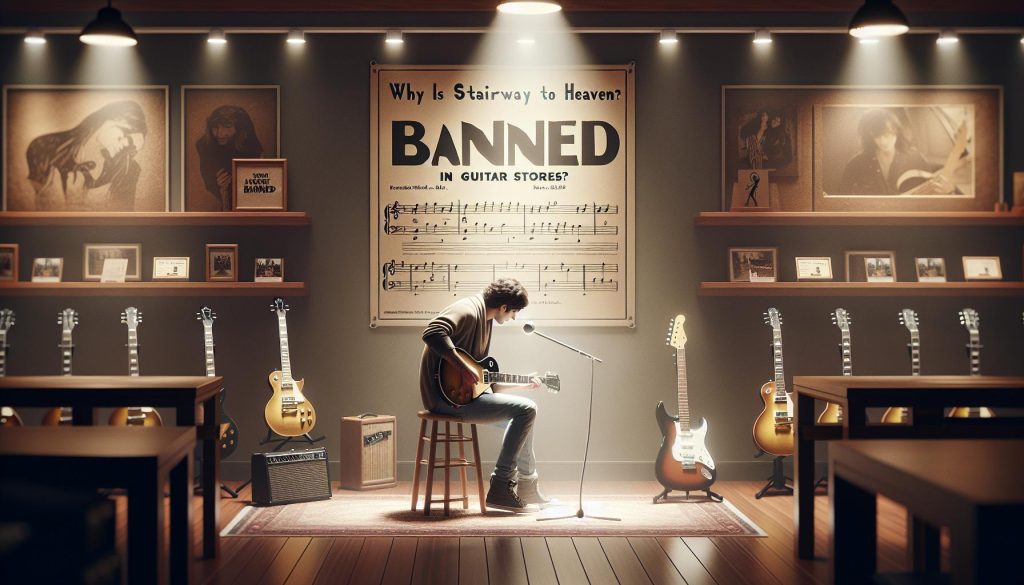
It’s a curious reality that “Stairway to Heaven,” one of the most iconic songs in rock history, is often banned in guitar stores. This restriction raises questions about its significance in the music community and the frustrations it creates for aspiring guitarists. Many musicians dream of mastering this classic, embodying their passion and creativity, yet they find themselves stifled by this ban. Understanding why this beloved tune is blacklisted not only highlights the cultural impact of the song but also reveals the dynamics within guitar retail spaces. Join us as we explore the underlying reasons for this phenomenon and what it means for musicians at all levels. You’ll discover insights that can empower you on your musical journey, regardless of where you are on your path to guitar mastery.
Reasons Behind the Stairway to Heaven Ban
The ban on “Stairway to Heaven” in many guitar stores stems from a complex mix of frustrations experienced by both staff and customers alike. While the song is a staple in rock history and a rite of passage for budding guitarists, its repetitive and intricate nature can lead to a feedback loop of dissatisfaction in the shop environment. Customers often request it when trying out guitars, resulting in hours of the same few notes echoing across the store, which can frustrate both staff and other customers seeking a quieter, more varied shopping experience.
Moreover, shop owners recognize that the iconic track, while beloved, tends to highlight the limitations and learning challenges many novice players face. The lengthy and complicated structure of “Stairway to Heaven” can be daunting, leading to discouragement. Guitar shop staff often prefer to promote songs that not only foster a sense of achievement but are also enjoyable to play and listen to. By steering customers away from “Stairway,” they aim to encourage a broader exploration of music that is more suited to their skill level and interests.
Another crucial reason for the ban is the overwhelming pick-up rate of the song, which can turn into a monotonous experience for staff, creating a disinterest in assisting shoppers. In some cases, this ban serves as a practical strategy to cultivate a more vibrant atmosphere in the store. It encourages musicians to explore other brilliant tracks that can deepen their skills while avoiding the all-too-frequent play of one single song. The hope is that by limiting access to this classic, guitarists might venture into other material that truly enhances their musical journeys and keeps the store environment dynamic and engaging.
The Controversial History of the Song
The lineage of “Stairway to Heaven” runs deep within the fabric of rock music, serving as a rite of passage for countless guitarists since its release in 1971. Penned by Led Zeppelin as a subtle critique of materialism, the song has transcended its original intent to become a cultural phenomenon. This legacy is both its strength and its Achilles’ heel, particularly in the realms of guitar stores where the song often triggers a spectrum of reactions. While many appreciate the intricate guitar work and profound lyrical content, its popularity has led to an overload of requests from aspiring players, creating an environment ripe for frustration.
As stores witness a flood of beginner musicians eager to master the iconic progression, the repetitiveness can quickly turn overwhelming. The result is a cacophony of the same few chords reverberating off the walls, diluting the experiential nature of the store. This situation has transformed what should be an enjoyable exploration of instruments into a monotonous loop, leading owners to reconsider the impact “Stairway” has on their atmosphere. While it’s an essential learning piece for budding guitarists, the incessant requests can smother the creativity and variety that stores strive to promote.
Furthermore, the song’s complex structure can be daunting for newcomers. While it expertly combines various techniques and musical styles, the lengthy arrangement and shifting dynamics may frustrate players attempting to replicate its mastery. To circumvent discouragement among customers, many shops encourage exposure to a diverse array of songs that bolster confidence and make practice sessions more fulfilling. This pivot not only mitigates the pressure of learning a seemingly insurmountable piece but also beckons guitarists to develop their unique style away from the familiar riffs that define “Stairway.”
By understanding the nuanced history and cultural significance of “Stairway to Heaven,” one can appreciate why its presence in guitar stores can become contentious. The narrative of this iconic track is emblematic of both reverence and irritation within the music community, highlighting the delicate balance between classic rock heritage and the practicalities of fostering an enriching musical environment. As players seek to enhance their skills and find their voice, they’re encouraged to explore a wider repertoire-a journey that ultimately enriches their musicianship and broadens the musical landscape.
Impact on Guitar Store Culture
The overwhelming presence of “Stairway to Heaven” in guitar stores has transformed these spaces from vibrant havens of musical exploration into arenas dominated by a singular piece. The song’s complex and intricate arrangement invites countless aspiring guitarists looking to showcase their skills. However, this results in a repetitive auditory landscape, leading to a unique dilemma for store owners and customers alike. The influx of requests for this iconic tune often leads to frustration among staff, seasoned musicians, and even the clientele seeking a more diverse musical experience.
In attempting to mitigate the monotony, many shops have implemented informal bans on the song, encouraging customers instead to explore a broader repertoire. This shift not only eases the strain on staff but also fosters a more creative environment for budding musicians. By championing a range of songs, stores help guitarists discover new techniques and styles, enhancing their overall experience as they learn. For instance, introducing students to pieces by contemporary artists or lesser-known classics can reinvigorate their enthusiasm and inspire them to master their instrument in a more fulfilling way.
Moreover, guitar shops often serve as community hubs, and the communal nature of these spaces can quickly turn into frustration if the same melody is played ad nauseam. As customers navigate their own learning journeys, the chance to hear a variety of music promotes a sense of camaraderie and shared experience among fellow musicians. In doing so, shops foster a supportive atmosphere where players can exchange ideas, tips, and techniques, ultimately enriching the guitar culture as a whole.
By redefining the cultural norms within guitar stores and addressing the challenges posed by the incessant request for “Stairway to Heaven,” a more inclusive and dynamic musical environment emerges. Through this approach, stores can elevate the experience of both novice and experienced guitarists alike, ensuring that the journey of learning remains as diverse and rewarding as the music itself.
Legality and Copyright Issues Explained
The intersection of music and copyright law is a complex terrain, especially when it comes to iconic songs like “Stairway to Heaven.” While this masterpiece by Led Zeppelin has inspired countless musicians, its ubiquitous presence in guitar stores often raises legal and ethical questions that might not be immediately apparent. Guitar shops, designed to be creative hubs, must navigate these murky waters carefully, especially when it comes to public performances of copyrighted material.
Understanding the legal implications surrounding song requests is crucial for both store owners and customers. The predominant concern is that playing “Stairway to Heaven”-or any copyrighted song-in a commercial setting can fall under public performance laws. Most guitar shops operate under a business model that requires proper licensing if they wish to allow customers to play commercial music within their premises. This means they might need to secure licenses from organizations such as ASCAP, BMI, or SESAC, which manage performance rights for songwriters and publishers. Failure to do so can result in potential penalties and a need for compliance that many store owners would rather avoid.
Moreover, there’s a cultural aspect to the legal issues. By discouraging the playing of widely recognized songs like “Stairway to Heaven,” guitar stores can foster innovation and encourage shoppers to explore a wider array of pieces. This not only reduces legal risk but also enhances the creative atmosphere that many budding musicians crave. Instead of reinforcing the same popular requests, stores could encourage the exploration of original material or offer classes and sessions focused on lesser-known songs, thus evoking a more enriching experience.
In managing these dynamics, many shops find that having a clear policy around song requests helps. This policy often includes informing customers about copyright implications and suggesting alternative songs that align with the shop’s goal to promote diverse musical exploration. Educating customers not only aids in compliance but also cultivates a supportive community where musicians feel empowered to expand their repertoire beyond just classics. By navigating the intricate landscape of legality and copyright with care, guitar stores can maintain a vibrant, engaging space that genuinely inspires musical growth.
Musical Complexity and Guitarist Frustration
The intricate progression of “Stairway to Heaven” is not only one of the most recognizable parts of rock lore but also a significant source of frustration for many guitarists. The song, often encountered in music stores, can present challenges ranging from emotional pressures to practical difficulties. As it becomes a common request, inexperienced players often feel compelled to master it, leading to unrealistic expectations of their skills. This phenomenon can easily morph into a cycle of frustration as they grapple with its technical demands and the iconic status the song holds.
Mastering the song requires not only technical precision but also an understanding of musical dynamics and tempo changes-a tall order for many. The arpeggiated intro, for example, involves fingerpicking techniques that might be unfamiliar to beginners. As they attempt to emulate the fluidity of Jimmy Page’s performance, they can find themselves overwhelmed by the complexity of chord transitions and the delicate interplay of melody and rhythm. This leads to a common sentiment among players: instead of feeling inspired, they feel disheartened, leading to disengagement from their musical practice altogether.
To help mitigate these frustrations, guitarists should consider breaking the song down into manageable sections. Practicing the intro separately without attempting to link it to the solo or the following verses immediately can alleviate some pressure. Using a metronome can also aid in mastering the timing without the strain of performance expectations. Moreover, exploring simpler, yet equally rewarding alternative songs can provide a pathway to building confidence and skill without the emotional burden that “Stairway to Heaven” often brings.
Ultimately, fostering a more supportive atmosphere in guitar shops where various song requests are encouraged can help shift the focus from trying to master ‘the classic’ to enjoying the learning process itself. This can reignite a spark of creativity in budding musicians and create a fulfilling environment for all skill levels. Instead of the challenging footpath laid by this iconic tune, aspiring guitarists might benefit from a diverse exploration of music that enhances their skills while keeping frustration at bay.
Alternative Songs Preferred by Guitarists
It’s no secret that guitarists often find themselves disheartened when faced with the enduring popularity of “Stairway to Heaven.” Instead of feeling the excitement of playing, many struggle with the song’s technical demands and the pressure to perfect it. Fortunately, there are numerous alternative songs that can inspire and empower players of all skill levels without the frustration that usually accompanies mastering this iconic track.
- “Knockin’ on Heaven’s Door” by Bob Dylan – This timeless classic features simple chord progressions that allow players to focus on strumming and lyrical delivery, making it an excellent choice for beginners looking to build their confidence.
- “Wish You Were Here” by Pink Floyd – Known for its atmospheric introduction and straightforward chords, this song allows guitarists to explore fingerpicking while still engaging with a beloved piece of rock history.
- “Brown Eyed Girl” by Van Morrison – An upbeat favorite, this song’s accessible chords and catchy melody get everyone singing along-a perfect way to enhance experience and enjoyment in a group setting.
- “Sweet Home Alabama” by Lynyrd Skynyrd – With just three chords, this anthem is not only fun to play but also invites jam sessions, encouraging collaboration among players.
- “No Woman, No Cry” by Bob Marley – This reggae classic provides a unique rhythmic challenge that can help players expand their musical horizons while maintaining an enjoyable learning environment.
These alternatives not only offer a less daunting experience but also allow musicians to explore different musical styles and techniques. Focusing on songs with fewer transitions or simplified arrangements can help beginners build their skills gradually and foster a love for playing. Additionally, as players gain confidence, they can begin to experiment with more complex pieces when they’re ready.
Ultimately, embracing a broader repertoire can shift the atmosphere in music stores from one of anxiety to one of creativity and shared joy. Encouraging guitarists to explore various songs helps cultivate a more inclusive and supportive environment, inspiring everyone to improve their artistry while enhancing their enjoyment of playing.
The Myth of the Stairway Effect
The notion that the demand for “Stairway to Heaven” in guitar stores creates a unique phenomenon often referred to as the “Stairway Effect” underscores a subtle yet prevalent pressure felt by both new and experienced guitarists. This myth suggests that the endless requests for this iconic song not only lead to a collective groan from staff but also casts a long shadow over the atmosphere in music stores. The idea is that whenever someone picks up a guitar and strums those first few notes of the intro, it invokes an almost ritualistic response-not just from other customers, but from the guitarists themselves, who may feel the weight of expectations to perform perfectly.
Contrary to this myth, the reality is that while “Stairway to Heaven” remains an enduring favorite, it can inadvertently stifle creativity. Many guitarists often see it as a benchmark, leading them to focus on mastering it rather than exploring a broader range of songs that could enhance their skills and enjoyment. In fact, a focus on such an iconic track may create anxiety, especially for beginners who feel they need to reach unattainable musical heights from the get-go. Instead of fostering an environment of exploration and joy, the emphasis on this one piece can lead to feelings of inadequacy and frustration, diminishing the overall creativity within guitar culture.
To combat the so-called Stairway Effect, music stores can take proactive steps. For instance, encouraging customers to try out lesser-known tracks that align with their skill levels can create a more relaxed atmosphere. Here are some practical strategies:
- Host Song Swap Events: Organize gatherings where guitarists bring songs they enjoy, allowing others to learn and play in a supportive environment.
- Provide Educational Resources: Share lists of alternative songs that are easier to learn, encouraging customers to explore outside of classic expectations.
- Celebrate Individuality: Promote the idea that music is personal and subjective. Each player’s journey is unique, and there is no one song that defines their capabilities.
By dismantling , guitarists can shift their focus from anxiety-inducing expectations to enjoying the journey of learning and playing music. Embracing a more diverse repertoire not only alleviates pressure but also enriches the musical experiences for everyone involved.
Influence on Guitar Teaching Practices
The overemphasis on “Stairway to Heaven” in guitar teaching and practice reflects broader challenges in the art of music education. With its intricate chord progressions and iconic solo, the song is often heralded as a rite of passage for guitarists. However, this focus on a single track can inadvertently cultivate a restrictive mindset among students. When instructors prioritize such an iconic piece, it can lead to a teaching atmosphere that stifles creativity and exploration. Students, especially beginners, may develop anxiety about their abilities, feeling pressured to master the song before moving on to other pieces or styles that might better suit their interests and skills.
To create a more balanced approach, educators should introduce a diverse repertoire that includes a variety of genres and techniques. Incorporating songs that are relevant to students’ personal tastes can enhance motivation and joy in learning. For instance, blending classic tracks like “Stairway to Heaven” with contemporary tunes or lesser-known pieces can cater to a wider audience. It fosters an environment where students feel empowered to express themselves musically. Additionally, this approach encourages them to engage with different scales, techniques, and compositional styles, enriching their overall education.
Moreover, instructors can adopt teaching methodologies that focus on competency and adaptability rather than strict adherence to a single song. Practical strategies include incorporating improvisation exercises that allow students to experiment with scales and chords during lessons, which may alleviate the pressure associated with trying to flawlessly perform a song that comes with high expectations. This method not only enhances technical skills but also encourages self-expression, helping students develop their unique voice on the instrument.
In conclusion, while “Stairway to Heaven” holds an esteemed place in guitar culture, educators must navigate its influence carefully to foster a more holistic and enjoyable learning experience. By promoting variety and encouraging personal expression in music, instructors can create a supportive ecosystem that inspires students to explore beyond classic guitar standards, ultimately enriching their journey as musicians.
How to Handle Song Requests at Stores
Handling song requests in a guitar store can be a delicate balancing act, especially when trying to promote a vibrant and engaging atmosphere for all customers. Given the longstanding ban on “Stairway to Heaven,” it’s vital for store staff to navigate requests with confidence and creativity. Instead of simply declining a request, consider fostering a more inclusive dialogue with customers about their musical interests and preferences, which can enhance their shopping experience.
When someone asks to play “Stairway to Heaven,” you might respond warmly with, “That’s a classic! Would you like to hear some similar songs that showcase unique guitar techniques?” This approach not only acknowledges the customer’s request but also opens up the conversation to explore a variety of music, allowing both novice and experienced players to discover new pieces that may resonate with their tastes.
To make the shopping environment more dynamic, stores can compile a list of alternative songs that capture the essence of “Stairway to Heaven,” focusing on tracks that highlight melodic and harmonic depth without the stigma. Examples include:
- “Blackbird” by The Beatles – A fingerstyle classic that encourages exploration of arpeggios.
- “Hotel California” by Eagles – Features intricate solos and captivating chord progressions.
- “Dust in the Wind” by Kansas – A beautiful acoustic piece perfect for beginners.
- “Tears in Heaven” by Eric Clapton – Combines emotional depth with technical skill.
This way, staff can maintain enthusiasm for customers’ musical journeys, emphasizing the joy of exploration.
Moreover, creating a dedicated space for song requests or a “suggestion board” can empower customers to recommend songs they’d love to hear during their visit. This inclusivity will help diminish any tension associated with the often-played “Stairway to Heaven,” promoting a sense of community among patrons. Establishing a playlist or a “song of the week” feature can also spark interest in less mainstream options, inviting customers to learn something new.
Ultimately, by handling song requests thoughtfully and creatively, guitar stores can cultivate an inviting atmosphere that not only honors classic music but also inspires players to expand their musical horizons.
Reactions from Guitarists and Customers
It’s no secret that “Stairway to Heaven” evokes strong reactions from both guitarists and customers in music stores, often serving as a catalyst for lively discussions. Many guitarists have mixed feelings about the song; while it’s undeniably iconic, its prevalence has led to an informal ban in many music shops. Customers may express disappointment when their requests for this beloved classic are met with polite declines. This dynamic can create a tension where patrons feel their interests aren’t fully embraced, yet stores are eager to maintain a unique and engaging atmosphere.
In response to the ban, various guitarists have expressed their views on social media and forums. Some appreciate the gesture, arguing that the ban allows for a more diverse range of music. They appreciate being encouraged to explore lesser-known songs that can expand their skill sets. For example, guitarists have shared alternatives like “Blackbird” by The Beatles or “Tears in Heaven” by Eric Clapton, which not only provide similar emotional depth but also challenge players to master different techniques.
Conversely, there are customers who view the song as a rite of passage, a nostalgic piece that connects them to their early guitar-playing days. This demographic often vocalizes their frustration, feeling that denying the song diminishes their experience in the store. To bridge this divide, some shops introduce themed days where “Stairway to Heaven” is played on a loop, celebrating its legacy while still promoting newer or different material during other times. This compromise can turn debutikers into advocates for exploring more varied guitar music, creating a shared love for music as a cultural experience rather than just a transactional one.
Ultimately, the highlight a balance that stores must strive for. By actively engaging patrons and steering conversations towards similar but less-repeated classics, music stores can foster a sense of community. They become not just places to shop but creative environments where all musicians, from novices to seasoned players, can feel encouraged to broaden their horizons and discover new favorites.
Debunking Common Misconceptions
Misunderstandings surrounding the ban of “Stairway to Heaven” in guitar shops often stem from a combination of nostalgia, cultural significance, and practical considerations within the retail environment. While some believe the ban is a rejection of rock heritage, it is essential to recognize that the intention is not to undermine the song’s importance but to encourage a broader exploration of musical repertoire. The reality is that many guitarists feel overwhelmed hearing the same songs repeated in stores, and this creates a desire for a more diverse auditory experience.
Moreover, the notion that banning this iconic song diminishes its legacy is another misconception. In fact, discussing and advocating for alternatives often leads to enlightening discussions about lesser-known pieces that offer similar challenges and rewards. For example, songs like “Blackbird” or “Dust in the Wind” not only showcase intricate fingerpicking techniques but also keep the spirit of creativity alive. By promoting these alternatives, shops can foster a more enriched environment that ultimately benefits everyone-from beginner guitarists looking to expand their skills to experienced players seeking inspiration.
Some skeptics might argue that the ban alienates customers or detracts from their purchasing experience. However, many stores report that their efforts to diversify song selections have enhanced customer engagement. By introducing themed days or special events that celebrate various genres, stores can honor the song’s legacy while simultaneously promoting a culture of musical exploration. Far from hindering sales, these practices can lead to increased customer loyalty and excitement about discovering new music and techniques.
Lastly, the misconception that all guitarists favor “Stairway to Heaven” as a standard request does not hold universally true. The guitar community is vast and varied, with musicians often seeking to express individuality through their music choices. Adopting the mantra of “no Stairway” allows both patrons and shops to challenge the norm and discover a wealth of beautiful music that deserves a spotlight. It creates a welcoming environment where everyone feels empowered to share their unique tastes and grow as musicians.
FAQ
Q: Why is “Stairway to Heaven” often discouraged in guitar stores?
A: “Stairway to Heaven” is discouraged in guitar stores due to its overwhelming popularity among customers, which can lead to frustration for staff and other shoppers. Guitarists often play the song repeatedly, resulting in fatigue and annoyance.
Q: Is “Stairway to Heaven” banned in all guitar shops?
A: While not officially banned, many guitar stores have informal policies against playing “Stairway to Heaven.” This is due to its iconic status, leading to repeated requests that can disrupt the shopping experience.
Q: What do guitar store employees think about “Stairway to Heaven”?
A: Many guitar store employees express mixed feelings about “Stairway to Heaven.” While they recognize its significance in music, they also feel burdened by its popularity, often preferring customers choose less common songs to demonstrate their skills.
Q: What alternatives do guitarists play instead of “Stairway to Heaven”?
A: Guitarists often turn to other classic rock songs or popular riffs, like “Smoke on the Water” or “Sweet Child O’ Mine,” which are more manageable and less frequently requested in guitar stores. This variety helps keep the atmosphere lively without repetition.
Q: How can guitar stores manage song requests from customers?
A: Guitar stores can manage song requests by establishing a list of approved songs or rotating requests to prevent any single song, like “Stairway to Heaven,” from dominating playtime. Engaging customers with a friendly policy encourages diverse musical exploration.
Q: Do customers understand why “Stairway to Heaven” is discouraged?
A: Many customers may not initially understand why “Stairway to Heaven” is discouraged. Educating them about the impact of their requests on the shopping experience can help foster a better environment in stores.
Q: Are there any copyright implications related to “Stairway to Heaven” in stores?
A: While there are no direct copyright implications for playing “Stairway to Heaven” in stores, the song’s popularity can lead to issues if played repetitively in a commercial setting. Stores may prefer less contentious tracks to avoid potential claims.
Q: How does the popularity of “Stairway to Heaven” affect guitar teaching?
A: The popularity of “Stairway to Heaven” has made it a staple in guitar teaching, but its complexity can frustrate beginners. Instructors often recommend breaking down the song into manageable sections or opting for simpler alternatives to boost student morale.
Future Outlook
As we wrap up our exploration of why “Stairway to Heaven” is banned in guitar stores, it’s clear that this iconic song, while beloved, also symbolizes a unique set of challenges for musicians and retailers alike. If you found these insights intriguing, don’t miss our detailed analysis of guitar shop etiquette and best practices for playing in public settings. Understanding the balance between iconic riffs and respectful performance can elevate your musicianship and enhance your experience in music communities.
Ready to deepen your guitar knowledge? Check out our comprehensive guides on tuning methods, gear reviews, and step-by-step tutorials to master chords and scales. Whether you’re a beginner or an advanced player, there’s a wealth of resources to help you grow your skills. Join our community by signing up for our newsletter for exclusive content and updates, and share your thoughts in the comments below-what’s your take on this guitar store phenomenon? Your insights might inspire the next big discussion!
Don’t forget to explore our vast range of articles; every click is a step towards becoming a more informed and confident guitarist. Keep strumming and stay curious!