
The guitar, a beloved instrument worldwide, has a rich history that sparks curiosity among musicians and enthusiasts alike. But who is the true inventor of this iconic stringed instrument? Delving into the origins of the guitar reveals a blend of cultural influences, innovations, and legends that have shaped its evolution. Understanding the history of the guitar not only enhances your appreciation for its music but also provides insight into the techniques and styles that define various genres today. Whether you’re a beginner eager to strum your first chord or a seasoned player exploring advanced techniques, uncovering the story behind the guitar’s creation can deepen your connection to the music you love. Join us as we unravel the intriguing tale of the guitar’s invention, examining the myth and reality that surrounds this extraordinary instrument.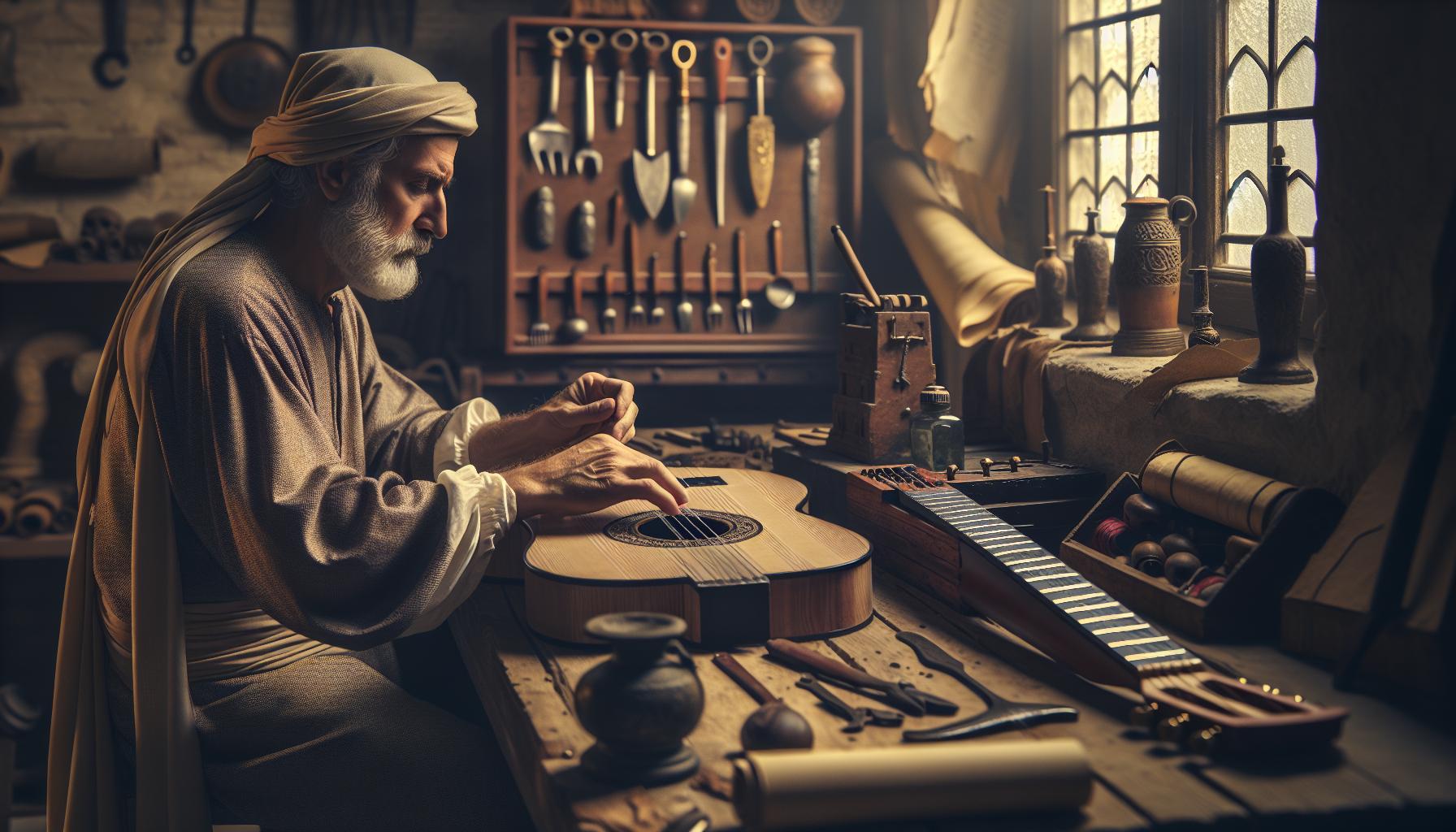
The Evolution of the Guitar: A Historical Overview
The guitar’s journey from ancient origins to modern innovation is a captivating story that intertwines culture, technology, and artistry. Early stringed instruments, such as the lute and oud, laid the foundational sound and structure that would evolve into the guitar we know today. These instruments featured a similar body shape, string configuration, and playing technique, highlighting the shared heritage of stringed instruments across different civilizations. As these prototypes migrated through various cultures, they absorbed distinct influences, creating the diverse lineage that ultimately led to the modern guitar.
Throughout history, several pivotal moments and innovations have shaped the instrument’s evolution. The transition from gut strings to metal strings marked a significant enhancement in tone and volume, enabling players to project their sound more effectively. The late 19th century saw the introduction of the classical guitar, which is largely attributed to the work of Spanish luthier Antonio Torres. His groundbreaking designs, which included a larger body and thinner waists, not only improved acoustics but also influenced the overall playability of the guitar.
As the 20th century approached, the guitar began to adapt to the desires of contemporary musicians, leading to the creation of electric guitars. This innovation opened new avenues for sound production and artistic expression, especially in genres such as jazz, rock, and blues. The electric guitar’s ability to manipulate tone and amplify sound changed the landscape of music, allowing for greater technical complexity and experimentation. Today, guitar technologies continue to advance with digital modeling and smart technology, providing endless possibilities for players and composers alike.
Understanding this vibrant history is essential for guitarists at any level, as it not only enriches their appreciation of the instrument but also informs their playing and creative choices. Whether you’re holding a vintage acoustic or a sleek modern electric, remembering the guitar’s rich past can inspire new sounds and exploration within your music.
Ancient Instruments that Inspired the Modern Guitar
The journey of the guitar’s ancestry is a rich tapestry woven from various ancient stringed instruments that have shaped its design and sound. Among these intriguing predecessors, the lute and oud played pivotal roles. The lute, with its rounded back and fretted neck, emerged prominently in Europe during the Renaissance. Its melodic prowess captivated musicians and composers alike, influencing the tonal qualities we often associate with the guitar today. Meanwhile, the oud, a prominent instrument in Middle Eastern music, features a similar body shape and string arrangement, offering a window into the guitar’s early architectural elements and playing techniques.
As these ancient instruments evolved, their cultural significances intertwined, forming a foundation upon which the modern guitar would eventually be built. For example, the chitarra, a precursor hailing from Italy, incorporated features from both the lute and oud, creating a bridge between various musical traditions. This melting pot of influences laid the groundwork for the guitar’s development. By combining the expressive capabilities of the lute and the resonant qualities of the oud, early luthiers began to experiment with their designs, leading to the birth of the classical guitar.
The guitar-crafting journey didn’t just stop at structural changes; it incorporated technological advancements that further bridged ancient and modern worlds. The shift from gut to metal strings in the 19th century is a prime illustration of this evolution, significantly enhancing the guitar’s volume and sustain, qualities that are vital in today’s musical landscape. This adaptation paved the way for a more robust instrument capable of withstanding the pressures of performance across varied musical genres, from orchestral compositions to rock solos.
Understanding the development of these ancient instruments allows contemporary guitarists to appreciate the intricate history and craftsmanship that inform modern playing techniques and styles. By embracing this heritage, players can unlock new dimensions in their music, exploring the vast possibilities that have emerged from tradition and innovation. Whether strumming a classic piece or crafting a unique sound, the guitarist is intertwined with centuries of musical evolution that continues to inspire today’s creative expression.
Key Figures in Guitar Development: Who Shaped Its Sound?
The evolution of the guitar is not just a tale of wood and strings; it’s a narrative shaped by visionary individuals whose contributions have carved paths in music history. From the nuanced craftsmanship of early luthiers to modern innovators who defy conventional boundaries, many have significantly influenced the instrument’s development and its sound. Notable figures like Antonio Torres, whose designs redefined the classical guitar, set a standard that continues to resonate through generations of musicians. His use of the fan bracing system improved both volume and projection, enabling the guitar to take center stage in ensembles and solo performances.
Another key figure in the guitar’s evolution is Orville Gibson, who revolutionized the construction of acoustic guitars by incorporating arched tops and backs. These innovations laid the groundwork for modern acoustic guitars and greatly influenced various playing styles. His company’s establishment sparked a movement towards more refined, commercially viable instruments that appealed to a broader audience, thus democratizing the guitar.
In the realm of electric guitars, Leo Fender deserves mention as a transformative figure. His introduction of mass-produced, solid-body electric guitars in the 1940s and 50s, such as the Telecaster and Stratocaster, changed the landscape of music. These guitars became synonymous with rock ‘n’ roll, blues, and jazz, largely because of their versatile tones and reliability. Fender’s vision and engineering prowess opened the door for countless musicians to define their sound, from the gritty overdrive of early rock to the clean tones favored in country music.
As the guitar has evolved, so too have the techniques and technologies used to play and create music. From fingerstyle playing that draws on classical traditions to the percussive techniques popularized in modern genres, each development reflects a broader change in cultural expressions. Understanding the contributions of these key figures not only enriches a musician’s appreciation of the instrument but also inspires players to innovate and develop their unique styles, thereby continuing a legacy of creativity and exploration in guitar music.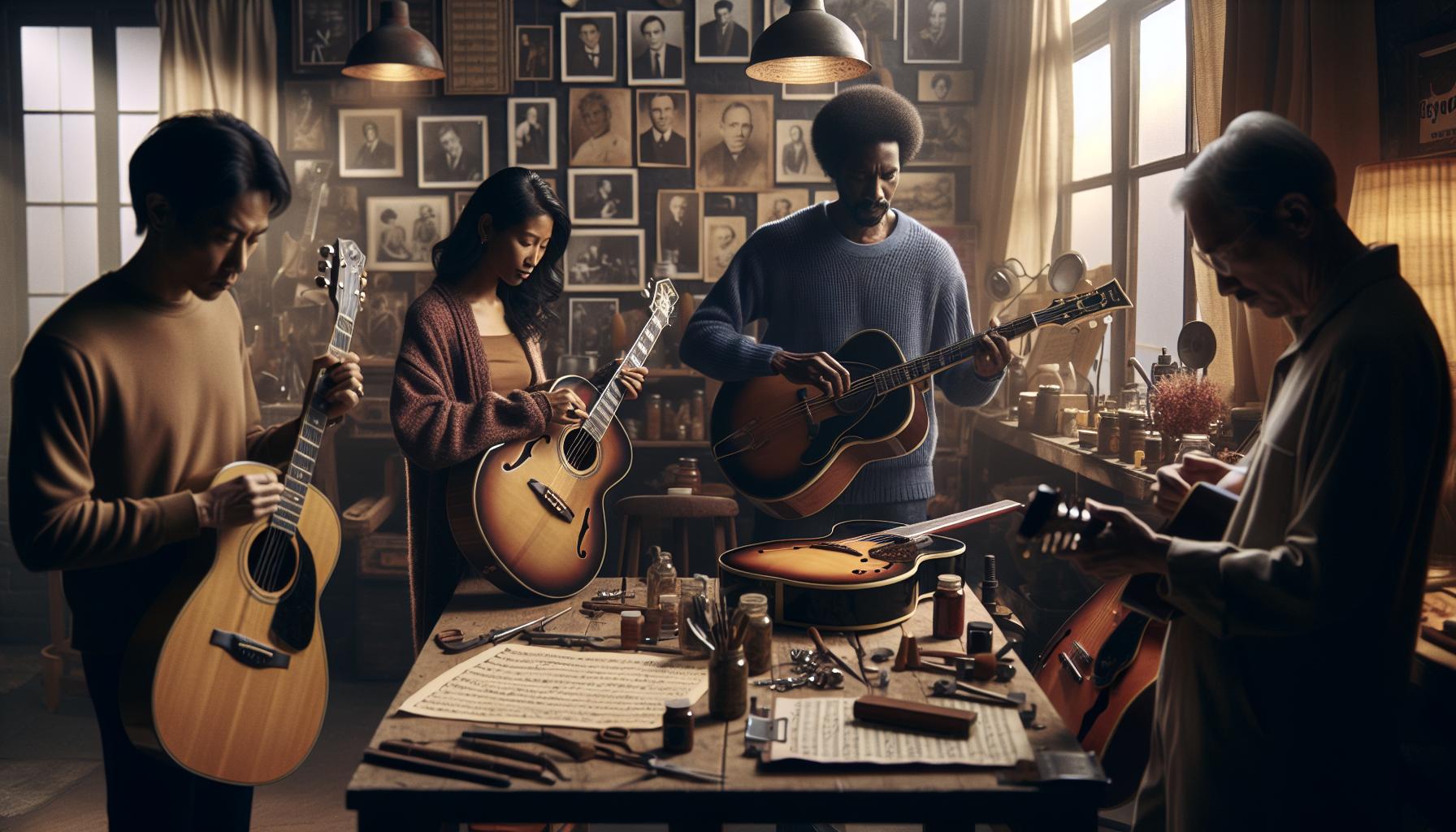
The Legend of Antonio Torres: Father of the Classical Guitar
Antonio Torres is revered as a pivotal figure in the world of music, not only for his innovations in guitar design but also for shaping the sound of classical music as we know it today. His approach to crafting the classical guitar during the 19th century marked a significant evolution in the instrument, emphasizing not just aesthetics but resonance and playability. Torres’ most notable contributions include the development of the fan bracing system, which enhanced the guitar’s volume and tonal quality. This innovation allowed the guitar to play a more prominent role in ensembles and solo performances, broadening its appeal and facilitating new styles of playing.
Torres was meticulous in his craftsmanship, ensuring that each component of the guitar contributed to its overall sound. He experimented with different woods and construction techniques, striving for a balance that would produce a warm, rich tone. His designs, particularly the “Torres guitar,” set a standard that has influenced countless luthiers since, and they remain a benchmark for guitar makers around the globe today. This attention to detail and his understanding of acoustics have made his instruments highly sought after.
- Innovative Bracing: The fan bracing system increases the structural integrity of the guitar while providing optimal sound projection.
- Wood Selection: Torres utilized a variety of woods, including cedar and spruce, chosen for their acoustic properties, which helped define the classical guitar’s unique sound.
- Aesthetics and Craftsmanship: His guitars were not just functional; they were also beautiful, often featuring ornate decorations that appealed to musicians and collectors alike.
The legacy of Torres is not merely found in his famous designs but also in the inspiration he provided to generations of luthiers and players. For modern guitarists, understanding the significance of Torres’ work can deepen their appreciation for the instrument. Whether you’re a beginner exploring foundational skills or an advanced player seeking to refine your technique, recognizing the historical context and evolution of your instrument can enhance your connection to it. Torres’ influence lingers in every strum and pluck of today’s classical guitars, encouraging musicians to explore their creativity and push the boundaries of this versatile instrument.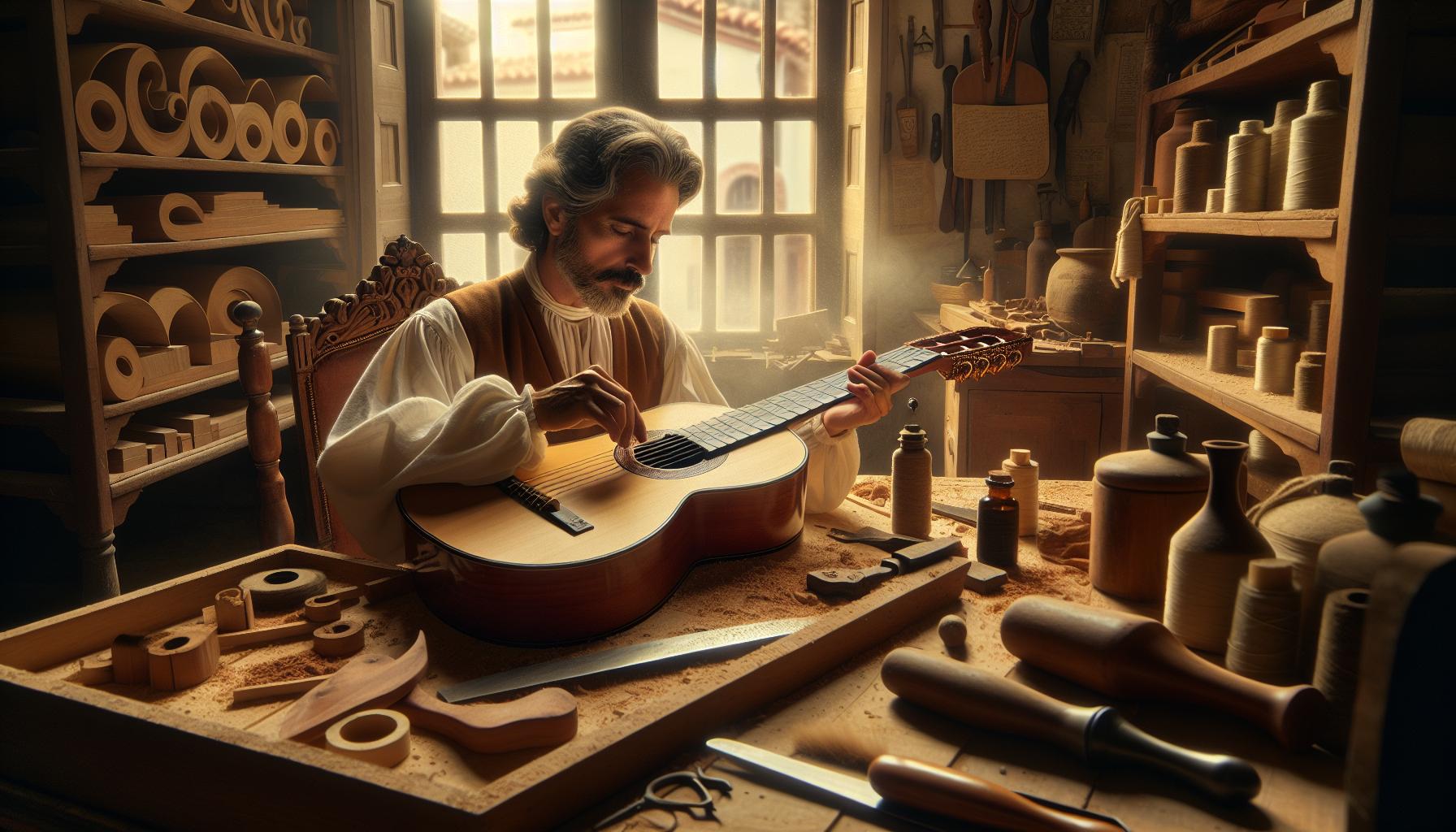
Contrasting Theories: Myth vs. Fact in Guitar Invention
The story of the guitar’s invention is steeped in a mix of fact and fanciful tales, presenting fascinating depictions that can sometimes obscure the truth. Many enthusiasts hold romantic notions about a single inventor or a specific moment when the guitar magically appeared. However, the evolution of this instrument is far more complex and involves a tapestry of cultural influences, designs, and innovations that have unfolded over centuries.
The earliest stringed instruments that contributed to the guitar’s ancestry can be traced back to ancient civilizations. Instruments such as the lute and the vihuela, which were prevalent in Europe during the Renaissance, laid the groundwork for what we now recognize as the modern guitar. These predecessors featured various numbers of strings and different playing techniques, leading to a gradual refinement of the instrument’s design. The claim that one individual invented the guitar diminishes the contributions of many cultures over time, each enhancing its structure and sound.
Moreover, distinctions arise when considering the guitar’s many forms-classical, acoustic, and electric. Each type has its lore regarding invention and development, often leading to conflicting narratives. For instance, while it is widely acknowledged that Antonio Torres made groundbreaking changes to classical guitar design in the 19th century, including the introduction of the fan bracing system, attributing the entire evolution of the guitar to him overlooks the significant influence of luthiers before and after his time.
As players delve deeper into their understanding of the guitar, recognizing these myths versus facts not only enriches their appreciation for the instrument but also informs their playing style. By acknowledging the shared and global journey of the guitar, musicians can celebrate its rich heritage and remain open to innovations that continue to emerge, ensuring that the guitar remains a living, evolving entity within the music world.
The Role of Technology in Guitar Evolution
The evolution of the guitar has been profoundly influenced by technological advancements that have reshaped its design, sound, and playability. From the early days of handmade wooden instruments to today’s sophisticated electric guitars, technology has driven innovation, enabling musicians to explore new creative horizons. For example, the introduction of steel strings greatly enhanced the volume and brightness of acoustic guitars, a significant leap from the gut strings used in earlier models. This change allowed for more powerful projection, particularly in ensemble settings, making the guitar a more prominent instrument in various musical genres.
Innovations in Guitar Design
The transition from classical guitars to steel-string acoustics and eventually to electrics illustrates the pivotal role technology plays in instrument evolution. The electric guitar, invented in the 1930s, represented a revolutionary leap; by amplifying sound, it allowed musicians to fill large venues, famously redefined genres like rock and jazz. Key innovations such as the solid body, introduced by figures like Leo Fender and Les Paul, diminished feedback issues while providing sustain and tonal richness that acoustic instruments could not achieve. Electric guitars also spawned a myriad of effects pedals, enabling artistic expression through distortion, delay, and modulation, transforming the way music is composed and performed.
Digital Age and Modern Technology
In recent years, the digital landscape has further transformed guitar progression. Software like DAWs (Digital Audio Workstations) and virtual amplifier simulators enables players to produce studio-quality sounds from home. This accessibility has democratized music production, allowing budding musicians to experiment and learn with tools previously reserved for professionals. Moreover, advancements in manufacturing technologies, such as CNC machines and 3D printing, have streamlined guitar production, leading to greater precision and design possibilities.
Additionally, technology impacts learning methods for guitarists. Online tutorials, apps, and interactive software have revolutionized how individuals approach guitar teaching and learning, offering personalized feedback and convenient resources to hone technique. This evolution in educational tools not only caters to beginners but also challenges advanced players to refine their skills in new and innovative ways, ensuring that the journey of learning and mastering the guitar continues to evolve with technology.
In summary, the interplay between technology and guitar evolution has fostered tremendous growth within the music world. Each advancement not only impacts how guitars are made and played but also shapes the musical landscape itself, encouraging musicians to push the boundaries of creativity and expression. Embracing these changes while cultivating an appreciation for the instrument’s rich heritage can greatly enhance a guitarist’s experience and proficiency.
Cultural Impact: How the Guitar Influenced Music Genres
The guitar has served as a catalyst for cultural expression across diverse music genres, from folk to rock, and its impact on musical evolution is significant. This stringed instrument has not only shaped the soundscape of various styles but has also become intertwined with the identities of countless cultural movements. Its portability and versatility make it an accessible tool for musicians around the world, facilitating the sharing and evolution of musical ideas across regions and genres.
In rock music, for instance, the guitar plays a central role, with iconic riffs and solos defining the genre’s sound and identity. Artists like Jimi Hendrix and Eric Clapton showcased groundbreaking techniques that influenced generations of guitar players, making the electric guitar synonymous with rock culture. The use of distortion, effects, and innovative playing styles enabled artists to push musical boundaries, leading to the diverse subgenres we see today, from punk to metal. This cultural impact can be traced back to the rebellious spirit of rock, where the guitar became a symbol of youth defiance and creativity.
Folk music offers another perspective on the guitar’s cultural significance. Instruments like the acoustic guitar have been integral in storytelling traditions, allowing artists to convey powerful narratives intertwined with social and political themes. From Woody Guthrie to Bob Dylan, the guitar has been a voice for the marginalized, expressing the struggles and hopes of communities. This tradition continues today, as contemporary folk artists utilize the guitar to engage with pressing issues, keeping the instrument relevant in modern activism.
Moreover, the guitar’s global influence is highlighted by its adaptation into various musical styles worldwide. The flamenco guitar in Spain, the sitar in Indian classical music, and the ukulele in Hawaiian music exemplify how this instrument has transcended borders, adapting to local cultures while enriching the global music landscape. Each variant retains unique characteristics, contributing to the rich tapestry of world music and showcasing the guitar’s universal appeal.
Ultimately, the guitar’s cultural impact is profound and multifaceted, creating a bridge between musicians and their audiences, fostering creativity, and inspiring movements. By understanding the historical and cultural significance of the guitar, musicians can appreciate not just the instrument’s technical aspects, but also its role as a powerful medium of expression and connection. Whether it’s strumming simple chords by a campfire or performing intricate solos on stage, the guitar continues to inspire and shape the cultural narrative of music.
Exploring Different Types of Guitars: Acoustic, Electric, and Beyond
The guitar, in its various forms, has captivated musicians for centuries, evolving alongside cultural and technological shifts. The most well-known types of guitars include acoustic, electric, and hybrids that blend features from both categories. Understanding their unique characteristics not only helps players choose the right instrument but also deepens appreciation for the guitar’s rich history and role in music evolution.
Acoustic guitars are typically crafted from solid wood or laminates, allowing them to create rich, resonant tones purely through string vibration. They are ideal for genres like folk, country, and classical, and they come in different body shapes, such as dreadnought, concert, and parlor. Each shape impacts the sound; for example, dreadnoughts project a loud and balanced tone, making them favorites among singer-songwriters and those performing in larger venues. Proper maintenance, including regular string changes and humidity control, is crucial to preserving the instrument’s sound quality and longevity.
Electric guitars, on the other hand, rely on electromagnetic pickups to convert string vibrations into electrical signals, which can be amplified and modified. This allows for a vast range of sounds and effects, making electric guitars indispensable in rock, jazz, and blues. They come in various body styles, including solid, semi-hollow, and hollow bodies, each offering distinct tonal possibilities. For example, solid-body guitars, like the iconic Fender Stratocaster, are known for their sustain and adaptability to different playing styles, while hollow-body guitars provide a warmer, fuller sound suitable for jazz and blues genres.
Emerging since the late 20th century, hybrid guitars-like the acoustic-electric-enable versatility by integrating both acoustic sounds and amplification capabilities. These instruments often feature a built-in pickup system, allowing musicians to seamlessly transition between acoustic performance and amplified sound. Such flexibility is especially appealing to contemporary artists who wish to traverse genres or perform in diverse settings.
Whether you’re a beginner exploring your first guitar or a seasoned veteran looking to add to your collection, understanding the differences between acoustic, electric, and hybrid guitars will aid in making informed decisions. By choosing the right type of guitar that aligns with your musical goals and preferences, you’ll foster creativity and establish a deeper connection with the music you create.
Guitar Innovations: Key Inventions That Changed the Game
The guitar’s evolution is marked by a series of groundbreaking innovations that transformed this beloved instrument into a versatile tool for musical expression. From the advent of the electric guitar to the introduction of various effects pedals, these advancements have not only changed how music is created but also expanded the emotional and sonic landscape musicians can explore.
One of the most significant developments in guitar history was the invention of the electric guitar in the 1930s. By using electromagnetic pickups, these guitars allowed players to amplify their sound, enabling a style of playing that emphasized sustain and distortion. Pioneers like Les Paul experimented with solid-body designs, leading to the iconic Gibson Les Paul model that many regard as a benchmark for rock music. The electric guitar opened the floodgates to a multitude of genres, including rock, jazz, and blues, each benefiting from the enhanced capabilities.
Effects Pedals: Shaping Sound
The emergence of effects pedals in the late 1960s further revolutionized guitar playing. Devices like the fuzz box and wah pedal gave musicians unprecedented control over their tone, allowing them to create everything from rich, saturated sounds to ethereal textures. Iconic guitarists such as Jimi Hendrix and Eric Clapton utilized these technologies to develop their distinct styles, showcasing how guitar innovations can shape a musical narrative. As a result, effects pedals became essential tools for both live performances and studio recordings, allowing for endless experimentation.
Advancements in Materials and Design
In addition to electronic innovations, advancements in materials and design have played a critical role in altering the guitar landscape. The introduction of composite materials and advanced manufacturing techniques has led to the creation of more durable and lightweight guitars without compromising sound quality. Modern innovations such as built-in tuners, customizable pickups, and a variety of string options provide musicians with tools closely tailored to their needs. For instance, the popularity of extended-range guitars has provided heavier music genres like metal with a broader sonic palette.
Ultimately, these key inventions and innovations have established the guitar as one of the most adaptable instruments in music history. Whether you’re a budding musician seeking your first instrument or a seasoned guitarist looking for your next upgrade, embracing these advancements can inspire and elevate your own creative journey. By understanding the technological advancements and innovations, musicians can make informed decisions about their gear, which can lead to enhanced performances and greater satisfaction in their musical pursuits.
Legacy and Influence: Famous Guitars and Their Inventors
Throughout the history of the guitar, several iconic instruments and their inventors have left an indelible mark on music, shaping its evolution and cultural significance. Among these legends, the Fender Stratocaster stands out as one of the most influential electric guitars ever created. Designed by Leo Fender in the early 1950s, the Stratocaster introduced features like contoured edges, a double-cutaway body, and three single-coil pickups, which combined to offer a range of tones that appealed to diverse musical styles. Musicians like Jimi Hendrix and Eric Clapton embraced its sound, propelling the Stratocaster into rock ‘n’ roll stardom and cementing its role in the musical landscape.
Equally significant is the Gibson Les Paul, a collaboration between musician Les Paul and Gibson in the early 1950s. Known for its solid mahogany body and warm, sustaining tones, the Les Paul quickly became a staple in rock and blues music. Renowned guitarists such as Jimmy Page and Slash have used the Les Paul to create some of the most iconic riffs in history, exemplifying its versatility. The enduring appeal of this guitar has established it as a standard in the industry, influencing generations of players who seek its rich, full-bodied sound.
Another noteworthy figure in guitar development is Antonio Torres, often celebrated as the father of the modern classical guitar. His innovations in the 19th century led to the development of the body shape and dimensions that define classical guitars today. Torres’ meticulous attention to acoustics and craftsmanship ushered in an era of expressive fingerstyle playing, inspiring classical guitarists around the world. Instruments crafted based on his designs continue to resonate beautifully, showcasing the lasting legacy of his contributions.
These emblematic guitars and their inventors reflect a rich history of innovation, each contributing to the guitar’s evolution and its impact on diverse musical genres. By understanding the stories behind these legendary instruments, aspiring musicians can gain insights into their significance and craftsmanship, allowing them to make informed decisions when selecting their own guitars. Embracing this legacy not only honors the past but also inspires creativity in the present.
The Guitar Today: Modern Innovations and Trends
The contemporary guitar landscape is a vibrant mix of tradition and innovation, showcasing remarkable advancements that cater to musicians of all styles and skill levels. Today, players have access to an array of innovative designs, materials, and technologies that not only enhance sound quality but also transform the playing experience. For example, the introduction of carbon fiber and other synthetic materials in guitar construction has led to instruments that are not only durable but also capable of producing rich tones that rival traditional wood guitars.
One of the most significant modern trends in the guitar realm is the rise of digital technology. Amplifiers now often include built-in modeling capabilities, allowing guitarists to access a plethora of tones and effects without the need for multiple physical pedals or amps. Additionally, the incorporation of Bluetooth technology enables seamless connection to smartphones and tablets for real-time effects management and practicing with apps designed to improve playing skills. This integration allows players to customize their sound and practice routines in unprecedented ways.
For beginners, the wealth of online resources, such as video tutorials and interactive lessons, has greatly enhanced the learning process. Platforms like YouTube and dedicated guitar learning websites provide step-by-step guidance, making it easier than ever to pick up the instrument. Many apps also offer tuning features, chord libraries, and play-along tracks, fostering an engaging learning environment that encourages practice and exploration.
As you embark on your musical journey, consider the vast array of options available-from electric and acoustic guitars to hybrid models that combine features of both. When selecting an instrument, look for a guitar that resonates with your playing style and feels comfortable in your hands. Whether you’re drawn to the classic appeal of a vintage guitar or the sleek design of a modern electric model, make choices that inspire you. Embrace these innovations, and let them enhance your creativity as you contribute to the ever-evolving story of guitar music.
Q&A
Q: Who is credited with inventing the guitar?
A: The modern guitar has no single inventor; it evolved over centuries. However, Antonio Torres is often recognized for developing the classical guitar in the mid-19th century, significantly shaping its design and sound.
Q: What are the major milestones in the history of the guitar?
A: Key milestones include the transition from earlier stringed instruments like the lute and vihuela to the classical guitar by Antonio Torres, followed by the evolution of the electric guitar in the 20th century, pioneered by innovators like Leo Fender and Les Paul.
Q: How did the guitar evolve over time?
A: The guitar evolved through various cultural influences and technological advancements. From its origins in ancient stringed instruments to the refined designs of classical and electric guitars, each phase added to its musical capabilities and versatility.
Q: What influences did Antonio Torres have on the guitar?
A: Antonio Torres revolutionized the guitar’s construction by implementing a larger body size and fan bracing, which improved volume and tone quality. His designs laid the foundation for modern classical guitars, making a lasting impact on guitar music.
Q: Are there any myths surrounding the guitar’s invention?
A: Yes, several myths exist, such as attributing the invention to a single individual or claiming it was fully formed from its inception. The guitar’s development was a gradual process shaped by many cultures and innovations.
Q: How did technology impact the development of the guitar?
A: Technology significantly transformed the guitar through the introduction of electric pickups, solid-body designs, and digital effects. These advancements expanded the guitar’s sound palette and facilitated its integration into various music genres.
Q: What are some lesser-known facts about the guitar’s history?
A: Lesser-known facts include that the guitar’s early relatives, like the lute, were more prominent in medieval music. Additionally, the term “guitar” originates from the Greek word “kithara,” highlighting its ancient roots.
Q: Why is the guitar considered a versatile instrument?
A: The guitar is versatile due to its ability to adapt to various music styles, such as rock, jazz, classical, and folk. Its portability, range of sounds, and playability make it a favorite choice among musicians worldwide.
Concluding Remarks
As you explore the fascinating history of the guitar, remember that understanding its origins enriches your appreciation and playing experience. While the inventors may be shrouded in legend, the evolution of this remarkable instrument continues to inspire musicians worldwide. Don’t miss out on our detailed guides on guitar maintenance and tuning methods to keep your instrument in top shape.
If you’re eager to deepen your knowledge, check out our tutorials on essential chords and scales, perfect for all skill levels. Join the conversation by sharing your thoughts in the comments below, and subscribe to our newsletter for exclusive tips and gear reviews! Your next musical journey starts here-embrace it!