
The guitar, a beloved instrument that has shaped music across genres and generations, boasts a rich and fascinating history. Its invention is attributed to creative minds who transformed earlier stringed instruments into the modern guitars we know today. Understanding who invented the guitar not only unveils the genius behind this iconic tool but also connects us to the evolution of music itself.
As countless aspiring and seasoned musicians delve into the beauty of guitar playing, the story of its origins can ignite a sense of appreciation for the craftsmanship and innovation that fuels their passion. Whether you’re a beginner picking up the guitar for the first time or an experienced player refining your skills, discovering the roots of your instrument deepens your connection to its music. Join us as we explore the captivating history of the guitar and the brilliant minds behind its creation, revealing why this instrument continues to resonate so deeply in our lives.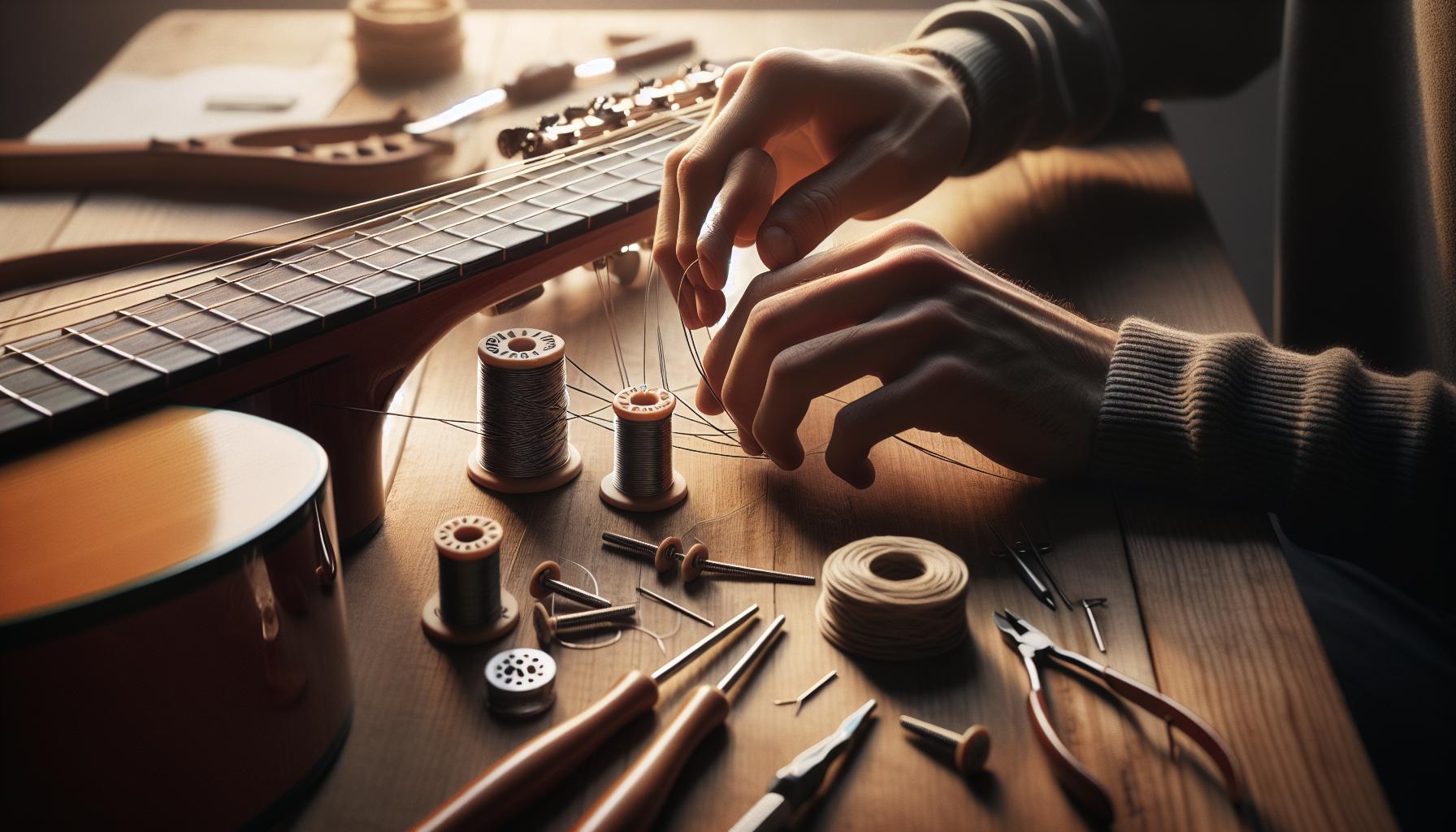
The Fascinating History of the Guitar
The story of the guitar is as rich and varied as the sounds it produces. Emerging from ancient stringed instruments, the guitar has evolved significantly over centuries and across cultures. The precursor to the modern guitar can be traced back to the lute and other string instruments found in various ancient civilizations. By the 15th and 16th centuries, the guitar began to take on its recognizable shape and form in Spain, solidifying its place as a central instrument in European music.
In its early days, the guitar featured a smaller body and fewer strings, typically only four or five, which was common among instruments of that era. These designs allowed for intricate fingerstyle playing, reflecting the musical styles of the time. Over time, the instrument experienced various modifications. The Renaissance brought about a shift to six strings, and by the Romantic period in the 19th century, guitars were being constructed with larger bodies and refined tonal qualities, paving the way for the modern acoustic guitar.
The electric guitar’s invention in the early 20th century marked a seismic shift in musical history. It allowed musicians to amplify their sound, leading to new genres like jazz, blues, and eventually rock and roll. Innovators such as Les Paul and Leo Fender played crucial roles in developing electric guitar technology, creating instruments that featured distinctive qualities and diverse tones. These advancements encouraged musicians to explore new playing techniques and sounds, further expanding the instrument’s musical capabilities.
As guitar technology continued to evolve, so did its cultural significance. The guitar has transcended regional and musical boundaries, becoming a symbol of rebellion, creativity, and expression around the globe. From folk to heavy metal, the guitar’s versatility ensures its enduring popularity. Understanding the instrument’s rich history not only deepens appreciation for the music it creates but also inspires current and future musicians to innovate and explore their own paths with this iconic instrument.
The Evolution of Guitar Types and Styles
From the roots of ancient string instruments to the dazzling array of modern guitars, is a testament to humanity’s unyielding creativity and innovative spirit. The journey began with primitive stringed instruments like the lute, which laid the groundwork for the guitar’s development. Each major era brought significant changes, influencing both the design and playing style of the guitar.
During the Renaissance, the guitar typically featured four to five strings and a smaller body, which favored intricate fingerstyle playing. As we transitioned into the Baroque period, the instrument adopted six strings, a development that not only improved tonal range but also made it more versatile. The inherent design of the acoustic guitar was refined in the 19th century, resulting in larger bodies and a more resonant sound that suited the burgeoning Romantic musical styles. This period also saw the introduction of various tuning styles and the development of specific playing techniques that enhanced performance.
The arrival of the electric guitar in the early 20th century was perhaps the most significant evolution yet. With the ability to amplify sound, the electric guitar redefined musical genres. Innovators like Les Paul and Leo Fender expanded the sonic possibilities with their groundbreaking designs. These variations birthed distinct styles including rock, blues, jazz, and country, each characterized by unique playing techniques and iconic sounds. From the twang of a Telecaster in country music to the growl of a Gibson Les Paul in rock, the stylistic diversity reflects not just player preferences but also cultural movements and technological advancements.
Today, guitar players can choose from an overwhelming array of instruments that cater to every skill level and stylistic preference. Acoustic guitars range from classical models with nylon strings to folk instruments designed for strumming. Electric guitars have exploded into countless variants, including solid-body, semi-hollow, and hollow-body guitars, each serving different musical needs. Understanding these evolving styles can empower musicians to select the right instrument for their personal expression, igniting a passion for creative exploration within the vibrant world of guitar music.
Meet the Visionaries Behind Guitar Innovation
The evolution of the guitar has been significantly shaped by brilliant innovators whose groundbreaking ideas transformed it into the versatile instrument we know today. Among these pioneers, the likes of Antonio de Torres, Les Paul, and Leo Fender stand out for their influential contributions. Antonio de Torres, often referred to as the father of the modern classical guitar, made critical advancements in guitar design during the 19th century. His innovations in body shape and bracing patterns greatly enhanced the acoustic instrument’s volume and tonal quality, setting a standard for future generations. By increasing the size of the soundboard and refining the internal structure, he created guitars that not only looked stunning but also produced a rich, full sound that musicians craved.
In the realm of electric guitars, Les Paul revolutionized the music industry with his vision and technical expertise. As a gifted guitarist and innovative engineer, he pioneered the solid-body electric guitar, which enabled musicians to produce powerful and sustained tones that were previously unattainable. The distinctive sound of the Gibson Les Paul model became synonymous with rock music, thanks in no small part to its ability to withstand high levels of distortion without sacrificing clarity. Les Paul’s contributions extend beyond instrument design; his experimentation with multitrack recording techniques also paved the way for modern studio practices.
As the market for electric guitars expanded, Leo Fender emerged as another visionary, dedicated to making instruments that were not only designed to be played well but were also affordable for the average musician. His creation of the Fender Stratocaster and Telecaster redefined the sound of popular music, offering players a range of tones and functionalities that matched their artistic expression. These models became staples in genres such as rock, blues, and country, thanks to their innovative features like solid-body construction and single-coil pickups.
Together, these visionaries helped shape the guitar into a key instrument across multiple genres, illustrating that innovation in craftsmanship can have a profound impact on musical development. As contemporary musicians continue to explore the boundaries of sound, it’s essential to recognize the foundational work of these innovators, inspiring the next generation to push forward with their own creative endeavors.
How the Guitar Transformed Music Genres
The guitar’s transformative power across various music genres is a testament to its flexibility and expressive capability. From the lilting melodies of classical compositions to the electrifying sounds of rock and roll, the guitar has played an integral role in shaping music history. Its evolution has allowed it to adapt, influence, and even define genres, making it a vital instrument for musicians across the globe.
In genres like blues, the guitar became a prominent voice, conveying emotion and depth through techniques such as bending notes and slide playing. Artists like B.B. King and Muddy Waters used the guitar to express rich narratives of life experiences, which deeply resonated with audiences, thus helping to establish the genre’s roots in American culture. Similarly, the incorporation of the electric guitar in rock music altered the music landscape, leading to the emergence of iconic bands like The Rolling Stones and The Beatles. Their innovative use of guitar riffs and solos not only defined rock music but also laid the groundwork for future genres, including punk, metal, and indie rock.
Genre-Specific Innovations
As the guitar spread through various genres, it inspired unique techniques and styles tailored to the sounds of those genres. Jazz guitarists, such as Charlie Christian and Wes Montgomery, integrated complex chords and improvisational skills, pushing the boundaries of harmonic exploration. This evolution highlighted the guitar’s ability to keep pace with the technical advancements and improvisational nature of jazz music, allowing it to occupy a key role in small ensembles and big bands alike.
In the realm of folk music, the guitar served as an accessible instrument for storytelling. Artists like Bob Dylan and Joan Baez used acoustic guitars as a vehicle for social commentary, making profound statements during the counterculture movement of the 1960s. The simplicity of the guitar allowed for wide participation, democratizing music-making and opening doors for amateur musicians, songwriters, and activists to express their ideas and beliefs.
Global Influence and Fusion
The guitar’s capacity to fuse with other cultural music styles is another reason for its omnipresence. Flamenco, a passionate genre native to Spain, utilizes the guitar in intricate fingerpicking styles, reflecting the rhythms and emotions of its cultural roots. Similarly, the introduction of the guitar into traditional African music has led to fresh genres like Afrobeat, where its rhythmic strumming complements complex polyrhythms of drums and percussion.
As music continues to evolve, the guitar remains at the forefront of innovation, inspiring new generations of musicians to experiment and create. Its ongoing adaptation reflects the culture and spirit of the times, ensuring that the guitar will always have a significant role in the world of music. Whether you’re a budding musician or a seasoned player, understanding how the guitar has navigated and influenced music genres can deepen your appreciation for this extraordinary instrument and encourage you to explore its diverse possibilities.
Understanding Guitar Anatomy and Mechanics
The intricate design of the guitar is a testament to centuries of innovation, blending artistry with functionality. At its core, the guitar consists of several key components that work in harmony to produce the enchanting sounds we all cherish. Understanding these parts helps musicians make informed decisions about their instruments, whether selecting or maintaining one.
The body of the guitar is crucial, with acoustic guitars typically featuring a hollow design that amplifies sound through its resonating chamber, while electric guitars rely on solid bodies with pickups to capture vibrations from the strings. The shape and material of the body, such as mahogany or spruce, greatly influence tone and resonance.
The neck of the guitar, often made from wood like maple or rosewood, is where players press the strings to create notes. The frets, positioned along the neck, determine pitch; the closer a fret is to the body, the higher the note produced. This area can be enhanced with features like a truss rod, allowing for adjustments to the neck’s curvature, ensuring optimal playability.
Strings themselves-usually made from nylon, steel, or a combination thereof-are essential in generating sound. Their gauge (thickness) affects playability; lighter strings are easier to fret but may produce less volume, while heavier strings generate more resonance, appealing to different styles and preferences. It’s beneficial for players to experiment with string types to find their ideal sound and feel.
Finally, the bridge and nut are pivotal in maintaining string tension and spacing. The bridge anchors strings to the body while facilitating vibration transfer, whereas the nut, located at the neck’s headstock, ensures strings are well-aligned and optimally spaced for comfortable fingering. Understanding these elements not only empowers beginners in their musical journey but also aids experienced players in selecting and customizing their guitars for unmatched performance.
Famous Guitar Players Who Changed Music
The guitar has been shaped not only by its storied history and evolving design but also by the profound impact of iconic musicians who have used the instrument to redefine genres and inspire generations. Artists such as Jimi Hendrix, Eric Clapton, and B.B. King have not only showcased the guitar’s capabilities but have also pushed the boundaries of what could be achieved with six strings. Each of these musicians brought their unique voice and style, making significant contributions to the instrument’s legacy.
Jimi Hendrix, known for his electric performances and innovative use of effects, transformed the way the guitar was played. His feedback and distortion techniques opened up new auditory landscapes, allowing players to express emotions that were previously difficult to convey. His rendition of the “Star-Spangled Banner” at Woodstock is a seminal moment in music history, illustrating how the guitar could serve as a powerful tool for political and social commentary.
Eric Clapton, often referred to as one of the greatest guitarists of all time, blended blues, rock, and pop, making the guitar accessible to a broader audience. His work with bands like Cream and his acclaimed solo career have inspired countless aspiring guitarists. Clapton’s emotive playing style and mastery of the blues scale have encouraged many to explore the depth and expressiveness that the guitar can offer.
B.B. King, the “King of Blues,” exemplified how the guitar could convey feeling through every note. His famous “Lucille,” a Gibson guitar, became an extension of his voice. King’s unique vibrato and fluid bending techniques have influenced generations, teaching players that technical skill should always serve the emotional delivery of music.
The stories of these guitarists are just a few examples of how individual visionaries have changed the musical landscape. Their innovations encapsulate the essence of the guitar as an expressive medium, one that invites musicians to not only play but also communicate their innermost thoughts and feelings. Emulating their techniques and understanding their impact can provide valuable insights for both novice and seasoned players seeking to leave their own mark on the world of music.
The Importance of Guitar Craftsmanship
The craftsmanship behind a guitar is nothing short of an art form, blending traditional techniques with modern innovation to produce instruments that are not only functional but also beautiful. A well-crafted guitar can significantly influence a player’s experience, resulting in a sound that resonates with the player’s unique style. From the selection of high-quality materials like mahogany and rosewood to the precision in construction methods, every detail matters. Much like a fine wine, the intricate interplay of the guitar’s components-soundboard, neck, and body-contributes to its overall character and tone.
One critical aspect of exceptional guitar craftsmanship is the attention to detail during the building process. Skilled luthiers painstakingly handcraft each instrument, ensuring that every fret, inlay, and finish is perfect. This level of precision can’t be overstated, as even slight imperfections can alter a guitar’s sound quality and playability. Many prominent guitar brands have their unique methodologies; for instance, Martin guitars are known for their X-bracing pattern, which enhances acoustic resonance, while Gibson’s signature neck profiles cater to the specific demands of rock and blues musicians.
Moreover, the choice of materials used plays a vital role in the tonal qualities of the guitar. Solid wood tops provide better sound quality than their laminate counterparts, and the type of wood can impart different tones-spruce offers brightness, while cedar lends warmth. Furthermore, the craftsmanship involved in creating intricate rosettes or binding can elevate an instrument’s aesthetic appeal, making it not just a guitar but a work of art.
Investing in a well-crafted guitar is often the difference between a mediocre and a truly inspiring experience. For beginners, paying attention to craftsmanship can mean the difference between picking up the guitar with excitement or frustration. For seasoned players, understanding the nuances of craftsmanship helps in making informed decisions about upgrades or new purchases. Ultimately, great guitar craftsmanship allows musicians to connect deeply with their instrument, empowering them to express their creativity and emotions through music.
Exploring Different Playing Techniques
The guitar is an incredibly versatile instrument, with a multitude of playing techniques that can dramatically influence the sound and style of music produced. From fingerstyle to flatpicking, each method opens the door to different sonic landscapes, allowing musicians to express their creativity uniquely. Understanding these techniques is key for anyone looking to deepen their connection with the instrument.
One popular method is fingerstyle, where players use their fingers or fingernails to pluck the strings directly. This technique allows for intricate melodies and harmonies to be played simultaneously, creating a lush sound that is particularly favored in genres like folk and classical. A famous example of fingerstyle mastery is the late guitarist Michael Hedges, whose intricate patterns and percussive techniques pushed the boundaries of acoustic guitar music.
Another widely-used technique is flatpicking, which employs a pick to strike the strings. This method is often utilized in bluegrass and rock music, as it enables quick strumming and powerful note articulation. Notable flatpickers, like Doc Watson, have demonstrated how effective this style can be in conveying speed and articulation, transforming melodic lines into exhilarating solos.
Hybrid picking combines the use of a pick and fingers, allowing for rapid melody lines along with complimentary bass lines or chordal strumming. This technique is particularly popular among country and rock guitarists. Using hybrid picking can add complexity and depth to your playing, making it an invaluable tool for creative expression.
Mastering these techniques involves both practice and experimentation. Here are some strategies to enhance your skills:
- Start Slow: Begin with slower tempos to get comfortable with the motions before increasing your speed.
- Use a Metronome: Help maintain a steady rhythm and improve timing consistency.
- Record Yourself: Listening to your practice can provide insights into areas needing improvement.
- Learn from the Masters: Study videos or transcriptions of guitarists who excel in the techniques you want to master.
By exploring and integrating these various playing techniques into your repertoire, you can adapt your style to any genre and infuse your music with personal flair. Whether you are a novice or a seasoned player, expanding your technique not only enhances your musicality but also deepens your appreciation for the artistry of the guitar itself.
Tips for Choosing the Right Guitar for You
Choosing the right guitar is an essential step in your musical journey, and the right fit can make all the difference in your playing experience. With so many options available, it’s crucial to consider several key factors that align with your individual style, skill level, and personal preferences. From body shape to tonewoods, each element affects not only the guitar’s sound but also its playability.
One of the first things to think about is the type of music you plan to play. Different genres often favor specific types of guitars. For instance, acoustic guitars are ideal for folk and country music due to their rich, resonant sound, while electric guitars are preferred for rock and blues because of their versatility and ability to manipulate sound with effects. If you’re leaning towards fingerstyle or classical music, consider a nylon-string guitar, which offers a softer touch and warmer tone, perfect for intricate playing.
Another vital factor is the size and shape of the guitar. If you’re a beginner or have a smaller frame, a parlor or travel guitar may be more comfortable to handle than a full-sized dreadnought. For those with larger hands, consider a guitar with a wider neck for easier access to the strings. The body depth also impacts comfort and sound projection, with deeper bodies usually producing a fuller tone, while shallower bodies are often more comfortable to play for extended periods.
When it comes to materials, the choice of wood can significantly influence the sound quality. Common tonewoods include spruce for the top (which provides bright sound), mahogany for the back and sides (which adds warmth), and rosewood for the fingerboard (known for its rich overtones). If you have a specific tonal preference, playing guitars made from various woods will help you discern differences in resonance and tone.
Lastly, don’t overlook the importance of playability. Always ensure that the guitar feels good in your hands – check the action (the height of the strings from the fretboard), neck straightness, and fret quality. An ideal guitar will make it easier to play without causing discomfort or buzzing sounds. If possible, play several models in-store before making a decision or seek recommendations from trusted friends or experienced players.
In summary, choosing the right guitar is a personal and sometimes overwhelming process, but by focusing on your musical aspirations, comfort, and sound preferences, you can find an instrument that inspires you to play and grow as a musician. Whether you’re just starting out or looking to upgrade, there’s a perfect guitar waiting for you!
Guitar Tuning Methods Every Player Should Know
Tuning your guitar properly is fundamental to achieving quality sound and enhancing your playing experience. Different tuning methods not only impact your instrument’s sound but also tailor your approach to various musical styles. While standard tuning (E-A-D-G-B-e) is the most widely used, exploring alternate tunings can unlock new sonic landscapes and lend a fresh perspective to your music.
Common Tuning Methods
- Standard Tuning: This is the most common setup for guitar players, where strings are tuned to E-A-D-G-B-e, from the lowest to the highest. It’s versatile and fits many genres, making it ideal for beginners.
- Drop D Tuning: By lowering the sixth string from E to D, you introduce deeper bass notes and facilitate power chord playing (D-A-D-G-B-e). This tuning is popular in rock and metal genres.
- Open Tunings: For blues and folk, open tunings-like Open G (D-G-D-G-B-D) or Open D (D-A-D-F#-A-D)-allow for rich chords when strumming. They can simplify finger placements, enabling beautiful slide guitar techniques.
- Alternate Tunings: Artists often experiment with specific tunings, such as C6 or DADGAD, fostering unique chord voicings and melodic possibilities. These tunings can inspire creativity by giving familiar shapes new musical contexts.
Tuning Techniques
Using a reliable tuner can greatly aid in achieving precise tuning. Clip-on tuners or pedal tuners are popular choices for their accuracy and ease of use. Alternatively, many experienced players use their ear to match pitches with a reference tone, such as tuning to a piano or pitch pipe. For those looking to enhance their skills, learning how to tune by ear not only develops your musical ear but also deepens your understanding of pitch relationships.
For beginners working to master string bending, chord transitions, or intricate soloing, regularly checking your tuning ensures consistent sound quality. Additionally, seasonal changes in humidity can affect string tension and tuning stability, making it wise to check your tuning frequently, especially after extended periods of playing.
Being well-versed in various tuning methods can transform your guitar playing, opening doors to artistic expression and satisfying experimentation. Whether you’re jamming with friends, writing your own music, or learning songs, knowing how to tune your guitar effectively allows you to sound your best and enjoy every note you play.
Essential Gear for Guitar Enthusiasts
The right gear can elevate any musician’s experience, transforming the way they play and interact with their beloved instrument. For guitar enthusiasts, essential equipment extends beyond the guitar itself; it includes a variety of tools and accessories that help in achieving optimal performance and enhancing creativity. Investing in quality gear not only improves sound quality but also ensures that players can express their artistic vision without technical hindrances.
Key Gear for Your Guitar Journey
- Quality Guitar Picks: The choice of pick can significantly affect tone and playability. Experimenting with different materials, thicknesses, and shapes can lead to discovering the perfect picking technique that complements your style.
- Guitar Tuners: A reliable tuner is vital for maintaining pitch accuracy. Clip-on tuners, pedal tuners, and smartphone apps offer various options to suit different preferences, ensuring that you are always in tune.
- Capos: A capo allows quick key changes without needing to transpose chords. It opens up a range of new sounds and can simplify playing in certain genres. It’s an invaluable tool for songwriting and personalizing cover songs.
- Strings: Different playing styles and genres may demand specific string types and gauges. Regularly experimenting with string choices can lead to improved tone and playability that match your unique sound.
- Amplifiers and Pedals: For electric guitar players, a good amplifier defines much of their sound. Coupled with effects pedals, you can shape your tone with reverb, distortion, and modulation, allowing for a broader sonic palette.
Must-Have Accessories
In addition to the primary gear, having the right accessories on hand can make a significant difference in practice and performance.
- Guitar Stand: Protect your instrument when it’s not in use. A sturdy stand keeps your guitar accessible and safe from accidental damage.
- Instrument Cleaning Kit: Maintaining your guitar regularly with a good cleaning kit will prolong its life and keep it looking pristine. Cleaning cloths, polish, and fretboard oil should be part of your regular maintenance routine.
- Case or Gig Bag: A high-quality case or gig bag is essential for transportation. It protects your guitar from environmental damage and impacts that can occur during travel.
The right gear does more than just support your instrument; it encourages you to practice more, experiment with your sound, and enjoy your playing experience. By carefully selecting the tools and accessories that resonate with your style and needs, you set yourself up for success on your musical journey. Whether you’re a beginner just starting or a seasoned pro refining your craft, ensuring you have quality gear will pay dividends in your musical expression.
Maintenance Tips to Keep Your Guitar in Top Shape
Maintaining your guitar is crucial not only for preserving its physical integrity but also for ensuring that it sounds its best. A well-cared-for instrument can last for decades, whereas neglect can lead to costly repairs or even irreparable damage. Regular maintenance helps keep your guitar in top shape, so you can focus more on playing and less on potential issues.
One of the first steps in maintenance is to establish a cleaning routine. Dust and grime can accumulate on your guitar, affecting both its appearance and sound. Use a soft, lint-free cloth to wipe down the body and neck after each playing session. For a deeper clean, especially on the fretboard, consider using guitar-specific cleaning solutions or oils. Make sure to follow up with a dry cloth to remove any residue. Additionally, always wash your hands before playing to minimize the dirt transferred to the strings and body.
Equally important is string care. Strings should be changed regularly, typically every few weeks or when they start to lose their brightness or feel sticky. Depending on your playing style and frequency, this could vary. When changing strings, consider using a string cleaner to prolong their life and enhance playability. For electric guitars, maintaining the right tension and tuning is vital, so make it a habit to check and adjust your guitar’s tuning before practice or performance.
Lastly, don’t overlook the importance of proper storage. When not in use, store your guitar in a reliable case or gig bag to protect it from dust, moisture, and temperature fluctuations. A humidifier may also be beneficial in maintaining optimal humidity levels, especially for acoustic guitars, as wood can crack or warp in extreme conditions. By implementing these maintenance tips, you not only keep your guitar sounding great but also ensure it remains a cherished part of your musical journey for years to come.
Faq
Q: Who were the early inventors of the guitar?
A: The guitar’s origins trace back to ancient stringed instruments, with significant contributions from inventors like the Spanish vihuela maker and Italian lute artisans in the 15th and 16th centuries. These early instruments set the foundation for the modern guitar we know today.
Q: How has the design of the guitar changed over time?
A: Guitar design has evolved significantly, from early lute-inspired models to the modern acoustic and electric varieties. Innovations include changes in body shape, material (like the introduction of solid wood), and the addition of technology such as pickups in electric guitars.
Q: Why is the guitar considered a versatile instrument?
A: The guitar’s versatility stems from its wide range of styles and genres it can accommodate, including rock, jazz, blues, and classical music. Its portability and ability to play both chords and melodies make it suitable for solo and group performances.
Q: What role did Martin Guitars play in guitar history?
A: Martin Guitars revolutionized acoustic guitar design in the 19th century by standardizing manufacturing processes and introducing the X-bracing system, enhancing durability and sound quality. This innovation set a benchmark for future acoustic guitar makers.
Q: When did electric guitars become popular?
A: Electric guitars gained popularity in the 1930s and 1940s, with pivotal innovations from guitar makers like Leo Fender and Gibson. The rise of rock ‘n’ roll in the 1950s solidified their place in music, leading to the iconic status they hold today.
Q: Who are some influential figures in guitar innovation?
A: Influential figures include Antonio de Torres, who greatly improved the classical guitar design, and Leo Fender, famed for his electric guitars like the Telecaster and Stratocaster. Their contributions shaped the landscape of modern music.
Q: What impact did the guitar have on cultural movements?
A: The guitar has been central to various cultural movements, including folk music in the 1960s and punk rock in the 1970s. It reflects social change and has been a key instrument in political and cultural expression throughout history.
Q: Where can I learn more about guitar playing techniques?
A: For in-depth knowledge on playing techniques, consider exploring resources like online tutorials, guitar schools, and community workshops. These platforms offer step-by-step guides and tips for various skill levels to enhance your playing experience.
To Wrap It Up
As you reflect on the fascinating story of the guitar’s invention and the genius behind this iconic instrument, consider deepening your guitar knowledge with our comprehensive guides on tuning techniques and gear reviews. Don’t miss out on valuable tutorials for mastering chords and scales, which are perfect whether you’re just starting or looking to refine your skills further.
Ready to take your guitar journey to the next level? Join our newsletter for exclusive insights and tips, or explore our buying advice to ensure you make the right choices for your musical needs. Your growth as a musician is just a click away! Share your thoughts in the comments below, and let us know how the guitar has influenced your music. Stay inspired and keep strumming!