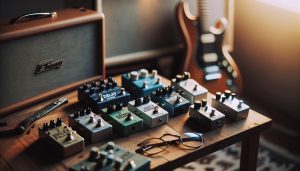
The electric guitar, a cornerstone of modern music, revolutionized sound and expression since its inception. Have you ever wondered how this iconic instrument came to be? Understanding the timeline of its invention not only highlights key historical innovations but also enriches your appreciation of the music it creates. From early prototypes to the electric wonders we see today, each milestone reflects the creative spirit of musicians and inventors alike. Whether you’re a budding guitarist or a seasoned player, knowing the roots of the electric guitar enhances your connection to the instrument and its rich legacy. Dive into the fascinating history behind the electric guitar’s invention and discover how it shaped musical genres across the globe.
The Evolution of the Electric Guitar: Key Milestones
The journey of the electric guitar is a fascinating tale of innovation, creativity, and cultural transformation. Originating from humble beginnings, the first electric guitars emerged in the 1930s, propelled by the quest to be heard over the clamor of big bands during the jazz era. The introduction of electromagnetic pickups, which convert string vibrations into electrical signals, marked a pivotal moment. This advancement enabled guitars to amplify their sound, leading to a dramatic evolution in both instrument design and playing style.
In 1931, George Beauchamp and Adolph Rickenbacker debuted the “Frying Pan,” a lap steel guitar that is considered one of the earliest electric guitars. This groundbreaking instrument set the stage for future developments, influencing iconic models like the Gibson ES-150-often credited as the first commercially successful electric guitar released in 1936. By the late 1940s and early 1950s, solid-body electric guitars, such as the Fender Telecaster and Gibson Les Paul, began to dominate the market, offering musicians unparalleled sustain and tonal clarity, which became instrumental in shaping rock and roll.
As the decades progressed, technological improvements further enhanced the electric guitar’s capabilities. The introduction of multi-pickup setups expanded tonal options, while effects pedals revolutionized sound manipulation. In the 1960s, artists like Jimi Hendrix showcased the instrument’s potential, integrating feedback and distortion into their performances, effectively altering music history. The electric guitar transformed from a mere instrument to a cultural icon, inspiring countless musicians across genres and generations, and solidifying its place in the very fabric of popular music.
Pioneers of the Electric Guitar: Influential Inventors
The electric guitar’s history is marked by the ingenuity and vision of several innovators who dared to transform musical expression. Among these pioneers, George Beauchamp and Adolph Rickenbacker stand out prominently. Their collaboration led to the creation of the “Frying Pan” in 1931, an instrument that not only changed the way guitars were played but also set a new standard for amplification in music. This lap steel guitar utilized electromagnetic pickups, a concept that would be central to the electric guitar’s evolution, enabling it to project sound that could compete with brass instruments in big bands.
Another significant figure, Les Paul, was instrumental in popularizing the solid body electric guitar. His design innovations, particularly the Gibson Les Paul, introduced in 1952, featured a sleek, contoured body and advanced pickup technology that allowed for greater sustain and versatility. Les Paul’s vision of combining traditional craftsmanship with modern technology inspired countless musicians and shaped the sound of rock music in the decades that followed. His pursuit of a unique tonal quality and recording techniques also demonstrated how the electric guitar could evolve through collaboration with technology.
As we delve deeper into the mid-20th century, other innovators like Leo Fender revolutionized guitar production with the introduction of models like the Fender Telecaster in 1951 and the Stratocaster in 1954. Fender’s commitment to mass production made electric guitars more accessible to a wider audience, democratizing musical expression and allowing emerging genres like rock and roll to flourish.
These trailblazers laid the foundation for the electric guitar as we know it today, redefining not only how music is played but also how it is perceived in popular culture. They embraced innovation, pushing the boundaries of what was possible, and their legacies continue to inspire musicians worldwide. Recognizing their contributions can deepen your appreciation for the instrument and encourage a connection to the rich history of the electric guitar.
The First Electric Guitars: A Closer Look
When it comes to the history of the electric guitar, the term “first electric guitars” evokes a sense of innovation and curiosity about how these instruments laid the groundwork for modern music. The journey began in the early 1930s when George Beauchamp and Adolph Rickenbacker introduced the “Frying Pan,” a lap steel guitar that forever altered the musical landscape. This groundbreaking instrument was among the first to employ electromagnetic pickups, a technology that amplified sound and allowed the guitar to be heard clearly in ensemble settings. As musicians adapted to this new instrument, it showcased an unprecedented ability to project sound, similar to that of brass instruments prominent in jazz bands at the time.
The real charm of the Frying Pan wasn’t just its revolutionary design-it also marked the beginning of electric guitars becoming widely accepted in popular music. The unique sound it produced attracted guitarists exploring new sonic possibilities, paving the way for subsequent innovations. By the mid-1930s, other companies began to experiment with electric guitar designs, each contributing to the evolution of the electric guitar. These models often varied in shape and style but shared a common goal: to enhance the guitar’s presence and versatility.
As demand for electric guitars grew, so did the variety of available models. The late 1930s saw significant advancements, such as the introduction of the first solid body electric guitars. Les Paul’s own trials with solid-body designs in the 1940s would ultimately lead to the creation of the Gibson Les Paul in 1952, which showcased not only innovation in design but also improvement in sustain and tone. Each of these milestones reflected musicians’ desires for greater expressiveness, shaping the electric guitar into the essential instrument it is today.
Understanding this early evolution highlights the collaborative spirit among inventors and musicians who pushed the boundaries of music. The influences of the initial electric guitars resonate throughout modern genres, from rock to jazz, indicating that the roots of contemporary music are deeply intertwined with the innovations of the past. It’s a testament to how far we’ve come, motivating both seasoned musicians and newcomers to delve deeper into the electrifying world of guitar playing.
The Role of Amplification in Electric Guitar Design
The electric guitar’s journey from a mundane stringed instrument to a powerhouse of sound is intricately linked to the development and integration of amplification. Initially, the acoustic guitar could easily lose its voice in ensemble settings, overshadowed by other instruments, particularly horns and drums. However, with the invention of electromagnetic pickups and the ensuing emergence of amplifiers, the electric guitar was freed from these constraints, enabling musicians to explore new realms of sonic expression.
Amplification fundamentally transformed the electric guitar’s design. Guitars were now equipped with pickups that converted string vibrations into electrical signals, which could be amplified to produce louder sound. This revolutionary change allowed for greater volume and tone manipulation, essentially reshaping the way musicians approached performance. The early amplifiers, often tube-based, provided not just increased volume but also a unique character to the tone, adding warmth and depth that many guitarists still seek today.
As technology advanced, so did the designs of both guitars and amplifiers. The introduction of solid-body guitars, like the iconic Fender Telecaster and Gibson Les Paul, was largely a response to the new possibilities offered by amplification. These instruments minimized feedback and allowed for more sustained sounds, letting guitarists express themselves in ways that were previously unattainable. Amplification wasn’t just about volume; it became a creative tool that shaped the very essence of genres like rock, blues, and jazz.
Moreover, the evolution of amplification technology didn’t stop with basic amp designs. As players sought out distinct tones, manufacturers began offering various effects and modeling amplifiers that could replicate the sounds of classic amps and even simulate different environments. This adaptability has led to the electric guitar becoming a staple in modern music, allowing musicians to diversify their sound palette and explore unlimited creative avenues.
In summary, cannot be overstated. It opened the door to a world where volume, tone, and creativity coalesce, making the electric guitar an integral part of the modern musical landscape. For guitarists of all levels, understanding the relationship between their instrument and its amplification can enhance performance and inspire innovation in their playing style.
Major Innovations in Electric Guitar Technology
The electric guitar, a revolutionary force in music, has seen a plethora of innovations that have shaped its evolution and impact on various genres. One pivotal moment was the introduction of the humbucker pickup in the late 1950s, created by Seth Lover at Gibson. This innovation addressed the problem of feedback and interference that plagued single-coil pickups, allowing guitarists to play at higher volumes without unwanted noise. The humbucker not only enhanced the electric guitar’s playability but also contributed to the thicker, warmer tones that dominate rock and blues music today.
Another significant leap in guitar technology occurred with the development of effects pedals in the 1960s. These devices allowed musicians to manipulate their sound in creative ways, from producing distortions to adding reverb, delay, and modulation effects. This period also saw the rise of iconic pedals like the Fuzz Face and Wah-Wah, which were used by legendary guitarists such as Jimi Hendrix and Eric Clapton. Effects pedals transformed the electric guitar from a straightforward instrument into a versatile sound generator, enabling musicians to craft unique audio landscapes and create signature sounds.
In recent years, advancements in digital technology have further revolutionized electric guitar technology. The emergence of modeling amplifiers and digital effects units allows players to replicate the sounds of classic amplifiers and effects with astounding accuracy. Musicians can now access a vast array of tones and textures without the bulk and expense of traditional gear. Additionally, innovations such as active pickups, which amplify the signal before it reaches the amplifier, deliver increased output and dynamic range, appealing to players who demand versatility and precision in their setup.
Lastly, the advent of modern materials and manufacturing techniques has also played a crucial role in electric guitar innovation. Carbon fiber and lightweight woods have become more common, offering improved durability and resonance. Manufacturers are increasingly using computerized distribution systems and CNC machining for greater consistency and precision in craftsmanship. These technological advances not only enhance the performance attributes of electric guitars but also make high-quality instruments more accessible to musicians at every level.
Through these innovations, the electric guitar continues to evolve, offering musicians unprecedented tools for expression. The best approach for guitar players is to remain curious and open to new technologies that can enhance their sound while exploring the deep historical roots and vintage gear that shaped the instrument’s legacy.
Electric Guitar Varieties: From Solid Body to Hollow Body
The electric guitar showcases a stunning diversity in its design, primarily reflected in the contrast between solid body and hollow body guitars. Each variety offers distinct tonal qualities, playability, and aesthetic appeal, making the choice of instrument deeply personal and influential in shaping a musician’s sound. Solid body guitars, such as the iconic Fender Stratocaster and Gibson Les Paul, are favored for their sustain and resistance to feedback, making them staples in rock, metal, and pop genres. They provide a focused sound with pronounced note clarity, allowing players to push their instruments to higher volumes without undesirable noise.
Conversely, hollow body guitars, including the classic Gibson ES-335, deliver a warmer, resonant tone that blankets the listener in a rich sonic landscape. These guitars are particularly beloved in jazz, blues, and rockabilly for their expressive, vibrant sound that reacts beautifully to subtle changes in playing dynamics. The construction of hollow body guitars facilitates a natural acoustic quality, often enhanced by their arched tops and f-holes. It’s crucial for players to consider their musical style when selecting between these types of guitars, as the body design can dramatically influence both the feel of the instrument and the tonal outcomes achievable.
For those looking to explore the nuances between these varieties, it’s beneficial to try out both types within a safe environment. Many music stores provide opportunities to play different models, enabling you to appreciate the textural differences firsthand. Additionally, consider your playing style: if you prefer aggressive strumming, a solid body might suit you best, whereas fingerpicking enthusiasts may find hollow bodies more responsive and expressive. By understanding the unique characteristics each type of electric guitar brings, musicians can make informed decisions that align perfectly with their artistic voices and performance needs.
The Impact of Electric Guitar on Music Genres
The electric guitar has fundamentally reshaped the landscape of music genres since its inception in the early 20th century. Its distinct sound and adaptability have made it a cornerstone of various musical styles, from rock and jazz to blues and country. With its ability to be amplified and altered through effects and modification, the electric guitar has given artists an unprecedented tool for expression and innovation. This transformation has not just influenced instrumentation but also the very way music is created and experienced.
In rock music, the electric guitar emerged as a symbol of rebellion and energy. Iconic riffs and power chords, pioneered by legends like Jimi Hendrix and Eric Clapton, became the anthems of a generation, driving the genre to global prominence. Its inviting tone and capacity for distortion allowed musicians to craft sounds that resonated with the emotional fabric of the times, shaping subcultures and movements. Bands like The Rolling Stones and Led Zeppelin utilized the electric guitar to explore themes of freedom and defiance, which resonated deeply with audiences.
Jazz also underwent a significant transformation thanks to the electric guitar. Artists like Wes Montgomery incorporated the instrument into the genre, bridging the gap between traditional acoustic sounds and modern styles. The electric guitar’s ability to sustain notes and produce harmonically rich tones facilitated new harmonic explorations, allowing for greater improvisational freedom. As a result, players could blend complex chord progressions with intricate soloing techniques, pushing jazz into exciting new territories.
Moreover, the electric guitar’s versatility has allowed it to thrive in genres like country, where it has contributed to the sound of classic and contemporary styles alike. With its twangy tones, the electric guitar has become essential in creating distinctive sounds synonymous with country music. Artists like Brad Paisley and Keith Urban showcase how the electric guitar can meld technical skill with heartfelt storytelling, making it a vital component in the genre’s evolution.
The relentless evolution of this instrument continues to influence contemporary music. New genres like metal and pop continue to adapt and harness the electric guitar’s capabilities, introducing innovative techniques and effects that expand its potential further. As musicians seek to forge unique sounds, the electric guitar remains a pivotal tool in the creative process, demonstrating that its impact on music genres is both profound and enduring. Embracing the electric guitar allows musicians not only to connect with the musical past but also to shape its future, inspiring countless other artists along the way.
The Rise of the Electric Guitar in Popular Culture
The electric guitar’s ascendance into popular culture marks a transformative shift not just in music, but also in the broader landscape of global entertainment and youth identity. From the moment it burst onto the scene in the late 1930s and early 1940s, this instrument transcended its functional role, evolving into an emblem of cultural rebellion and expression. Iconic figures like Chuck Berry introduced the electric guitar as a dynamic force in rock and roll, turning its unique sound into the soundtrack of a generation. Songs like “Johnny B. Goode” showcased the instrument’s captivating possibilities, cementing its status in the hearts of fans and aspiring musicians alike.
As the electric guitar became synonymous with the youth movement of the 1960s and 70s, its visual and auditory presence on stage and in media amplified its allure. Rock legends such as Jimi Hendrix and Eric Clapton not only pushed the boundaries of guitar technique but also influenced fashion, language, and lifestyle. Guitarists wielded their instruments as extensions of their personalities, embodying the spirit of an age defined by change and challenge. This cultural phenomenon created a canvas for new forms of artistic expression, where the electric guitar became a means for musicians to engage with social issues, politics, and personal narratives.
The influence of the electric guitar continued to permeate popular culture through the rise of subcultures and new genres. Punk, metal, and grunge harnessed its raw power, while the instrument remained at the forefront in shaping alternative music scenes. Bands like Nirvana and Metallica utilized powerful riffs and innovative sounds, reflecting the angst and aspirations of the times. As the technology evolved, so did the electric guitar. Innovations like effects pedals and digital amplifiers expanded its sonic palette, allowing musicians to experiment with soundscapes that further enriched the music scene.
Today, the electric guitar holds a sacred place in popular culture, showing no signs of waning in its relevance or appeal. It continues to inspire generations, with accessible online tutorials and communities thriving, encouraging beginners to pick up the instrument. Quality and affordability of gear have also democratized access, allowing young musicians from diverse backgrounds to explore their creative potential. As guitar icons evolve and new genres materialize, the electric guitar remains a unifying force, strumming the chords of culture across the globe and fostering an enduring legacy of innovation and connection.
Electric Guitar Manufacturing: From Early Craftsmanship to Modern Production
The journey of electric guitar manufacturing reflects a fascinating evolution from artisanal craftsmanship to sophisticated industrial production. In the early days of electric guitars in the 1930s, the instruments were handmade by skilled luthiers who meticulously crafted each component-wood choices, pickups, and finishes were all hand-selected to create unique sounds. Innovations like the hollow body design were experimented with by pioneers such as George Beauchamp and Adolph Rickenbacker, leading to the very first commercially successful electric guitars, like the Rickenbacker “Frying Pan.”
With the rise of consumer demand and the growth of popular music in the 1950s and 1960s, manufacturers began to streamline production processes. Companies like Fender and Gibson adopted assembly line techniques, which not only improved their efficiency but also made guitars more affordable and widely available. This transition marked a significant shift in manufacturing practices, allowing for the creation of iconic models such as the Fender Stratocaster and Gibson Les Paul. These designs remain benchmarks for quality and sound, showing how early innovations influenced the modern guitar landscape.
In recent decades, technology has further transformed guitar manufacturing. Computer numerical control (CNC) machines automate cutting and shaping, ensuring precision while allowing for intricate designs. Advances in materials have also played a crucial role, with manufacturers exploring synthetic woods and composite materials that offer durability and consistent tonal qualities. Additionally, modern guitar makers are increasingly utilizing environmentally-friendly practices, focusing on sustainability without compromising quality.
As a musician navigating the wide array of options, it’s essential to understand how each manufacturing process affects tonal characteristics and playability. Whether you’re drawn to the warmth of a vintage model or the clarity of a modern design, recognizing these differences will empower your choice when investing in an instrument. Engage with materials, finishes, and the craftsmanship of each guitar, empowering yourself to make informed decisions that cater to your personal style and musical pursuits.
Important Brands and Models Through History
Throughout the history of the electric guitar, several brands and models have emerged as cornerstones, shaping the instrument and influencing countless musicians around the globe. It’s fascinating to note that electric guitars were not merely creations of sound; they became cultural icons and symbols of various musical movements. Understanding the legacy of these brands helps aspiring guitarists make informed choices about their instruments.
One of the pivotal brands in electric guitar history is Fender, known for its iconic models such as the Stratocaster and Telecaster. The Stratocaster, introduced in 1954, has become a favorite among a diverse range of musicians due to its contoured body and versatile sound. Notably, legends like Jimi Hendrix and Eric Clapton have made it their signature instrument. The Telecaster, which predates the Stratocaster by a few years, is celebrated for its bright, cutting tone and simplicity, making it a staple in genres from country to rock.
Equally influential is Gibson, renowned for models like the Les Paul and SG. The Les Paul, developed in collaboration with jazz guitarist Les Paul in the early 1950s, is revered for its rich tone and sustain, making it a favorite among rock and metal guitarists. Its heavy body and powerful humbucking pickups contribute to its warm sound. The SG, on the other hand, is appreciated for its lightweight feel and aggressive tone, adopted by rock giants such as Angus Young of AC/DC.
Beyond Fender and Gibson, the Rickenbacker brand made significant contributions with its distinctive-shaped guitars, notably the Rickenbacker 360. Known for its jangly, bright sound, it became a hallmark in the world of rock and pop, favored by bands like The Beatles and The Byrds. Another key player is Ibanez, which gained popularity in the 1980s with models such as the RG series, tailored for metal and progressive rock musicians, thanks to its fast necks and high-output pickups.
Understanding these pivotal brands and their landmark models not only enriches your appreciation of the electric guitar’s evolution but also empowers you to choose the right instrument that resonates with your musical style. Each model carries its own story and tonal identity, reflecting the diverse landscape of music genres from jazz to rock, and continues to inspire new generations of players.
Understanding the Timeline: Key Dates and Events
The electric guitar’s journey is marked by pivotal moments that shaped its evolution and solidified its role in modern music. Understanding the timeline of key events not only lights a path for enthusiasts to appreciate the instrument’s significance but also provides crucial insights for aspiring musicians seeking to navigate its rich history and development.
In the early 1930s, George Beauchamp and Adolph Rickenbacker introduced the first commercial electric guitar, the “Frying Pan,” which set the foundation for future innovations. By 1936, Gibson created the first solid body electric guitar, the ES-150, which became a favorite among jazz musicians. The 1950s heralded a golden age for the electric guitar with the launch of iconic models. Fender released the Telecaster in 1951, followed by the Stratocaster in 1954, both of which transformed popular music.
The 1960s witnessed further diversification in guitar design, particularly with the popularity of the Rickenbacker 360 and the Gibson Les Paul. The introduction of solid-body designs allowed guitarists to explore a variety of genres, from rock to blues. Fast forward to the 1970s and 1980s, and innovation continued with brands like Ibanez, which specialized in faster necks and high-output pickups to cater to the burgeoning metal scene.
The timeline of the electric guitar is not just a recount of dates; it reflects cultural shifts and technological advancements that continue to influence today’s musicians. As we look toward the future, trends in digital technology and sustainable manufacturing practices are likely to further redefine electric guitar production and design. Musicians can draw inspiration from this history, embracing the electric guitar’s legacy while exploring new possibilities in their musical journeys.
The Future of the Electric Guitar: Trends and Predictions
As technology continues to evolve, the future of the electric guitar looks remarkably promising, driven by innovations that not only enhance performance but also make playing more accessible to a broader audience. Among the most notable trends is the rise of digital technology in guitar design and functionality. Digital signal processing (DSP) allows guitarists to manipulate their sound in unprecedented ways, offering effects and tonal options that were previously only accessible through complex pedalboards. Software-based amp simulations and plugin technology mean that musicians can record high-quality tracks from the comfort of their own homes without sacrificing authenticity.
Another significant trend is the integration of smart technology into electric guitars. Instruments equipped with built-in tuners, metronomes, and even lessons via apps are making learning and practicing easier than ever. Some brands are incorporating Bluetooth connectivity, allowing players to customize their sound settings directly from their smartphone. This merging of traditional craftsmanship with modern tech helps bridge the gap for beginners and invites seasoned musicians to experiment with new tools.
Sustainability is also becoming increasingly important in electric guitar manufacturing. Consumers are more conscientious about the environmental impact of their choices, leading manufacturers to innovate with eco-friendly materials and processes. For instance, responsible sourcing of woods and utilizing sustainable alternatives like bamboo or composite materials are making their way into guitar production. This shift not only addresses ecological concerns but also opens up new possibilities for sound and aesthetics.
Looking ahead, it is evident that the electric guitar will continue to adapt to the changing landscape of music and technology. As a player, keeping an eye on these trends can provide valuable insights that will enhance your playing experience and inspire creativity. Whether you’re a beginner exploring your musical path or an experienced guitarist wanting to stay ahead in your craft, these advancements signify a future filled with exciting opportunities that can enrich your musical journey.
Frequently asked questions
Q: What are the key milestones in the evolution of the electric guitar?
A: The electric guitar’s evolution includes key milestones such as the creation of the first electric guitar by George Beauchamp in 1931, the introduction of the solid body guitar by Leo Fender in the 1940s, and advancements in amplification and pickup technology that shaped modern designs. For more details, see “The Evolution of the Electric Guitar: Key Milestones.”
Q: Who were the main innovators behind the electric guitar’s development?
A: Pioneers like George Beauchamp, Adolph Rickenbacker, and Leo Fender significantly influenced electric guitar design. Beauchamp’s early models laid the groundwork, while Fender’s solid body guitar revolutionized production and sound. Explore more in the section “Pioneers of the Electric Guitar: Influential Inventors.”
Q: How did the electric guitar impact different music genres?
A: The electric guitar transformed genres like rock, blues, and jazz, allowing for greater musical expression and new sounds. It became essential in the 1950s and beyond, shaping popular music’s direction. Read more in “The Impact of Electric Guitar on Music Genres.”
Q: What technological innovations shaped the electric guitar?
A: Major innovations include the development of humbucker pickups, advanced amplification techniques, and digital effects. These innovations enhanced sound versatility and playability, leading to diverse musical styles. For specifics, check “Major Innovations in Electric Guitar Technology.”
Q: What is the timeline of significant events in electric guitar history?
A: Key events include the invention of the first electric guitar in 1931, the introduction of the solid body guitar in the 1940s, and notable advancements in electronics throughout the 20th century. For a detailed timeline, refer to “Understanding the Timeline: Key Dates and Events.”
Q: What types of electric guitars are there?
A: Electric guitars primarily fall into solid body, semi-hollow, and hollow body categories. Each type offers unique sound and playability characteristics, tailored to various musical styles. Learn more in “Electric Guitar Varieties: From Solid Body to Hollow Body.”
Q: Why is amplification important for electric guitars?
A: Amplification significantly enhances the sound and volume of electric guitars, allowing them to be heard in larger venues. It also shapes their tonal characteristics, making it crucial for performance. Discover more in “The Role of Amplification in Electric Guitar Design.”
Q: What are the most influential electric guitar brands and models?
A: Brands like Fender, Gibson, and Ibanez have produced iconic models such as the Fender Stratocaster and Gibson Les Paul, each contributing to musical history. For insights, explore “Important Brands and Models Through History.”
In Retrospect
The invention of the electric guitar marked a pivotal moment in music history, shaping genres from rock to jazz. Understanding its timeline not only enriches your appreciation of music but also guides you in exploring guitar techniques and iconic songs that have defined its legacy. Don’t miss the chance to enhance your skills-check out our tutorials on tuning methods and essential gear reviews to elevate your playing.
One major step in your journey could be subscribing to our newsletter for the latest tips and insights. If you’re curious about guitar maintenance or looking for the best buying advice tailored to your skill level, dive deeper into our comprehensive guides. Keep exploring, and let us know your thoughts or questions in the comments below. Remember, every great guitarist started somewhere, and your next breakthrough is just a click away!