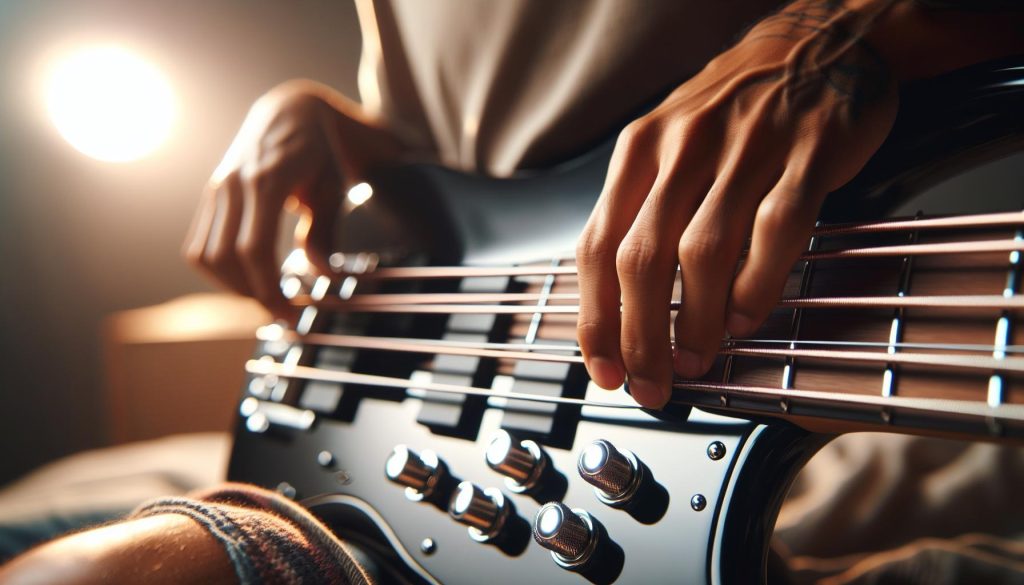
Drop tuning on bass is a transformative approach that allows musicians to achieve a deeper, more powerful low end, enhancing the tonal diversity of their playing. By lowering the pitch of one or more strings, you can create heavier riffs and richer harmonies that resonate well in various musical genres. For many bassists, the allure of drop tuning lies not just in the sound, but also in the unique ability to explore new creative possibilities in their songs.
If you’ve ever felt your bass lines lacked the weight needed to cut through a mix or simply want to expand your musical horizons, drop tuning could be your answer. This technique is not just for heavy metal or rock; it can infuse any genre with an exciting layer of depth. As you venture further into the world of drop tuning, you’ll discover not only the technical aspects but also tips on gear selections and practical applications that cater to your style. Ready to unlock the potential of your bass? Let’s dive deeper into the mechanics and benefits of drop tuning and how it can elevate your playing to new heights.
What is Drop Tuning for Bass Guitars?

Drop tuning on bass guitars refers to the practice of adjusting the tuning of one or more strings to a lower pitch than standard tuning. This technique not only alters the tonal characteristics of the instrument but also opens up a vast array of possibilities for playing styles and genres. The most common drop tuning is Drop D, where the lowest string is tuned down from E to D, resulting in a tuning of DADG. This shift enables bass players to play power chords and create a heavier, more resonant sound while maintaining familiar finger positions for scales and riffs.
One of the standout benefits of drop tuning is the enhanced low-end response it provides. For genres that rely heavily on deep bass lines-such as metal, rock, and even jazz-this tuning allows musicians to deliver a more impactful sound. The lower tension on the strings can also facilitate bends and slaps, giving the player greater expressiveness. Furthermore, by tuning down, bassists can match the lower range typically utilized by guitarists in drop tunings, creating a cohesive sound across the band’s instrumentation.
In addition to Drop D, there are several other drop tunings worth exploring, including Drop C, where the bass is tuned to CGCF. This particular tuning is prevalent in heavy metal genres and allows for a rich, powerful harmonic foundation. As bassists experiment with different drop tunings, they may discover fresh ways to approach their playing, whether that involves crafting new bass lines or reinterpreting existing ones. Ultimately, the versatility and depth of sound achieved through drop tuning make it an essential technique for any bassist looking to expand their musical repertoire.
Benefits of Drop Tuning for Low-End Sound

The thrill of playing in drop tuning is particularly palpable for bassists searching for that rich and powerful low-end sound that can transform their music. When the bass strings are tuned lower-like in Drop D or Drop C-players experience an immediate and profound change in both tone and playability. This tuning opens up a universe of sonic possibilities, allowing players to explore deeper, weightier bass lines that can resonate beautifully with the rest of the band, especially in styles such as metal, rock, and jazz.
One of the primary advantages of drop tuning is its ability to enhance low-end response. The lower tension on the strings enables notes to resonate more fully, providing a fuller, more robust sound. This is particularly beneficial in genres that emphasize heavy bass, where the low-end serves as the foundation of the music. For instance, players can achieve a booming, sonorous effect that blends seamlessly with distorted guitar riffs, creating a powerful sonic landscape. Moreover, bassists can leverage this tuning to mimic power chords, utilizing familiar finger positions while breaking from the constraints of standard tuning.
Another crucial benefit is that drop tuning allows for greater expressiveness and versatility. With access to lower registers, players can easily incorporate techniques such as bends and slaps, enhancing their performance’s dynamism. This increased flexibility not only contributes to a more varied playing style but also invites creativity in crafting new melodic lines. By drawing on the harmonics available in lower tunings, bassists can carve out distinct sounds that differentiate their playing in a crowded musical space.
Ultimately, drop tuning equips bassists not only with a deeper sound but also with the tools to experiment and innovate within their craft. As musicians delve into various drop tunings, they can foster a unique approach to songwriting and performance, making it an invaluable technique for those aiming to unlock a more profound, powerful low end. Embrace these tuning methods, and you’ll likely discover a new dimension to your playing that resonates with audiences and inspires your musical journey.
Different Types of Drop Tunings Explained
Exploring the world of drop tunings reveals a variety of options that can enrich a bassist’s musical expression. Each tuning serves its unique purpose, catering to different genres and playing styles, which can ultimately enhance both tone and technique. Here’s a closer look at some of the popular drop tunings and their unique characteristics:
Drop D Tuning
In Drop D tuning, the lowest string (usually E) is tuned down a whole step to D, while the other strings (A, D, G) remain the same. This tuning allows bassists to play power chords with ease-simply barring across the second fret of the bottom two strings. It’s a popular choice in rock and metal, where aggressive, heavy sounds are often sought after. Songs such as “Smells Like Teen Spirit” by Nirvana exemplify the use of Drop D, providing a gritty texture that complements distorted guitars effectively.
Drop C Tuning
Moving to Drop C tuning, the lowest string is lowered two whole steps to C. The other strings are then adjusted accordingly: A becomes G, D becomes C, and G remains the same. This tuning offers an even deeper tonal foundation, making it especially favored in heavy metal and post-hardcore music. The iconic sound of artists like Avenged Sevenfold showcases the expansive range provided by Drop C, enabling musicians to delve into heavy riffs while still maintaining clarity.
Drop B Tuning
Taking it a step lower, Drop B tuning sees the lowest string tuned down to B, with the other strings being tuned to F#, B, E, and G while following the same intervals. This tuning is particularly popular in genres where bone-rattling lows are essential. Bands like Lamb of God have utilized this tuning to achieve a powerful, brooding sound that resonates with fans, enhancing the auditory experience of their music.
Drop A Tuning
For those even more ambitious, Drop A tuning lowers the bass to A, maintaining the intervals similar to Drop D. The other strings are tuned to E, A, D, and G. This tuning opens a realm of possibilities for extremely low bass lines, often heard in genres like doom metal and certain types of experimental music. The unique sound produced through Drop A can create a haunting atmosphere that captivates audiences and adds depth to the overall mix.
The choice of drop tuning is not just about tuning the bass lower; it’s a pathway to exploring new musical realms. Each drop tuning carries its flavor and character, offering bassists a plethora of options to craft their unique sound, whether it’s the crushing weight of Drop B or the melodic possibilities of Drop D. Embracing these tunings can significantly enhance a bassist’s versatility, allowing for a wider range of musical techniques and emotional expressions.
Setting Up Your Bass for Drop Tuning
involves several key adjustments to ensure optimal playability and sound. The transition from standard tuning to a drop tuning-like Drop D or Drop C-can significantly affect the tension and overall feel of the strings. Before you dive into the specifics of the setup process, it’s essential to acknowledge that making these adjustments can not only enhance your instrument’s performance but also inspire creativity as you explore deeper, grittier tones.
Begin by evaluating your current string gauge. Heavier gauge strings are often recommended for drop tunings because they better withstand the reduced tension that comes from tuning down, which can lead to a flabbier sound from lighter strings. Consider strings labeled as “drop tuning” or “heavy bottom” to maintain clarity and prevent excessive buzzing. Additionally, when switching gauges, it’s wise to adjust your setup-especially the truss rod, action, and intonation-to accommodate the heavier strings and altered tension.
Next, pay attention to your setup specifics:
- Neck Relief: Tune your bass down to your desired drop tuning, then check the neck relief by fretting the first and last frets of the lowest string and measuring the gap at the 8th fret. Adjust the truss rod accordingly to achieve the preferred curvature.
- Action Height: Setting the action too low can lead to fret buzz, while too high makes playing uncomfortable. Experiment with the bridge saddles to find the sweet spot that balances playability with tone.
- Intonation: With the strings tuned down, the intonation might shift. Use a tuner to ensure each string’s 12th fret note matches its open note, making adjustments at the bridge as needed.
Finally, consider using a hipshot bridge or a drop tuner (also known as a drop D tuner) for easier adjustment on the fly. These tools allow you to switch between standard tuning and a drop tuning without needing to retune each time, which can be invaluable during live performances or recording sessions.
By investing these few moments into setting up your bass correctly for drop tuning, you’ll unlock a powerful low end that enhances your playing experience and expands your musical possibilities. Embrace the deep, resonant sounds of drop tuning, and let it take your playing to a new level of expression.
Step-by-Step Guide: How to Drop Tune Your Bass
To drop tune your bass effectively, follow a systematic approach that accommodates changes in string tension and tonal integrity. Understanding the steps involved will empower you to explore deeper, more powerful sounds that drop tuning offers.
Start by selecting your desired drop tuning. For example, in Drop A tuning, you would tune your lowest string down to A, resulting in a tuning sequence of A-E-A-D for a four-string bass. With this in mind, take the following steps to drop tune your bass accurately:
- Tune Down the Strings: Begin by loosening the tension of your strings and tuning the lowest string down to your chosen note. Use a tuner for precision to ensure that each string is accurately tuned down for consistent sound quality.
- Adjust Neck Relief: After tuning, check the neck relief. Fret the first and last frets of the lowest string and measure the gap at the 8th fret. This adjustment is critical because drop tuning can affect the neck’s curvature. If necessary, adjust the truss rod to accommodate the new tension.
- Set Action Height: Playability is crucial, especially when using lighter touch techniques. If you notice fret buzz, raise the action by adjusting the bridge saddles. Find a balance between low action for comfort and higher action to prevent buzzing.
- Check Intonation: With the strings now in drop tuning, you need to adjust the intonation. Using a tuner, ensure that the note at the 12th fret matches the open note. If not, make adjustments at the bridge saddles accordingly.
- Test Playability: Once all adjustments are made, play a few scales and chords to check how the bass feels. You might want to experiment with various techniques, like palm muting or slap bass, to discover how they translate at lower tunings.
- Consider Upgrades: For easy tuning adjustments during performances, consider adding a hipshot bridge or a drop tuner. These tools allow you to switch tunings with ease, enabling quick transitions between standard and drop tuning.
By following these steps, you will effectively drop tune your bass while ensuring that it remains comfortable and sounds its best. Embrace the journey of crafting richer tones that this tuning can bring to your music!
Choosing the Right Strings for Drop Tuning
is crucial to achieving that deep, resonant low-end sound without compromising tone quality or playability. When you lower the tuning of your bass, the tension on the strings changes significantly, which can impact everything from tonal clarity to your instrument’s setup. Selecting strings designed for lower tunings can lead to a more satisfying playing experience.
One critical factor to consider is the string gauge. Heavier string gauges (typically .050 and above for the lowest string) offer increased tension and can maintain better tonal stability when tuned down. This is particularly important in drop tunings, where lighter strings may feel too slack, leading to a flabby sound and potential fret buzz. Many bass players prefer a balanced set of strings that correspond to the dropped tuning, ensuring they feel even under the fingers and offer rich harmonics.
Another important aspect is the string material. Nickel-plated steel offers a warm tone that accommodates various genres, while stainless steel strings can provide a brighter sound and added durability, especially beneficial for aggressive playing styles often associated with drop tuning. Some brands even offer specific strings like the DDT™ Drop Down Tuning Bass Strings, which are engineered with a hexagonal core and stainless-steel wrap wire, offering improved stability and intonation across a range of tensions[1[1].
Finally, consider experimenting with different string brands and combinations. Each brand has its unique tonal characteristics and response. Players often find that mixing gauges or using specialized sets can yield surprising results, allowing for greater expressiveness and powerful low-end sounds that resonate well in various music styles. By carefully choosing your strings, you can unlock the full potential of drop tuning and enhance your overall playing experience.
Popular Songs That Utilize Drop Tuning
Songs that employ drop tuning on bass are often revered for their rich, powerful low-end sound, making them a staple in various music genres, particularly in rock, metal, and alternative music. The heavier sound achieved by utilizing lower tunings can instantly transform a track, allowing bassists to create lines that resonate deeply with the listener.
Several popular songs showcase the compelling use of drop tuning. For instance, “My Own Summer (Shove It)” by Deftones features a distinctive bass line that benefits from the powerful resonance of drop C tuning. Similarly, “Seven Nation Army” by The White Stripes, while primarily associated with guitar, has a bass line that complements the iconic riff in drop tuning, providing a formidable low-end presence that adds to the song’s intensity.
Other songs worth mentioning include “Down with the Sickness” by Disturbed and “The Pot” by Tool, both of which leverage drop tunings to enhance their rhythmic and melodic complexity. The flexibility of drop tuning allows bassists to experiment with various intervals and notes, enabling the creation of memorable hooks and grooves that can elevate the entire piece.
Exploring these tracks not only serves as inspiration but also provides practical examples for players looking to incorporate drop tuning into their own music. Listeners and musicians alike can appreciate how these compositions effectively utilize the depth and dynamism afforded by changing standard tuning, ultimately contributing to the defining sound of contemporary music.
Gear Recommendations for Drop Tuned Bass
For bassists venturing into the realm of drop tuning, selecting the appropriate gear can significantly enhance your playing experience and sound quality. Choosing the right bass, strings, and amplifier settings is essential to truly unlock the deep, powerful low end that drop tuning offers. Whether you’re aiming for that resonant growl in a heavy metal context or a thicker, more melodic tone in alternative music, the following recommendations will serve as a solid foundation.
A key consideration is opting for a bass that is designed to handle lower tunings effectively. Instruments with a longer scale length (typically 35 inches) provide better tension and clarity at lower pitches. Look for models specifically designed for drop tuning, such as the Ibanez SR series or the Music Man StingRay, known for their solid build and versatility. Additionally, a five-string bass can be beneficial as it offers a wider range and allows for added depth in your sound, expanding beyond the standard four-string limitations.
When it comes to strings, lighter gauges are often preferable for drop tuning. They allow for easier bending and quicker transitions while maintaining tension. Consider using a set of strings designed for lower tunings, like D’Addario EXL165 or Ernie Ball’s Bass Slinky, which include a .130 low B string that maintains clarity even when tuned down. It’s also advisable to experiment with different materials, such as nickel or stainless steel, to see which provides the tone and feel that you prefer.
Besides hardware, it’s crucial to pay attention to your amplification setup. An amp that can handle lower frequencies without distortion will help preserve the richness of your drop-tuned sound. Bass amplifiers from brands such as Ampeg or Markbass often come with EQ controls suited for emphasizing low end frequencies. Make use of these features to create a fuller sound, especially when playing with a band, as lower tunings can sometimes cause notes to get lost in the mix.
Lastly, consider incorporating effects such as a compressor or an octave pedal to further enhance your low-end sound. A compressor will help even out the dynamics, providing a more controlled response, while an octave pedal can add depth and richness, allowing for creative exploration of your bass lines. By carefully selecting your gear, you can take full advantage of drop tuning’s potential, delivering a sound that is both powerful and resonant.
Advanced Techniques for Drop Tuned Bass Players
Exploring advanced techniques for drop-tuned bass players can unlock a whole new dimension of sound and creativity. As you delve deeper into the intricacies of drop tuning, you’ll find that the lower registers not only enrich your tone but also open up unique opportunities for expression and rhythmic exploration. Here are some advanced methods to elevate your playing.
Utilizing Harmonics
One powerful technique involves employing harmonics. In drop tuning, the lower notes can provide a rich backdrop for harmonic overtones. Find the sweet spots on your fretboard, often around the 5th, 7th, and 12th frets, to create harmonic textures. Experiment with both natural and artificial harmonics to layer sounds; this can add an ethereal quality to your music, especially when combined with effects like reverb or delay.
Slap and Pop Techniques
Slap and pop techniques work exceptionally well in lower tunings. The drop tuning allows you to hit those low notes with more aggression, producing a percussive attack. Focus on incorporating fast, rhythmic slaps and pops into your lines to create a more dynamic sound. Practice alternating between slapped and plucked notes to maintain a groove, adding complexity without sacrificing clarity.
Chord Voicings and Power Chords
While drop tuning typically emphasizes single note play, don’t shy away from using chords. Experiment with power chords and partial voicings, which sound particularly potent in lower tunings due to increased resonance. Try using fingerstyle to pluck multiple strings at once, creating fuller chords that enhance the harmonic texture of your playing. Drop A tuning, for example, lends itself well to these richer voicings, allowing a powerful mix between melody and rhythm.
Songwriting Approaches
As you explore songwriting, consider how lower tunings can change your composition’s feel. Initially, experiment by writing riffs or bass lines that capitalize on the tonal characteristics of drop tuning. Play around with timings and syncopations, allowing your bass to play a rhythmic role that supports the rest of the band while leading melodic lines. Utilizing techniques like call-and-response patterns can also create engaging interactions between instruments.
By merging these techniques into your playing, you create a signature sound that leaves a lasting impact. Embrace the creative possibilities that drop tuning offers, and don’t hesitate to experiment beyond traditional methods. Each practice session is an opportunity to discover new facets of your musical identity, so let the low-end tones guide you to new artistic heights.
Common Challenges in Drop Tuning and Solutions
The journey into drop tuning can be filled with both excitement and challenges. While the deep, powerful sound it provides is enticing, many players encounter common issues when adjusting to lower tunings. One of the most prevalent challenges is maintaining intonation. As you tune down, especially to extreme drop tunings like Drop A, the tension on the strings changes, potentially leading to intonation issues across the fretboard. This can cause notes played higher up the neck to sound sharp or flat. To combat this, regular setup adjustments, including neck relief and action height, are essential. It can also be beneficial to use a tuner that allows you to check your intonation up the neck to ensure your setup remains precise.
Another issue players face is string tension. Drop tuning often requires different string gauges to achieve the best tone without excessive flabbiness. Many players report that standard light-gauge strings may feel too loose and muddy in drop tuning. Upgrading to a heavier gauge or choosing specialized strings, like DDT™ Drop Down Tuning Bass Strings, which are designed for stability and intonation under lower tensions, can greatly enhance playability and sound quality [[1]].
Lastly, familiarizing yourself with fingering and chord shapes in lower tunings can be a steep learning curve. Chord forms and finger positions for standard tuning often do not translate directly into drop tunings, which can lead to frustration. To address this, practice playing scales and arpeggios regularly in your new tuning. Visual aids and practice apps can help accelerate your learning curve, and don’t hesitate to adapt exercises and songs you already know to build your comfort level in drop tuning.
Embracing these challenges will empower you as a player. With patience and practice, you can unlock the rich musical landscapes that drop tuning offers, making your bass lines resonate with depth and clarity.
Maintaining Your Bass in Drop Tuning Setup
To truly enjoy the depths that drop tuning brings to your bass lines, maintaining your instrument in its tuned state is crucial. A common misconception is that once you drop-tune your bass, you can simply leave it as is. In reality, drop tuning introduces several variables that can affect your bass’s playability, sound, and overall condition. Regular maintenance and thoughtful adjustments are necessary to ensure that your bass remains in top form.
One of the most important aspects to focus on is intonation. Since you’re tuning down, the tension on your strings changes, which can influence how the notes sound across the fretboard. To maintain accurate intonation, you should regularly check and adjust your bridge saddles. This ensures that your bass stays in tune not only open but also when fretting notes higher on the neck. Some players find it helpful to invest in a high-quality electronic tuner that can help verify intonation adjustments more easily.
Another factor that often goes overlooked is neck relief. As you tune down to lower pitches, the neck can bow or warp slightly, affecting string height and playability. It’s essential to check your neck relief and make adjustments as needed using the truss rod. A slight adjustment can make a significant difference in preventing fret buzz and maintaining comfortable string action. If you’re unsure how to adjust the truss rod, consider consulting with a professional technician or following a reputable guide.
For optimal sound, contemplate the strings you’re using. Drop tuning can lead to flabbiness if you use standard gauge strings, so opting for heavier gauge strings or specialized drop-tuned strings is highly recommended. These can help you maintain tension while playing lower frequencies, enhancing tone and articulation. Mix and match brands and types until you find the perfect set that feels comfortable and sounds great.
In summary, maintaining your bass setup in drop tuning isn’t a one-time task; it requires ongoing attention and adjustments to keep things sounding their best. By closely monitoring intonation, neck relief, and string quality, you can continue to unleash the powerful low-end resonance that drop tuning offers while ensuring your instrument remains a joy to play.
Exploring Drop Tuning’s Influence on Music Genres
Drop tuning has a profound impact on various music genres, enriching their sound and allowing bass players to explore new creative avenues. From metal to reggae, this tuning technique provides a depth and heaviness that enhances the groove and overall sonic texture of the music. For instance, in heavy genres such as metal and hard rock, drop tuning allows bassists to play power chords and aggressive riffs with a more resonant and fuller sound. Artists like Slipknot and Tool utilize drop tuning extensively, laying a solid foundation that complements their intense guitar work, resulting in thunderous performances.
In alternative rock and grunge, drop tuning also plays a key role, enabling bassists to create a darker and moodier atmosphere. Bands like Soundgarden and Nirvana have harnessed the power of drop tuning to craft bass lines that are not only heavy but also ethereal, providing an expansive tonal range that punctuates their emotive lyrics. The lower notes allow for more expressive playing, adding a layer of complexity that pulls the listener deeper into the musical narrative.
Beyond these genres, drop tuning has found its place in more melodic styles such as reggae and funk. In reggae, the deep, resonant bass lines anchor the rhythm, supporting the guitar and drums while creating a warm, inviting sound. Players like Aston “Family Man” Barrett have mastered the art of drop tuning to craft bass lines that are both syncopated and fluid, blending seamlessly with the groove. Similarly, in funk, the technique allows bassists to explore slap and pop techniques, facilitating a percussive style that drives the music forward, enhancing the danceability of tracks.
Ultimately, drop tuning opens a world of possibilities for bass players across genres. By adopting this technique, musicians can enrich their soundscapes, add power to their riffs, and enhance their creative expression. The depth and resonance achieved through drop tuning enable a connection with the audience that is both visceral and profound, marking its significance in the evolution of modern music. Embracing drop tuning not only transforms a bass line but can also redefine the musical landscape itself, inviting players to explore and innovate with every turn of the tuning peg.
Frequently asked questions
Q: What are the main types of drop tunings for bass guitars?
A: The main types of drop tunings include Drop D (D-A-D-G), Drop C (C-G-C-F), and Drop A (A-E-A-D). Each tuning lowers the lowest string, creating a heavier sound and different chord voicings, allowing for versatile playing styles and easier access to power chords.
Q: How does drop tuning affect string tension and playability?
A: Drop tuning decreases string tension on the lower strings, which can make them feel slacker and easier to bend. This can aid in playability but may also require a slight adjustment in technique and setup to maintain optimal sound and feel, particularly for heavier gauge strings.
Q: Can I use standard bass strings for drop tuning?
A: Yes, you can use standard bass strings for drop tuning, but you may experience increased fret buzz or tuning instability. It’s often recommended to select thicker gauge strings designed for drop tuning to accommodate lower tension and maintain tone and pitch precision.
Q: What genres of music commonly use drop tuning on bass?
A: Drop tuning is prevalent in genres like metal, hard rock, and punk. The heavier sound produced by lower tunings complements aggressive styles, allowing bass players to create powerful riffs and maintain sync with guitarists also using drop tuning.
Q: How can I ensure my bass stays in tune when using drop tuning?
A: To ensure your bass stays in tune with drop tuning, regularly check and adjust the tuning, use high-quality tuners, and consider using locking tuners or a stable bridge system. String quality and maintenance also play a crucial role in tuning stability.
Q: What is the best way to learn songs in drop tuning?
A: The best way to learn songs in drop tuning is to familiarize yourself with the specific tuning first. Use online tabs or video tutorials that match the tuning, and start with simple riffs to gradually build your confidence with the new fret layouts.
Q: Are there any common issues with drop tuning?
A: Common issues with drop tuning include string buzz, decreased sustain, and intonation problems. Adjusting the truss rod, bridge height, and nut slots can help resolve these issues. Regular maintenance ensures your bass performs its best in drop tuning.
Q: How can I transition from standard tuning to drop tuning smoothly?
A: Transitioning from standard to drop tuning involves practicing the new fingerings and voicings. Take your time to adjust to the changes in string tension and pitch. Gradually incorporate drop-tuned pieces into your practice routine to build comfort and proficiency.
To Conclude
Now that you’ve delved into the powerful world of drop tuning on bass, it’s time to explore its vast possibilities further. By tuning your instrument down, you unlock that deep, resonant sound that adds a new dimension to your music. Whether you’re looking to experiment with heavier genres or simply enhance your harmonic options, drop tuning can be a game-changer for your playing.
Don’t miss out on our related articles on tuning methods and gear reviews to maximize your sound. If you’re ready to take your skills to the next level, check out our step-by-step tutorials for essential techniques that will further deepen your musical knowledge. Have questions or want to share your experiences with drop tuning? Join the conversation in the comments below!
Embrace the journey of music with confidence and authority-discover more resources to support your growth and continue to push your limits. Remember, every note counts, so dive into tuning today, and transform your bass experience forever!