Achieving a warm guitar tone is essential for musicians seeking depth and richness in their sound. A full, resonant tone can elevate your playing, making every note resonate with emotion and clarity. Yet, many players struggle with finding the right gear and techniques to create that coveted sound. Whether you’re battling muddiness in your tone or seeking that sweet vintage vibe, the secrets to unlocking a warm guitar tone are within reach. This guide delves into the gear choices, settings, and techniques that can transform your playstyle, inviting you to explore just how rich and full your sound can truly be. Dive in and discover how you can enhance your musical expression and connect deeply with your audience.
Warm Guitar Tone Fundamentals: Understanding the Basics
Achieving a warm guitar tone is often the pursuit of many guitarists, whether they’re playing silky jazz, soulful blues, or even rock. This rich and full sound can transform your playing, but what exactly makes a tone warm? At its core, warm guitar tone is characterized by a smooth, rounded quality that feels inviting and comfortable, free from disruptive sharpness or harsh overtones. Factors such as the type of guitar, the pickups, the choice of strings, and even your playing technique all come into play.
The first critical element to consider is the type of guitar you’re using. Hollow-body and semi-hollow guitars naturally produce warmer sounds due to their resonant bodies. For electric guitars, those with humbucker pickups typically yield a thicker, smoother tone compared to single coils, which can often sound brighter and more piercing. Additionally, wooden components-such as the body and neck-contribute substantially to the overall tone. Mahogany, for instance, is known for its warm, rich tonal characteristics, making it a preferred choice for many musicians aiming for that mellow sound.
Picking technique also plays a vital role in shaping your guitar’s tone. A gentle attack with a pick or fingers can help eliminate harshness, allowing for a more smooth and pleasant sound. Many players also find that adjusting their playing dynamics, such as picking lightly on softer sections, can help maintain that warmth throughout the piece. Finally, remember that your amplifier settings can significantly enhance or detract from your tone. Using fewer highs and midrange settings while boosting the lower frequencies can create a fuller, warmer sound on stage or in the studio.
In conclusion, cultivating a warm guitar tone is a multifaceted endeavor that involves a thoughtful combination of gear selection, playing style, and equipment settings. By understanding these fundamentals, you can begin to experiment and find the sweet spot that resonates best with your musical style.
Essential Gear for Achieving Warm Guitar Tone
When it comes to crafting a rich, warm guitar tone, the gear you choose can have a monumental impact. Selecting the right combination of instruments and equipment isn’t just about personal preference; it’s about understanding how different elements interact to produce that sonorous, smooth sound that is so desirable. Whether you’re a novice searching for a starting point or a seasoned player refining your setup, the journey to achieving warmth in your tone starts with making informed gear choices.
Guitars that Enhance Warmth
Your choice of guitar is foundational to achieving a warm tone. Hollow-body and semi-hollow guitars are known for their resonant qualities, resulting in a warmer, more inviting sound than their solid-body counterparts. Brands like Gibson and Epiphone offer iconic models that naturally produce rich overtones. For electric guitar players, humbucker pickups generally deliver a thicker, warmer tone compared to the brighter and more cutting sound of single-coil pickups. Investing in a good-quality guitar with suitable pickups is a crucial first step in your tonal quest.
Amplifiers and Effect Pedals
The amplifier you pair with your guitar plays an equally important role in shaping your tone. Tube amplifiers, often favored for their warmth, can produce harmonics that enhance richness-look for models with lower wattage for a more saturated sound at manageable volume levels. Furthermore, certain effects pedals can add depth and warmth; consider investing in overdrive, fuzz, or analog delay pedals that enrich your tone without overpowering the natural characteristics of your guitar.
Strings and Accessories
Don’t overlook the impact of your strings. Thicker gauge strings often provide a fuller sound with more sustain, making them ideal for warmth. Brands like D’Addario and Ernie Ball offer various options tailored to suit different playing styles and preferences. Additionally, accessories such as capos and fingerpicks can also modify your tone. Experimenting with these elements can reveal subtle nuances that contribute to achieving that beloved warm sound.
By combining the right instruments, amplifiers, and accessories, you can cultivate a warm guitar tone that resonates beautifully through any genre. Explore different setups, listen critically to the differences each piece of gear makes, and tailor your collection to achieve that rich, full sound that defines your musical identity.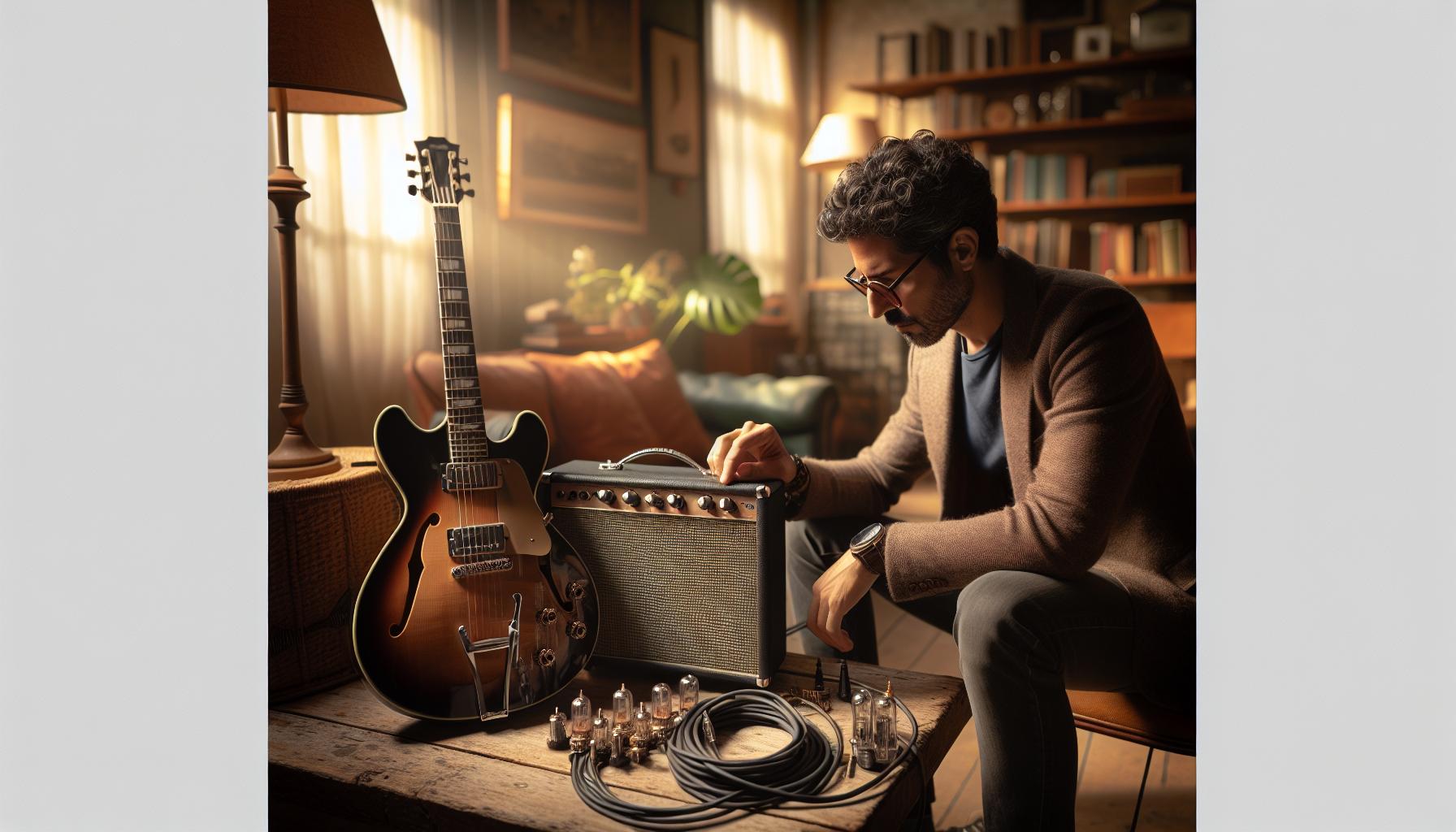
The Art of Guitar Tone Settings: Finding Your Sweet Spot
Finding the perfect tone can feel like an elusive quest for many guitarists, but it is a journey filled with rewarding discoveries. When dialed in correctly, your tone settings can transform a basic sound into something rich and inviting, making your music come alive. The key is to understand how each component of your tone interacts, allowing you to find that sweet spot where everything resonates harmoniously.
One effective approach is to start with your amplifier settings. For achieving a warm tone, consider the following adjustments:
- Treble: Lower the treble slightly; a bright sound can often make tone feel harsh. Aim for a setting around 3-5 on a scale of 1-10.
- Mids: Increase the midrange frequencies-they add body and warmth. A setting closer to 7-8 can help your tone feel fuller.
- Bass: Balancing the bass is crucial; while you don’t want a muddy sound, a good bass boost at around 5-7 can round out your overall tone.
Experimenting with your guitar’s tone knobs is equally essential. Many guitars come equipped with a tone knob that can significantly alter the sound. Rolling this knob back can provide a warmer, mellower tone-often favored in jazz and blues. If your guitar has multiple pickups, explore the tonal variations they offer. Switching to the neck pickup typically yields a fuller sound, while the bridge pickup presents a more cutting tone-both valuable depending on your playing context.
Lastly, consider how your playing technique affects tone. Using fingerstyle or softer picks can produce a warmer, more rounded sound than aggressive strumming with a harder pick. Pay attention to your attack; a lighter touch often brings out a warmer character in your notes. Adding these nuanced adjustments will help you hone in on the warm, rich sound that beautifully complements your musical style.
Tuning Techniques for Warm, Rich Sound
Getting the tuning right can dramatically enhance the warmth and richness of your guitar tone. The standard EADGBE tuning is a great starting point, but there’s a world of tuning alternatives that can help create a more layered and inviting sound. Experimenting with different tunings not only changes the pitch of your strings but also affects the harmonics and resonance of your instrument, resulting in varied tones perfect for different styles.
Exploring Open Tunings
Open tunings such as Open G (DGDGBD) or Open D (DADF#AD) are fantastic for achieving a fuller, more resonant sound. These tunings allow for rich chord voicings that emphasize the harmonic overtones when strumming or fingerpicking. For example, using Open D tuning, you can play major chords just by barring the strings at one fret, allowing for ease of play and a beautifully rich resonance. Additionally, incorporating slides with these tunings can evoke a warm, expressive sound that’s particularly suitable for blues, folk, and slide guitar.
Alternate Methods for Warmth
Consider integrating a slight detuning of your strings. Many guitarists prefer a tuning technique known as “drop tuning,” where the lowest E string is tuned down to D or C. This change not only offers a deeper bass response but also tends to enhance the harmonic richness of chords. Furthermore, using a capo can introduce fresh tonal possibilities and add warmth, as it raises the pitch while maintaining the chord shapes from lower positions-perfect for creating lush, layered sounds.
Another effective approach to achieve a warm and rounded tone lies within the string choice and gauge. Heavier gauge strings, for example, can produce a fuller sound due to increased tension and sustain. Combine this with a lower action setup to optimize playability, allowing for effortless bends and a warmer tone that resonates beautifully.
By thoughtfully exploring various tunings and adjustments, you’ll unlock the potential for a warm and rich sound that can elevate your guitar playing and expressiveness. Whether you are a seasoned player or just starting, these techniques invite you to experiment and discover the unique tonal qualities that resonate most with your musical style.
Effects Pedals That Enhance Warmth in Your Tone
Creating a warm guitar tone is not solely dependent on the guitar itself; it can also be significantly enhanced by the use of effects pedals. These devices can shape and modify your sound, contributing to a rich and inviting sonic experience. When looking to achieve warmth, it’s essential to choose pedals wisely. Some of the most effective types include overdrive, fuzz, and modulation effects, each bringing their unique attributes to your sound palette.
Overdrive Pedals are a cornerstone in achieving warmth, especially for electric guitar players. Unlike distortion, which can harshen your tone, overdrive can add a creamy saturation that enhances the natural characteristics of your instrument. Brands like Tube Screamer or Klon Centaur are renowned for their ability to round off the high frequencies, bringing a more robust and full-bodied sound. This smooth gain can add harmonic content that complements both single notes and chords, making it ideal for genres ranging from blues to rock.
Modulation Effects, such as chorus or flanger, can also play a crucial role in warming up your tone. These pedals create movement within your sound that can make your guitar feel fuller and more textured. For instance, a chorus pedal adds slight pitch variations and delays, which can enrich the harmonic spectrum of your playing. A well-placed chorus effect can take a simple clean tone and transform it into something lush and enveloping, making it perfect for ballads or ambient music.
Delay and Reverb pedals shouldn’t be overlooked either, as they add spatial depth and warmth. A touch of reverb can often bring life to a dry tone and can simulate the sound of a well-loved vintage amp. Similarly, analog delay can add warmth through its softer, smoother echoes, rather than the sterile feedback of digital delays. Adjusting these effects to taste, while avoiding excessive use, allows for a blend that can make your notes resonate beautifully, providing a warm and inviting sound that captivates the listener.
In summary, whether you’re a beginner or an experienced musician, the right effects pedals can dramatically enhance the warmth of your guitar tone. By thoughtfully incorporating overdrive, modulation, and ambient effects, you can unlock new dimensions to your sound, achieving that rich and full character that makes your playing truly shine. Experimenting with different settings and combinations will help you discover the warmth that resonates with your musical style.
Amp Settings for a Richer Guitar Sound
Achieving a rich and warm guitar tone significantly depends on your amplifier settings. A well-tuned amp not only enhances the natural voice of your guitar but also adds depth and character to your sound. Whether you’re rocking out in a band or playing a soulful solo, understanding how to manipulate your amp can be the key to unlocking that lush warmth everyone strives for.
Start by considering your amp’s EQ settings. Boosting the midrange frequencies (typically between 500 Hz and 1 kHz) can produce a thicker sound, while too much treble can thin out the tone and create unwanted harshness. Aim for a balanced tone with the following general guideline:
- Bass: 5-7 (adjust based on your guitar and style)
- Mid: 6-8 (this is the heart of your tone)
- Treble: 4-6 (to avoid sounding too bright)
Next, consider your amp’s gain settings. For a warm and saturated tone, set the gain to a level that adds some compression without overflowing into distortion. Aim for a subtle overdrive that enhances your guitar’s natural harmonics without turning it into a wall of noise. If using an overdrive pedal, find a level where the pedal complements the amp’s drive instead of overwhelming it.
Also, pay attention to the presence and resonance controls (if available). Presence affects the higher frequencies, ensuring clarity without a piercing edge, while resonance can help emphasize the low end, creating a fuller sound. Adjust these settings carefully, listening for how they interact with the EQ. A slight bump in resonance can make a striking difference, bringing warmth to note attacks and enhancing the overall character of your playing.
For those utilizing reverb or delay, keep the levels subtle. A light touch of reverb can add space and depth, simulating the warmth of a vintage tube amp. Similarly, analog delay can soften feedback, creating echoes that feel more natural and cohesive. It’s essential to adjust these effects so they enhance your tone rather than muddy it.
Fine-tuning these elements of your amp setup not only contributes to the richness of your guitar sound but also allows your playing style to shine through. Remember to experiment and trust your ears, as the perfect settings often vary based on personal preference, guitar type, and musical context.
Choosing the Right Guitar Pickup for Warmth
A key factor in achieving a warm and rich guitar tone lies in the choice of pickups. Pickups are the heart of your guitar’s sound, translating string vibrations into electrical signals that create your unique voice. Different types of pickups can dramatically affect tonal warmth, making it essential to understand their distinctions and how they shape your overall sound.
Humbucker pickups are widely favored for their warm, full-bodied tone. The design involves two coils, which help cancel out electromagnetic interference and provide a thicker sound compared to single-coils. This cancellation contributes to a more powerful output, making humbuckers perfect for rich, bluesy leads or thick, saturated riffs. If you are looking for that classic rock warmth, consider models from reputable brands such as Gibson or DiMarzio.
In contrast, single-coil pickups can provide a brighter and potentially more cutting sound. However, certain configurations or modifications can help enhance their warmth. For example, using a vintage-style single-coil, which has a lower output, can yield a more mellow tone while preserving clarity. Additionally, playing with the pickup height can significantly affect the warmth. Bringing pickups closer to the strings increases output and may add extra warmth, but be cautious not to overload the signal, which can lead to unwanted distortion.
When considering pickups for warmth, also factor in the type of wood and construction of your guitar. Solid body guitars often pair well with humbuckers, while semi-hollow bodies can enhance the warmth of single-coils due to their acoustic characteristics. Ultimately, experimenting with various pickup combinations and placements will offer a personalized approach to crafting that warm, full sound you seek. Remember to trust your ears and choose pickups that best complement your playing style and musical genre.
The Role of Wood Types in Guitar Tone Quality
The type of wood used in a guitar’s construction plays a pivotal role in shaping its overall tone, contributing to the warmth and richness that many musicians strive for. Different woods resonate at distinct frequencies and have unique tonal characteristics, which can significantly affect how the guitar sounds both acoustically and when amplified. For example, mahogany is renowned for its warm, mellow tones, making it a popular choice for the bodies and necks of many electric and acoustic guitars. This wood typically produces a pronounced midrange, providing a smooth and sonorous quality that complements blues, rock, and jazz styles beautifully.
Another wood, rosewood, is often used for fretboards and as a body material in more premium guitars. It offers a complex blend of highs and lows, with greater sustain, which not only adds a rich harmonic depth but also enhances the guitar’s ability to produce a warm, full sound. Its natural oils and dense grain foster a warm tone with exceptional articulation, perfect for both fingerstyle and picking techniques. For warmth in electric guitars, consider models that combine a rosewood neck with a mahogany body, marrying those tonal qualities for a smooth, rich response in any playing scenario.
When evaluating warmth in guitar tone, the body shape and wood density also come into play. Hollow or semi-hollow body guitars, often crafted from maple or similar woods, resonate more freely, yielding an airy sound that can beautifully enhance melodic lines. On the other hand, denser woods like ash provide a sharper attack and a brighter tone, which may or may not align with the goal of achieving warmth.
In addition to the body wood, the choice of top wood can influence the tonal character. For instance, Sitka spruce is frequently used for acoustic guitar tops due to its balanced tonal response and presence. However, pairing it with a warmer back wood like sapele can create an appealing sound that blends brightness with warmth, providing versatility for different genres. Ultimately, experimenting with various wood combinations and understanding their tonal implications will help you discover the perfect wood profile for achieving that desired warm, full sound. Decisions on your guitar’s wood type can significantly impact your tone journey, so take the time to find the combination that resonates best with your musical expression.
String Choice: How They Impact Your Sound
The choice of strings can profoundly influence the warmth and richness of your guitar tone, making it an essential factor in your overall sound. Strings come in various materials, gauges, and constructions, each contributing unique tonal characteristics. For instance, nickel-plated steel strings are popular among electric guitarists for their balanced tone, offering warmth without sacrificing brightness. In contrast, pure nickel strings can deliver a smoother, mellower sound, often preferred by players looking for vintage warmth.
When it comes to acoustic guitars, bronze and phosphor bronze strings are commonly used. Phosphor bronze strings, in particular, provide a warmer sound compared to standard bronze, thanks to the copper, which emphasizes the low and mid frequencies, enhancing the overall richness of the tone. Additionally, experimenting with the gauge of your strings can lead to different tonal outcomes. Lighter gauge strings are easier to play and can produce a brighter tone, while heavier gauge strings typically offer a fuller, more robust sound but may require more finger strength and technique.
String Coatings and Their Effect on Tone
The finish and coating of strings can also affect their tonal quality and longevity. Coated strings, such as those with a polymer thin coating, can extend string life while providing a warm tone. However, some musicians find that coated strings may slightly dampen tonal brightness, so it’s essential to experiment with different brands and types to discover the right balance for your playing style and preferences.
In addition to materials and coatings, the way you approach playing the strings can enhance warmth. Fingerstyle techniques tend to produce a warmer sound due to the natural damping of overtones, while using a pick can create a sharper attack. Thus, your playing style, combined with string choice, can significantly shape the tonal profile of your guitar.
To sum up, the quest for a warm guitar tone starts with understanding how string choice influences your sound. By selecting the right materials, gauges, and coatings, musicians can experiment to find the ideal strings that complement their guitars and playing styles, ultimately aiding in crafting that rich, full sound they aspire to achieve.
Recording Techniques for Capturing Warm Guitar Tone
Capturing a warm guitar tone in the studio requires a blend of thoughtful techniques and quality equipment. The environment plays a critical role in how warmth translates onto recordings. Begin by setting up in a space with good acoustics-rooms with natural elements like wood or fabric can help soften harsh frequencies and enhance the overall warmth of the sound. Positioning is key; experimenting with microphone placement relative to the guitar can yield different tonal qualities. A microphone placed close to the sound hole may capture more low-frequency warmth, while a position near the fretboard can produce a brighter tone with more clarity.
Choosing the right microphone is equally important. Dynamic microphones, such as the Shure SM57, can handle high sound pressure levels and offer a warm, full-bodied sound. However, condenser microphones are often favored for capturing the intricate details of clean and fingerstyle playing, providing a natural warmth that resonates in recordings. To enhance this warmth, try using a tube mic preamp; these devices add a subtle saturation and harmonic richness that can elevate the tonal quality significantly.
Additionally, employing effects during recording can further enrich your tonal output. Consider using a touch of reverb to create space or a mild overdrive effect to achieve that sought-after warm saturation. It’s crucial to maintain a light touch-too much can lead to muddiness, detracting from the desirable qualities of your sound. Furthermore, incorporating proper gain staging will ensure that your recordings don’t sound harsh or brittle, emphasizing that luscious warmth you aim for.
Lastly, don’t underestimate the power of post-production techniques. During mixing, applying low-end boosts around 80-120 Hz can add body, while a gentle high-frequency cut can help control harshness, leading to a more rounded melodic line. By combining these recording techniques, musicians can effectively capture and enhance a warm guitar tone that fulfills their artistic vision.
Advanced Techniques: Knobs, Switches, and Tone Shaping
Achieving the rich, warm tone every guitarist desires often extends beyond just picking the right guitar or amp; it involves an understanding of how various knobs, switches, and tone-shaping techniques can intricately influence your sound. Whether it’s subtle adjustments on your amplifier or careful manipulation of your guitar’s controls, embracing the art of tone shaping can dramatically enhance your musical output.
One of the first places to start is with the tone pots on your guitar. These knobs allow you to roll off high frequencies and can significantly alter your sound, especially with humbucking pickups. For a warm, creamy tone, try reducing the tone knob to around 7 or 8; this slight adjustment can mellow the harshness and introduces a more rounded character to your notes. Alternatively, for single-coil setups, dialing back the tone can also help mitigate sharpness while enriching the mid-range, creating a fuller sound. Experimenting with the interaction between the volume and tone pots can yield fascinating results; rolling down the volume can often add warmth while maintaining clarity.
Utilizing Pickup Selector Switches
The pickup selector switch on your guitar is another powerful tool for crafting your tone. Switching to the neck pickup typically provides a thicker, warmer sound perfect for blues or jazz. Conversely, the bridge pickup tends to be brighter and more cutting, making it ideal for leads. Many guitarists find that blending pickups can result in a unique tone; for instance, the middle position on a Stratocaster often combines the best of both worlds, giving a balanced warmth.
Active Control Over Your Amp Settings
Amp settings are crucial in shaping your sound. To achieve warmth, focus on the EQ settings; cutting some of the mids while boosting the lows and high ends can create a more lush and full soundscape. Keep your gain at a moderate level to avoid brittleness; too much gain can lead to a harsh tone that lacks warmth. Additionally, the use of tube amps can add a natural compression and harmonic richness that enhances the overall warmth of your tone.
When dialing in your settings, take note of how different configurations affect your tone. Keep a notepad handy to jot down what works as you explore various combinations. Remember, finding your sweet spot might require patience and experimentation, but the enhanced richness and body will be worth the effort. With these advanced techniques, you’ll be well-equipped to craft a warm guitar tone that suits your style and enhances your musical expression.
Exploring Different Genres: Achieving Warm Tone in Context
To create a warm guitar tone that resonates deeply across genres, understanding the specific tonal nuances that each style demands is essential. For instance, in blues music, a guitarist often aims for a thick, creamy sound that can be achieved by using the neck pickup with a slight roll-off on the tone knob. This not only enhances the warmth but also adds a smokey character, perfect for soulful bends and expressive solos. Blues players might also benefit from using lighter gauge strings to facilitate smoother bends and sustain, allowing those warmer tones to shine through.
In contrast, jazz guitarists typically seek a rich, full-bodied sound that complements complex chords and intricate melodies. Opting for hollow-body or semi-hollow guitars can naturally enhance warmth due to their construction and resonance. Jazz musicians often leverage the neck pickup extensively while using effects like a compressor to smooth out dynamics and add body to softer playing. Again, adjusting tone settings on the guitar to favor mid-range frequencies plays a crucial role in shaping that lush sound.
For genres like rock, especially classic rock and its sub-genres, achieving a warm tone often involves a careful balance of gain and EQ settings on your amplifier. Guitarists can use humbuckers to reduce noise while maintaining a saturated, thick tone, especially during solos. A little added reverb can also provide depth and warmth, transforming straightforward riffs into larger-than-life soundscapes. Using the bridge pickup combined with mild distortion allows for a sharp attack that still incorporates warmer undercurrents.
Acoustic players, on the other hand, can derive warmth from their choice of wood and string types. Mahogany-backed acoustics often yield a warmer, mellower sound compared to spruce, which can be brighter. Adding fingerstyle techniques can further enhance the overall warmth. Incorporating palm muting during strumming can also round off the higher frequencies, creating a fuller sound.
In sum, achieving a warm tone is highly dependent on understanding the unique characteristics of your chosen genre. By experimenting with equipment choices, pickup selections, and tonal adjustments, musicians can discover how to adapt their sound effectively, infusing warmth into their playing across various styles.
Q&A
Q: What makes a guitar tone sound warm?
A: A warm guitar tone is characterized by mellow frequencies, often achieved by using specific pickups, strings, and amp settings. Lower mids dominance and careful EQ adjustments enhance warmth. For detailed techniques, refer to the “Amp Settings for a Richer Guitar Sound” section.
Q: How can I enhance warmth in my guitar tone without changing gear?
A: You can enhance warmth by adjusting your tone settings, particularly on your amp and pedals. Try lowering the treble and boosting the mids. Experimenting with EQ settings can also help achieve a richer sound without needing new gear.
Q: What types of wood provide a warmer guitar tone?
A: Woods like mahogany, rosewood, and koa tend to produce warmer tones due to their dense structure and resonant properties. Understanding the role of wood types is crucial for selecting a guitar that meets your tone preferences.
Q: Are flatwound strings better for a warm guitar tone?
A: Yes, flatwound strings often produce a smoother, warmer tone compared to roundwound strings. Their construction minimizes brightness and enhances warmth, making them ideal for jazz and blues genres.
Q: Can playing technique affect guitar tone warmth?
A: Absolutely. Techniques such as fingerpicking or using the neck pickup can significantly impact warmth. Using softer picks or fingerstyle techniques allows the notes to resonate more, enhancing the overall tone warmth.
Q: Why do some effects pedals enhance warmth better than others?
A: Some effects pedals are designed specifically for warming up tone by maintaining or emphasizing lower frequencies and harmonics, such as tube-driven overdrive or analog delays. Using the right pedals is essential for achieving a rich sound.
Q: How does guitar tuning influence tone warmth?
A: Alternative tunings can affect the resonance and tonal quality of your guitar. Open tunings often provide a fuller sound, which can be warmer compared to standard tuning. Experiment with different tunings to discover your preferred sound.
Q: What should I look for in a guitar pickup for warmth?
A: For a warmer tone, consider humbucker pickups, as they generally produce a thicker sound compared to single-coils. Look for models specifically noted for their warm output, which often have lower resistance values.
These questions and answers are designed to provide insightful information while naturally encouraging users to delve into the related sections of your main article on “Warm Guitar Tone: Secrets to Rich, Full Sound.”
Concluding Remarks
Unlocking the secrets to achieving a warm guitar tone can elevate your music to new heights. By implementing these techniques, you’ll not only enhance your sound but also deepen your connection to your instrument. Don’t let hesitation hold you back-experiment with different gear and settings today to find the rich, full sound that resonates with your musical vision.
To further your journey, explore our in-depth guides on tuning methods and gear reviews, or check out our step-by-step tutorials for mastering chords and scales. Every note you play is a step toward becoming the guitarist you aspire to be. If you found this information helpful, consider signing up for our newsletter for exclusive tips and updates.
Your feedback is important-share your thoughts in the comments or reach out with any questions you might have. Keep pushing your creative boundaries, and remember: the perfect tone is just a tweak away!