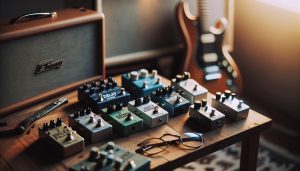
When exploring the world of music, the bass guitar holds a unique place-it lays the foundation for rhythm and harmony. Understanding the various types of bass guitars is crucial for any aspiring musician, as each style offers distinct tones and playability that influence your sound. Are you overwhelmed by the vast options available? This guide breaks down the different types of basses, helping you find the perfect low-end match to suit your musical tastes and playing style. Whether you’re a beginner seeking your first instrument or an experienced player looking to upgrade, knowing the nuances of each bass type will empower you to make informed choices. Dive in to discover which bass suits your needs and enhances your musical journey!
Types of Bass Guitars: An Overview of Styles
Understanding the variety of bass guitars available can significantly enhance your playing experience and musical expression. Each type of bass guitar offers unique tonal qualities and playability, catering to a broad spectrum of musical genres and styles. Whether you’re laying down a groove in a rock band, exploring complex jazz lines, or adding depth to a solo project, knowing your options is crucial.
Electric Bass Guitars are the most common type, known for their versatility and ability to blend into various music styles. They typically come with four strings, but many musicians opt for five or six strings to expand their range. Within the electric category, you’ll find different body styles, such as solid, semi-hollow, and hollow bodies, each producing distinct sounds.
Another popular type is the Active Bass, which features built-in electronics for improved sound control. These basses often have a brighter tone and more headroom, excellent for genres like funk and metal. In contrast, Passive Bass Guitars lack this circuitry and tend to offer a more traditional, warmer sound, making them a favorite among jazz and blues players.
Acoustic bass guitars, while less common, provide a rich, resonant sound ideal for unplugged sessions or folk music. These instruments usually feature a larger body to amplify their acoustic properties but often lack the volume needed to compete with other amplified instruments in a full band setting.
When choosing a bass guitar, consider your musical style, whether you prefer the crispness of an electric model or the warmth of an acoustic. Trying out different basses will also help you find one that feels comfortable and inspires your playing. Understanding these categories can pave the way for a well-informed decision that aligns with your musical vision.
Choosing the Right Bass Guitar for Your Style
Choosing the right bass guitar can profoundly impact your musical journey, as it not only shapes your sound but also influences your playability and comfort. An ideal bass guitar aligns with your genre preferences, skill level, and personal playing style. For instance, if you’re drawn to genres like rock or funk, an electric bass with a fast neck and active pickups might become your best companion, providing clarity and bite. Conversely, if you’re inclined towards jazz or folk, you might find a passive bass guitar or even an acoustic model suits your needs better with its warmer tonal characteristics.
To refine your selection process, consider these key aspects:
- Musical Genre: Identify the types of music you most enjoy playing. Electric bass guitars often excel in rock, metal, and funk, while acoustic basses shine in folk and unplugged settings.
- Body Style: The body shape of the bass can alter its sound and comfort. Solid body basses tend to produce a sharper, more focused sound, while hollow or semi-hollow body basses offer a warmer, more resonant tone.
- Number of Strings: While four-string basses are the standard, many musicians explore five- or six-string options to expand their melodic and harmonic capabilities.
- Active vs. Passive: Active bass guitars have onboard electronics allowing for more tonal control but require a power source, typically a battery. Passive basses deliver a traditional, organic sound that many players prefer.
- Playability: Don’t underestimate the importance of comfort. Spend time playing different basses to find one that feels right, considering neck width, string action, and overall weight.
Ultimately, the best approach to finding your perfect bass guitar lies in personal experimentation. Visit local music stores to try various models and see how they feel in your hands. Listening to how each bass sounds will also provide insight-do you prefer a punchy, percussive sound or a mellow, warm tone? Don’t rush the process; allow yourself the pleasure of discovery. Your bass guitar is not just an tool; it’s an extension of your musical expression. Choose wisely, and you’ll find an instrument that not only complements your style but also inspires you to reach new heights in your playing.
Understanding the Differences Between Electric and Acoustic Basses
When delving into the world of bass guitars, understanding the fundamental distinctions between electric and acoustic models is essential for choosing the right instrument to match your musical aspirations. Each type offers unique qualities, shaping everything from playability to sound.
Electric bass guitars are typically characterized by their solid body, which provides a focused sound ideal for genres like rock, jazz, and funk. They rely on electronic pickups to capture string vibrations and amplify them, allowing for a range of tones and effects. The necks on electric basses are often narrower and faster, making them easier to play for techniques such as slap, pop, or rapid fingerpicking. They also allow for the addition of hardware like active electronics, which can enhance tonal versatility. Additionally, their inherent sustain and ability to cut through a mix make electric basses the go-to choice for many live performances and studio recordings.
In contrast, acoustic bass guitars embody a more organic sound, resonating with warmth and rich tonal characteristics, making them ideal for folk, bluegrass, and unplugged performances. These basses are hollow, featuring a large body that amplifies sound naturally without the need for electricity. This acoustic nature provides a softer, rounder tone and welcomes slap bass techniques, though it can be less pronounced in louder band settings. Acoustic basses are often heavier and might require a different playing style due to their larger necks and wider string spacing. For players drawn to softer genres or intimate settings, they offer a unique presence and a deeply resonant audio experience.
Being aware of these differences can influence not only your choice of instrument but also your approach to playing and developing your style. Whether you decide on the punchy, versatile electric bass or the rich, resonant acoustic bass, each offers a distinct pathway to express your musical creativity.
Exploring the Most Popular Bass Guitar Models
When it comes to selecting a bass guitar, familiarizing yourself with the most popular models can significantly enhance your playing experience. Each model typically offers its own unique characteristics and features, making it important to choose one that aligns with your preferred style and sound. Many bassists swear by certain models due to their reliability, tonal quality, and playability, which can serve as great starting points for both beginners and seasoned players.
Fender Precision Bass
The Fender Precision Bass, often referred to as the “P-Bass,” is a classic choice that has stood the test of time. Known for its thick, punchy tone, it is favored by players across a variety of genres, including rock, punk, and metal. Its solid body construction and split-coil pickup provide a reliable sound with excellent sustain, making it a go-to for studio and live performances. Additionally, its simple controls make it accessible for beginners while offering enough versatility for advanced players to craft their sound.
Fender Jazz Bass
Offering a different tonal palette, the Fender Jazz Bass is celebrated for its sleek body shape and dual single-coil pickups, producing a brighter and more pronounced sound than its Precision counterpart. The narrower neck profile makes it ideal for intricate playing styles like slap and fingerstyle, and its use across genres-from jazz to funk-demonstrates its flexibility. Many bassists appreciate the Jazz Bass for its tonal variety, allowing for greater expressiveness in their playing.
Squier Affinity Series
For those new to playing bass, the Squier Affinity Series presents an affordable entry point without compromising on quality. This series offers both Precision and Jazz models at a fraction of the price of their Fender counterparts, making them perfect for beginners wanting to explore different styles. Despite their lower price point, these instruments are well-manufactured and sound great, creating fewer barriers for novice musicians.
Ibanez SR Series
The Ibanez SR Series is another popular choice, particularly among progressive and metal musicians. Known for their lightweight bodies and slim necks, these basses allow for fast playing and technical proficiency. Equipped with powerful pickups, the SR models deliver an extensive range of tones, making them ideal for experimental players who wish to push the boundaries of sound. Their modern aesthetic and diverse feature set cater to both seasoned players and those just starting out.
Ernie Ball Music Man StingRay
For players seeking a more premium instrument, the Ernie Ball Music Man StingRay is a high-end option celebrated for its robust build and exceptional sound quality. The StingRay is equipped with a powerful humbucking pickup and a distinctive “active” electronics system that allows for extensive tonal shaping. Renowned among funk and rock players for its punchy highs and deep lows, this bass is often cited as a top choice for professionals looking to make a lasting impression on stage.
Ultimately, choosing from these popular models can guide you toward the right instrument based on your musical preferences and playing style. Whether you lean towards the classic tones of a Fender, the versatile playability of an Ibanez, or the professional sound of a Music Man, understanding these models will help you find the perfect low-end match that encourages your growth as a bassist. Embrace the journey of exploring different sounds, and let these instruments inspire your musical expression.
Essential Features of a Great Bass Guitar
Choosing the right bass guitar involves understanding the essential features that contribute to sound quality, playability, and overall performance. A great bass guitar is not merely a tool; it’s a musical instrument that enhances your playing experience and allows for creative expression. One of the first aspects to consider is the body shape and material. Different woods contribute to tone; for instance, mahogany delivers warmth and depth, while ash enhances brightness and clarity. A well-designed body not only affects the sound but also impacts the weight and comfort of the instrument during long playing sessions.
Another critical element is the neck construction. The neck should feel comfortable in your hands, with a profile that complements your playing style. Generally, a slimmer neck aids faster playability and intricate techniques, while a thicker neck can provide a more substantial feel, favored by many rock and metal bassists. The scale length also plays a crucial role; standard basses usually have a 34-inch scale, which offers versatility, but shorter scales can make fretting easier for beginners or those with smaller hands.
Tuning stability is vital for any bass player, and this is where hardware comes into play. High-quality tuners, bridges, and nut materials all contribute to the instrument’s ability to stay in tune, even under extensive playing. The bridge type can also influence sustain and tone. For instance, some prefer a fixed bridge for stability, while others might opt for a tremolo bridge for added expressiveness in playing.
Finally, the electronics of a bass guitar significantly shape its sound. Understanding the difference between active and passive pickups can enhance your sound palette. Active pickups tend to offer more output and a wider frequency response, making them popular in styles like funk and metal, whereas passive pickups provide a warmer, more traditional tone favored in classic rock and blues. By considering these essential features, you will be well-equipped to find a bass guitar that resonates with your musical style and meets your performance needs.
The Role of Pickup Types in Bass Guitar Sound
The choice of pickups in a bass guitar significantly influences the instrument’s overall sound, making them a vital component for any bassist to understand. Pickups are the electronic devices that convert the vibrations of the strings into electrical signals, which are then amplified to produce sound. When exploring bass guitars, knowing the differences between active and passive pickups can help you select an instrument that aligns with your musical style and needs.
Active pickups are powered by a battery, allowing them to have a higher output and greater clarity. This increased voltage output results in a broader frequency range, making them excellent for styles that require precision and punch, such as funk, metal, and modern rock. Active pickups are often paired with EQ circuits that allow players to shape their sound, offering versatility for various musical situations. However, it’s important to note that the reliance on batteries means that active pickups can fail if the battery runs out, making it essential for players to maintain their instruments carefully.
In contrast, passive pickups rely solely on the electromagnetic induction of the strings’ vibrations. They tend to produce a warmer, more vintage tonality, which resonates well in genres like classic rock, blues, and jazz. The tonal characteristics of passive pickups are largely determined by their design and the materials used in their construction. Since they don’t require a battery, they are often considered simpler and more reliable. However, passive pickups typically have lower output levels and may require more amplification to achieve the desired volume.
To help you further understand the role of pickup types, here’s a quick comparison:
| Feature | Active Pickups | Passive Pickups |
|---|---|---|
| Power Source | Batteries | None |
| Output Level | High | Low |
| Tonal Range | Broad, clear | Warm, vintage |
| Maintenance | Battery replacement needed | Low maintenance |
Ultimately, understanding how the type of pickup affects sound will empower you to make more informed decisions while shopping for a bass guitar. Whether you seek the versatility of active pickups or the classic vibe of passive pickups, knowing your sound preferences will guide you toward your perfect low-end match. Experimenting with various pickup types will also help you discover nuances in tone, so don’t hesitate to test them out in different playing contexts to see what resonates best with your musical expression.
How to Match Your Bass Guitar with Amplifiers
Matching your bass guitar with the right amplifier is crucial for achieving your desired sound and maximizing your instrument’s potential. The amplifier doesn’t just boost your signal; it shapes your tone, impacts the dynamics, and affects how well you can express the nuances of your playing style. Different genres of music often require tailored setups, so understanding what works best for your specific bass and playing style is key.
First, consider the type of bass you’re playing. If you have an electric bass with active pickups, look for amplifiers with high input impedance to handle the higher output levels. These amps can better capture the clarity and punch that active pickups deliver. On the other hand, passive bass guitars often pair well with traditional tube amplifiers, which complement their warmer, more vintage sound. It’s beneficial to experiment with different amp types to see how they respond to your specific bass.
For optimal pairing, it’s wise to evaluate the characteristics of the amplifier itself. Factors such as wattage, speaker size, and cabinet design significantly influence sound. A higher wattage amp can produce a greater volume without distortion, while smaller speaker sizes might provide a tighter low-end response, ideal for slap bass techniques. Bass players should also pay attention to the amp’s EQ options; having flexibility over bass, mid, and treble frequencies allows you to sculpt your tone precisely.
To make an informed decision, here’s a quick reference table summarizing key factors to keep in mind:
| Feature | Active Bass Pairing | Passive Bass Pairing |
|---|---|---|
| Amplifier Type | Solid State or Hybrid | Tube |
| Input Impedance | High | Standard |
| EQ Options | Comprehensive EQ | Warm-voiced controls |
| Wattage | Higher to prevent noise | Moderate for vintage feel |
Through careful consideration of your bass guitar’s features and the characteristics of potential amplifiers, you can create a setup that resonates with your musical identity. Don’t hesitate to test various amps in-store and experiment with your settings to find that perfect pairing which enhances your sound. This journey not only elevates your playing but also deepens your understanding of the tools that contribute to your unique expression in music.
Upgrading Your Bass: Essential Accessories You Need
To truly elevate your bass playing experience, having the right accessories is just as important as choosing the perfect instrument. Enhancing your setup with quality gear can make a remarkable difference in playability, tone, and overall enjoyment. Let’s delve into some essential accessories that every bass player should consider while upgrading their bass guitar rig.
A high-quality bass strap is foundational for comfort during long playing sessions. Look for straps with ample padding and adjustable lengths to ensure both stability and comfort, enabling you to focus solely on your performance. Additionally, a sturdy strap lock system can prevent your bass from slipping and falling, avoiding potential damage.
Proper strings can dramatically alter your tonal palette. Whether you prefer roundwound, flatwound, or halfwound strings, each type offers distinct characteristics. Experimenting with different gauges can also help tailor the feel and response of your bass to your personal style. For those who love a more vintage sound, consider using flatwound strings, while roundwounds are excellent for brighter tones and slap techniques.
Effect Pedals and Tuners
Integrating effects pedals into your setup can unleash new sonic possibilities. From distortion and fuzz to modulation and reverb, the right pedals can shape your sound, making it richer and more dynamic. If you’re venturing into effects, consider a multi-effects pedal for versatility without overwhelming your pedalboard. Additionally, having a reliable tuner is essential for maintaining your instrument’s intonation. Clip-on tuners provide convenience, while pedal tuners offer a professional touch during performances or practice.
For bassists looking to record, a quality DI box (Direct Injection box) is indispensable. This device ensures your bass sound is captured cleanly when you plug directly into an interface or mixer, preserving the integrity of your tone without interference from ambient noise.
Finally, don’t overlook the importance of a hard case or gig bag for your bass. A well-padded case protects your instrument from damage during transport and storage, ensuring it’s always in top condition when you’re ready to play.
By thoughtfully selecting these accessories, you can enhance your bass playing experience, allowing for greater expression, comfort, and creativity in your music. Whether you’re a beginner or an experienced player, investing in quality gear is a vital step toward achieving your perfect low-end match.
The Best Bass Guitars for Beginners
Finding the right bass guitar as a beginner is crucial for fostering a love for music and ensuring a smooth learning experience. A good bass not only feels comfortable to play but also produces a sound that inspires you to practice. As you embark on your musical journey, consider instruments that balance playability, affordability, and tonal quality. Here are some excellent options for those just starting.
First, look at the Squier by Fender Affinity Series Precision Bass. This bass is renowned for its classic design, straightforward setup, and solid build quality. Its smaller body makes it lighter and easier to handle, while the split-coil pickup offers a warm, punchy tone that’s excellent for various music styles. Additionally, the lower price point makes it an excellent choice for budget-conscious beginners.
Another fantastic option is the Yamaha TRBX174. This bass is highly regarded for its versatility and comfort. Featuring an active pickup system with a push/pull gain control, it allows beginners to experiment with different tones easily. The body is contoured, providing a comfortable playing experience, which is especially beneficial when practicing for extended periods.
If you prefer a more modern aesthetic, the Ibanez GSR200 is worth considering. Its sleek design, lightweight body, and slim neck make it an exceptional starting instrument for younger players or those with smaller hands. The included soapbar pickups deliver a bright, clear sound, perfect for rock or pop music.
Key Considerations for Beginners
When selecting a bass guitar, keep the following aspects in mind to enhance your playing experience:
- Weight and Comfort: A lighter bass can be easier to handle and play for longer durations without causing fatigue.
- Neck Width: A slimmer neck can facilitate easier finger positioning, which is crucial for beginners just getting accustomed to playing.
- Pickup Configuration: Look for models with versatile pickups, allowing you to explore a variety of sounds as you develop your style.
- Build Quality: Aim for guitars with good craftsmanship, as they are more likely to withstand the rigors of learning and playing.
Investing in a quality bass guitar early on not only makes learning more enjoyable but also sets the foundation for your progression as a musician. Whether you choose a classic model or a more contemporary one, finding an instrument that resonates with you is the first step toward mastering the bass.
Advanced Bass Guitar Techniques to Explore
Delving into advanced techniques can dramatically elevate your bass playing, distinguishing you from the crowd and enhancing your musical expressiveness. One captivating method is slap and pop, a technique popularized in funk music, which involves using your thumb to strike the string (slapping) and pulling the string with your fingers (popping) to create a sharp, percussive sound. Practicing this technique not only improves finger strength and dexterity but also helps you master timing and rhythm, essential elements in keeping the groove alive.
Another valuable technique to explore is harmonics, which adds an ethereal quality to your playing. Harmonics are created by lightly touching the string at specific points (known as nodes) while plucking it, producing a bell-like tone. You can experiment with different fret positions to find a variety of harmonic sounds. Distributing harmonics throughout your compositions can create dynamic contrasts and can significantly enhance your bass lines, making them more melodically interesting.
Additionally, consider mastering the walking bass line, a staple in jazz and blues genres. This technique involves creating a melodic line that weaves through chords, often using a combination of scale notes and arpeggios. Practicing walking bass lines helps you develop a deeper understanding of chord progressions and enhances your improvisational skills. Start with simple progressions and gradually incorporate more complex rhythms and patterns as you become comfortable.
While exploring these techniques, always pay attention to how your bass guitar’s design influences your sound. For instance, different types of pickups, such as single-coil or humbucker, can affect the clarity and tonal qualities of slap techniques or harmonics. Ensure your instrument is well-maintained and equipped with the right strings to fully embrace these advanced techniques. Regularly check your setup, including string height and neck relief, which can significantly impact playability and sound quality. By combining these methods with regular practice and experimentation, you can take your bass playing to new heights, finding your unique voice in the world of music.
Maintaining Your Bass Guitar for Longevity
Maintaining your bass guitar is crucial to ensuring it remains in top condition, allowing you to deliver optimal performance and sound quality over time. Just like any musical instrument, regular care and attention can extend its lifespan, keeping it looking good and sounding great. The following tips will guide you in preserving your investment, enhancing your playing experience.
Start with the basics: regular cleaning is essential. Use a soft, lint-free cloth to wipe down the body of your bass after each use to remove sweat, oils, and dirt. For the fretboard, consider using specialized fretboard cleaners to remove grime without damaging the wood. This not only keeps your instrument clean but also prevents corrosive elements from affecting the strings and hardware.
String maintenance is another vital aspect of care. Regularly change your strings based on usage; sweaty hands or heavy playing can necessitate more frequent changes. For corrosion resistance, consider coated strings that can prolong life and sustain tonal quality. Additionally, after changing strings, make sure to stretch them gently to ensure they settle quickly and stay in tune.
Setup and Adjustments
Proper setup plays a significant role in how your bass guitar feels while playing. Periodically check the neck relief, string action, and intonation. If you notice buzzing or difficulty in tuning, it might be time for a professional setup. Adjusting the truss rod, bridge height, and pickup height can drastically affect your bass’s playability and tone.
Protective storage also contributes to longevity. When not in use, store your bass in a hard case or gig bag, especially if you live in an environment with extreme temperatures or humidity levels. Invest in a quality stand to prevent accidental falls, and always secure your instrument when traveling.
By following these steps, you’ll not only keep your bass guitar in excellent condition but also enhance your overall playing experience. Regular maintenance helps in identifying potential issues early on, ultimately improving the sound and feel of your instrument as you continue to develop your musical skills.
Where to Buy the Best Bass Guitars Online and Offline
Bass guitars can be a hefty investment, and knowing where to find the best options can significantly enhance your playing experience. Whether you’re a seasoned professional or a budding musician, shopping for a bass guitar presents a wealth of opportunities both online and in physical stores. Online retailers often have a vast selection, competitive prices, and reviews to help you make informed choices. Websites like Sweetwater, Guitar Center, and Thomann provide an extensive array of models with detailed specifications and customer ratings, making it easy to compare and contrast features from the comfort of your home.
Visiting local music stores, on the other hand, allows you to physically test different basses before purchasing. Experienced staff can offer valuable advice, ensuring you choose a model that suits your playing style. Many stores also offer used instruments at discounted prices, providing excellent options for those on a budget. Don’t hesitate to ask about special deals, demos, or financing options; local shops often have unique arrangements that aren’t available online.
Moreover, consider checking out community events, workshops, or local music festivals where vendors may showcase their gear. These venues can offer unique finds and the chance to meet fellow bass enthusiasts in your area. For those looking for second-hand bargains, platforms like Reverb, eBay, and Facebook Marketplace are great places to search. Just remember to ask for detailed descriptions and pictures, and if possible, arrange to test the instrument in person to ensure it meets your expectations.
In summary, each shopping avenue has its benefits. By exploring various options both online and offline, you can ensure you find the bass guitar that perfectly matches your style and needs, all within your budget.
Frequently asked questions
Q: What are the main types of bass guitars?
A: The main types of bass guitars include electric basses, acoustic basses, and semi-acoustic basses. Electric basses are the most common and come in solid-body and hollow-body varieties. Acoustic basses are typically larger and designed for unplugged performances, while semi-acoustic basses combine features of both electric and acoustic models.
Q: How do I choose the right bass guitar for my music style?
A: To choose the right bass guitar, consider your musical style. For rock or pop, a solid-body electric bass is ideal. If you play jazz or folk, an acoustic or semi-acoustic bass might suit you better. It’s also important to try different models to find the one that feels comfortable and sounds good to you.
Q: What is the difference between active and passive pickups in bass guitars?
A: Active pickups use a battery to boost the signal, providing a clearer sound with more output, which is ideal for complex effects. Passive pickups, on the other hand, offer a warmer, more vintage tone without needing a battery, making them popular for genres like blues and rock.
Q: Can beginner bass players use any type of bass guitar?
A: Yes, beginner bass players can use any type of bass guitar, but starting with an electric bass is often recommended due to its playability and variety of sounds. It’s also helpful to choose a lighter model to ease the learning process.
Q: What features should I look for in a bass guitar for live performances?
A: For live performances, look for a bass guitar with a durable body, good electronic shielding to minimize noise, and reliable hardware. Additionally, ensure it has comfortable neck playability and good tonal versatility to adapt to various musical styles.
Q: How does string type affect bass guitar sound?
A: String type significantly impacts a bass guitar’s sound. Roundwound strings offer brighter tones and more sustain, while flatwound strings provide a smoother, warmer sound, which is often preferred in jazz and vintage styles. Experimenting with string types can help you find your ideal tone.
Q: What are some budget-friendly bass guitars for beginners?
A: Budget-friendly bass guitars for beginners include models like the Squier Affinity Jazz Bass and the Yamaha TRBX174. These guitars provide good playability and sound quality without breaking the bank, making them ideal for learners.
Q: When should I consider upgrading my bass guitar?
A: Consider upgrading your bass guitar when you outgrow your current model, seek better sound quality, or need improved playability. Upgrades might include changing pickups, adding effects, or investing in a higher-quality instrument that suits your evolving music style.
To Wrap It Up
Choosing the right bass guitar is essential for crafting the perfect sound and enhancing your musical journey. Remember, whether you’re a beginner or a seasoned player, the options we’ve outlined will empower you to find a low-end match that resonates with your style. Ready to dive deeper? Explore our guides on bass guitar maintenance and advanced techniques to elevate your skills. Don’t forget to check out our reviews on the latest gear to stay ahead in your musical endeavors.
Act now-share your thoughts in the comments below, and let’s build a community of bass enthusiasts eager to learn and grow together. For further insights and updates, sign up for our newsletter, and always stay connected with our latest tutorials and tips. Your perfect bass experience awaits!