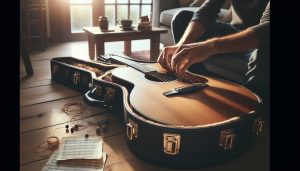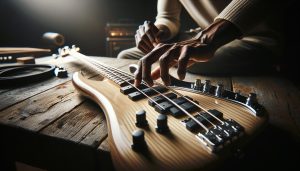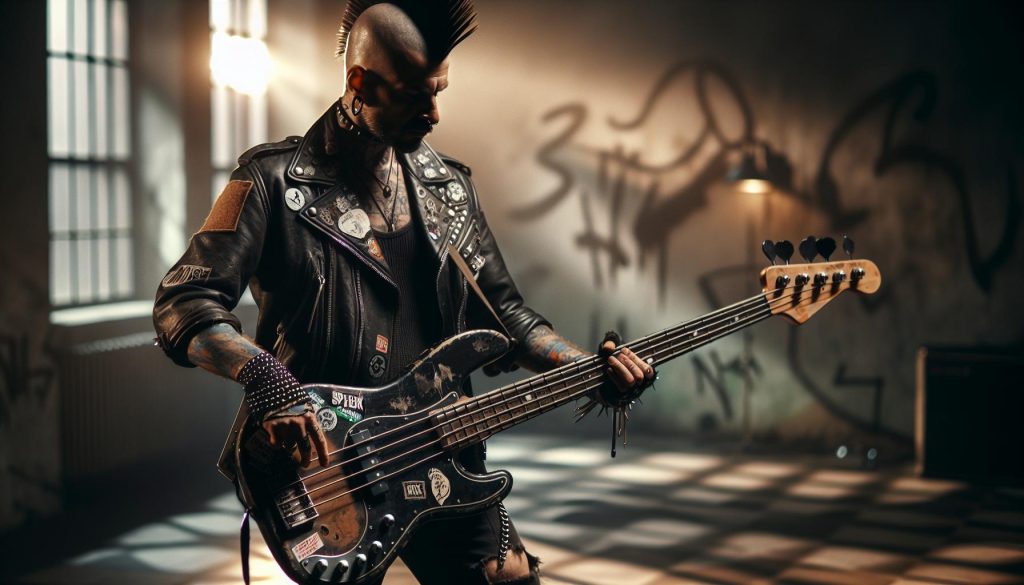
Punk rock is more than just a genre; it’s a powerful form of expression defined by its raw energy and rebellious spirit. At the heart of this movement is the bass guitar, an often-underappreciated yet crucial component that drives the sound of punk music. Whether you’re a beginner looking to pick up your first bass or a seasoned player seeking to refine your rig, understanding the unique demands of punk rock bass can help you unlock your full potential.
This guide will explore the most iconic bass guitars that have shaped the genre, as well as the essential gear and techniques that define punk rock’s breathtaking sound. From the thunderous thump of a Fender Precision to the punchy tones of a Yamaha BB, these instruments have left an indelible mark on the scene. As you dive into the world of punk rock bass, prepare to empower your playing, elevate your sound, and discover the versatile rigs that have fueled countless anthems.
Choosing Your Punk Rock Bass Guitar: Key Features to Consider
When choosing a bass guitar for punk rock, it’s essential to focus on characteristics that will deliver the raw power and punch typical of the genre. Punk rock is known for its high-energy performances and gritty sound, meaning the right bass guitar can significantly influence your band’s overall vibe. Key features to consider include the type of pickups, body material, and scale length.
Pickup Type: Many punk bassists gravitate towards either single coils or humbuckers. Single coils, like those found on Fender Precision and Jazz Basses, provide a bright, clear tone that cuts through the mix. On the other hand, humbuckers offer a thicker, warmer sound, preferred by those looking for a more aggressive presence often seen in bands like the Ramones and Black Flag.
Body Material and Weight: The weight and material of the bass can affect playability and tone. Solid-body options such as those made from alder or ash deliver the durability and sustain that punk bassists need while remaining light enough for energetic performances. A lighter bass can help with speed and agility during intense sets, allowing you to play fast lines and perform with greater comfort.
Scale Length: Standard scale lengths (34 inches) are common, but shorter scale basses (like 30 inches) can make for easier playability, especially for younger or less experienced players. This shorter scale can lend a slightly different tone, emphasizing a more pronounced mid-range, which might perfectly suit the punk rock sound you’re after.
By evaluating these features, you can select a bass that not only fits your personal style but also communicates the raw power and energy essential to punk rock music. Whether you opt for a classic Fender Precision or a more modern option like a Music Man Stingray, the right bass will help you establish your unique sound in your band.
Essential Gear for Punk Bassists: Amplifiers and Effects
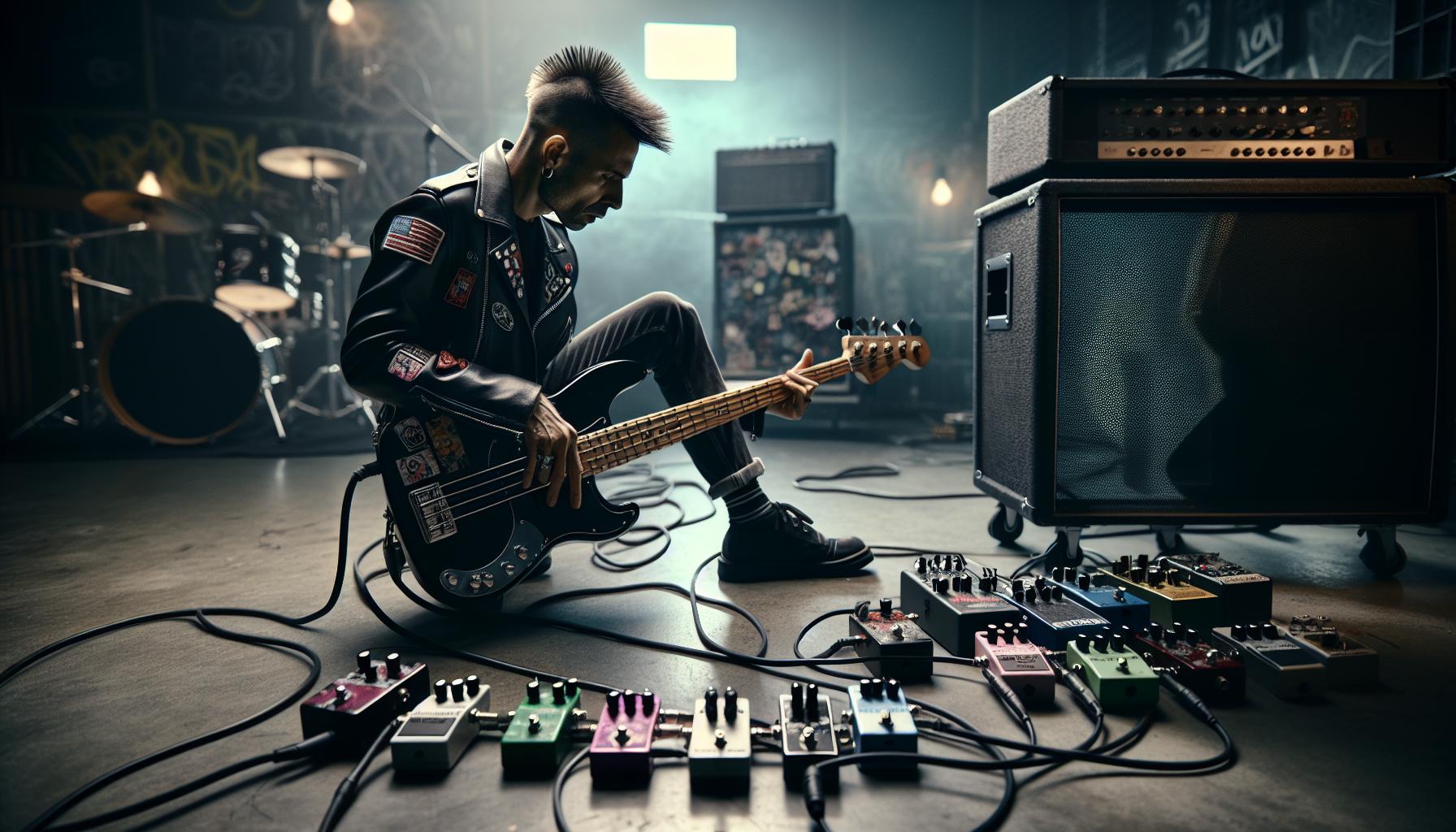
The right amplifier can make or break your punk rock sound, emphasizing that raw power and energy that define the genre. Consider this: a good amp does more than just amplify your notes; it shapes your tonality, punch, and presence within the band. When searching for gear, focus on amplifiers known for their reliability and ability to deliver robust low-end frequencies that can stand up to the high-energy riffs of punk rock.
Key Features in Amplifiers
When choosing an amplifier, keep these features in mind:
- Wattage: A good range for punk is between 300 to 600 watts, providing plenty of headroom for live performances without distortion.
- Speaker Size: Look for amps with 10″ or 15″ speakers, as these will provide a solid low-end punch that helps your sound cut through the mix.
- EQ Controls: A versatile EQ section allows you to tweak your tone to perfection, enabling you to accentuate the mids and lows that are crucial in punk.
Essential Effects Pedals
Effects pedals also play a pivotal role in achieving an authentic punk rock bass sound. Here’s a selection of must-have pedals:
- Disto/Overdrive Pedal: Adds grit to your tone and helps you achieve that aggressive punk growl. Popular choices include the ProCo Rat and Boss DS-1.
- Chorus Pedal: While not always necessary in punk, it can add depth and dimension to your sound during specific sections or solos. The MXR Analog Chorus is a well-regarded option.
- Compressor Pedal: Ensures your sound remains consistent and punchy, making those fast plucking lines sound smooth and full. The MXR M87 is a solid choice.
Putting It All Together
Once you’ve chosen your amp and pedals, experimentation is key. Play with different combinations of effects to find the unique sound that fits your style. For a true punk aesthetic, it’s not just about the gear; it’s about how you use it. Test out settings that can get rowdy, pushing the amp to its limits, and don’t shy away from some controlled feedback and distortion. Remember, punk is about energy, attitude, and a bit of chaos-use your gear to reflect that!
Incorporating the right amplifiers and effects can transform your bass lines into the driving force of your punk sound, making your performances unforgettable. Whether you’re jamming in your garage or tearing up a live stage, the right setup not only enhances your sound but also inspires confidence, establishing your signature punk bass tone.
Top Punk Rock Bass Guitar Models: Our Recommended Picks

For any bassist looking to carve out a raw, powerful sound in the punk rock scene, selecting the right bass guitar is crucial. Punk rock is rooted in aggression and straightforwardness, and the instruments that stand out are those that bring both attitude and reliability to the stage. Whether you are a budding musician or an experienced player, here are some standout bass guitar models that deliver the punch needed for a solid punk tone.
The Fender Precision Bass has long been a staple in the punk community. Renowned for its simplicity and powerful sound, this bass features a single split-coil pickup that provides a thick, punchy tone perfect for aggressive playing styles. Many punk bassists, including legends like Mike Dirnt from Green Day, have made the Precision their weapon of choice, demonstrating its versatility across various punk subgenres.
Another excellent option is the Gibson Thunderbird. With its distinctive shape and rich tonal quality, the Thunderbird offers a unique blend of warmth and aggression. Its humbucking pickups give a full-bodied sound that excels in heavier punk settings while allowing the bassist to stand out in the mix. Players like Matt Freeman from Rancid have showcased the Thunderbird’s ability to provide substantial low-end while delivering cutting highs.
The Music Man StingRay is another formidable contender. Known for its active electronics and powerful single humbucker, it produces a bright, punchy sound that works exceptionally well for driving punk riffs. Its comfortable neck and robust build make it ideal for the energetic playing style that punk demands. Notable bassists such as Joe Lally from Fugazi have utilized the StingRay’s capabilities to craft their distinctive sounds.
When seeking a more budget-friendly option, the Squier Classic Vibe Precision Bass offers much of the same quality as its Fender counterpart without breaking the bank. This model captures the essence of the original Precision with vintage-style split-coil pickups and a sleek finish, making it accessible for new players wanting to embrace the punk rock ethos.
Choosing a bass guitar isn’t just about brand names; it’s about the feel, sound, and personality that the instrument brings forth. Trying out different models and ensuring you find one that complements your playing style is essential. Whichever model you choose, ensure that it resonates with the raw energy and spirit of punk rock, empowering you to create unforgettable music.
How to Set Up Your Bass Guitar for Raw Punk Sound
Setting up your bass guitar for that raw punk sound is an essential step in nailing the aggressive and gritty tone that defines the genre. A few key adjustments can make a significant difference in how your instrument performs and how it complements the music’s intensity. Start by ensuring your bass is equipped with the right strings; select heavier gauge strings for added depth and sustain. Many punk bassists prefer roundwound strings, which provide a brighter, more aggressive sound that cuts through the mix, perfect for driving rhythms.
Pickup Height Adjustment
The placement of your pickups can greatly influence your bass’s tone. Raise your pickups slightly higher to gain more output and punchiness, but be careful not to raise them too much, as this can lead to unwanted distortion or a loss of clarity. Finding a balance is key-experiment by adjusting the height to see what complements your playing style and preferred sound.
Another crucial aspect of fine-tuning your punk bass setup involves your amplifier settings. Aim for a balanced EQ with slightly boosted mids and treble, which can help your bassline be more pronounced amidst the guitars. A little boost to the bass can add warmth, but be cautious of overwhelming the mix. Consider using distortion or overdrive pedals to add edge; a good overdrive effect will enrich your tone with a gritty texture while still allowing your notes to resonate clearly.
Lastly, don’t forget about your technique. Playing with a pick can enhance articulation and add a sharp attack to your sound. Practice varying your picking dynamics to elevate your performance-sometimes a harder attack can produce a more aggressive sound, while a lighter touch can offer a more nuanced tone. By combining these elements-string choice, pickup adjustments, amplifier settings, and playing technique-you can confidently achieve that raw, powerful sound vital for punk rock music.
Tuning Techniques for Authentic Punk Rock Vibes
In the world of punk rock, tuning your bass guitar isn’t just about reaching the right pitch; it’s about capturing the raw energy and attitude that define the genre. Most punk bassists stick to standard tuning (E-A-D-G) for its versatility and familiarity, but many also experiment with alternate tunings to create unique sonic textures. This exploration can lead to a sound that feels both fresh and authentic, setting you apart in a heavily saturated scene.
One popular alternative tuning among punk musicians is drop D (D-A-D-G), which allows for heavier, sludge-infused riffs that resonate well with aggressive playing styles. This tuning not only simplifies power chords but also adds depth and grunge-like vibes when played with distortion. Another favorite is the half-step down tuning (Eb-Ab-Db-Gb), which is frequently used in bands like AFI and Green Day. This slight adjustment can lend a darker quality to your sound without veering too far from the root notes.
To ensure you get the most out of your tuning choices, pay attention to your intonation and action settings. Lowering the action slightly can make your bass easier to play, especially for those fast-paced, energetic punk lines. Additionally, using heavier gauge strings can maintain string tension in lower tunings, preventing a flabby sound that detracts from your aggressive playing style.
Ultimately, the key to achieving authentic punk rock vibes lies not only in the tuning itself but also in how you attack the strings. Embrace a strong, percussive fingerstyle or the sharpness of a pick to accentuate the aggressive nature of your bass lines. With the right tuning choices and playing techniques, you can power your punk sound, making a statement that resonates through the amps and into the hearts of your listeners.
Playing Styles That Define Punk Bass: Techniques and Tips
In punk rock, the bass guitar isn’t just an accompaniment; it drives the music with a raw energy that defines the genre. Punk bassists often adopt a range of playing styles that highlight aggression and simplicity, crucial elements that resonate with the spirit of punk. Whether you’re slapping, plucking, or picking, mastering your technique will elevate your sound and presence in a band.
One of the hallmark techniques in punk bass playing is the percussive slap. This involves striking the strings with your thumb to create a punchy, rhythmic effect that complements the frantic pace of punk music. Combining slap with a fingerstyle approach can also add a dynamic layer to your playing, allowing for both melodic and rhythmic interplay. Practicing palm muting techniques can further enhance your sound, providing a tight and controlled attack that fits perfectly with fast-paced punk beats.
Another essential aspect is the use of root and fifth power chords. Simplifying your bass lines to focus on these intervals can make your playing more impactful, allowing you to lock in tightly with the drums. This approach doesn’t just keep things straightforward; it also pushes the energy of the song higher, reinforcing the band’s raw punk ethos. Many distinguished punk bassists, like Dee Dee Ramone, exemplified this with their minimalistic yet powerful lines.
In terms of gear, consider experimenting with distortion or overdrive pedals. Adding this effect can help transform your tone into something grittier, emulating the aggressive sound of iconic punk tracks. Additionally, utilizing a pick can provide a sharper attack, perfect for fast-paced songs; many punk players endorse this method to achieve that biting edge in their tone.
Ultimately, developing your unique style within these frameworks will set you apart. Embrace the chaotic and often spontaneous nature of punk rock, and don’t shy away from trying new techniques. A few jam sessions with like-minded musicians can fuel creativity and help refine your playing style, so get out there and unleash your punk sound!
Maintenance and Care for Your Punk Bass Gear

Caring for your punk bass gear isn’t just about maintaining aesthetics; it’s crucial for preserving sound quality and ensuring longevity, especially when you’re cranking out those raw, powerful riffs characteristic of punk rock. With the right maintenance, your bass can withstand the rigors of punk performances and continue to deliver that gritty, aggressive sound that defines the genre. Here are some essential tips for keeping your gear in top shape.
Regular Cleaning
Keeping your bass clean is the first step in maintenance. Dust and grime can accumulate, affecting sound quality and playability. Use a microfiber cloth to wipe down the body and neck of your bass after each session to remove sweat, dirt, and oil from your hands. This not only maintains the finish but also prevents corrosion on the hardware. For a deeper clean, use a guitar-specific cleaning solution on the body and a fretboard conditioner on unfinished woods.
String Care and Replacement
String choice significantly impacts tone; therefore, consider using high-quality, durable strings designed for punk rock tones. Regularly check your strings for signs of wear, such as fraying or discoloration. Changing your strings every few gigs or once a month, depending on usage, ensures that your bass retains its bright, punchy sound. When changing strings, take the opportunity to clean the fretboard and inspect the hardware for any needed adjustments.
Setup Adjustments
Punk bassists often play aggressively, making it vital to regularly check the setup of your bass. Here are a few adjustments to consider:
- Neck Relief: Use a capo on the first fret and press down on the last fret of the lowest string. Check the gap at the 8th fret; it should be minimal. Adjust your truss rod if necessary.
- Intonation: Ensure that your bass stays in tune up the neck. Use an electronic tuner to check this by fretting notes on the 12th fret and adjusting the saddle position until it matches the open string note.
- Pickups: Adjust the height of your pickups to find the balance between output and clarity. Closer pickups may yield a stronger signal but could also introduce unwanted distortion.
Humidity and Temperature Control
Changes in humidity and temperature can affect the wood of your bass, leading to warping or fret buzz. Keep your instrument in a case or on a stand in a climate-controlled room. If you’re touring, use humidity packs in your case to keep the relative humidity in check. This simple practice can extend the life of your instrument considerably.
By integrating these maintenance strategies into your routine, you not only enhance your bass’s performance but also prolong its life, allowing you to focus on what truly matters: unleashing that signature punk sound. Regular care transforms your gear into a reliable partner in your musical journey, ensuring you’re always ready to rock with raw power.
Building a Punk Rock Sound: Key Settings and Preferences
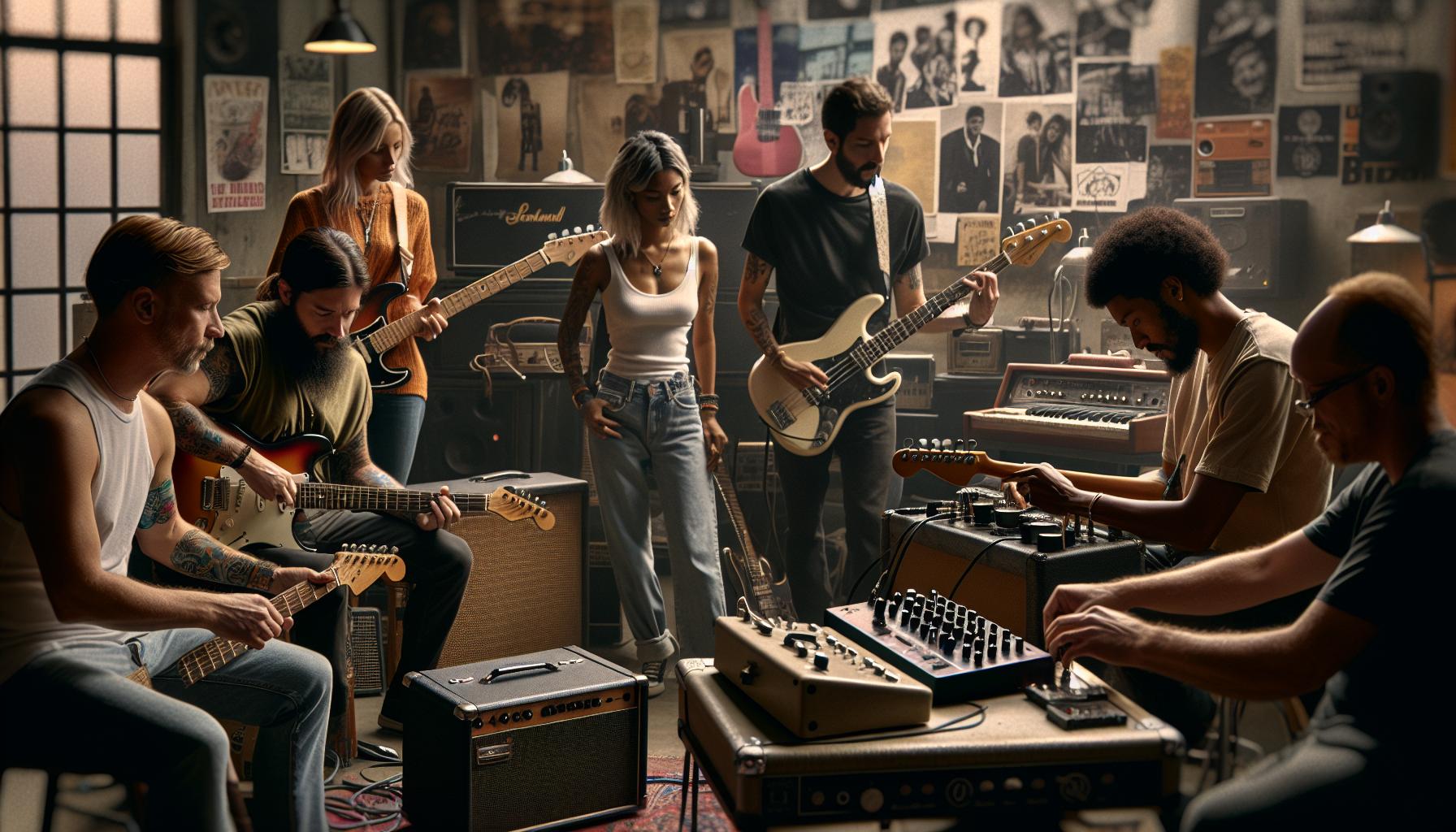
The essence of punk rock is found not only in the raw energy of its music but also in the distinctive sound created by skilled bassists. Crafting a punk rock sound involves a blend of gear selection, settings, and playing techniques that elevate your performance to match the genre’s fervent spirit. Getting the right tone can propel your band to the next level, so understanding how to dial in those settings is essential for any bassist.
When setting your amplifier, a few fundamental tweaks can dramatically shape your tone. Begin with your EQ controls-boosting the midrange frequencies is crucial since this range helps the bass stand out in a mix. For most punk sounds, aim to set your bass and treble around the halfway mark while cranking the mids. This ensures you get that punchy, aggressive sound often associated with classic punk riffs. Adding a little distortion on your amp or through a pedal can also contribute to that gritty feel, helping your bass growl through the mix.
Another important aspect to consider is your pickup configuration. For electric bass guitars, employing the bridge pickup can yield a sharper, more defined tone, perfect for aggressive playing styles typical in punk rock. Experimenting with pickup height can further enhance your sound; pickups that are set too close can cause distortion, while those that are too far can result in a weak signal. Aim for a balance that gives you the clarity and punch you need.
Lastly, the choice of strings plays a pivotal role in achieving that authentic punk vibe. Many punk bassists prefer roundwound nickel strings due to their bright tone and responsiveness, which is vital for achieving those driving lines that characterize punk music. Regular string changes will keep your sound fresh and vibrant, ensuring that you always deliver the raw power that fuels the punk rock ethos. By combining the right settings, player technique, and gear choices, you can carve out a unique sonic footprint that resonates with the raw intensity of punk rock.
Iconic Punk Bassists: Gear and Sound Analysis
The pulse of punk rock can often be traced back not just to the frenetic energy of the bands but to the distinctive bass lines that provide the backbone of their sound. Iconic punk bassists like Paul Simonon of The Clash, Matt Freeman of Rancid, and Mike Watt of Minutemen have shaped the genre with their unique approaches to gear and playing style, leaving a lasting impact on aspiring musicians. Understanding their gear choices and sound techniques can offer valuable insights into creating your own punk rock vibe.
Paul Simonon famously played a Fender Precision Bass, a staple in punk rock due to its powerful presence and straightforward design. His aggressive playing style, often characterized by heavy use of the bridge pickup, combined with a raw, overdriven amp sound, generated a loud, in-your-face tone that was critical to The Clash’s identity. Simonon’s use of roundwound strings for that punchy attack complemented the band’s gritty sound, making his bass lines resonate through classics like “London Calling.”
Another influential figure is Matt Freeman, whose work with Rancid introduced a more melodic yet equally aggressive style of bass playing. Freeman often opts for a combination of Fender and Gibson basses, using a mix of fingerstyle and pick playing to attain a sharp, crisp sound. His signature tone is heavily influenced by his choice of amplifiers, regularly favoring Ampeg, which provides warmth and depth without sacrificing clarity. Songs like “Ruby Soho” highlight his ability to blend rhythm and melody, showcasing how tuneful bass lines can be a focal point in punk.
Let’s not overlook Mike Watt, known for his pioneering work with Minutemen. Watt’s embrace of unconventional techniques, like utilizing a pick and incorporating complex rhythms, sets him apart from his peers. He often uses a modified Precision Bass paired with Mesa/Boogie amps, achieving a distinct tone that combines clarity with grit. His approach emphasizes the role of the bassist beyond just keeping time, allowing for more intricate and engaging performances. Tracks like “Corona” are a testament to how varied sounds and styles can flourish within punk rock.
By studying these legendary bassists-what they play, how they play, and their distinct sound choices-musicians can gain inspiration and practical advice for their own journeys. Whether it involves choosing the right type of strings, experimenting with pickups and EQ settings, or exploring the unique tonal possibilities of different bass models, learning from these icons is essential for any aspiring punk bassist looking to forge their sound within this energetic genre.
Finding Your Style: Influences from Classic Punk Bands
Classic punk rock bands have not only defined the genre with their raw energy but have also profoundly influenced the bass guitar playing style that continues to resonate with musicians today. From the thunderous riffs of The Ramones to the innovative rhythms of The Clash, each band brought a unique flavor to the punk sound. By examining these influences, aspiring bassists can discover ways to shape their playing styles while capturing the spirit of punk rock.
One of the most significant influences is the use of the bass guitar as a driving force in the band. Punk bands like The Sex Pistols and Dead Kennedys demonstrated that the bass could serve both melodic and rhythmic roles. Glen Matlock, the original bassist for The Sex Pistols, used his Fender Precision Bass to create memorable, punchy lines that supported the band’s iconic sound. This approach has encouraged many bassists to adopt a more assertive role, ensuring that the bass serves as both a rhythm anchor and a melody vehicle.
Listening to the distinct playing styles of these classic bands can inspire you to experiment with your sound. For example, Jah Wobble of Public Image Ltd. took the bass guitar to new heights, introducing reggae and dub influences that expanded the punk palette. By incorporating techniques like slides and harmonics, you can explore a variety of sounds that go beyond standard punk motifs while staying true to the genre’s rebellious spirit. Seek to balance aggression with melody-consider using a mix of fingerstyle and pick playing, as demonstrated by Matt Freeman of Rancid, to develop a sharp, crisp tone that complements your musical expression.
As you navigate through the influences of classic punk bands, remember that authenticity is key. Embrace the raw energy that defined the era and focus on what resonates with you personally. Don’t shy away from mixing genres or incorporating different tonal elements into your playing. Whether you lean towards the straightforward aggression of early punk or the more intricate and melodic lines seen later in the genre, your unique spin will contribute to the ever-evolving landscape of punk rock. The beauty of punk lies in its diversity; every bassist can carve out their niche while paying homage to the legends who paved the way.
Exploring Subgenres: How Gear Choices Vary in Punk Rock
The diversity within punk rock is as vibrant as its rebellious ethos, and this diversity significantly influences the gear choices of its bassists. Each subgenre-be it classic punk, pop-punk, hardcore, or post-punk-demands different tonal characteristics and playing styles, leading to a wide array of preferred instruments and equipment. Understanding these nuances can help bassists tailor their rigs for optimum sound and performance suitable for their specific scene.
In classic punk, exemplified by bands like The Ramones and The Sex Pistols, bass guitars constructed for punchy, straightforward tones are essential. Instruments like the Fender Precision Bass dominate this space, prized for their thick low-end and clarity, making them a favorite among many seminal punk bands. Bassists in this genre often favor a pick over fingers to achieve a more cutting sound, which helps their lines stand out amidst the tumultuous guitar riffs.
On the other hand, pop-punk, as seen in the works of bands like Blink-182 and Green Day, brings a lively and melodic sensibility to the forefront. Here, faster playing styles and more intricate lines emerge, often utilizing lighter instruments such as the Fender Jazz Bass for its tonal versatility. The combination of slap bass techniques and the use of round-wound strings leads to a brighter, more preppy sound aligned with the genre’s upbeat characteristics. Effects like chorus and compression are frequently employed in this subgenre to add depth and prominence to the bass line.
The hardcore punk scene presents yet another dimension, where aggressive playing styles demand instruments that can sustain the intensity. Gear choices lean towards sturdier models like the Ernie Ball Music Man StingRay due to its powerful pickup, which can cut through dense guitar layers. Players often prioritize active pickups and powerful amplifiers that can handle high volumes without distortion, ensuring every note is articulated even during the wildest shows.
Post-punk introduces a more experimental approach, incorporating a variety of effects and tunings. Here, bassists like Jah Wobble have demonstrated how integrating dub influences can modernize the classic punk sound. The use of effects like delay and reverb expands the sonic palette, allowing bassists to explore ambient textures alongside traditional punk.
Ultimately, the variety in the punk rock subgenres leads to a rich tapestry of gear choices, reflecting the genre’s intricate evolution. By aligning their equipment thoughtfully with their chosen subgenre, musicians can effectively capture the distinct sound that defines their style while still honoring the broader punk legacy.
DIY Modifications for Your Punk Rock Bass Guitar
Punk rock isn’t just a genre; it’s a creative expression that extends to how musicians personalize their instruments. DIY modifications for your bass guitar can unlock new sounds and enhance your performance, channeling the raw energy of punk rock. Whether you’re a seasoned bassist or a newcomer eager to make your mark, customizing your bass can lead to a unique tonal identity that fits your style and the music you create.
One common modification among punk bassists is pickup replacement. Stock pickups may not provide the aggressive tone demanded in punk rock. Replacing them with higher-output models, such as humbuckers or high-impedance pickups, can significantly increase your sound’s depth and clarity over distorted guitars. Additionally, consider adding wiring modifications, such as coil-splitting options, to enable versatility between a fuller sound and a cleaner tone depending on the track.
Another effective way to personalize your bass is through string choice and setup. Opt for heavier gauge strings, which can contribute to a punchier sound and better sustain, crucial for the driving rhythms found in punk music. Make sure to set the action of your strings correctly; lowering action can facilitate easier playing of fast riffs and complex lines typical in various punk subgenres. Furthermore, experimenting with string types-such as flatwound for a warmer tone or roundwound for a brighter sound-can have a radical impact on your overall tone.
Lastly, modifications to hardware can also elevate your punk bass experience. Upgrading to a sturdier bridge can enhance tuning stability while providing better resonance. This is especially helpful during live performances when you want to ensure your instrument holds up to the high energy of punk shows. Consider further enhancements like strap locks for durability on stage, allowing you to play without worrying about losing your bass mid-song.
With these modifications, your bass guitar can truly reflect your punk rock ethos, giving you a raw and powerful instrument that stands out in any ensemble. Whether you take on simple adjustments or more complex upgrades, each step will help you establish a connection with your sound, fostering your growth as a musician while echoing the rebellious spirit of punk.
Frequently asked questions
Q: What are the best bass guitars for punk rock?
A: The best bass guitars for punk rock typically include models like the Fender Precision Bass and the Gibson Thunderbird. These instruments offer powerful pickups that can handle aggressive playing styles. Choosing a bass that suits your comfort and style is crucial for achieving that raw punk sound.
Q: How can I achieve an authentic punk rock bass sound?
A: To achieve an authentic punk rock bass sound, focus on using overdriven or distorted tones. Adjust your amplifier settings to emphasize mid and low frequencies. Consider using a pick for a sharper attack, and ensure your bass is set up for low action for quick playability.
Q: What amplifiers work best for punk rock bass?
A: Best amplifiers for punk rock bass include solid-state models like the Hartke HA3500 or classic tube amps like the Ampeg SVT. Look for amps with high wattage to match the energy of punk music, while also providing clear and punchy sound for your bass.
Q: How should I set up my bass for punk rock playing?
A: For punk rock playing, set your bass with low action and a straight neck to allow for fast playing styles. Use strings with a heavier gauge to add sustain and punch. Experiment with pickup heights to find the best tonal balance for aggressive tones.
Q: What tuning methods are common in punk rock?
A: Common tuning methods in punk rock include standard tuning (E-A-D-G) and half-step down tuning (Eb-Ab-Db-Gb) for a heavier sound. Some bands also use dropped D tuning (D-A-D-G) for easier power chord transitions, enhancing straightforward playing.
Q: What are some essential effects for punk rock bass?
A: Essential effects for punk rock bass include overdrive or distortion pedals to add grit, and a compressor to even out your dynamics. A chorus pedal can add depth to your tone, while a fuzz pedal can provide an edgy sound that complements punk’s raw energy.
Q: How do iconic punk bassists influence gear choices?
A: Iconic punk bassists like Mike Dirnt and Joe Lally influence gear choices by showcasing their signature models and unique setups. Their use of specific pedals and amp configurations serves as inspiration for new players looking to capture the essence of punk rock.
Q: Can I modify my bass guitar for a punk rock sound?
A: Yes, modifying your bass guitar for a punk rock sound can include changing pickups for higher output or installing a bridge for improved sustain. Experimenting with string types and gauges can also help achieve a more aggressive tone suitable for punk music.
To Conclude
As we wrap up our exploration of “Punk Rock Bass Guitar: Raw Power Rigs That Define the Genre,” remember that your choice of bass is crucial for delivering that authentic punk sound. Whether you’re drawn to the gritty attack of a P-Bass or the versatile tones of a jazz bass, find what resonates with your style. Ready to take your punk bass skills to the next level? Don’t miss our in-depth gear reviews and maintenance guides, which will empower you to make informed decisions on your path to musical greatness.
Explore more on tuning methods and step-by-step chord tutorials to sharpen your skills-linking to these resources will only enhance your journey as a bassist. Don’t hesitate to share your thoughts or experiences in the comments below; your insights could inspire fellow musicians! Check out our additional content to keep the momentum going, and sign up for our newsletter for the latest tips and updates. Dive in, and let’s keep the punk spirit alive together!