Imagine being in a room filled with fellow musicians, the air buzzing with creativity as guitars blend in harmonious improvisation. Jam sessions are a thrilling way to elevate your playing and connect with others through music. In “How to Play with Guitar: Jam Session Secrets Revealed,” you’ll discover essential tips and techniques to enhance your jamming skills. From mastering key progressions to reading the room and adapting your playing style, this guide is designed to empower both beginners and seasoned players. Are you ready to unlock the secrets of successful jam sessions? Let’s dive in and transform your musical experience!
Understanding Jam Sessions: A Beginner’s Guide
Jam sessions can be a thrilling and enriching experience for musicians of all skill levels, providing an informal space to collaborate, experiment, and express their creativity. What makes these gatherings enticing is the blend of spontaneity and camaraderie, where musicians come together to create music on the fly without the constraints of rehearsed performances. This environment fosters innovation and allows players to step out of their comfort zones. Whether you’re jamming with friends in a garage or participating in a community meet-up, it’s essential to grasp the fundamentals to maximize your experience.
At its core, a jam session is about sharing and exploring music collaboratively. Musicians typically connect over common genres, but don’t be surprised to see diverse influences merging during a session. Alongside improvisation, some sessions might follow a loose structure with recognized tunes or chord progressions, known as “vamps,” which serve as starting points for exploration. This balance between familiarity and spontaneity is what makes jam sessions particularly exciting. Participants contribute their ideas, riffs, and solos, enriching the musical tapestry with every contribution.
As a beginner, entering a jam session can seem intimidating, but remember that everyone is there to learn and enjoy themselves. Engage actively, listen carefully, and don’t hesitate to experiment. Make it a goal to communicate musically rather than striving for perfection. Over time, you’ll find your style blending in with others, building not only musical confidence but lasting relationships with fellow musicians. Embrace the experience, as it offers invaluable opportunities for growth and creativity in your musical journey.
Essential Guitar Gear for Jamming Success
Every experienced musician knows that the right gear can make all the difference during a jam session. Whether you’re a seasoned player or just starting, having essential guitar gear ready can significantly enhance your experience and performance. The right equipment not only ensures you’ll sound your best but also boosts your confidence to explore and experiment with your musical ideas. From your instrument to accessories, here’s what you need to keep in mind for successful jamming.
Must-Have Guitar Gear
- Guitar: Choose an instrument that complements your style. If you’re jamming with rock bands, an electric guitar with humbuckers might be best. Acoustic guitars are perfect for unplugged sessions, while versatile models like a Fender Stratocaster can suit a variety of genres.
- Strings: Always have an extra set of strings with you. Depending on your playing style, lighter gauge strings are easier for bending, while heavier gauges deliver a fuller sound.
- Tuner: A clip-on tuner or pedal tuner can save you from the frustration of playing out of tune. It’s helpful to check your tuning before jamming with others to maintain overall harmony.
- Capo: This simple device allows for easy key changes, making it easier to adapt to different songs and jam styles on the fly.
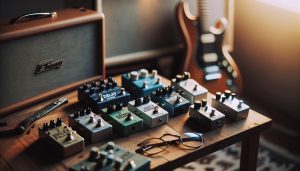
- Effects Pedals: A few key pedals, like overdrive or delay, can expand your sound palette. However, keep it simple-too many effects can clutter your sound during spontaneous sessions.
- Pick and Fingerpicks: Different techniques call for different tools. Carry a variety of picks and consider fingerpicks for more tonal versatility.
Transport and Setup
The way you transport your gear also matters, especially if you’re heading to multiple jam spots. Invest in a good-quality gig bag or hard case that offers adequate protection for your guitar. Moreover, having a portable stand can keep your instrument secure and within reach while you focus on jamming with others. For those who need to amplify their sound, a compact amp with essential controls can help you tailor your sound in different environments without the bulk of larger setups.
In preparation for your sessions, familiarize yourself with the gear you bring along. Knowing how to quickly change strings, adjust tone dials, or use your tuner efficiently will keep you in the groove rather than fumbling through your equipment. Embrace each jamming opportunity as a chance to improve your skills not just on the guitar but also in understanding how your gear works best for your playing style. With the right tools at your disposal, you’ll feel more prepared and confident, ready to dive into the spontaneous magic of a jam session.
Mastering Basic Chords for Jam Sessions
The ability to master basic chords is essential for anyone looking to thrive in a jam session. Chords are the building blocks of songs, and knowing how to transition smoothly between them allows you to keep up with the flow of music and contribute effectively. Musicians often find themselves in situations where a song’s key changes mid-jam, or a soloist takes an unexpected turn; being comfortable with core chords not only enhances your playing but also boosts your confidence to experiment and improvise.
To get started, familiarize yourself with the most common open chords: C, G, D, A, and E. These chords form the foundation of many popular songs across various genres. Spend time practicing switching between these chords; aim for clean transitions that maintain the rhythm. Here’s a simple exercise: select a common chord progression like C-G-Am-F, and strum along while counting out loud to keep time. As you become more comfortable, increase your strumming speed and try different rhythmic patterns to challenge yourself.
It’s also beneficial to explore barre chords, which are slightly more advanced but expand your versatility significantly. They allow you to play chords up and down the fretboard and are particularly useful for playing in different keys. Start by practicing the F and B minor barre chords at the 1st and 2nd frets, respectively, and then experiment with moving these shapes around. This will allow you to play songs in various keys without having to relearn chord shapes entirely.
Finally, remember that jamming is about collaboration and spontaneity. Sometimes, you may need to listen and adjust to the songs chosen by others in the group. Be open to trying different voicings, inversions, or even adding rhythm variations. Engage with fellow musicians-ask about their preferred progressions or styles, and be open to feedback. Ultimately, mastering basic chords not only enhances your playing ability but also fosters an environment of shared creativity and musical exploration during jam sessions.
Rhythm Techniques to Keep the Groove
One of the most crucial aspects of jamming with fellow musicians is the ability to maintain a solid groove that keeps everyone in sync. Rhythm is the heartbeat of music, and as a guitarist, mastering various rhythm techniques can significantly enhance the overall vibe of a jam session. This not only demonstrates your skills but also elevates the group’s performance, allowing for a more enjoyable and cohesive musical experience.
To start, it’s essential to grasp the foundations of rhythm playing. Utilizing strumming patterns can add complexity and texture to your chords. Try experimenting with a basic down-up strum pattern. As you become comfortable, you can incorporate more intricate variations, such as syncopation (placing accents on unexpected beats) or swing rhythms which give a laid-back feel, common in jazz or blues. A simple exercise is to practice alternating between downstrokes and upstrokes while counting beats. This method helps you internalize the rhythm and prepares you to adapt quickly during a jam.
Another effective technique is to explore dynamic playing. Varying your volume and intensity can bring life to your playing. For instance, start with soft strumming and gradually build up in volume as the jam progresses, creating a natural swell that engages listeners. Additionally, focusing on percussive techniques-such as muting the strings with your palm while strumming-can create a rhythmic yet percussive quality that complements other instruments. This aspect of playing not only fills the space but can serve as a fantastic foundation for improvisation.
Lastly, never underestimate the power of being in tune with your fellow musicians; active listening is vital. Pay close attention to the rhythm established by the drummer and bass player, as they typically set the groove. Synchronizing your rhythm with theirs helps to maintain a cohesive musical structure. You can enhance this by discussing the tempo beforehand or even using a metronome during practice sessions. Combining these techniques-strumming patterns, dynamics, and percussive hits-along with attentive listening will not only advance your rhythmic skills but also contribute to a more impactful and enjoyable jam session for everyone involved.
Improvisation Tips for Confident Playing
Improvisation is a vital skill for guitarists participating in jam sessions, providing a creative outlet that can elevate both your playing and the group’s overall musical experience. To feel confident while improvising, start by understanding the basic chord progressions of the songs you’ll be playing; this foundational knowledge allows you to predict chord changes and anticipate where to inject your solos. Familiarize yourself with common progressions such as the I-IV-V or ii-V-I, as they are prevalent in various genres, from rock to jazz.
Listening actively to other musicians is crucial during improvisation. Pay close attention to how the rhythm section interacts, as their grooves offer a framework for your solos. Consider using the pentatonic scale as a springboard for your improvisations; its simplicity allows for easy navigation and can produce compelling melodic lines that fit seamlessly over the chord changes. Here’s a basic outline to follow:
- Start Simple: Use simple phrases and motifs and build complexity as you grow more comfortable with the feel of the jam.
- Vary Your Dynamics: Experiment with playing softer during verses and building to a louder, more intense sound during choruses or climactic points.
- Identify Key Notes: Learn the notes of the chords being played; targeting the root notes of the chords can anchor your solos and make them feel more cohesive.
- Use Call-and-Response: Mimic phrases played by other musicians or respond to their melodies, creating a conversation through your instrument.
Don’t underestimate the power of mistakes; they can lead to unexpected musical ideas. Embrace the spontaneous nature of jam sessions by allowing yourself the freedom to explore uncharted territories. Finally, practice improvisational skills in both solo settings and group environments. This dual approach helps you develop a comfortable improvisational voice while also learning to mesh with others’ playing styles, ultimately enhancing your overall jam session experience.
Mastering improvisation doesn’t happen overnight, but with deliberate practice and an open mindset, you’ll evolve into a more spontaneous and confident musician, ready to shine in any jam session.
Practicing Scales for Better Jamming
Practicing scales is a cornerstone for any guitarist aiming to enhance their performance in jam sessions. Scales not only provide the foundational structure for improvisation but also improve your finger dexterity and familiarity with the fretboard. A well-honed scale practice routine enables you to navigate through different musical genres and their unique chord progressions, increasing your confidence and creativity when playing with others.
Start by mastering the major and minor scales, as they form the basis of many songs you will encounter in jam sessions. These scales typically comprise seven notes, which can be expanded into various modes. For example, familiarizing yourself with the pentatonic scale is a great way to simplify your improvisation process. This five-note scale is particularly effective in genres like blues and rock, allowing you to create catchy solos and phrases that resonate well within a jam setting.
Incorporating Practice Techniques
To maximize your scale practice, consider these techniques:
- Use a Metronome: Practicing scales with a metronome develops your timing and rhythm. Start slowly to ensure accuracy, gradually increasing the speed as you become more comfortable.
- Sequence Patterns: Instead of simply running scales up and down, practice different sequences. For instance, play a scale in thirds or use arpeggios to break the monotony and challenge your mind.
- Apply Dynamics: Experiment with playing scales at varying volumes. This not only improves your control but also makes your playing more expressive.
- Jam Along with Backing Tracks: Use scale knowledge by jamming over backing tracks. This real-world application allows you to hear how scales fit over chords and songs, enhancing your ability to improvise.
Integrating scales into your playing doesn’t have to be tedious. Transform your practice into a fun exploration of sound, experimenting with different fingerings, positions, and styles. The more you practice these elements, the more intuitive your playing will become, ultimately allowing you to contribute more creatively during jam sessions. Remember, progress takes time; be patient and persistent, and you’ll find your confidence and skill flourishing in collaborative musical environments.
The Art of Listening in Jam Sessions
Being attuned to the musical conversations happening around you is vital during jam sessions. Listening actively not only helps you respond more effectively to what your fellow musicians are playing, but it also enhances the overall sonic experience, allowing you to weave your contributions seamlessly into the fabric of the performance. This deep listening skill is what elevates an ordinary jam into an extraordinary collaboration.
When you’re in the midst of a jam session, prioritize hearing the dynamics, phrasing, and changes made by others. For example, if a bandmate shifts to a dramatic crescendo, you can choose to complement that intensity with a subtle rhythm or a counter-melody. Pay attention to the nuances of each instrument; observing how melodies interact can inspire your own improvisational choices. Consider these actionable strategies to improve your listening skills:
- Focus on the Bass: The bass often lays the foundation for harmony and rhythm. By concentrating on these lines, you can better understand the underlying structure of the piece.
- Listen for Changes: Be alert for key changes, shifts in tempo, or unexpected breaks. Anticipating these moments allows you to prepare your response and maintain cohesiveness.
- Engage with Eye Contact: Non-verbal communication through eye contact can create a connection, signaling when to enter or exit a musical phrase.
- Practice Group Dynamics: Regularly jamming with the same musicians can help build a stronger musical rapport, allowing you to predict and respond to each other’s playing styles more intuitively.
The art of listening is about more than just hearing notes; it’s about feeling the music and contributing to the collective energy. When you embrace this mindset, you foster a richer jam session experience, not only for yourself but for everyone involved. By practicing these techniques, you will cultivate a deeper understanding of the ensemble dynamic, transforming your role from a mere participant into a pivotal contributor in the musical dialogue.
Building Musical Chemistry with Fellow Musicians
Creating a harmonious environment during jam sessions is essential for building musical chemistry among fellow musicians. It goes beyond mere participation; it involves listening, responding, and establishing a connection that makes the experience enjoyable for everyone. One key to enhancing this chemistry is to engage in interactive play. When one musician takes a lead with a melody, others can complement it through counter-melodies or harmonies, creating a rich tapestry of sound. This interplay not only enhances the music but also fosters camaraderie among the players.
Strong communication is vital in any group setting, and music is no exception. Use verbal cues or simple gestures to indicate when you want to play a solo or shift the dynamics of the piece. For example, nodding your head or raising your instrument can signal your intent to take over a musical phrase. Establishing these non-verbal cues helps everyone stay informed and connected. Furthermore, be open to feedback-constructive criticism from peers can refine your skills and enhance the group’s overall performance.
Another effective strategy for nurturing musical chemistry is to dedicate time to rehearsing tunes together, even outside of jam sessions. This will not only solidify your group’s repertoire but will also allow musicians to become more attuned to each others’ playing styles. For instance, if you frequently jam with the same musicians, try to explore different genres together to expand your collective musical vocabulary. This exploration can introduce fresh ideas into your jam sessions, making them feel dynamic and exciting.
Ultimately, building musical chemistry is about cultivating a shared experience. The more you invest in understanding and connecting with your fellow musicians, the more cohesive and enriching your jam sessions will become. Embrace the spontaneity that makes jamming special while supporting one another’s creativity, and watch how your collective sound evolves into something truly remarkable.
Exploring Various Musical Genres for Jams
Exploring different musical genres during jam sessions opens up a world of creativity and expression for guitarists. Each genre comes with its own unique rhythms, progressions, and improvisational styles that can enrich your playing and challenge your musicianship. Whether it’s the intricate fingerpicking of folk, the driving force of rock, or the smooth lines of jazz, diving into various genres broadens your musical vocabulary and makes your jams more engaging.
One effective way to start mixing genres is by selecting a few core styles to explore. For example, consider incorporating elements from the following genres into your sessions:
- Blues: Utilize the 12-bar blues structure to practice improvisation with scales. Try different key signatures to develop versatility.
- Jazz: Experiment with jazz chords, such as 7ths and diminished chords, and practice playing around with melodies over complex progressions.
- Folk: Focus on fingerstyle techniques and open tunings to create a more textured sound.
- Rock: Emphasize power chords and rhythm playing. Try to incorporate dynamics by varying your strumming intensity.
- Reggae: Explore offbeat strumming patterns and enjoy the laid-back groove, which can dramatically shift the mood of a session.
To fully immerse yourself, consider setting aside specific jam sessions dedicated to exploring one genre at a time. This can help deepen your understanding and ability to play within that genre’s framework. Additionally, don’t hesitate to borrow techniques or motifs from one genre to apply to another; for instance, a bluesy riff can be adapted into a rock context for a fresh take.
Engaging in genre exploration not only enhances your skill set but also fosters a collaborative spirit among fellow musicians. Embrace the spontaneity and excitement that comes from trying something new together, and you may find unexpected harmonies and melodies emerging from your collective performances. As you venture into diverse musical landscapes, your playing will evolve, making each jam session a unique experience filled with creativity and connection.
Advanced Tips for Elevating Your Jam Experience
To truly elevate your jam experience, embracing a few advanced strategies can make all the difference in your performance and the overall collaborative atmosphere. One of the most effective ways to enhance your jamming is through effective communication and non-verbal cues. This can include establishing a set of signals for transitions, key changes, or when to pick up the tempo. For example, making eye contact or using hand gestures can help keep everyone in sync, allowing for a fluid musical conversation that feels organic rather than scripted.
Incorporate dynamic variations during your sessions as well. Altering the intensity, volume, and rhythm can transform a simple jam into an engaging experience. For instance, during a solo, you can experiment with building tension by gradually increasing your attack before dropping back to a softer strumming pattern for contrast. This approach not only keeps the music interesting but also invites your fellow musicians to respond and react dynamically, enhancing the collective energy of the performance.
Another key aspect is focusing on groove and timing. Advanced players know that maintaining a solid rhythm is essential for a successful jam. Use the metronome in practice to develop a strong sense of timing, and encourage your bandmates to do the same. Once in a session, pay close attention to the groove and consider employing techniques like syncopation or polyrhythms to create a more complex, engaging sound that entices participation and improvisation from other musicians.
Lastly, always keep an open mindset toward improvisation. Instead of sticking doggedly to preconceived solos or melodic lines, allow yourself the freedom to explore new musical ideas and motifs spontaneously. For example, if a fellow musician plays a particularly compelling riff, be willing to play around it, building on or contrasting with what they introduce. This collaborative spirit not only deepens your musical connections but also fosters an atmosphere ripe for creativity. Embrace the unpredictable nature of jamming; it can lead to some of the most memorable musical moments of your life.
Common Jamming Mistakes and How to Avoid Them
Mistakes during jam sessions can dampen the experience and hinder musical growth, but recognizing and addressing these pitfalls can lead to more fruitful collaborations. One common error is overplaying; musicians sometimes forget that less can be more. It’s tempting to showcase technical skills or flaunt complex riffs, but instead, focus on how your contributions serve the song and the overall groove. Aim for clarity and space, allowing other players to shine as well. This leads to a more cohesive sound and invites participation from everyone.
Another frequent misstep is a lack of preparation regarding key signatures and song structures. Arriving at a jam without knowing the basic key or arrangement can disrupt flow and frustrate fellow players. To avoid this, familiarize yourself with common chords and progressions in different genres. Before starting, discuss the song structure with your group; this sets a clear roadmap and minimizes confusion, making the music more enjoyable for all involved.
Additionally, poor listening skills can significantly affect jamming outcomes. Musicians need to actively listen to each other to build on ideas and adapt during the session. Block out distractions and attune your ears to what other instruments are doing. For instance, if a guitarist strays into a solo, notice their rhythm and intonation so you can complement rather than clash. This attentiveness fosters an environment of synergy and creativity, enhancing the performance.
Lastly, anxiety and self-doubt can stifle expression. Newcomers may fear playing in front of established musicians, leading to tentative playing or second-guessing choices. Embrace an open mindset; remind yourself that jams are about exploration and fun rather than perfection. Encourage one another to take risks musically, knowing that mistakes are part of the process. The more comfortable you feel, the more confident your contributions will become, enriching the session for everyone involved. By being mindful of these common mistakes and actively working to avoid them, you can elevate both your experience and that of your fellow musicians in the collaborative jam space.
Preparing for Your First Jam Session: What to Know
Jumping into your first jam session can be both exciting and intimidating, but with the right preparation, you can set yourself up for a rewarding experience. Understanding the informal nature of jam sessions is key; musicians gather to explore music together, often without structured rehearsals. This environment encourages creativity and spontaneity, so come with an open mind and a willingness to adapt.
First, ensure that your instrument is ready to go. Spend time on practical maintenance: check your guitar’s tuning, clean the strings, and verify that your gear-such as cables and pedals-is in good condition. Having your equipment in top shape not only boosts confidence but also allows you to focus more on the music than on technical issues. Familiarize yourself with common jamming equipment, including amplifiers and effects pedals, so you can easily use what’s available.
Knowing chord progressions and popular songs can greatly enhance your participation. Before you arrive, brush up on versatile chords like G, C, D, and A minor, which frequently appear in many jam standards. It can also be helpful to learn the basic structures of popular songs in various genres. This knowledge allows you to jump in on tunes quickly and follow the flow of the music. Don’t hesitate to ask fellow musicians about their favorite songs or genres, as this can form the basis of your initial jam.
Lastly, remember that effective communication is crucial during a session. Discuss song key signatures, tempos, and intended styles with fellow players to ensure everyone is on the same page. Utilize listening skills to gauge the dynamics and energy of the group. Being aware of the ensemble’s movements fosters collaboration and keeps the performance cohesive. Embrace the experience as a fantastic opportunity for growth, enjoyment, and the forging of new musical friendships.
Frequently Asked Questions
Q: What is the best way to prepare for a jam session?
A: To prepare for a jam session, familiarize yourself with common songs and chords that are likely to be played. Bring your essential gear and practice your improvisation skills. Additionally, listen to different music styles to enhance your versatility and adaptability during the jam.
Q: How can I improve my improvisation skills for jamming?
A: Improving your improvisation skills involves regularly practicing scales and arpeggios. Use backing tracks to experiment with different licks and phrases. Additionally, studying solos from your favorite guitarists can provide insight into effective improvisation techniques.
Q: What should I bring to a jam session?
A: Essential items for a jam session include your guitar, a tuner, picks, extra strings, and possibly a music stand. Consider bringing a notebook to jot down interesting riffs or suggestions from other musicians to enhance your learning experience.
Q: How can I build musical chemistry with other musicians during a jam?
A: Building musical chemistry occurs through active listening and communication. Pay attention to your fellow musicians’ playing styles and respond musically to what they play. Sharing ideas and expressing openness to collaboration also fosters a supportive jamming environment.
Q: What genres should I explore to enhance my jamming capabilities?
A: To enhance your jamming capabilities, explore various genres like blues, rock, jazz, and folk. Each genre offers unique chord progressions and improvisational styles, helping broaden your musical vocabulary and making you a more versatile player.
Q: How do I avoid common mistakes during jam sessions?
A: To avoid common jamming mistakes, focus on listening more than playing. Be cautious about overpowering other musicians and ensure your tempos align. Practicing simple parts well and being open to feedback can also enhance your experience.
Q: What are some effective rhythm techniques for jamming?
A: Effective rhythm techniques for jamming include mastering basic strumming patterns and learning to play in different time signatures. Utilizing dynamics and accents can keep your playing engaging and help complement the overall groove of the session.
Q: When should I take the lead during a jam session?
A: Take the lead during a jam session when you feel confident with a portion of the song, or when there’s a natural opening in the conversation among musicians. Communicate with others by making eye contact or nodding to signal your intent to lead.
Wrapping Up
Now that you’ve uncovered the secrets to jamming with your guitar, it’s time to put your newfound knowledge into action! Remember, the key to mastering your skills lies not just in practicing alone, but also in collaborating with others. Dive deeper into your jam sessions by exploring our guide on essential guitar gear and discover tuning methods that’ll elevate your sound to the next level. Don’t hesitate to check out our step-by-step tutorials on chords and scales, specifically designed for players at all levels.
Feel inspired? Share your jam session experiences in the comments below or let us know your favorite tips! If you found this guide helpful, consider signing up for our newsletter to receive exclusive content aimed at enhancing your musical journey. Keep playing, keep sharing, and remember: every session is an opportunity to grow. With your enthusiasm, the sky’s the limit!