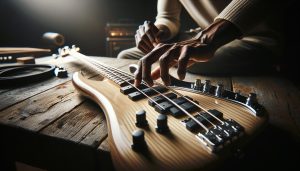
Are you ready to unlock the deep, resonant world of bass guitar? Mastering the low end is not just essential for any band; it’s the backbone of music that drives rhythm and connects melody to harmony. Whether you’re a complete beginner or looking to refine your skills, understanding the art of playing bass will enhance your musicality and empower your creativity. This guide, “How to Play Bass Guitar: Master the Low End Fast,” will provide you with step-by-step tutorials, gear advice, and techniques designed for all skill levels. Dive in to discover how to choose the right bass, perfect your tuning, and effectively apply scales and chords to elevate your playing. As you explore, you’ll find that every note you play not only adds depth to your music but also brings you closer to becoming the bassist you aspire to be. Let’s start this exciting journey together!
Understanding the Bass Guitar: Essential Basics

Playing the bass guitar is a profound experience that connects musicians to the very foundation of music-the rhythm. The bass guitar may appear simpler than its six-string counterpart, but it plays an essential role in nearly every music genre, from jazz to rock to funk. Understanding the nuances of the bass guitar not only enhances your playing but deepens your appreciation for the music you create.
A standard bass guitar typically features four strings, tuned to E, A, D, and G, which correspond to the lowest notes most commonly required in music. This tuning allows the bass to deliver rich, resonant tones that form the backbone of a band. But beyond just tuning, the construction of the instrument matters-wood types, body shape, and pickups contribute significantly to the instrument’s overall sound. For instance, a bass with a solid body made from ash or alder will offer different tonal characteristics compared to one crafted from mahogany.
When starting your bass journey, it’s crucial to grasp basic techniques, such as finger placement and plucking. The right-hand technique often includes both fingerstyle and slap styles, which lend themselves to various music genres. Meanwhile, your left hand needs practice in fretting notes cleanly to avoid buzzing and ensure a clear sound. As you become more comfortable, exploring scales and arpeggios will enrich your skillset and enhance your ability to improvise across genres.
In summary, embracing the essential basics of bass guitar opens a world of musical possibilities. Whether you’re incorporating subtle groove changes to a track or laying down a thumping bassline, the journey of mastering this instrument not only boosts your confidence but also cultivates a deeper relationship with music itself. As you progress, remember that every great bassist started where you are now-patience and practice are your best companions.
Choosing the Right Bass Guitar: A Comprehensive Guide
When it comes to selecting the ideal bass guitar, the choices can be overwhelming. With a variety of brands, shapes, and features available, understanding the nuances that suit your style is essential in making the right decision. A good bass not only fits your hand and is comfortable to play, but it also complements your musical aspirations, whether you’re jamming in a garage band or performing on a big stage.
To start, consider the body shape of the bass. Common options include solid, semi-hollow, and hollow body designs. Solid body basses, like those from Fender or Gibson, are the most popular among rock and funk musicians due to their sustain and tonal clarity. On the other hand, semi-hollow or hollow body models tend to offer a warmer sound, making them great for jazz or blues styles.
Another crucial aspect is the number of strings. While the traditional four-string bass is the most widely used, many musicians explore five-string or six-string models for expanded range and versatility. If you’re new to bass, starting with a four-string might make your learning curve less steep. As you progress, you can explore additional strings which allow for broader note coverage and richer harmonies.
In addition to body shape and string count, think about pickups-the heart of your instrument’s tone. Single-coil pickups provide a bright, detailed sound, while humbuckers deliver a fuller, warmer tone by cancelling out interference. This choice is particularly important depending on the style of music you enjoy playing. If you’re looking for versatility, consider models with both pickup types, enabling you to switch between sounds effortlessly.
Lastly, don’t forget about the budget. High-quality bass guitars can range from affordable models under $500 to boutique options that cost several thousand. It’s essential to balance quality with price; many excellent instruments cater to various budgets. Brands like Squier, Yamaha, and Ibanez offer great entry-level basses without sacrificing sound quality.
By thoughtfully evaluating these aspects-body shape, number of strings, pickup types, and budget-you can confidently choose a bass guitar that resonates with your musical journey, setting the stage for your growth as a bass player. Whether you’re strumming along with friends or laying down deep grooves for a band, the right instrument will inspire your creativity and enhance your connection to the music you love.
Tuning Your Bass Guitar: Tips for Perfection

Tuning your bass guitar is not merely a necessary step before playing; it’s a foundation that defines the sound and playability of your instrument. While a well-tuned bass creates a pleasant harmonic experience, an out-of-tune instrument can quickly derail a performance and hinder your growth as a musician. Fortunately, with the right techniques and tools, achieving perfect tuning can be both simple and effective.
Start with a reliable tuner. Whether it’s a clip-on tuner, a pedal tuner, or a tuning app on your smartphone, having an accurate device ensures you hit the correct pitch. The standard tuning for a four-string bass guitar is E1, A1, D2, and G2 from the lowest to highest string. When tuning, pluck each string gently and allow the note to sustain as you adjust the tuning pegs. A common mistake is to tune too rapidly; take your time and listen closely to ensure precision.
To enhance your tuning technique, consider using harmonics. By lightly touching the string at the 5th and 7th frets and comparing the pitches, you can fine-tune your bass more accurately. When the harmonic pitches match up, your guitar is in tune. This method is particularly helpful during performances when quick adjustments are essential.
Maintaining consistent tuning is equally crucial. Climatic changes, humidity, and even the pressure of playing can slightly alter your tuning. Regularly check your bass before rehearsals and gigs to avoid any unexpected surprises. If you find that your strings go out of tune frequently, it might be worth considering upgrading to higher-quality strings or examining the tuning mechanics. Remember, keeping your bass guitar well-maintained not only prolongs its life but significantly contributes to ensuring that your instrument holds its tune beautifully over time.
Mastering Bass Guitar Techniques: From Plucking to Slapping

Mastering various playing techniques on the bass guitar can elevate your musicianship and help you create dynamic and engaging bass lines. Each technique-from plucking to slapping-serves a unique purpose and can significantly enhance your overall sound and versatility.
One of the foundational techniques is plucking. This involves using the index and middle fingers to strike the strings, allowing for a clear and controlled sound. To achieve a smooth plucking technique, start by positioning your thumb on the pickup and allowing your index and middle fingers to alternate in striking the strings. This method not only maintains a steady rhythm but also helps in developing finger strength and speed. Practice playing scales with this technique to get comfortable with the feel and sound of each note.
As you progress, fingerstyle techniques can offer more depth to your playing. By incorporating dynamics into your plucking, you can create contrasting effects-softly plucking notes during a verse and hitting them harder during a chorus, for example. This approach allows for a fuller emotional expression in your performances. Another aspect to explore is muting; learning how to mute strings with your left hand while plucking can prevent unwanted noise and help you articulate your notes more precisely.
When you’re ready for more advanced playing, slapping and popping can become your go-to techniques for funk and rock styles. Slapping involves striking the string with your thumb to create a powerful, percussive sound, while popping uses your fingers to pull the string and then let it snap back against the fretboard. To master these techniques, start by practicing slow, deliberate motions. Gradually increase your speed while focusing on maintaining clarity and skinning the strings effectively. The synchronization of left-hand fretting and right-hand slapping creates a full, rhythmic groove that’s essential for many modern genres.
As you experiment with these techniques, it’s vital to remain adaptable and attentive to your sound. Recording yourself or playing along with your favorite tracks can highlight areas for improvement, helping you to refine your approach. By integrating these techniques into your practice routine, you can develop a robust skill set that enhances not only your playing style but also the overall dynamics of any ensemble you join. Keep challenging yourself, and you’ll find that mastering these techniques opens up a new world of creativity on the bass guitar.
Essential Gear for Bass Players: Must-Have Accessories

The right gear can make a world of difference in your bass playing journey. As you dive into the world of low-end music, having the essential accessories not only enhances your sound but also improves your playing experience. Whether you’re a beginner or a seasoned player, there are several must-have items that can elevate your musicianship and ensure you get the most from your instrument.
One of the most fundamental accessories is a set of quality bass strings. Strings come in various gauges and materials, impacting tone and playability. For new players, starting with medium gauge nickel rounds can provide a balanced tone. As you progress, you may want to experiment with different materials like stainless steel for a brighter sound or flatwound strings for a smoother, more vintage feel.
A reliable tuner is another critical accessory. While many amplifiers and pedals include tuning features, a dedicated clip-on tuner can be particularly effective for quick adjustments. Proper tuning is vital for ensuring that your bass sounds its best during practice and performance. Don’t overlook the importance of a good strap, either. A padded strap helps distribute weight evenly, allowing for comfortable sessions, especially during long gigs.
Lastly, considering protective gear such as a quality gig bag or hard case for your bass will safeguard your instrument during transport. Keeping your bass in good condition is essential for maintaining its sound quality and longevity. Additionally, investing in a small pedalboard with effects such as compression or overdrive can help you shape your unique sound, making your bass lines even more engaging.
By equipping yourself with these essential accessories, you’ll not only improve your own playing experience but also enhance your sound, ultimately making you a more confident musician ready to tackle any musical challenge that comes your way.
Building Your Bass Line: Crafting Compelling Rhythm
Crafting a compelling bass line is an art that lies at the heart of music. The bass serves as the rhythmic and harmonic foundation of a song, connecting the rhythmic elements with the harmonic structure. A great bass line not only supports the melody but also drives the energy and feel of the music, making it essential for players to develop skills in rhythm and creativity. Whether you are writing your own compositions or laying down grooves as a support for a band, understanding how to build a bass line effectively will enhance your musical journey.
To start, it’s crucial to grasp the concept of rhythm. This includes understanding different note values (quarter notes, eighth notes, and so on) and how they interact with the beat of a song. For example, playing a steady quarter note on the downbeat can create a solid pulse, while a syncopated rhythm can add intrigue and groove-think of the classic Jamaican offbeat. Practicing with a metronome can help you internalize these rhythms, enabling you to lock in with the drummer and create a cohesive sound.
Another vital aspect of building a bass line is incorporating chord tones and intervals. Often, a bass line will outline the chord progression of a song. Start by targeting the root notes of each chord, then experiment by adding the third and fifth to create fuller harmonies. Additionally, using passing tones-notes that connect chord tones-can help maintain the flow of the line and keep it interesting. For instance, if you’re moving from a C chord to an Am chord, you might use a B note as a passing tone, creating a smooth transition.
When crafting your bass line, don’t shy away from experimentation. Improvisation can lead to unexpected and creative ideas. You might try different techniques like slides, hammer-ons, or pull-offs to add flavor to your playing. Also, consider the dynamics of the music. Think about when and how to vary your volume and intensity; playing softer during verses and building to a climactic chorus can guide the emotional trajectory of the song.
Lastly, listen to a wide range of music to discover what makes each bass line effective. Pay attention to how different genres utilize rhythm and melody differently. From the intricate walking bass lines in jazz to the punchy, repetitive grooves in funk, every style offers a wealth of inspiration. The more you absorb, the more you’ll find your own voice as a bassist, leading to unique and compelling bass lines.
By focusing on rhythm, harmony, and creativity, you can craft bass lines that resonate within any musical context, enriching your skills as you develop your unique sound.
Learning Scales and Chords: The Foundation of Bass Playing
To master the art of playing bass guitar, understanding scales and chords is crucial. As the backbone of music, scales and chords provide the foundation upon which bass lines are built. They not only inform the notes you play but also influence the overall sound and mood of the music. By familiarizing yourself with various scales and their respective chords, you’ll enhance your ability to create compelling bass lines that complement any genre.
Start with the major and minor scales, as these are fundamental. The major scale has a happy and bright quality, while the minor scale can convey a more somber mood. Begin by learning the notes in these scales and practice playing them in different positions on the neck of your bass. This will improve your finger dexterity and help you navigate the fretboard with greater ease. For instance, the C major scale consists of the notes C, D, E, F, G, A, and B, while the A minor scale includes A, B, C, D, E, F, and G. Once you’re comfortable with these patterns, try playing them in reverse or using rhythmic variations to further develop your skills.
Next, explore chords and their relationships with scales. Understanding how chords are constructed will help you identify the root, third, and fifth notes in a chord. For example, the C major chord is made up of the notes C, E, and G. By applying this knowledge to your bass playing, you can create lines that not only support the harmonic framework of a song but also add depth and texture. Remember to practice playing arpeggios-the notes of a chord played in succession-as this will improve your timing and accuracy.
To further your learning, incorporate scale patterns and exercises into your daily practice routine. Use techniques such as fingerpicking, slapping, or popping to explore different articulations and dynamics. Don’t hesitate to experiment with seventh and ninth chords, which can add richness to your bass lines and give you new melodic options. Active listening is also key; pay attention to how other bassists use scales and chords to inform their playing, and try to emulate these techniques to expand your repertoire.
By diligently practicing scales and chords, you’ll build a solid foundation that enhances your ability to construct effective and engaging bass lines. This knowledge not only empowers you as a musician but also sets you on the path to becoming a confident and versatile bassist, ready to tackle any musical challenge that comes your way.
Exploring Bass Guitar Styles: Genres and Techniques
The versatility of the bass guitar allows it to seamlessly transition across a myriad of musical genres, each characterized by its own unique techniques and stylistic choices. Whether you’re drawn to the groove-heavy beats of funk, the rhythmic drive of rock, or the intricate lines of jazz, understanding these styles can significantly enhance your playing and expand your creative possibilities.
In rock music, the bass serves as a foundational element, driving the rhythm and supporting the harmonic structure. Bassists often use techniques such as palm muting and pick playing to achieve a more aggressive sound. Classic rock songs frequently feature simple, yet powerful bass lines that lock in with the drums, creating a tight groove that is essential for the style. As you explore this genre, focus on the importance of locking in with your bandmates, particularly the drummer, to create a solid and cohesive sound.
Funk, on the other hand, demands a more intricate approach to bass playing. Here, the bass is not just a supportive instrument but a lead voice in the rhythm section. Techniques such as slap and pop, dead notes, and ghost notes are commonly utilized to add texture and complexity to the bass lines. Listening to legendary funk bassists like Victor Wooten or Larry Graham can provide inspiration and insight into the genre’s signature sound. Incorporate syncopated rhythms and practice creating your own catchy phrases that resonate with funk’s saturated groove.
In the realm of jazz, the bass often plays both harmonic and melodic roles, requiring an understanding of chord changes and improvisational skills. Jazz bassists frequently use walking bass lines, which provide a steady pulse while allowing for melodic movement through chord tones. To become proficient in jazz, work on developing your ear-this will help you recognize chord progressions and anticipate harmonic changes. Experimenting with complex rhythms and scales will also enhance your playing, allowing you to contribute to the fluid and evolving nature of jazz music.
For aspiring bassists, exploring these diverse styles not only improves technical ability but also broadens your musical vocabulary. Don’t hesitate to mix techniques from various genres; many modern bassists successfully blend styles to create their unique sound. By immersing yourself in the styles that interest you, you can develop a personal voice on the instrument that reflects your individual taste and creativity. Ultimately, your journey through different bass guitar styles will bolster your confidence and unleash your potential as a versatile bassist.
Improving Your Play: Practice Tips for Bass Guitarists
To truly elevate your bass guitar playing, consistent practice with purpose is essential. Engaging in focused exercises not only hones your technical skill but also develops your musicality and confidence. An effective practice session should blend scales, patterns, songs, and technique-building exercises. By integrating these elements, you’ll create a well-rounded practice routine that addresses all aspects of your playing.
Begin each session with a warm-up to loosen your fingers and improve dexterity. Simple finger exercises can include chromatic scales or the five major scales. These not only warm up your hands but also help in finger positioning and improving speed. Additionally, practicing with a metronome can enhance your timing and rhythm, allowing you to lock in more solidly with drummers and other rhythm sections as you progress.
Incorporating music theory into your practice can greatly enhance your understanding of the instrument. Spend time learning the fretboard notes and how they relate to the chords you play. This understanding will empower you to improvise during jams or songwriting sessions. To put theory into practice, try playing along with backing tracks or songs, aiming to replicate the bass lines or create your own while fitting within the harmonic structure.
Don’t underestimate the importance of recording your practice sessions. Listening back will help you identify areas for improvement-whether it’s timing issues, technique flaws, or just general musicality. Setting specific goals for each session, like mastering a particular scale or a challenging riff from a song you love, can also keep you motivated and track your progress effectively. Remember, quality practice is often more beneficial than quantity; focus on improving specific skills or sections rather than just playing through pieces. Consistency is key: aim for regular, shorter sessions rather than sporadic, lengthy practices to maximize retention and skill growth.
Maintaining Your Bass Guitar: Care and Repair Essentials
Taking proper care of your bass guitar can significantly extend its life and ensure that it always sounds its best. Regular maintenance is essential, not only to keep your instrument in optimal playing condition but also to retain its value over time. Many players overlook the importance of a well-maintained bass; however, even simple steps can lead to a noticeable difference in performance.
Cleaning and Care
It’s crucial to keep your bass clean and free from dirt, sweat, and grime. Use a microfiber cloth after each session to wipe down the body and neck to remove residue. For deeper cleaning, consider using a specialized guitar polish that is safe for your instrument’s finish. The fretboard, often neglected, should be cleaned with appropriate oils (like lemon oil for rosewood) to prevent dryness, while maple fretboards can be cleaned with a damp cloth.
String Maintenance
Strings are indeed the lifeblood of your sound. Regularly changing your strings is pivotal for maintaining tonal clarity and brightness. Depending on how often you play, you might want to change them every few weeks or even sooner for heavier use. Additionally, consider using coated strings that resist corrosion, which can be a game changer, especially for players who sweat a lot. Keeping your strings clean by wiping them down after each use can also extend their life.
Periodic Setup Checks
Regular setups are essential for optimizing playability. Check the neck relief, action, and intonation every couple of months. If your bass seems off or feels difficult to play, it might be time for a setup by a professional or some DIY adjustments. Learning basic adjustments-like truss rod tweaks, bridge adjustments, and pickup height-can empower you and keep your instrument performing flawlessly.
Storage and Environment
The environment where you store your bass can greatly affect its condition. Always use a hard case or padded gig bag when transporting your instrument, and avoid exposing it to extreme temperatures or humidity. A humidity-controlled space is ideal; investing in a hygrometer can help monitor levels in your practice or storage area.
By incorporating these care and maintenance practices into your routine, you can ensure your bass guitar not only continues to deliver exceptional sound but also remains a companion for many musical journeys to come.
Taking Your Sound Further: Effects and Amplification
Unlocking the full potential of your bass guitar isn’t just about mastering finger placement or perfecting your slap technique; it heavily relies on how you shape your sound through effects and amplification. In today’s musical landscape, the right gear can transform a straightforward bassline into a rich and resonant foundation that captures the audience’s ear. Whether you’re playing in a small venue or a large arena, understanding the tools at your disposal can elevate your performance and help you express your artistic vision more effectively.
When exploring sound effects, consider the powerful impact of pedals. Some popular effects that bass players utilize include distortion, which adds growl and grit to your tone; compression, which evens out your dynamics for a more controlled sound; and chorus, offering a lush, expansive feel to your playing. Additionally, experimenting with delay and reverb can create atmospheric soundscapes that enhance your bass lines in various musical contexts. Make sure to choose pedals that preserve the low end, as many effects can unintentionally muddy the foundational frequencies of your instrument.
Amplification is equally crucial in defining your sound. Your choice of amp not only affects the loudness but also the tonality of your output. For optimal performance, consider using a tube amplifier for its warm, rich sound, or a solid-state amplifier for a clean and reliable tone. Investing in a quality cabinet that complements your amp’s power will also ensure that your sound translates well on stage. Experiment with speaker configurations; for instance, a 4×10 cabinet can offer punchy midrange, while a 1×15 is often favored for a deep, full bottom end.
Lastly, always be conscious of your EQ settings. Playing with the bass, mid, and treble controls can dramatically alter how your sound cuts through the mix. In band settings, find a balance that allows your bass to lock in with the drums while still sitting pleasantly in the overall sound. It’s often helpful to have a soundcheck where you can adjust your settings in real-time, ensuring your tone complements other instruments.
By thoughtfully engaging with effects and amplification, you not only enhance your bass guitar’s sound but also gain the ability to create dynamic and engaging performances that stand out in any musical ensemble. Embrace the tools of sound manipulation to elevate your low-end mastery!
Playing with Others: Dynamics of Bass in a Band
To truly thrive as a bassist in any musical ensemble, it’s essential to understand that your role extends beyond just keeping time. The bass guitar serves as the bridge between rhythm and melody, anchoring the harmonic foundation of a band while providing a subtlety that can shape the overall sound. When playing with others, your ability to lock in with the drummer and communicate effectively with other musicians is critical. This partnership creates a cohesive groove that drives the music forward, making it imperative for you to develop a strong sense of timing and an ear for dynamics.
Effective communication is vital in a band setting; thus, active listening should be your priority. Pay close attention to the drummer’s patterns, as the bass line often complements the kick drum. For instance, when the kick drum emphasizes beats one and three, aligning your bass hits accordingly can create a powerful rhythmic impact. Additionally, maintaining eye contact and being aware of your bandmates’ cues will keep everyone synchronized and engaged. Regular group rehearsals can foster this dialog, allowing you to refine your interactions and adapt your playing style to fit various genres and song dynamics.
Another critical aspect of ensemble performance is dynamics. Knowing when to lay back and support the music with subtle fills, as opposed to driving the rhythm with bold, energetic lines, can make a tremendous difference. A common practice is to use soft dynamics during verses and intensify your playing during choruses or bridges to elevate the excitement. This variation not only demonstrates your versatility as a bassist but also enhances the emotional delivery of the song.
It’s also worth exploring different bass techniques that add variety to your playing style. Incorporating slides, harmonics, and ghost notes can provide texture to your bass lines, making them more engaging. For example, using a slide to transition between notes can create a smooth fluidity that enhances melodic sections, while ghost notes can inject a percussive quality that complements the rhythm. By mastering these techniques, you’ll not only solidify your role within the band but also contribute uniquely to the overall sound.
By focusing on effective communication, dynamics, and technique, your presence as a bassist will become indispensable, leading to a more enjoyable and powerful musical experience for both you and your bandmates. Embrace the collaborative spirit of music-making, and don’t hesitate to experiment and innovate as you navigate your journey as a bassist.
Q&A
Q: How can I improve my fingerstyle technique on bass guitar?
A: To enhance your fingerstyle technique, practice alternating your fingers when plucking the strings. Start slow, focusing on accuracy and rhythm. Gradually increase your speed, using a metronome for precise timing. Explore finger exercises and patterns to build muscle memory and strength.
Q: What are some common mistakes beginners make when playing bass guitar?
A: Beginners often struggle with inconsistent timing, improper finger placement, and not using enough muting techniques. Regularly recording your practice sessions can help identify these issues. Focus on mastering basic scales and rhythms before advancing to complex techniques to solidify your foundation.
Q: How can I develop a unique sound on the bass guitar?
A: Developing a unique sound involves experimenting with various techniques, effects, and playing styles. Try using different pickup settings, adding effects like distortion or chorus, and playing along with different musical genres to find your voice. Regular practice and exploration are key.
Q: What should I focus on while practicing scales on bass guitar?
A: Focus on finger positions, timing, and dynamics while practicing scales. Use a metronome to keep consistent speed, and experiment with different rhythms. This will enhance both your muscle memory and your ability to play scales fluidly in different musical contexts.
Q: When is the best time to change bass guitar strings?
A: Change your bass strings when you notice a loss of tone quality, increased string noise, or if they feel gritty. Regular players might change strings every 1-4 weeks, while lighter players might do so every few months. Keep an eye on your playing style and maintenance.
Q: How can I collaborate effectively with a drummer as a bassist?
A: Collaborate by establishing a solid groove and sync your bass lines with the drummer’s kick drum patterns. Communicate openly about tempo and dynamics during rehearsals, and consider playing simple bass lines that complement the drum patterns for tighter performances.
Q: What are some effective ways to learn bass guitar online?
A: Utilize online courses, video tutorials, and virtual lessons that offer structured guidance. Platforms like YouTube have countless instructional videos. Additionally, practice regularly and seek feedback from online communities to enhance your learning experience.
Q: How can I use ear training to improve my bass playing?
A: Ear training helps you recognize intervals, chords, and progressions by ear. Practice identifying notes and melodies without looking at sheet music. Use apps or resources that focus on ear training exercises to develop your musical ear, making you a more versatile bassist.
Final Thoughts
Now that you’ve discovered how to play bass guitar and master the low end fast, it’s time to put your knowledge into action! Remember, practice is key; the more you play, the more comfortable and skilled you will become. If you’re eager to dive deeper, check out our detailed tutorials on tuning methods and gear reviews to help you select the best equipment for your journey. Explore our maintenance guides to ensure your bass stays in top shape, and don’t miss our buying advice for the perfect upgrades.
Take the next step in your musical journey-sign up for our newsletter for weekly tips and exclusive resources that will keep you motivated! We would love to hear about your experiences, so feel free to share your thoughts in the comments. Your feedback not only helps us improve but also inspires fellow bass enthusiasts. Keep the rhythm alive, and let’s continue to learn and grow together in the world of music!