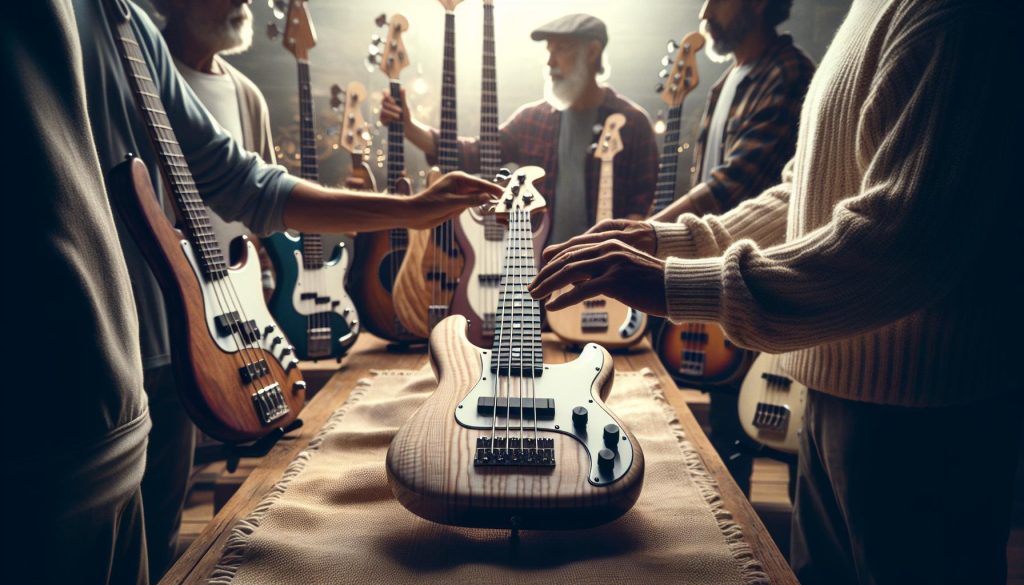
When considering the purchase or sale of a bass guitar, understanding its market value is crucial. Did you know that factors like brand reputation, age, and condition can significantly influence a bass guitar’s worth? For musicians, the ability to estimate a guitar’s value not only aids in making informed buying decisions but also helps in negotiating prices and recognizing a good investment. Whether you’re a seasoned player looking to upgrade or a beginner exploring your options, grasping these real market values can empower your journey in the music world. Dive into our exploration of current market trends, essential tips for evaluating instruments, and what you can expect when navigating the bass guitar landscape. Discovering the true worth of a bass guitar is not just about numbers; it’s about making choices that enhance your musical experience.
Understanding Bass Guitar Pricing Factors
Understanding the value of a bass guitar involves multiple factors that can significantly influence its pricing. First and foremost, the brand plays a pivotal role, as established brands like Fender and Gibson often maintain higher resale values due to their reputation and quality. Model lines within those brands are equally important; limited editions or signature models tend to command premium prices.
The materials used in construction, including the type of wood and hardware, can also affect value. Guitars crafted from high-quality materials or those that feature unique finishes usually fetch higher prices. Additionally, features such as active vs. passive electronics, number of pickups, and hardware quality further impact valuation. For instance, instruments with advanced electronics or custom modifications might appeal to a specific audience willing to pay more.
Equally essential is the condition of the instrument. A well-cared-for bass guitar with minimal wear will always be valued higher than one with physical damage or significant signs of use. Buyers and sellers should evaluate every aspect, from the condition of the fretboard to the functionality of the electronics, to determine the appropriate price. Understanding these factors empowers both buyers and sellers to engage in informed transactions, ensuring they maximize value in their bass guitar dealings.
Current Market Trends for Bass Guitars

The bass guitar market is witnessing exciting trends that reflect not only the evolving tastes of musicians but also the impact of technological advancements and market dynamics. With the resurgence of genres such as funk and rock, the demand for quality bass instruments has seen a marked increase. Moreover, the rise of home recording and online collaboration due to the digital age has prompted many players to invest in better gear that enhances sound quality.
In today’s marketplace, several factors dictate pricing and trends. To start with, the proliferation of custom and boutique bass guitars has introduced a significant range in pricing. These instruments, often handcrafted using premium materials, can fetch high prices among enthusiasts looking for unique tones or styles that mass-produced guitars may not offer. On the other hand, reputable brands are innovating their flagship models, integrating modern technologies like active pickups, on-board effects, and advanced materials, which keeps their instruments in high demand and often at premium prices.
Another pivotal factor shaping the current market is the influence of social media and online platforms where musicians showcase their work. This visibility not only drives trends but also affects the resale value of bass guitars. For instance, the popularity of an artist can directly enhance the desirability of specific models associated with them, leading to increased prices for those instruments. Players hoping to keep abreast of these trends can also leverage various online communities and forums, where discussions about gear and pricing occur regularly, helping them stay informed.
To gauge the current market appropriately, musicians should remain vigilant about seasonal sales and promotions that many retailers and online stores offer. Whether you’re a seasoned player or just starting out, understanding these market nuances will empower you to make informed purchasing decisions, ensuring you invest wisely in your musical journey.
Evaluating Condition: How It Affects Value

Evaluating the condition of a bass guitar is crucial when determining its market value. A well-cared-for instrument not only maintains its playability but also retains its financial worth. Factors such as wear and tear, modifications, and even age can significantly influence a guitar’s price. For instance, instruments that show minimal signs of use-with little to no scratches, dents, or hardware corrosion-are often priced higher than their more battered counterparts.
When assessing a bass guitar’s condition, consider these key areas:
- Body Condition: Look for chips, scratches, or any structural damage. Wood cracks or finish deterioration can lower value.
- Neck and Fretboard: Check for warping or twists in the neck, and examine the fretboard for wear. Worn frets can require costly repairs.
- Electronics: Ensure that pickups, pots, and switches are functioning correctly. Faulty electronics can deter buyers and affect price.
- Hardware: Inspect tuning machines, bridge, and other hardware for corrosion or damage, as these components are essential for optimal performance.
Additionally, originality can play a significant role in value assessment. A bass guitar that still carries its original hardware and pickups is generally more desirable than one that has been heavily modified. Collectors and serious players often prefer instruments in their original state, as modifications can lead to inconsistencies in sound and playability.
Understanding these factors will not only help in determining the current market value of your bass guitar but also empower you to make informed decisions when purchasing or selling. A thorough evaluation can mean the difference between a fair sale and a missed opportunity to maximize your investment.
Comparing Prices: New vs. Used Bass Guitars
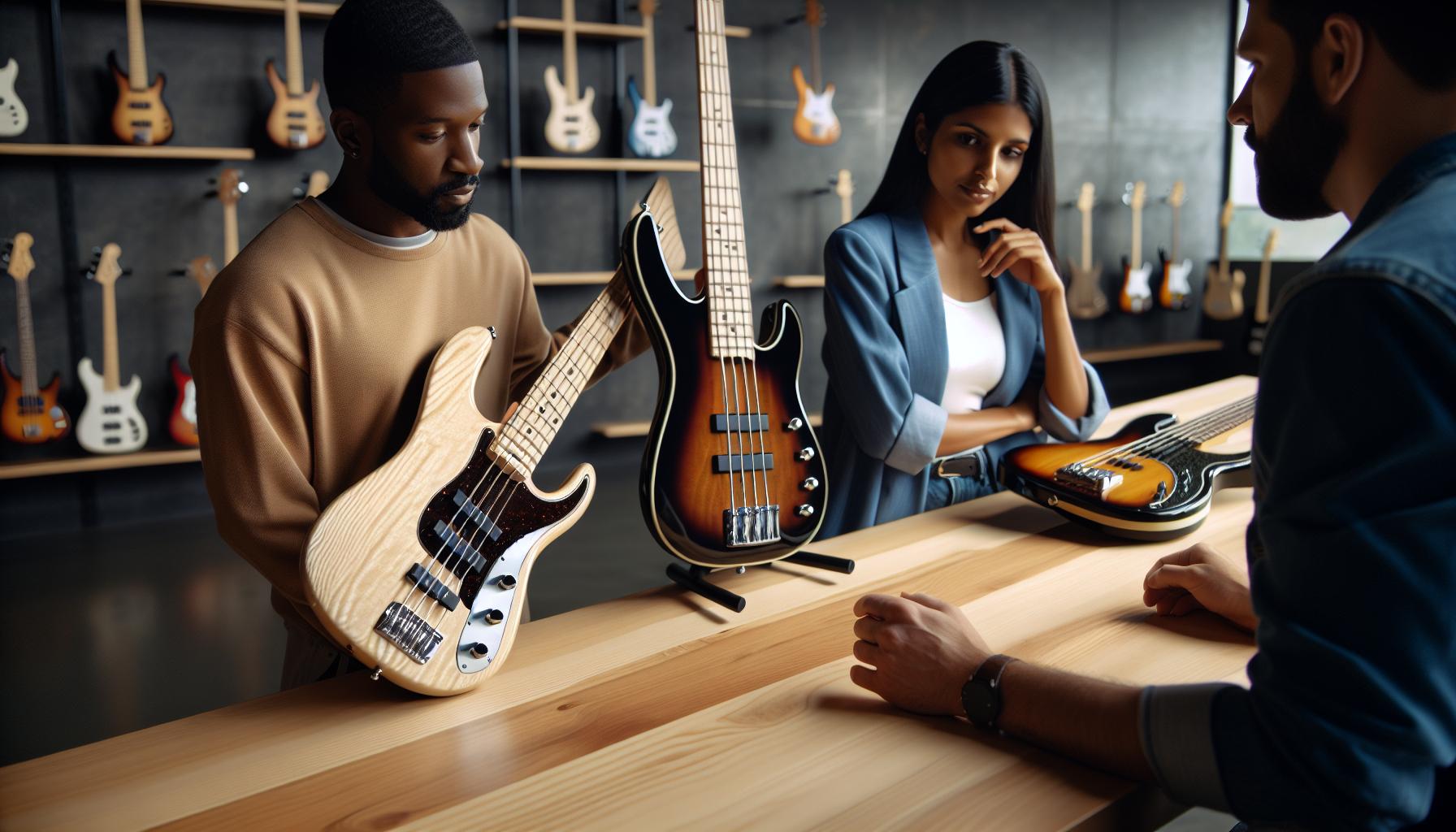
When considering the purchase of a bass guitar, one of the most significant factors influencing your decision will be whether to invest in a new instrument or opt for a used one. Both options have their distinct advantages and potential drawbacks, which can impact not only your wallet but your playing experience as well. New bass guitars typically come with the latest technology, pristine finishes, and full warranties, offering peace of mind to buyers who prefer a hassle-free experience. However, they often carry a hefty price tag. For instance, entry-level models can range from $300 to $700, while high-end models may start at $1,200 and can significantly exceed that depending on brand and features.
On the other hand, the used market can be a treasure trove for savvy musicians, with prices often being substantially lower than their new counterparts. You’ll find a wide range of options, from vintage classics that can add character and warmth to your sound, to barely played instruments that still have many years left in them. For example, a used Fender Precision Bass might sell for anywhere between $600 and $1,500, depending on its condition and age, which can be a significant savings compared to buying new. However, it’s essential to conduct a thorough evaluation of any used instrument, checking for wear and tear, electronics functionality, and overall condition, as these factors can affect the longevity and value of your purchase.
Investing in a used bass can also allow you to acquire higher-quality instruments that may be out of reach if purchased new. Instruments from reputable brands like Music Man, Ibanez, or Warwick may offer features and craftsmanship that could elevate your playing experience. This might allow you to experience premium pickups, versatile electronics, or superior build quality.
Ultimately, the choice between new and used hinges on your personal preferences, budget, and intended use. If you’re looking for a reliable instrument that you can take to gigs or practices without concern over wear, a new bass might be your best bet. Conversely, if you’re a player looking for character, depth, and potentially significant savings, exploring the used market could lead to finding an instrument that resonates with you both musically and financially.
Rare and Vintage Bass Guitars: Worth the Investment?

Rare and vintage bass guitars are not just instruments; they are pieces of music history. The appeal of these instruments lies in their unique character, tonal qualities, and craftsmanship that often surpasses modern mass-produced models. For many musicians, owning a rare or vintage bass is as much a matter of passion and identity as it is about financial investment. Instruments like the Fender Precision Bass from the 1960s or the Rickenbacker models that defined rock music are examples of how these guitars can carry significant value, both emotionally and financially.
When considering a rare or vintage bass guitar, it’s essential to evaluate its condition, provenance, and any modifications. Instruments that remain unmodified, and in good playing condition, generally appreciate in value. For instance, a Fender Jazz Bass from the late ’70s, especially one with its original pickups and paint job, can fetch thousands of dollars at auction or from private sales. Understand that the investment should also align with your playing style and needs; a vintage bass that fits your sound can enhance your performance and personal connection to music.
Collectively, these instruments represent a niche market that not only appeals to collectors but also to working musicians who appreciate the distinct tone and feel of vintage gear. Additionally, as more players discover these unique sounds, the appreciation for high-quality instruments remains steady. When investing, ensure that you research market trends, consult with appraisers or trusted dealers, and potentially seek out instruments at estate sales or auctions, where rare finds often occur.
In summary, while rare and vintage bass guitars can be a worthwhile investment, they also require careful consideration and knowledge of the market. Invest in what resonates with you musically, and always consider how these instruments can enhance not just your collection but your playing experience as well.
Brand Reputation: Impact on Bass Guitar Value
The brand reputation of a bass guitar can significantly influence its market value, impacting everything from resale prices to desirability among musicians. Renowned brands like Fender and Gibson are synonymous with quality and craftsmanship, often leading to higher prices compared to lesser-known manufacturers. This premium can be attributed to several factors, including history, artist endorsements, and the legacy of sound associated with these brands. For instance, a Fender Precision Bass is not just a popular choice; it’s a musical icon that has shaped countless genres, making it a sought-after instrument with a correspondingly high value.
When assessing the impact of brand reputation, consider how it plays into your purchasing decisions. Investing in a well-regarded brand often translates to better resale value down the line. Collectors and musicians frequently seek out models from brands with a proven track record of quality and innovation, such as Music Man for its unique tonal qualities, or Rickenbacker for its unmistakable sound and vintage appeal. In contrast, less established brands may struggle to maintain consistent value, particularly if they are not recognized for high-quality manufacturing.
Moreover, the reputation of a brand extends beyond simple aesthetics and build quality; it encompasses an emotional connection for many players. Musicians often develop a loyalty to certain brands based on personal experience, endorsements from favorite artists, or even the sound character associated with specific models. This emotional investment can lead to increased demand, further pushing up market values. Limited editions and artist signature models can also command premium prices due to their unique branding and perceived exclusivity.
In conclusion, understanding how brand reputation impacts bass guitar value is crucial for making informed buying decisions. Whether you’re a beginner choosing your first instrument or a seasoned player looking to invest in your collection, knowing which brands hold their value and why can give you a significant advantage in the marketplace. Aim to align your choice with brands that resonate with your musical identity, ensuring your investment is not only financially sound but also personally fulfilling.
Accessories and Customizations: Are They Worth It?
When delving into the world of bass guitars, it’s crucial to consider how accessories and customizations can enhance both playability and value. The right additions not only personalize your instrument but can also significantly influence its resale value and overall appeal. From upgraded pickups and strings to custom finishes and hardware, these enhancements can transform a standard bass into a unique instrument that better suits your playing style and sonic preferences.
Choosing to invest in high-quality accessories can yield noticeable improvements in sound and functionality. For instance, swapping out stock pickups for premium brands can provide a richer tone, greater clarity, and improved versatility. Quality strings are essential as well; the right set can not only affect the feel of your bass but also its sustain and overall sound quality. Moreover, customizing your bass with new knobs, bridges, or even tuners can further enhance its performance and may be attractive to potential buyers when it’s time to sell.
Another important consideration is the aesthetic aspect of customizations. A visually striking bass, whether through a unique paint job or custom inlays, can draw attention and may command a higher price in the market. Potential buyers often pay a premium for instruments that stand out, especially if they have bespoke elements that reflect a musician’s personality or style. However, it’s important to balance the cost of these customizations with their potential to increase value – ensuring that you’re not overspending on features that won’t provide a return.
Ultimately, accessorizing and customizing your bass guitar can be worthwhile investments, both for enhancing your own playing experience and for maximizing its market value. While some modifications may be purely personal, others can significantly affect performance and appeal. When choosing enhancements, consider not only your current needs but also how these changes align with potential buyers’ desires, enhancing the overall worth of your instrument.
Tips for Buying a Bass Guitar on a Budget
When you’re embarking on the journey of purchasing a bass guitar, sticking to a budget doesn’t mean compromising on quality or playability. With the variety of instruments available today, it’s possible to find a great bass guitar that fits your financial constraints. Initial planning and research are essential, and knowing where to look can make all the difference.
Start by identifying your budget range based on your playing goals. Are you a beginner looking for your first bass, or an experienced player in need of a backup? For beginners, brands like Squier, Yamaha, and Ibanez offer reliable instruments at more affordable prices, typically ranging from $200 to $500. For seasoned players, exploring second-hand markets can yield high-quality instruments at better prices. Websites such as Reverb, eBay, or local classifieds can feature underpriced gems just waiting for the right player to find them.
Consider broadening your search parameters. Sometimes, stepping away from brand names or trending models opens up more affordable options that still deliver great sound and playability. Importantly, keep an eye out for sales at local music stores or online retailers during holidays or special events, where discounts can significantly reduce prices. For those open to slightly older models, vintage instruments in good condition can also provide excellent value, so check local shops or estate sales.
Lastly, don’t underestimate the power of negotiation. Many sellers are willing to discuss prices, especially in private transactions. Equipping yourself with knowledge about the fair market value of the bass you’re eyeing can help you make a compelling case for a lower price. Keep your communication friendly but assertive, as a well-structured conversation can often yield surprising results.
By being strategic in your search and open-minded about options, you can discover a bass guitar that not only fits your aesthetic and functional preferences but also aligns with your budget, ensuring that your investment brings joy for many jam sessions to come.
Selling Your Bass Guitar: Maximizing Value
When it comes to selling a bass guitar, understanding how to maximize its value is crucial for achieving a profitable transaction. Several factors come into play that can significantly affect your instrument’s worth, such as its condition, brand reputation, and market demand. Preparing your bass guitar for sale involves more than just listing it at a price; it’s about presenting it in the best light to attract potential buyers.
Start by ensuring your bass guitar is in prime condition. This involves a thorough cleaning, changing any worn-out strings, and making minor repairs if necessary. Buyers are more inclined to pay top dollar for an instrument that looks and plays well. Consider documenting any upgrades or modifications you’ve made, as unique features can appeal to specific buyers and justify a higher price point. For example, if you’ve swapped out passive pickups for higher-quality active ones, highlight this in your listing.
Next, research similar bass guitars currently on the market-especially those in comparable condition-to price yours competitively. Check platforms like Reverb and eBay for real-world selling prices, and create a table outlining their features alongside yours. This not only helps you understand the value better but also positions you to educate potential buyers during negotiations.
Utilize great photography and detailed descriptions when listing your bass guitar online. Pictures should be clear, showcasing both the body and any unique features, while your description should be informative, explaining the model year, condition, and any included accessories. A good presentation can significantly affect how buyers perceive value. Lastly, don’t shy away from negotiation; being flexible with pricing or offering bundled deals with accessories can entice buyers and lead to a successful sale.
Negotiation Strategies for Bass Guitar Purchases
Negotiating the purchase of a bass guitar can feel daunting, but with the right strategies, it can also be a thrilling experience that leads to a successful transaction. One essential tactic is to come prepared with thorough research so you can confidently discuss the guitar’s features and fair market values. Understand the original retail price of the model you’re interested in, the selling prices of similar used models, and any unique features that may influence value. Platforms like Reverb, eBay, and local listings can be invaluable resources for this information.
When entering negotiations, consider starting with a slightly lower offer than what you’re willing to pay. This gives you room to negotiate upwards while showing that you’re serious about purchasing the guitar. For instance, if you have your eyes set on a bass priced at $600, you might offer $500 initially. This also opens up the potential for mid-range offers that can be appealing to both you and the seller. Keep in mind the seller’s reasons for listing the guitar; understanding their motivations can grant you further leverage in discussions. If they are eager to sell quickly, they may be more open to your offer.
It’s also vitally important to communicate clearly with the seller. Express sincere interest in the instrument and mention what specifically attracts you to it-this helps build rapport and trust. Inquire about its history, maintenance, and any modifications made. The more you know, the better positioned you will be to assess its value. Furthermore, if you bring cash, especially in a private sale, it can expedite the process and motivate the seller to consider closing the deal.
Lastly, be prepared to walk away if the deal doesn’t meet your expectations. This is perhaps the most powerful negotiation tactic you can employ. Indicating that you are not desperate for the purchase can shift the negotiation dynamics significantly, sometimes leading the seller to rethink their asking price. By maintaining a calm and confident demeanor throughout the process, you enhance your chance of walking away not just with a great bass guitar, but at a price you feel great about too.
Common Mistakes to Avoid When Pricing
When pricing a bass guitar, it’s crucial to navigate the process with care and attention to detail to avoid common pitfalls that can lead to misvaluation. One of the most prevalent mistakes is not conducting thorough research on comparable models. Buyers often overlook the considerable variance in prices based on brand, condition, and market demand. Taking the time to check platforms like Reverb or eBay can reveal vital insights, ensuring you’re not overpricing or underpricing your instrument.
Another frequent error involves neglecting to assess the condition of the bass guitar accurately. It’s essential to consider not just cosmetic appearances but also playability and sound quality. Misjudging the condition can lead to an inflated price that fails to merge with potential buyer expectations. To avoid this, players should consider consulting with a professional or an experienced musician to gain an impartial evaluation.
Emotional Attachment Can Cloud Judgment
Emotional bias can greatly influence the pricing process. Musicians often form deep connections with their instruments, which can distort realistic market value. While personal significance is understandable, it’s essential to detach emotions from the pricing decision. Approach the transaction from a commercial standpoint rather than sentimental value. This shift in perspective can help align expectations with actual market trends and buyer interests.
Lastly, one should beware of the “one-size-fits-all” mindset when it comes to pricing strategy. Different types of bass guitars may warrant different pricing approaches. For instance, vintage models may attract collectors willing to pay a premium, while newer, mass-produced guitars might require competitive pricing. Tailoring your pricing strategy based on the specific demands and nuances of each instrument can significantly enhance your selling effectiveness and satisfaction.
By avoiding these common mistakes, you can set a more accurate, competitive price for your bass guitar, making the selling process smoother and more rewarding.
Resources for Finding Accurate Bass Guitar Values
Finding the right resources to determine the value of a bass guitar is essential for both buyers and sellers. With a plethora of online marketplaces, forums, and price guides, it’s important to navigate these tools effectively to obtain an accurate assessment. One of the most reliable starting points is dedicated guitar marketplaces, such as Reverb and eBay. These platforms not only allow you to view current listings, but they also often feature completed sales data that can provide insight into what buyers are willing to pay for specific models.
Another valuable resource is online guitar databases and forums. Websites like Harmony Central and Basschat host discussions that can reveal trends among musicians and collectors regarding various brands and models. Engaging with these communities can help you understand current market sentiments and collective opinions on specific instruments. Such interactions can also lead to more personalized advice from seasoned musicians who have firsthand experience with similar guitars.
When considering the historical value, consulting music industry publications and collector’s guides can be beneficial. These sources often provide in-depth analyses and valuations of vintage and rare guitars, noting influential factors such as brand reputation and unique features. For vintage bass guitars, resources like the Vintage Guitar Price Guide can offer specific insight into historical pricing trends, making it a critical tool for serious buyers and sellers alike.
Lastly, don’t underestimate the power of professional appraisals. If you possess a bass guitar that is particularly valuable or rare, consulting a certified appraiser can provide an expert evaluation that considers various factors, including condition, modifications, and market demand. Professional advice may come at a cost, but it often pays off by guaranteeing that you achieve a fair sale price. By leveraging these resources effectively, you can make informed decisions and navigate the bass guitar market with confidence.
Q&A
Q: What factors influence the resale value of a bass guitar?
A: The resale value of a bass guitar is influenced by several factors including brand, condition, age, and demand. Also, features like pickups, materials, and any modifications play a crucial role. For detailed insights, refer to the “Understanding Bass Guitar Pricing Factors” section of our article.
Q: How does the brand affect a bass guitar’s market value?
A: Brand reputation significantly impacts a bass guitar’s market value, with renowned brands generally commanding higher prices due to perceived quality and demand. Therefore, it’s essential to consider brand influence when assessing a bass guitar’s worth.
Q: Are vintage bass guitars always worth more than newer models?
A: Not necessarily. While vintage bass guitars can fetch high prices due to rarity, market trends and player preferences also dictate value. It’s essential to evaluate the specific model’s demand and condition to determine worth accurately.
Q: What is the average price range for beginner vs. professional bass guitars?
A: Beginner bass guitars typically range from $150 to $500, while professional models often start at $800 and can exceed $5,000. This price variation reflects differences in craftsmanship, materials, and brand reputation.
Q: How can I evaluate the condition of a used bass guitar before buying?
A: To evaluate a used bass guitar, inspect the neck for warping, check for fret wear, and ensure electronics function properly. Look for signs of damage or modifications that may affect value. Refer to the “Evaluating Condition” section for a comprehensive guide.
Q: What are common mistakes to avoid when pricing a bass guitar?
A: Common mistakes include overpricing due to sentimental value, underestimating brand influence, and failing to account for market trends. For a deeper understanding, check the section on “Common Mistakes to Avoid When Pricing.”
Q: How do accessories and customizations impact a bass guitar’s resale value?
A: Accessories and customizations can enhance a bass guitar’s resale value if they improve playability or sound quality. However, they may also detract from value if they do not appeal to potential buyers. Explore more in the “Accessories and Customizations” section.
Q: Where can I find reliable resources for pricing bass guitars?
A: Reliable resources for pricing bass guitars include online marketplaces, music stores, and dedicated guitar valuation forums. The “Resources for Finding Accurate Bass Guitar Values” section provides additional insights for effective pricing comparisons.
In Summary
Now that you’ve uncovered the real market values of bass guitars, it’s time to put that knowledge to use! Whether you’re buying, selling, or simply contemplating your next purchase, understanding these values can elevate your decisions. Don’t stop here-check out our guides on bass guitar maintenance and gear reviews to ensure you get the best out of your instrument.
Feeling inspired? Join our newsletter for the latest updates and tips tailored for every musician’s journey. Remember, knowledge is power, and staying informed helps you make confident choices. Dive deeper into our tutorials on tuning methods and chord progressions to enhance your skills. We’re here to support you every step of the way as you explore the bass guitar world. Share your thoughts below, and let’s keep the conversation going!