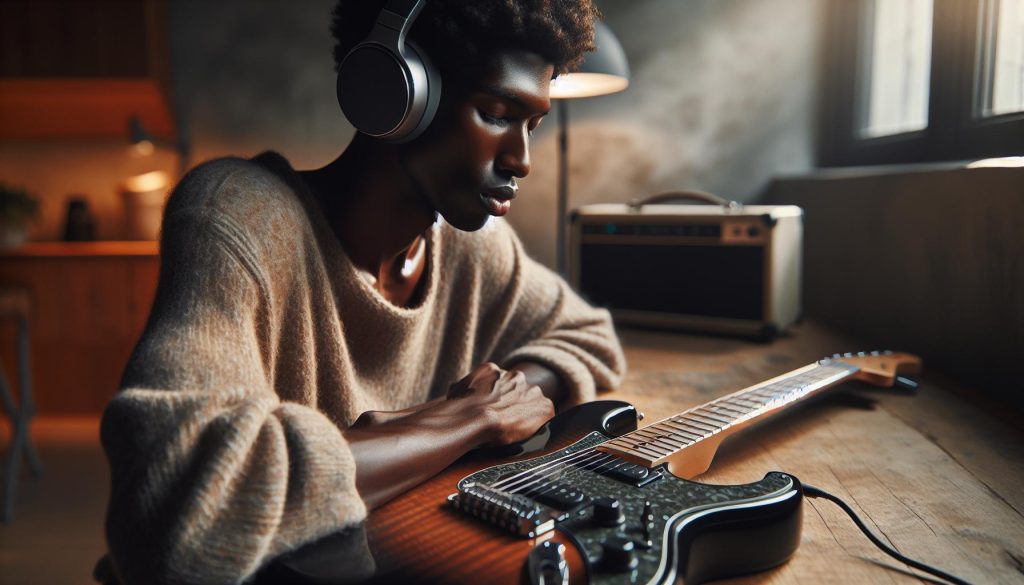
Finding the right headphones for electric guitar can elevate your practice sessions, allowing you to hear every nuance of your playing without disturbing others. Whether you’re a seasoned player looking to refine your tone or a beginner eager to practice quietly, the right pair of headphones can make all the difference. With so many options on the market, it’s essential to choose headphones that not only fit your budget but also enhance your overall sound experience. In this article, we’ll explore seven game-changing headphone options under $200 that deliver exceptional quality, comfort, and functionality for any guitarist. Get ready to unlock your potential and enjoy your music like never before!
Choosing the Right Electric Guitar Headphones for You
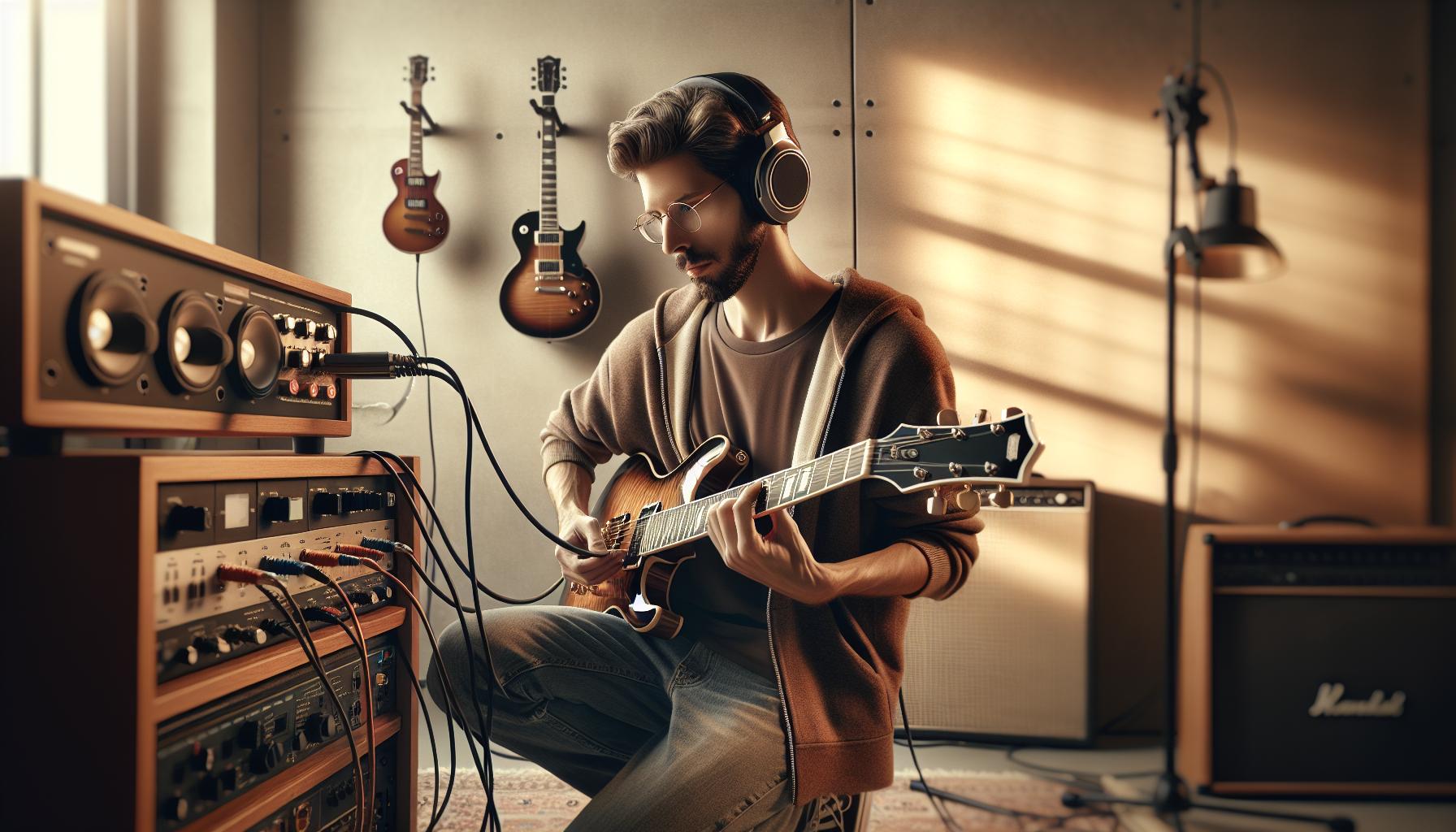
Choosing the right headphones for playing electric guitar can significantly enhance your practice sessions and overall musical experience. When diving into the vibrant world of guitar sounds, the importance of high-quality audio cannot be overstated. The right pair of headphones can allow you to hear subtle nuances in your playing, make it easier to critique your performances, and immerse you in the sonic landscape you’re creating, all without disturbing those around you.
To find the perfect match, consider the specific functionalities of your practice routine. For example, if you’re playing along with tracks or using backing tracks, look for headphones that deliver a balanced sound profile and are comfortable to wear for extended periods. Features like closed-back designs can provide better noise isolation, allowing you to focus on your playing without external distractions. Additionally, the impedance rating of the headphones can determine how well they match the output of your practice equipment; lower impedance headphones are generally easier to drive with portable devices or practice amps.
When browsing options, also think about durability and design. Guitarists often move around while playing, so lightweight and foldable designs can enhance portability, making it easier to transport your gear. Look for models with cushioned ear cups that provide comfort, especially during long practice sessions. Some headphones come equipped with a detachable cable, which can be a practical feature to prevent damage during transport and storage.
Ultimately, exploring different brands and testing various models can help you find that perfect pair that complements your unique style and preferences. Whether you’re a beginner or a seasoned player, investing in a high-quality set of headphones is not just a purchase; it’s a step towards unlocking your full potential as a guitarist.
Top Features to Look for in Guitar Headphones
Choosing the right headphones for electric guitar playing can be a game-changer for your practice sessions. With so many options available on the market, it’s crucial to pinpoint features that will enhance not only your sound experience but also your overall comfort and mobility while playing. Here are some essential factors to consider when selecting the perfect pair of headphones.
Sound Quality
One of the most critical aspects of headphone selection is sound quality. Look for headphones that offer a flat frequency response, which allows for a more accurate representation of your tone. This is particularly important when practicing with effects or backing tracks, as it ensures clarity and prevents any audio coloration that could misrepresent your playing. Also, consider headphones with a good dynamic range, allowing you to easily hear softer nuances without distortion at higher volumes.
Comfort and Fit
Given that practice sessions can often extend for long durations, comfort should be a top priority. Look for headphones with padded ear cups and an adjustable headband to ensure a snug, yet comfortable fit. Closed-back designs can help provide better isolation from external noise, keeping you immersed in your music without distractions. Additionally, lightweight models are preferable for long wear, minimizing fatigue.
Portability and Durability
As a guitarist, you might find yourself moving around often, whether going to a jam session or a rehearsal space. Opt for foldable headphones that are easy to pack away or durable materials that can withstand the rigors of transport. A detachable cable is also a valuable feature, reducing the risk of damage while ensuring easy replacements if the cable wears out over time.
Connectivity Options
Finally, consider the type of connectivity that matches your practice setup. While wired headphones typically provide better sound quality and eliminate concerns over battery life, wireless options can offer convenience and freedom of movement. If you choose wireless headphones, look for low-latency models to keep audio in sync with your playing, especially if using backing tracks.
By focusing on these key features-sound quality, comfort, portability, and connectivity-you can make an informed choice that aligns with your unique playing style and practice needs, ensuring a more enjoyable and productive experience every time you pick up your guitar.
Comparative Review: 7 Best Electric Guitar Headphones Under $200
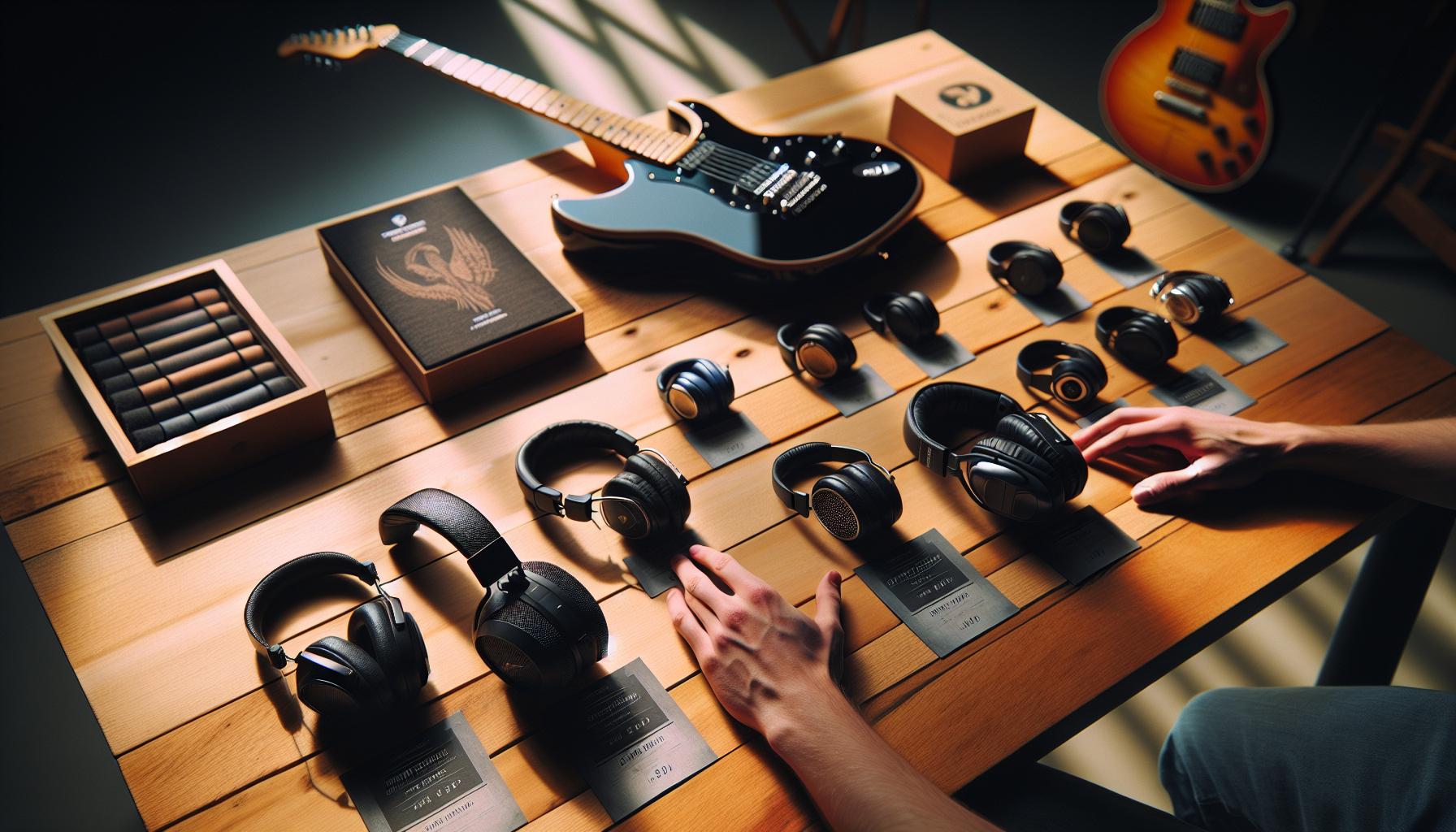
When it comes to finding the right headphones for electric guitar under $200, the market offers a compelling mix of options that cater to various playing styles and preferences. Whether you prioritize sound quality, comfort, or portability, knowing what to look for can make all the difference in your practice sessions or performances. Below are seven standout headphone models that consistently receive high marks from guitarists, paired with important features to consider.
1. Audio-Technica ATH-M50x
Renowned for their exceptional sound quality, the Audio-Technica ATH-M50x headphones feature a closed-back design that provides excellent noise isolation. Their over-ear cushions offer great comfort, making them ideal for long practice sessions. Plus, they have a robust build quality, ensuring durability throughout years of heavy use.
2. Sony MDR-7506
These studio headphones are a favorite among professionals for their flat frequency response, which delivers an accurate sound representation. The lightweight design and comfortable ear pads make them a great choice for extended play. Additionally, their foldable design enhances portability, making them a perfect match for the gigging musician.
3. Beyerdynamic DT 770 Pro
Available in different impedances, the Beyerdynamic DT 770 Pro provides flexibility for both studio and live settings. Their well-padded ear cups ensure comfort, while their high isolation helps keep external noise at bay. These headphones are great for players looking to hear every detail of their sound without disturbances from the environment.
4. Sennheiser HD280 Pro
The Sennheiser HD280 Pro is highly praised for its impressive noise isolation and comfortable fit. With a frequency response that supports a wide range of music styles, these headphones are perfect for guitarists who need to hear how their instrument blends with backing tracks and effects. Their foldable design also enhances portability.
5. AKG K240 Studio
A semi-open design contributes to a natural sound quality and balanced audio. The AKG K240 Studio headphones are often favored for their comfort during long sessions and their versatility across various genres. While they may not block out external noise as effectively as closed-back headphones, their sound stage is wider, allowing for an immersive listening experience.
6. Vox amPlug 2 Headphone Amp
While not traditional headphones, the Vox amPlug 2 can be an excellent companion for guitarists looking to practice silently. This compact headphone amplifier plugs directly into the guitar and allows you to listen through your favorite headphones while getting authentic amp tones. It’s incredibly portable and user-friendly, making it a go-to for practice on the go.
7. Corsair HS50 Pro
Although marketed primarily for gaming, the Corsair HS50 Pro has features that appeal to musicians. With a comfortable over-ear design, excellent sound quality, and a durable frame, these headphones are also quite affordable. The detachable microphone is an added bonus for those who might want to engage in streaming or recording alongside their guitar practice.
Choosing the right headphones can significantly elevate your playing experience. Each of these models offers something unique, whether it’s impeccable sound quality, comfort for long sessions, or portability for practice on the go. When selecting headphones, consider your specific needs-whether for practice, recording, or live performance-to find the perfect match to enhance your guitar journey.
How to Maximize Sound Quality with Your Headphones
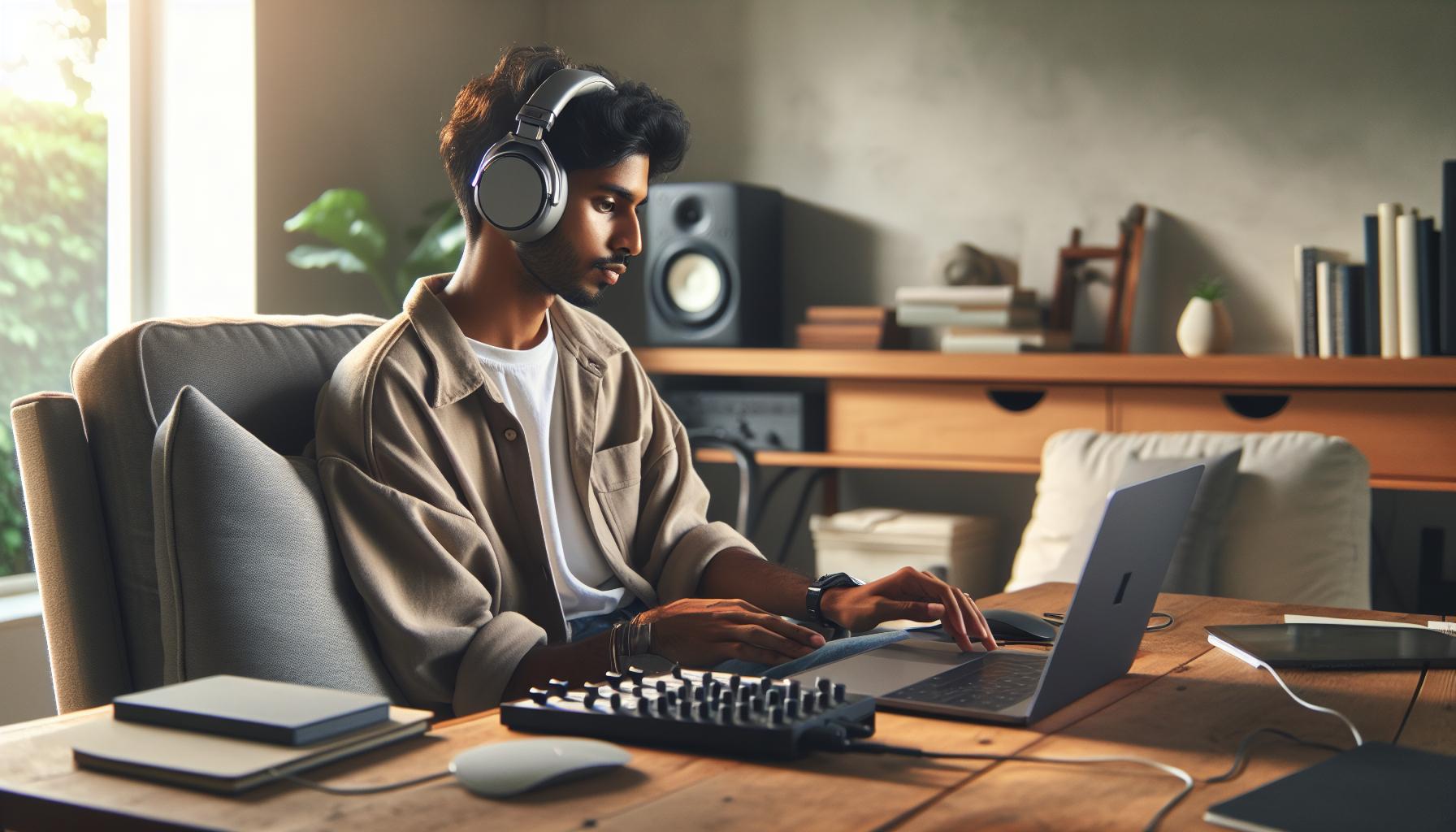
Maximizing sound quality when using headphones for electric guitar can drastically enhance your playing experience, allowing you to hear subtleties in your sound that can inform your practice and performance. Ensuring optimal sound quality involves attention to setup, maintenance, and environment, enabling you to enjoy the full spectrum of your instrument’s capabilities.
One crucial aspect to consider is the source quality of your audio. Using high-quality recordings or sound sources will naturally lead to better output through your headphones. Whether practicing with backing tracks or using effects pedals, ensure that the output signal is clean. Pair your headphones with a decent audio interface or a quality amplifier (like the Vox amPlug 2) to maintain fidelity up to the source level, preventing any degradation of sound as it travels to your ears.
In addition to using quality sources and gear, cable management plays a key role in sound quality. Ensure that your headphone cables are undamaged and free from twists or knots that could introduce noise. If you’re opting for wired headphones, consider investing in high-quality cables or adapters specifically designed for audio fidelity. For wireless options, maintaining a good battery charge and ensuring a clear line of sight between your headphones and transmitter can dramatically reduce potential dropouts or sound quality loss, allowing for a more seamless experience.
Lastly, the environment you practice in can significantly influence sound quality. Ensure your practice area is conducive to clear audio-avoiding overly noisy areas with echoes can help maintain sound clarity. If possible, choose an acoustically treated room or utilize soundproofing materials to minimize external noise interference. As you optimize these aspects, you’ll not only improve the overall sound quality but also enhance your learning and performance, bringing you closer to the sound you strive to achieve with your guitar.
Wired vs. Wireless: Best Options for Guitarists
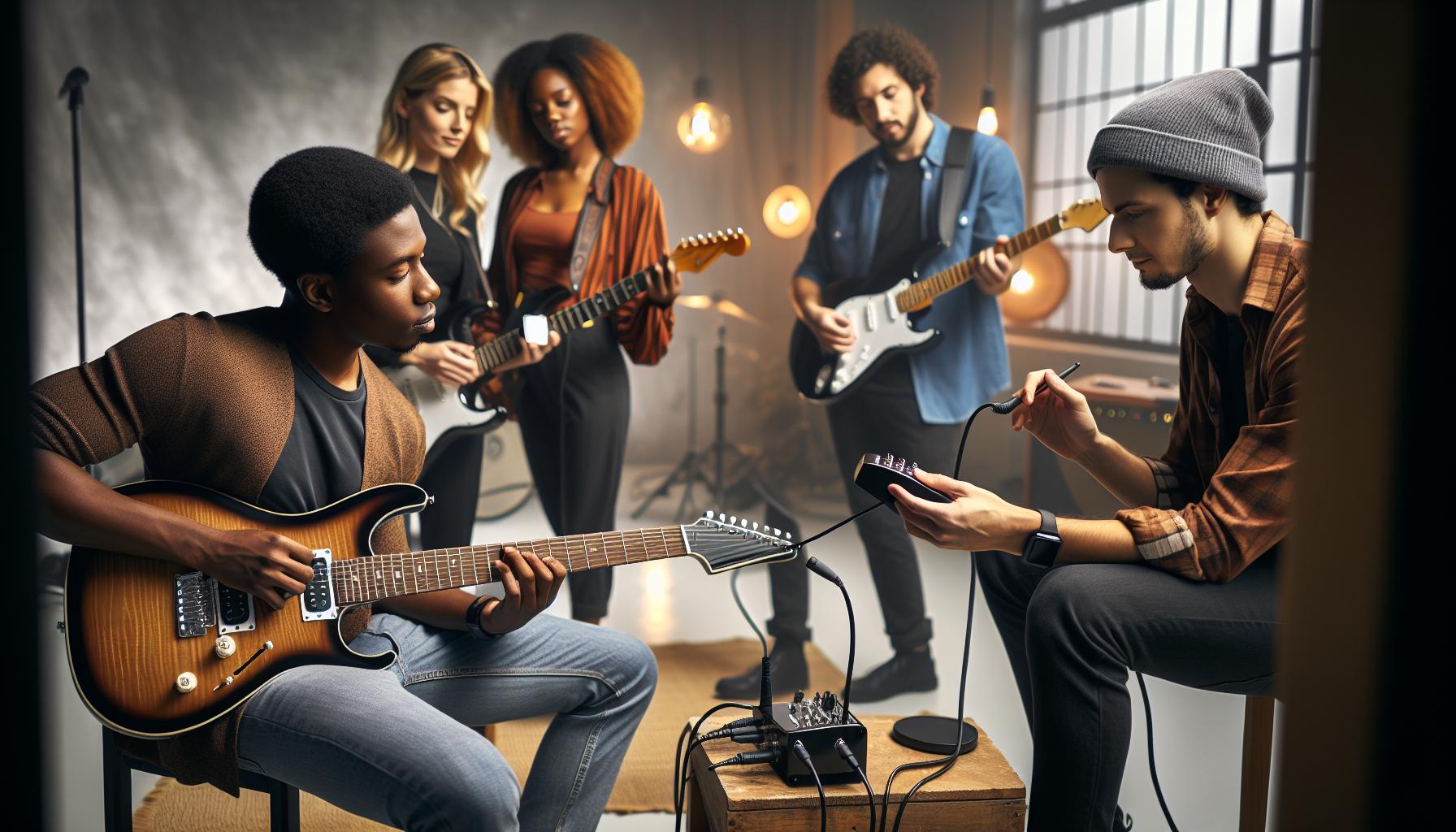
Choosing between wired and wireless headphones for your electric guitar can significantly affect your playing experience, versatility, and comfort. Each type has its unique advantages and considerations, making it essential to understand them better to find the best option suited to your needs.
Wired headphones typically provide superior sound quality and reliability. With a direct connection, you eliminate the risk of latency, which can be crucial when you’re trying to match playing with backing tracks or other audio sources. Many wired options also come equipped with larger drivers, which can produce a richer and more detailed sound profile-particularly beneficial when evaluating tone nuances important for electric guitar players. Moreover, wired headphones do not require batteries or charging, making them more straightforward and ready for use at any time.
On the other hand, wireless headphones offer unparalleled freedom of movement, which is a significant advantage for guitarists who enjoy playing while standing or moving around. With advancements in Bluetooth technology, many wireless options now boast impressive sound quality with minimal lag, making them a viable choice for practice sessions. Look for models that support aptX or AAC codecs, as they help deliver higher-quality sound through wireless connections. Wireless headphones often come with convenient features like built-in microphones and touch controls, enhancing the overall playing experience.
Ultimately, your decision may come down to personal preference-if you prioritize sound fidelity and reliability, wired headphones will likely suit you better. However, if you value mobility and practical features that support an active playing style, wireless headphones can elevate your practice sessions. Remember to consider how you plan to use your headphones to make the best choice for your guitar journey.
Noise Isolation vs. Open-Back: Which Is Better?
When selecting headphones for electric guitar, the choice between noise isolation and open-back designs can significantly influence your playing experience and sound quality. Noise-isolating headphones are designed to create a tight seal around your ears, blocking out external sounds and allowing for a focused listening environment. This feature is especially beneficial for practice sessions when you want to immerse yourself in your playing without distractions. It’s ideal for guitarists who often practice at home or in busy environments, ensuring that every note and nuance is heard clearly.
In contrast, open-back headphones offer a more natural, lifelike sound by allowing air and sound to pass through the ear cups. This design can create a spacious audio experience, making it feel like you’re playing in an open room rather than trapped in a sealed environment. Many musicians appreciate this feature, as it can enhance acoustic performances by providing a sense of depth and realism. However, the trade-off is that open-back headphones leak sound, which might not be suited for environments where you need to keep your volume discreet or where background noise could interfere with your practice.
Choosing the right type depends largely on your specific needs and playing conditions. If you love to play at higher volumes without being disturbed-or if you practice in a more ambient space-noise isolation might be your best bet. On the other hand, if you value an authentic soundstage and often play in quieter settings, open-back headphones can elevate your listening experience. Ultimately, it’s about balancing these features with your personal preferences and the environments where you play the most.
Enhancing Your Practice Routine with Headphones
Headphones can transform your practice sessions from ordinary to extraordinary, allowing you to connect more deeply with your instrument. They provide the perfect solution for guitarists looking to immerse themselves in their music without disturbing others. Utilizing headphones not only allows for personal space in your practice but also enhances your ability to hear subtle nuances in your playing and tone. This can be especially helpful when working on complex pieces or developing your ear for improvisation.
When choosing headphones, consider how they can elevate your practice routine. Active noise-canceling models are ideal for those in bustling environments, as they block out distractions and ensure you can focus solely on your guitar. For practice with effects or an amplifier, using closed-back headphones helps prevent sound leakage, allowing you to play at higher volumes without disturbing those around you. Additionally, many guitarists find that using headphone amps that plug directly into their guitars can enhance their practice sessions, providing a wide range of effects and tones to experiment with.
It’s also beneficial to incorporate play-along tracks or backing tracks when practicing with headphones. This technique not only makes practice more enjoyable but also helps you develop timing and rhythm alongside other musical components. Many musicians find that they play more expressively with these tracks as they can hear themselves better against a backdrop of music, making it easier to fit into a band context when the time comes.
To maximize the advantages of using headphones, pay attention to the fit and comfort. Long practice sessions can lead to discomfort if your headphones aren’t the right fit, so look for padded ear cups and adjustable bands. Regularly maintaining your headphones, including cleaning them and checking the wiring, ensures they stay in optimal condition, providing the best possible sound quality and duration for your practice sessions. By thoughtfully integrating headphones into your practice routine, you can significantly enhance your musical journey and overall enjoyment of playing the guitar.
User Reviews: What Guitarists Are Saying
Many guitarists find that the right pair of headphones can be a game-changer for their practice and performance, often raving about their experiences online. Numerous reviews highlight important features, comfort levels, and overall sound quality that make these headphones indispensable in their routines. One guitarist noted that switching to high-quality closed-back headphones completely transformed their practice sessions. They emphasized how the noise isolation helped them focus on their technique and hear every detail of their playing, describing it as “a personal concert in my ears.”
Moreover, audiophile guitarists value transparency and clarity in their audio. One user commented on a specific model’s ability to deliver distinct highs and a punchy bass response, allowing them to appreciate the subtleties of their gear and settings. Reviews frequently mention models that provide excellent sound isolation, enabling players to practice at higher volumes without disturbing others. This is particularly beneficial for those living in shared spaces or practicing late at night. Many players recommend pairing their headphones with portable amps for an enhanced experience, resulting in a more dynamic range of sounds that aligns seamlessly with their styles.
Comfort is another critical aspect guitarists frequently discuss. Several users have pointed out that the perfect fit can significantly influence their playing time, especially during long practice sessions. Headphones with cushioned ear cups and adjustable bands receive accolades for making hours of play feel effortless. One player highlighted a particular brand stating, “I can wear these for hours without discomfort,” which is often a significant concern for those committed to lengthy practice periods.
User reviews also reveal an interesting trend towards versatility, with many guitarists praising models that can easily transition between genres. Feedback shows that players appreciate headphones capable of delivering both crisp clean tones and rich distorted sounds, ensuring they can adapt to their musical needs without compromising quality. This adaptability is crucial for musicians who switch genres or settings frequently. Overall, the collective experiences of guitarists underscore that investing in quality headphones is an impactful decision for anyone serious about their craft.
Maintaining Your Headphones for Longevity
The right pair of headphones can elevate your electric guitar practice, but caring for them properly is essential to ensuring they last through countless jam sessions and songwriting sessions. Regular maintenance not only protects your investment but also enhances the quality of sound you receive from your headphones. Following a few straightforward practices can help you keep your gear in top condition.
One of the most crucial aspects of headphone maintenance is to handle them with care. Always store your headphones in a protective case when not in use to prevent them from being damaged by dust, moisture, or accidental drops. When using them, avoid pulling on the cable or twisting it excessively, as this can lead to fraying and eventual disconnection. Consider investing in a headphone cable holder to keep the wires organized and free from tangles.
Cleaning your headphones is vital for both hygiene and performance. Over time, ear cups can accumulate dirt, earwax, and oils from your skin that can affect sound quality. Use a soft, dry microfiber cloth to gently wipe the outside of the ear cups and the headband. For a deeper clean, you can lightly dampen the cloth with isopropyl alcohol, ensuring that no liquid gets inside the headphone drivers. Additionally, periodically check for any ear pad wear or tear and replace them when necessary to maintain comfort and sound isolation.
Sound calibration can also play a significant role in preserving the longevity of your headphones. Many models come with the ability to adjust the sound settings, and finding the right balance can protect your ears and the headphone drivers. Avoid listening at excessively high volumes, as prolonged exposure can lead to hearing loss and stress your headphones, potentially damaging the drivers. Using a headphone amplifier with volume control can help you maintain appropriate levels while maximizing sound quality.
In conclusion, treating your electric guitar headphones with respect and performing regular maintenance can significantly enhance their lifespan and performance. From careful handling and proper storage to cleaning and sound management, these simple practices will ensure you get the most out of your gear while continuing to inspire your musical journey.
Budget-Friendly Accessories to Enhance Your Experience
To truly maximize the experience when using electric guitar headphones, consider investing in budget-friendly accessories that can significantly enhance your practice sessions without breaking the bank. These small additions can transform your overall sound quality, comfort, and even portability, making them essential for any guitarist.
One of the most valuable accessories to consider is a headphone amplifier. A compact, portable amp can boost your guitar’s signal, providing a richer sound and better control over the tone. Many amps designed for use with headphones not only increase volume but also typically include built-in effects, such as reverb or delay, allowing you to experiment with your sound on the go. Models like the Vox Amplug and Traveler Guitar’s headphone amp are excellent choices for their affordability and versatile features.
Another great accessory to enhance your headphone experience is a quality headphone stand. Keeping your headphones on a designated stand when not in use not only prolongs their lifespan by preventing damage but also helps in maintaining their shape. Some stands even come with built-in cable management systems, ensuring that your cables remain untangled and free from wear and tear.
For those who frequently jam out or practice with backing tracks, an aux cable can be a game-changer. By connecting your smartphone, tablet, or computer directly to your headphone amp, you can play along with your favorite tracks or practice routines seamlessly. This not only enhances your practice sessions but also keeps you motivated and engaged.
Lastly, consider investing in high-quality ear pads or foam covers for your headphones. Well-padded ear cups provide extra comfort during long sessions, while detachable or replaceable pads can help keep your headphones clean and in good condition. Brands often sell replacement parts that are not only budget-friendly but can also personalize your setup according to your taste.
In conclusion, while choosing the right headphones is critical, these budget-friendly accessories can substantially elevate your guitar practice experience. From portable amps to ergonomic stands and sound-enhancing cables, investing in these tools will undoubtedly provide a more enjoyable and productive time spent with your music.
Frequently asked questions
Q: What should I consider when choosing electric guitar headphones?
A: When selecting electric guitar headphones, consider factors like sound quality, comfort, noise isolation, and connectivity options. Look for models with a balanced sound profile for better clarity, and ensure they fit comfortably for extended practice sessions. Refer to our section on “Choosing the Right Electric Guitar Headphones for You” for more insights.
Q: Are wired or wireless electric guitar headphones better?
A: It depends on your needs. Wired headphones typically offer better sound quality and zero latency, making them ideal for practice and recording. Wireless options provide more freedom to move but might introduce slight delays. Explore our “Wired vs. Wireless: Best Options for Guitarists” section for detailed comparisons.
Q: How can I improve the sound quality of my guitar headphones?
A: To enhance sound quality, use a good quality headphone amplifier or audio interface. Make sure your headphones are well-suited for electric guitar frequencies, and adjust your EQ settings for optimal performance. Check our tips in “How to Maximize Sound Quality with Your Headphones.”
Q: Do I need noise isolation headphones for electric guitar practice?
A: Yes, noise isolation headphones can help you focus on your playing by blocking external sounds. This is beneficial in noisy environments and can improve your overall practice experience. Read more about this in our “Noise Isolation vs. Open-Back: Which Is Better?” section.
Q: How do I maintain my electric guitar headphones to ensure longevity?
A: Proper maintenance includes regular cleaning, careful handling, and storing them in a safe place. Avoid excessive bending of the cable and use a case for protection. For detailed maintenance tips, see our section on “Maintaining Your Headphones for Longevity.”
Q: What are some complementary accessories for electric guitar headphones?
A: Accessories like headphone stands, storage cases, and quality audio interfaces can enhance your experience. A good headphone amplifier can also improve sound output. Explore the “Budget-Friendly Accessories to Enhance Your Experience” section for more ideas.
Q: Can I use electric guitar headphones for other audio applications?
A: Yes, electric guitar headphones can be used for general listening, gaming, and watching movies. However, ensure they have good sound quality and comfort for all-day wear. For more details, refer to our article on general headphone usage.
Q: What are the benefits of open-back headphones for guitar players?
A: Open-back headphones provide a more natural sound and spacious audio experience, making them great for at-home listening. However, they may not isolate sound effectively. Review our findings in the “Noise Isolation vs. Open-Back: Which Is Better?” section for a comprehensive understanding.
Insights and Conclusions
In choosing the right electric guitar headphones under $200, remember that sound quality and comfort are paramount for elevating your practice sessions or performances. With options that cater to various needs-from versatile wireless solutions like the Spark NEO to affordable wired models-you’re equipped to find headphones that enrich your playing experience. Don’t wait-explore your options today and elevate your sound!
Feeling inspired? Dive deeper into our guides on guitar maintenance and must-have gear to keep your skills sharp. If you have questions or experiences to share, drop a comment below! Stay tuned for more insights on mastering techniques, gear reviews, and expanding your musical journey. Your next sound adventure is just a click away!