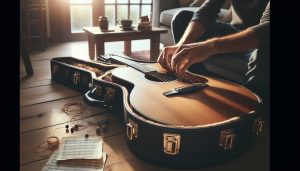
Learning how to play “D.O.A.” on guitar is not just about mastering a classic track; it’s about unlocking your potential as a musician and expressing your unique style. This powerful song encapsulates a blend of rhythmic energy and emotional depth, making it a perfect piece for both beginners eager to grow and experienced players looking to refine their skills. With our comprehensive tab and in-depth video breakdown, you’ll not only learn the notes but also understand the techniques that bring this song to life. Whether you’re strumming along at home or jamming with friends, mastering “D.O.A.” will elevate your guitar playing and enhance your confidence. Dive in to discover tips and tricks that make this iconic song accessible and enjoyable to learn, ensuring your musical journey is both rewarding and fun!
Understanding the D.O.A. Song Structure and Style
D.O.A., a quintessential punk anthem, is celebrated not just for its raw energy but also for its compelling structure that reflects the genre’s essence. The song structure typically adheres to a classic verse-chorus format, ensuring that the adrenaline-fueled intensity is maintained throughout. The verses often feature a driving rhythm with straightforward chord progressions, allowing the lyrical content to remain front and center. Engaging hooks in the choruses contrast with the verses, giving the performance an explosive quality that captivates listeners.
One key aspect of D.O.A.’s song style is its rhythmic complexity paired with dynamic shifts. The introduction often employs palm muting, only to erupt into full chords during the chorus. This not only heightens the impact of the chorus but also offers guitarists a chance to exercise their control over dynamics. Pay attention to the interplay between rhythm and lead sections; often, a simple lead overlay complements the main riff, creating a rich sonic tapestry that enhances the overall intensity without overwhelming the composition.
To truly grasp the style and structure of D.O.A., it’s beneficial to dissect a few notable examples. Analyze how tempo variations are strategically placed to accelerate the song’s energy, especially as it reaches pivotal moments like the bridge or final chorus. Incorporating techniques such as power chords and open-string riffs will help emulate the gritty, authentic sound characteristic of D.O.A. and similar tracks in the punk genre. By understanding these elements, musicians can not only play the song but also capture its spirit in their performances, making every rendition uniquely their own.
Essential Gear and Equipment for Playing D.O.A
To achieve that authentic punk sound when playing D.O.A., having the right gear is essential. A well-chosen setup can make a significant difference in tone and playability, allowing you to fully capture the energy of this iconic anthem. Start with a quality electric guitar that has humbucker pickups; these provide the fat, powerful tone needed for the gritty sound characteristic of punk music. Popular models include the Gibson Les Paul, Fender Stratocaster with humbucker configuration, or even a classic punk choice like the Gibson SG.
When it comes to amplifiers, look for a tube amp known for its warmth and dynamic response. Brands like Marshall or Vox are excellent options, as they provide the necessary headroom for crunch and overdrive, which are vital for D.O.A.’s explosive choruses. Dial in your amp’s gain for a gritty sound, but be sure to maintain clarity to articulate the chords and riffs clearly. Pairing your amp with distortion or overdrive pedals can enhance this effect; consider pedals like the Pro Co Rat or Ibanez Tube Screamer for extra versatility in your sound.
Accessories play an equally important role in achieving the right tone and feel. Using medium to heavy gauge strings will give you more body and sustain, which is crucial for chugging through power chords. Don’t forget to invest in a good tuner to ensure your guitar is always in tune – playing in tune is foundational, especially in a genre where power chords predominate. Additionally, a reliable strap and picks that suit your playing style will contribute to your overall comfort and technique while performing.
For those looking to emulate specific sounds or techniques in D.O.A., especially during live performances, incorporating effects like reverb and delay can add depth to your playing. Experimenting with settings on your amplifier, incorporating both gain and tone adjustments, will help you find that perfect balance. Ultimately, the right gear not only enhances your playing experience but also informs your musical expression, allowing you to deliver a passionate and authentic rendition of this punk classic.
Step-by-Step Guide: Playing D.O.A. Chords
To truly capture the essence of D.O.A. on the guitar, it’s essential to start with the foundational chords that drive this punk anthem. Understanding these chords not only sets the stage for your performance but also allows for creative expression and modification as you become more comfortable. The song primarily revolves around a few key power chords that embody the raw energy of punk rock.
Begin by tuning your guitar to standard E tuning (E A D G B e). This is essential not just for playing D.O.A. correctly but also for ensuring you can join in with other musicians or play along with recordings. The primary chords in D.O.A. are E5, G5, A5, and D5, which are power chords that convey a strong, aggressive sound typical of the genre.
Power Chord Shapes
Here are the finger placements for the main power chords:
- E5:
– Place your index finger on the second fret of the A string (5th string).
– Ring finger on the fourth fret of the D string (4th string).
– Let the open E string (6th string) ring.
- G5:
– Place your index finger on the third fret of the low E string (6th string).
– Ring finger on the fifth fret of the A string (5th string).
– Pinky on the fifth fret of the D string (4th string).
- A5:
– Place your index finger on the fifth fret of the low E string (6th string).
– Ring finger on the seventh fret of the A string (5th string).
- D5:
– Place your index finger on the fifth fret of the A string (5th string).
– Ring finger on the seventh fret of the D string (4th string).
Strumming and Rhythm
Once you have the chord shapes down, focus on mastering the strumming pattern. D.O.A. demands a strong, upbeat rhythm. Try a combination of downstrokes and muted strums to give it that authentic punk feel. Start slowly to build muscle memory, aiming for a steady pulse before increasing speed. The use of palm muting during parts of the verse can also enhance dynamics, allowing you to create tension that releases during the chorus.
Practice Tips
- Play Along: Use backing tracks or the original song to play along. This helps in timing and understanding how your guitar contribution fits within the overall sound.
- Record Yourself: Listening to recordings of your practice sessions can reveal areas for improvement, making it easier to identify mistakes that need addressing.
- Experiment: Once you’re comfortable, experiment with variations in your chord voicings and strumming patterns. This is where you can make the song your own while still being true to the punk spirit.
Mastering these chords and their execution is fundamental for capturing the energy of D.O.A. Remember, practice regularly, and don’t hesitate to push your limits with this iconic anthem.
Detailed Breakdown of D.O.A. Guitar Tabs
To really connect with the raw energy of D.O.A., diving into the guitar tabs is essential. Understanding how to read and interpret these tabs will significantly enhance your ability to play the song accurately and expressively. Guitar tabs provide a straightforward way to visualize where to place your fingers on the fretboard, making it easier, especially for beginners, to learn and remember the song’s structure and notes.
When examining the D.O.A. tabs, you’ll find that the song primarily relies on power chords and single notes that embody the punk rock ethos. Each line of the tab represents a string on the guitar, with numbers indicating the frets to be pressed. For instance, if you see a “5” on the second line up from the bottom, it instructs you to press the fifth fret on the A string. Here’s a brief overview of some key sections to pay attention to in the tabs:
Key Tabs Overview
- Intro: Typically features a strong E5 and G5 power chord progression. Play it with a driving rhythm to set the tone.
- Verse: The verse often utilizes palm-muted power chords, leading into more open strumming in the chorus. This contrast helps build dynamics.
- Chorus: Expect to switch between A5 and D5 power chords rapidly. Practice these transitions to maintain the song’s momentum.
- Bridge: Many bridges introduce a melodic line or a breakdown, providing a momentary pause that emphasizes the song’s main themes.
A common technique to incorporate while playing is alternate picking on the downstrokes, which can help accentuate the rhythmic punch characteristic of punk music. Pay attention to how the energy shifts throughout each section, as this fluctuation is crucial for replicating the song’s spirit.
Lastly, consider recording yourself while playing from the tabs. This practice can be invaluable as it reveals areas where you might need adjustments in timing, dynamics, or pitch. Engage fully with these tabs, and let them guide you toward delivering a passionate rendition of D.O.A. on guitar. The more you play along with the original track using these tabs, the more natural the transitions and rhythms will become, allowing you to capture the essence of this iconic punk anthem.
Mastering D.O.A. Techniques: Tips for Success
To truly master the techniques required to play D.O.A. on guitar, it’s essential to immerse yourself in both the technical and emotional aspects of the song. The driving punk essence of D.O.A. comes from its aggressive playing style and the distinct tonal qualities that need to be encapsulated in your performance. Start by ensuring your guitar is properly tuned; standard tuning (E A D G B e) is typical for this genre, but you might experiment with half-step down tuning for a chunkier sound.
Consider the use of a distortion pedal, which is vital for achieving that gritty, raw tone typical of punk rock. When selecting pedals, aim for ones that offer a range of gain settings, allowing you to find the sweet spot that complements the power chords prevalent in D.O.A. Along with distortion, using a chorus or reverb effect can add depth to your sound, especially in transitions or bridges.
Practicing alternate picking can boost your precision and speed. This technique allows for a cleaner execution of fast passages, which is crucial when switching between power chords. Metronome exercises can also enhance your timing-start slow, then gradually increase your speed as you become more comfortable. Experiment with your picking dynamics; emphasize certain notes to create a sense of urgency that characterizes the song’s energy.
It’s also incredibly beneficial to watch live performances of D.O.A. artists. Observing how they engage with their instruments and connect with the audience can inspire you to inject that same passion into your playing. Remember, the goal isn’t just to replicate the notes but to convey the powerful emotions behind them. Recording your practice sessions can provide insight into your playing style, revealing areas that may need refinement. Focus on making your performance not just accurate, but also expressive and energetic to encapsulate the spirit of D.O.A.
Exploring D.O.A.’s Unique Sound: Techniques to Emulate
To appreciate the unique sound of D.O.A., it’s crucial to understand the raw essence that drives its power and energy. Rooted in punk rock, the band’s music embodies an aggressive yet melodic style characterized by strong rhythms, catchy hooks, and a sense of urgency. Achieving a sound that resonates with this emotional intensity involves mastering various techniques that can enhance your performance and allow you to convey the spirit of the genre.
One of the foundational elements is playing power chords with precision. D.O.A. frequently employs these chords to create an impactful resonance. Start by practicing power chord transitions between frets, focusing on strumming dynamics to inject life into your playing. Emphasizing the downstrokes will help you capture the aggressive tone that is emblematic of punk rock. Use a metronome when practicing to ensure your timing is tight, gradually increasing the speed as you gain confidence.
Experimenting with your gear is another effective way to emulate D.O.A.’s sound. A good-quality distortion pedal is essential; consider those that allow you to dial in a mid-range boost that complements your guitar’s natural tonality. Add in a touch of chorus or delay to enhance depth, particularly during verses or instrumental breaks. Guitar tuning also plays a significant role-many punk bands, including D.O.A., utilize standard tuning for clarity, but trying half-step down tuning can yield a thicker, more powerful tone that may also suit your playing style.
Live performance footage reveals another layer to D.O.A.’s sound-the high-energy stage presence. Emulate this dynamic connection with your audience by incorporating movement and expressiveness in your performance. Don’t merely stand still; let the music guide your body. Recording your sessions can facilitate analysis, highlighting areas for improvement not only in your sound but also in your overall stage presence.
In summary, understanding D.O.A.’s unique sound relies on a balance of technical skill and emotional delivery. Focus on mastering power chords, fine-tuning your gear, and embodying the punk ethos of performance to authentically capture the band’s dynamic essence.
Common Mistakes When Playing D.O.A. and How to Avoid Them
Many aspiring guitarists encounter roadblocks when trying to play D.O.A.’s energetic and driving music. One of the common pitfalls is underestimating the importance of timing. As a punk band, D.O.A. thrives on fast-paced rhythms, and any hesitation in playing can throw off the entire sound. To avoid this, focus on practicing with a metronome or alongside D.O.A. tracks to internalize the speed and structure of the songs. Begin at a slower tempo, gradually increasing the speed as your comfort grows to ensure that each note rings true in its intended timing.
Another frequent mistake is failing to utilize proper finger positioning, especially when playing power chords. Beginners might press down too hard or too soft, leading to muted or buzzing notes. Ensuring that your fingers are positioned correctly-fingertips pressing down on the strings right behind the frets-will result in a clearer tone. Practice switching between chords slowly at first, then work to incorporate dynamics by varying your strumming intensity and speed, mimicking the nuanced delivery present in D.O.A.’s music.
Additionally, many players overlook the impact of gear on sound. Using a low-quality distortion pedal or not adjusting your amp settings can lead to a washed-out sound that doesn’t capture the raw energy of D.O.A. Experiment with your equipment by dialing in different levels of gain and treble. Play around with adding effects like reverb or echo, but be cautious not to overdo these, as the core sound should remain punchy and clear. Keeping your guitar well-maintained will also help you avoid unwanted fret buzz or tuning issues during practice sessions.
Lastly, while many players focus solely on technical execution, it’s crucial to convey the emotional spirit of the music. One key aspect of performing D.O.A. tracks is embracing the attitude and energy that comes with punk rock. Don’t be afraid to channel that energy into your live performances-move, engage with your audience, and let the music guide your expression. Recording your practice sessions can be invaluable; listen back to identify areas that need improvement, both musically and in your performance style. By being aware of these common mistakes and taking steps to avoid them, you’ll be well on your way to nailing that distinctive D.O.A. sound.
Enhancing Your D.O.A. Performance: Creative Effects and Settings
Creating a captivating performance of D.O.A.’s music involves more than just nailing the chords-it’s about enhancing your sound through creative effects and strategic settings. The band is known for its gritty yet punchy sound, which can be effectively emulated by experimenting with various effects pedals and amp settings. By incorporating a selection of key effects, you can give your performance that raw energy characteristic of D.O.A. that resonates with punk enthusiasts.
Essential Effects for D.O.A.
To capture the essence of D.O.A., consider integrating the following effects into your setup:
- Distortion/Fuzz: A good distortion pedal is crucial for achieving the aggressive sound typical of punk rock. Look for pedals that allow you to adjust the gain and tone to find that perfect gritty edge. Popular choices include the Boss DS-1 or Pro Co Rat.
- Overdrive: This effect adds warmth and sustains to your tone. Using an overdrive pedal can help you push the boundaries of your sound without overwhelming it with noise. Try the Ibanez Tube Screamer to add some definition.
- Reverb: A touch of reverb can create depth in your sound, allowing the music to resonate. However, it’s essential to use it sparingly; too much can muddy the busy rhythms D.O.A. employs.
- Chorus: For certain songs, a subtle chorus effect can add richness and texture. This can be particularly effective for cleaner sections before driving back into distortion.
Setting Your Amp
It’s not just about the pedals-your amplifier settings play a significant role in crafting that D.O.A. sound. Here are some tips to set up your amp effectively:
- Gain: Begin with a higher gain setting to obtain that aggressive crunch. You’ll want to balance this with your volume to avoid unwanted feedback.
- EQ Settings: Start with mid-range frequencies boosted to accentuate the punchy sound typical of punk rock. A suggested starting point would be to keep the bass around 5-7, mids around 7-8, and treble around 6-7.
- Presence: Adjust the presence control to add clarity to your sound. Finding the right spot here can help your guitar cut through the mix without losing body.
Ultimately, finding the right combination of effects and settings requires a blend of experimentation and experience. Don’t hesitate to tweak your setup according to the venue and your personal style. A well-thought-out configuration of gear can dramatically enhance your D.O.A. performance, elevating your sound to match the band’s energetic vibe. Recording your practice to hear how your effects interact can also provide insights into the nuances needed to refine your sound further. By incorporating these elements thoughtfully, you’ll connect more deeply with the spirit of D.O.A. and engage your audience effectively.
Popular Variations and Covers of D.O.A
D.O.A. has inspired many musicians across the globe, leading to a plethora of covers and variations that showcase the band’s raw energy and punk ethos. One captivating aspect of exploring these adaptations is how different artists infuse their unique style into D.O.A.’s classics, proving the timelessness of the songs and their versatility across genres. From hardcore punk renditions to acoustic interpretations, each version brings something new to the table while paying homage to the original sound.
To get started, listen to some notable covers that have gained popularity. For example, the band Propagandhi has done remarkable justice to D.O.A.’s tracks, infusing their own political nuances and heavy guitar riffs that resonate well with punk enthusiasts. Moreover, acoustic versions have emerged from various artists, like the haunting rendition of “The Prisoner” that strips down the song to its core, allowing the lyrics to shine through with emotional weight. Exploring these different takes can provide insight into how important musical elements, such as tempo changes or instrumentation, can drastically alter the feel of a song while still remaining true to its roots.
Additionally, consider creating your own variations of D.O.A. tracks. Start by experimenting with alternate tunings that might give the song a fresh twist. For instance, tuning down your guitar can add a heavier tone, enhancing the aggressive feel of their music. Mixing in different tempos or adding your own personal flair with distinct solo sections can also lead to exciting new interpretations. Playing around with varying degrees of distortion or effects-like adding a flanger or delay-can create a fresh sonic landscape that still honors the essence of the original piece.
Whether you’re listening to covers or crafting your own variations, engaging with D.O.A.’s music in these diverse ways not only expands your repertoire but also deepens your understanding of punk rock as a living, evolving art form. This approach fosters a deeper connection with the band’s music and empowers you to express your creativity as a guitarist, taking D.O.A.’s legacy and making it your own.
Building Your Skills: Practice Routines for D.O.A
To truly grasp the raw energy and distinctive sound of D.O.A., building a structured practice routine is essential. One effective approach is to break your practice into focused segments that concentrate on different skills relevant to playing D.O.A. songs. Start each session with a warm-up focused on the techniques used in punk rock, such as quick alternate picking and palm muting. This will prepare your fingers and get you in the right mindset to tackle more complex parts of the music efficiently.
Daily Practice Breakdown
Consider segmenting your practice time as follows:
- Technique (15-20 minutes): Focus on specific techniques like power chords, slides, and hammer-ons. Work on exercises that improve your speed and accuracy, essential for many D.O.A. tracks.
- Song Practice (20-30 minutes): Choose one or two D.O.A. songs to focus on. Start slow, gradually increasing the tempo as you become more comfortable. Pay attention to the rhythm and dynamics, which are crucial in capturing the band’s energy.
- Improvisation and Creativity (15-20 minutes): Combine what you’ve learned by improvising over the chord progressions of D.O.A. songs. Try creating your variations or adding solos that reflect your interpretation of the music.
- Listening and Analysis (10-15 minutes): Spend time listening to both original tracks and popular covers. Analyze their structure, guitar tone, and techniques used. This helps you understand the elements that give D.O.A. its unique sound.
To further enhance your ability, record your practice sessions. Listening back allows you to identify areas for improvement and track your progress over time. A metronome can be invaluable in maintaining a steady tempo, especially when working on faster-paced songs common in D.O.A.’s repertoire.
Keeping your equipment in top shape is also crucial. Regularly check your guitar setup, ensuring it’s well-tuned and that your strings are fresh. This not only makes your playing easier but also reduces the risk of frustration. If you’re experimenting with different tones, consider trying various pedal settings during your practice to find the right sound that aligns with D.O.A.’s gritty punk aesthetics.
By building a consistent practice routine that balances technique, song work, creativity, and listening, you’ll be well on your way to mastering the songs and techniques that define D.O.A.’s impactful punk rock legacy. Remember, the key is persistence and a willingness to explore various interpretations of their music, making it a personal journey of growth as a guitarist.
Resources for Further Learning: Videos and Tutorials
To truly elevate your guitar playing and delve deeper into the world of D.O.A., a range of online resources are at your disposal. Videos and tutorials can serve as invaluable companions on your journey, providing insight into specific techniques, styles, and the band’s unique sound. Engaging with visual content not only aids in understanding complex guitar parts but also inspires creativity and exploration of D.O.A.’s music.
Platforms like YouTube boast a wealth of instructional videos tailored for players at every level. Consider checking out channels that specialize in punk rock guitar tutorials; they often break down D.O.A. tracks step-by-step, showcasing how to play the chords and riffs that define their energetic style. It’s beneficial to watch performances of D.O.A. songs to observe finger placement, strumming patterns, and the overall vibe that the band conveys. This observation will help to develop your own interpretation of their music.
In addition to video resources, online guitar communities and forums can provide useful tutorials and tips directly from fellow guitarists who share your interest. Websites like Ultimate Guitar offer comprehensive tabs and a platform where you can ask questions and get advice from more experienced players. You can also find backing tracks to practice with, allowing you to simulate the band’s sound as you refine your skills and timing.
Finally, don’t overlook the value of dedicated guitar apps and websites that offer interactive learning modules, where you can learn at your own pace. Some apps even feature features like chord recognition and real-time feedback, helping you to master popular D.O.A. songs effectively while building an impressive repertoire. Embrace these resources as tools to enhance your playing, and remember that consistent practice combined with these insights will significantly contribute to your growth as a musician.
Engaging with the D.O.A. Community: Forums and Social Media
Engaging with fellow musicians who share your passion for D.O.A. can significantly enhance your learning experience and musical growth. Online forums and social media platforms provide a vibrant space where guitarists can exchange ideas, tips, and resources. By participating in these communities, you can not only ask specific questions about playing D.O.A. songs but also gain insights into advanced techniques and different interpretations of their work.
One popular platform is the Ultimate Guitar forum, where you’ll find countless tabs and discussions focusing on D.O.A. tracks. Users often share personal tips and modifications that can take your playing to the next level. It’s also a great place to find backing tracks specifically for practicing D.O.A. songs, allowing you to simulate the band’s energetic style while honing your timing and skills.
Social media is another valuable resource for engaging with the D.O.A. community. Joining Facebook groups or following Instagram accounts dedicated to punk rock guitar can connect you with fellow enthusiasts and experienced players alike. Here, you can share your progress, post videos of your performances for feedback, and discover new covers and interpretations of D.O.A. songs. Engaging in these social spaces fosters a sense of camaraderie among musicians, enhancing motivation and providing inspiration as you work on mastering this influential band’s music.
Be sure to explore platforms like Reddit, where subreddits focused on punk music and guitar playing create communities conducive to sharing experiences and learning from others. Participating in these discussions can open doors to new methods, gear recommendations, and even collaborations with other musicians. Embrace these interactions as essential parts of your musical journey, as they can provide not only technical knowledge but also the encouragement and support vital for your progress.
Frequently asked questions
Q: What are the best guitar settings for playing D.O.A.?
A: The best guitar settings for playing D.O.A. typically include a slight overdrive for warmth and sustain. Adjust your tones by boosting the mids while cutting back the highs to avoid harshness. For effects, consider adding delay for depth. Refer to the “Enhancing Your D.O.A. Performance” section for detailed settings.
Q: What tuning is used for D.O.A. on guitar?
A: D.O.A. is usually played in standard tuning (E A D G B e). Ensure your guitar is properly tuned before playing to achieve the authentic sound. Using the correct tuning is crucial for matching the original recording. Check “Step-by-Step Guide: Playing D.O.A. Chords” for more details.
Q: How can I improve my speed when playing D.O.A. on guitar?
A: To improve your speed when playing D.O.A., practice slowly while focusing on accuracy, then gradually increase your tempo. Use a metronome to maintain consistent timing. Refer to the “Building Your Skills: Practice Routines for D.O.A.” section for structured exercises.
Q: What are common mistakes when playing D.O.A. and how can I fix them?
A: Common mistakes include rushing through sections and neglecting dynamics. To fix this, practice each part methodically and incorporate variations in volume. Check the “Common Mistakes When Playing D.O.A.” section for specific tips to enhance your performance.
Q: Are there any recommended variations of D.O.A. I should try?
A: Yes, exploring popular variations of D.O.A. can enhance your playing. Try adjusting the tempo or incorporating fingerpicking techniques. You can also play along with different backing tracks for variation. Explore “Popular Variations and Covers of D.O.A.” for more suggestions.
Q: What resources can help me learn D.O.A. effectively?
A: Numerous online resources like video tutorials and guitar forums can aid your learning. Websites like YouTube feature detailed breakdowns, while guitar community forums offer peer support. Visit the “Resources for Further Learning: Videos and Tutorials” for curated links.
Q: How does D.O.A. compare to similar songs in style?
A: D.O.A. features a unique blend of punk and rock elements, often compared to songs by bands like The Ramones and Dead Kennedys. Analyze their chord progressions and strumming techniques for insights. Explore your own interpretations by looking at the “Exploring D.O.A.’s Unique Sound” section.
Q: What are some creative effects to try when playing D.O.A.?
A: Experimenting with reverb and distortion can create lush soundscapes while playing D.O.A. Additionally, using a wah pedal during solos can add expressive nuances. Visit the “Enhancing Your D.O.A. Performance” section for more creative ideas.
The Conclusion
Now that you’ve mastered how to play “D.O.A.” on guitar with our detailed tab and video breakdown, it’s time to dive even deeper into your musical journey! Remember, practicing consistently will not only sharpen your skills but also enhance your enjoyment. If you’re eager to explore more riffs and techniques, check out our guides on essential guitar chords and strumming patterns.
Don’t forget to subscribe to our newsletter for exclusive tips and updates that will keep you inspired. Share your progress in the comments below or ask any questions you might have; we love to hear from fellow musicians! Play on, and let the music guide you toward your next favorite song. For more guitar insights-such as gear recommendations and advanced tutorials-head over to our related articles. Your journey has just begun!