When you’re looking to practice or play your guitar quietly, you might wonder: can you plug headphones directly into your guitar? This question is essential for any musician seeking to refine their skills without disturbing others. The good news is that many modern guitars and amps offer this feature, making it easier than ever to immerse yourself in your playing while minimizing external noise. Whether you’re a beginner hoping to practice chords or an experienced player delving into new techniques, understanding how to use headphones with your guitar can greatly enhance your practice sessions. Stay with us as we explore the simple yet important answer to this common query, ensuring you can make the most of your musical journey.
Can You Plug Headphones into a Guitar? Understanding the Basics
Connecting headphones directly to a guitar is a pathway many musicians consider, especially those looking for a more personal or quiet practice environment. However, the answer isn’t as straightforward as merely plugging in your favorite pair of headphones. While guitars themselves aren’t typically equipped with a headphone jack, musicians can explore alternative methods for achieving a high-quality sound without disturbing others.
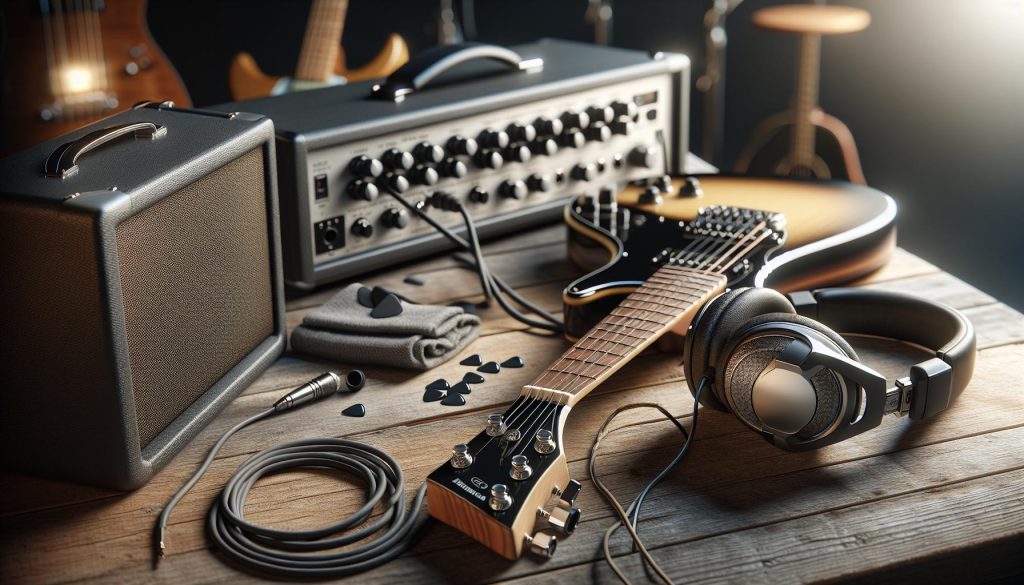
One popular solution is to use a headphone amplifier. These compact devices are designed to amplify your guitar’s signal and output the sound directly to your headphones. This setup not only allows for a richer auditory experience but also typically features various tonal controls that can enhance your playing. Another option is to utilize an audio interface connected to your computer, where you can plug your guitar and headphones into the interface. This method offers versatility, allowing you to use software effects and recording capabilities.
Understanding the basics of connecting headphones to your guitar comes down to realizing the importance of these external devices for sound quality and user experience. Given that most guitars lack the necessary hardware to support headphones directly, embracing the use of headphone amps or audio interfaces empowers musicians to practice more effectively while enjoying their instrument’s full tonal spectrum. For those eager to dive deeper into this realm, it’s essential to consider your specific needs and the type of practice environment you desire.
Common Misconceptions About Headphone Use with Guitars
Many musicians express a desire to connect headphones directly to their guitars for a more personal playing experience. However, one common misconception is that this can be done simply by plugging in a standard set of headphones. In reality, most electric guitars do not come with a headphone jack, which means direct connection isn’t feasible. It’s essential to understand the limitations of the instrument and the types of devices that can facilitate communication between your guitar and headphones.
Another prevalent misunderstanding is that all headphone amplifiers are the same. While they all serve the purpose of amplifying the sound from your guitar so it can be heard through headphones, there are significant differences in quality and features. Some headphone amps come with built-in effects, EQ controls, and even the capacity to simulate different amp models, which can greatly enhance the practice experience. Musicians may overlook these options, settling for basic solutions that underutilize their instrument’s capabilities.
Additionally, many guitarists believe that using headphones will negatively impact their sound quality or alter their tone. This isn’t accurate; when paired with the right equipment, such as a quality headphone amp or audio interface, headphones can provide crystal-clear sound and an intimate listening experience that can reveal nuances in playing techniques and tone that might be missed on a traditional amp at higher volumes. Ultimately, the right setup can lead to improved skills and a deeper connection to the music.
In summary, addressing these misconceptions opens up new avenues for practice and exploration. By learning about the appropriate tools and options available, musicians can enhance their playing experience and make informed equipment choices that benefit their craft. Embracing technology and understanding how to effectively use it will empower musicians, whether they’re beginners or seasoned players, to reach their full potential.
How to Safely Connect Headphones to Your Guitar
To maximize your playing experience while protecting your equipment, understanding how to connect headphones to your guitar safely is essential. Directly plugging standard headphones into a guitar is not feasible due to the lack of a headphone jack on most electric guitars. Instead, utilizing a headphone amplifier or a digital interface specifically designed for guitars is advisable. This setup not only safeguards your gear from potential damage but also provides optimal sound quality, allowing you to fully appreciate the nuances of your playing.
Using a Headphone Amplifier
A headphone amplifier is a versatile tool for guitarists, serving as a bridge between your instrument and headphones. Here’s how to connect them safely:
- Choose the Right Amplifier: Look for a portable headphone amplifier designed for electric guitar use. These devices usually feature a dedicated input for your guitar and an output for your headphones.
- Connect Your Guitar: Plug your guitar’s quarter-inch jack into the amp’s input. Ensure the amplifier is powered off before making connections to avoid any unexpected surges.
- Connect Headphones: Use a compatible pair of headphones-typically, a standard 1/4 inch to 1/8 inch adapter may be necessary, depending on your headphone size.
- Adjust Volume Levels: Start with a low volume, gradually increasing it to a comfortable level. This will help avoid sudden loud sounds that could be harmful to your hearing.
Utilizing Audio Interfaces
An audio interface is another excellent option for those seeking flexibility and high-quality sound. These devices allow for both recording and monitoring while connecting your guitar and headphones. The process is similar:
- Connect Your Guitar to the Interface: Use a standard guitar cable to link your guitar to the interface’s instrument input.
- Connect Headphones: Plug your headphones into the designated output on the interface, typically a 1/4 inch output, making sure to use an appropriate adapter if needed.
- Use Monitoring Software: Many audio interfaces come with software that allows you to adjust the output levels and add effects, enhancing your overall sound.
DIY Solutions
For those on a budget, consider DIY solutions like using a portable amp simulator app on your phone or tablet, which you can connect through an adapter. While this method may not offer the same quality as dedicated hardware, it can serve as a handy alternative for practice.
By following these guidelines, not only will you protect your equipment and improve sound quality, but you’ll also create a more enjoyable practice environment. Whether you’re a novice or an experienced guitarist, mastering these connections enhances your playing experience and contributes to your development as a musician.
The Best Headphone Types for Guitarists
Finding the right headphones for use with your guitar can significantly enhance your playing experience, especially during silent practice or when recording. Choosing a model that delivers excellent sound quality and comfort is essential for those long jam sessions or practice hours. As you begin to explore your options, it’s important to consider the unique needs of guitarists and the specific features that can support your playing style.
When it comes to headphones, there are two main types to consider: open-back and closed-back models. Open-back headphones allow air and sound to pass through the ear cups freely, creating a more natural sound and a sense of space. This can be great for critical listening and enjoying the nuances of your playing. However, they are not ideal for loud environments since sound leakage can be an issue. On the other hand, closed-back headphones provide better isolation from external noise and minimize sound leakage, making them suitable for practice in shared spaces or while recording. This can be particularly advantageous when you need to maintain focus without being distracted by outside sounds.
Comfort is another key factor when selecting headphones. Look for models with cushioned ear pads and adjustable headbands to ensure a secure, comfortable fit. Over-ear headphones often provide the best comfort and sound quality for extended use, as they encase the ear and can block out ambient noise effectively. However, in-ear monitors (IEMs) have become increasingly popular among musicians for their portability and noise isolation. They’re especially useful for guitarists who need to travel or perform on stage, as they can easily fit into a guitar gig bag.
Don’t forget to consider the impedance of the headphones, especially when pairing them with an amplifier. Most guitar amps provide a higher output, which means lower impedance headphones (like 32 ohms) will be easier to drive and can reach higher volumes quickly. In contrast, higher impedance models (like 250 ohms) may yield better sound quality but will require a more powerful audio interface or headphone amplifier to reach optimal performance.
Ultimately, the best headphones for you as a guitarist will depend on your needs, budget, and how you plan to use them. Brands like Audio-Technica, Sennheiser, and Beyerdynamic offer a wide range of options that cater to both beginner and professional levels. Taking the time to try out different models can help you find the perfect fit, ensuring that your practice sessions are productive and enjoyable.
Exploring Headphone Amps for Optimal Sound
Connecting headphones directly to a guitar may seem straightforward, but achieving optimal sound quality often requires a dedicated headphone amplifier. These compact devices are designed to enhance the audio signal from your guitar, providing clarity and volume that typical headphone outputs cannot match. Whether you’re practicing at home or jamming silently, a headphone amp can significantly elevate your listening experience.
Using a headphone amp allows you to explore a wide range of tones and effects without disturbing others. Many guitarists find that the subtle nuances of their playing become more pronounced when using a quality amp. These amplifiers typically feature controls for adjusting volume, gain, and EQ settings, enabling you to tailor the sound to your preference. For instance, a boost in mid frequencies can help your solos cut through a mix, while a more balanced setting can make rhythm playing feel full and rich.
When selecting a headphone amp, consider choosing models that include features like built-in reverb or delay effects. These can provide additional layers of depth to your sound, making practice sessions more enjoyable and engaging. Popular portable options range from budget-friendly devices to professional-grade amps from brands like Boss or Vox, allowing you to match your needs and budget effectively.
In addition to standalone headphone amps, many multi-effect processors and audio interfaces come with headphone outputs specifically designed for use with guitars. This integrated solution not only simplifies your setup but also often includes additional features such as recording capabilities and various effects, making them versatile tools for both practice and performance. By investing in a headphone amp or an all-in-one interface, guitarists can unlock the full potential of their instrument while preserving the peace at home.
Finding the Right Gear: Adapters and Cables Explained
To achieve the best experience when using headphones with your guitar, understanding the types of adapters and cables required is essential. Many beginner guitarists might overlook these crucial components, but the right gear can make a significant difference in sound quality and performance. Recognizing how to effectively connect your headphones will not only save you from frustration but also enhance your practice sessions.
When connecting headphones directly to a guitar, clarity in setup is important. A standard guitar jack is typically 1/4 inch, while most headphones use a smaller 1/8 inch (3.5mm) jack. To bridge this gap, a 1/4 inch to 1/8 inch adapter becomes invaluable. This small but essential piece ensures that you can plug your headphones directly into the output of your guitar or a headphone amplifier without hassle. It’s advisable to invest in a quality adapter that offers a snug fit to avoid any potential disconnection during use.
Types of Cables
Another important consideration is the type of cable you use. While you might initially think any old cable will do, opting for high-quality instrument cables can result in less signal interference and clearer sound. Here are some common cable types to consider:
- Instrument Cables: For connecting your guitar to an amplifier or interface. Choose shielded cables for minimized noise.
- Patch Cables: These shorter cables are perfect for connecting various effects pedals in your chain.
- TRS Cables: A balanced option that can be useful when connecting to audio interfaces or mixers.
Using the correct cables not only enhances performance but also extends the life of your gear.
Ensuring Compatibility
When selecting adapters and cables, it’s equally important to ensure they are compatible with your equipment. For instance, some headphone amplifiers might also have 1/4 inch headphone outputs, which means you won’t need a jack adapter at all. Always check the specifications of your gear before making a purchase. Additionally, consider investing in a package that includes a variety of adapters-often sold together-so you are prepared for different setups without needing to buy each part individually.
In summary, proper gear, including the right adapters and cables, plays a crucial role in optimizing your headphone usage with a guitar. By taking the time to select quality equipment, you’ll not only enhance your sound but also enjoy a more fulfilling playing experience. Whether you are a seasoned player or just starting, understanding these connections will help you navigate the world of guitar practice more effectively.
Effects of Headphone Use on Your Guitar Tone
Choosing to use headphones while playing guitar can significantly influence your tone and overall sound quality. When you plug in headphones to your guitar or amp, the way sound waves are transmitted and perceived changes dramatically, leading to various effects on your guitar tone. Understanding these effects can greatly enhance your practice and performance experience.
One fundamental aspect to consider is how headphones directly impact your perception of sound. Headphones can offer a detailed listening environment, allowing you to hear nuances and subtle details that can be lost through standard room acoustics. This clarity can help you notice imperfections in your playing or the tonal characteristics of your guitar and effects, prompting improvements. However, be cautious; this heightened fidelity might lead to an overemphasis on certain frequencies, which can cause you to adjust your settings in ways that don’t translate as well when playing through an amplifier or in a live setting.
Additionally, the type of headphones used can play a crucial role in shaping your sound. Closed-back headphones provide isolation from background noise and typically emphasize bass frequencies, which could alter your perceived tone and make your guitar sound fuller. In contrast, open-back headphones offer a more natural listening experience but can bleed sound, which may not be desirable during practice sessions. Selecting the right pair can enhance your tonal journey, whether you’re aiming for a punchy rock sound or a mellow acoustic vibe.
It’s important to remember that the entire signal chain-guitar, amplifier, effects pedals, and headphones-interacts dynamically. For instance, using high-impedance headphones with a low-output guitar might result in less volume and diminished tone quality. Therefore, using a dedicated headphone amp or a suitable headphone output on your amplifier can optimize your experience, ensuring that the tonal richness and dynamic range of your guitar are preserved even when playing silently.
Ultimately, while headphones can serve as a fantastic tool for honing your skills without disturbing others, their effect on tone and sound quality can vary significantly. By experimenting with different types of headphones, setups, and listening environments, you can find a balance that maintains the musical integrity of your guitar while allowing for focused practice and creativity.
Alternatives to Headphones for Silent Practice
For musicians seeking to practice silently, there are several creative alternatives to using headphones that maintain the quality of sound and facilitate an enriching playing experience. Engaging in silent practice doesn’t have to mean compromising on tone or technique; instead, embracing innovative tools can enhance your learning experience.
To begin with, silent electric guitars are designed specifically for quiet practice. These instruments typically feature a solid body and an internal microphone or built-in effects that allow you to connect directly to an amp or effects pedal at low volumes without disturbing others. Some models even include headphone outputs, combining the benefits of both worlds, which is ideal for practicing scales, chords, or new pieces silently.
Another fantastic option is to use guitar amplifiers with headphone outputs tailored for lower volume levels. Many practice amps have built-in modeling capabilities, allowing you to explore various tones and effects quietly. Additionally, these amplifiers often come with auxiliary inputs, so you can jam along with backing tracks from a phone or tablet without the need for headphones. This setup not only allows for silent practice but can also enhance your ability to play along with your favorite tracks in a controlled environment.
If you’re looking for a wireless solution, consider silent practice devices or silent practice amplifiers designed specifically for this function. These devices are typically compact and provide an analog or digital sound that mimics traditional amp tones at a whisper. Examples include the JamStik or various pedal-style amplifiers, which connect easily and allow for quiet practice.
Lastly, investing in a capo allows you to explore different musical harmonics or strength in your fretting hand without extra noise. By placing a capo on different frets, you can experiment with various keys and sounds without extensive finger work-helping you to develop finger dexterity while keeping volume to a minimum.
In summary, musicians can explore these alternatives-silent guitars, practice amplifiers, dedicated devices, or even simple accessories like capos-to create a productive and enjoyable practice session without relying solely on headphones. By incorporating these tools, players of all skill levels can maintain their connection to the music while being respectful of their surroundings.
Tips for Troubleshooting Headphone Connections
When integrating headphones into your guitar practice setup, issues can sometimes arise, causing frustration if sound isn’t routed correctly or if your headphones aren’t performing as expected. Understanding how to troubleshoot common problems will ensure you can enjoy your practice without interruptions. It’s essential to start with the basics: ensure your headphones are connected properly. Check that the headphone jack is fully inserted into the guitar or amplifier output; any loose connection can lead to a weak or distorted signal.
One common issue is sound only coming through one side of the headphones. This can often be due to a bad connection or a faulty headphone cable. Test your headphones by plugging them into a different device, such as a phone or computer. If they work fine there, the problem might lie in the guitar’s output jack or the cable used. Additionally, examine your cables for any kinks or frays that could be complicating the connection. Using quality, well-made cables can make a significant difference in audio fidelity.
To improve your overall experience, consider checking the settings on your amplifier or effects pedal. If your guitar is connected to an amp with a headphone output, ensure the amp settings are configured correctly to transmit audio through both the amp speaker and the headphone jack simultaneously if applicable. Some amplifiers have specific modes for headphone use that optimize sound quality. Refer to the user manual to verify your setup is aligned with the manufacturer’s recommendations.
Lastly, if you’re still encountering issues after these checks, experimenting with different headphone types can yield better results. Closed-back headphones, for instance, can provide improved insulation and prevent sound leakage, making them ideal for practice sessions. On the other hand, some guitarists prefer open-back headphones for a more natural listening experience, especially during creative songwriting sessions. Ultimately, the key to troubleshooting headphone connections is to remain patient and methodical, ensuring each component of your setup is functioning optimally to enhance your musical journey.
The Advantages of Using Headphones for Musicians
Using headphones while playing guitar can significantly enhance your practice sessions, offering musicians a range of advantages that can lead to improved performance and creativity. They provide a private listening environment that allows you to focus on your sound, tone, and technique without external distractions. This focus can be invaluable, especially for those living in shared spaces or simply wishing to maintain a more intimate practice setting.
When wearing headphones, you can fully appreciate subtle nuances in your playing and the immediate feedback from your instrument. Many guitarists find that using headphones while playing along with backing tracks or during jam sessions enables them to better hear their own contributions. This is particularly useful when integrating effects or adjusting amp settings, as it allows for more critical listening. Additionally, headphone use encourages thoughtful engagement with your music, making it easier to experiment with different styles and techniques without feeling self-conscious.
Choosing the Right Headphones is equally essential. Closed-back headphones are generally preferred for practice sessions because they isolate sound effectively, reducing bleed that might disturb others. Their design prevents outside noise from interfering with your concentration, allowing you to immerse yourself in your playing. On the other hand, some guitarists may opt for open-back headphones during creative sessions since they can provide a more natural and spacious sound. Experimenting with both types can help you determine what best suits your style and needs.
Moreover, using headphones can facilitate the integration of technology into your practice. Many modern guitar amplifiers and effects units are designed with headphone outputs, enabling players to try out various tones without the need for an entire rig setup. This flexibility not only saves time but can also inspire new musical ideas and approaches. Coupling your headphones with a headphone amp can further optimize your sound and give you access to advanced features that enhance your practice experience.
In summary, the advantages of using headphones are manifold, offering both convenience and improved auditory experience. They promote focused practice, enable dynamic experimentation, and facilitate the effective use of various technologies. Whether you’re a beginner or an experienced player, incorporating headphones into your routine can elevate your musical journey, enabling deeper connection with your craft and encouraging ongoing growth as a musician.
How Headphone Usage Impacts Learning and Practice
Connecting headphones to your guitar can profoundly influence your learning and practice regimen. By providing an isolated auditory environment, headphones enable musicians to hear every detail of their performance, from intricate finger movements to subtle tonal variations. This heightened awareness is crucial for skill development, as it allows players to identify areas of improvement that might go unnoticed in a more casual setting.
When using headphones, you’re likely to experience a more controlled sound environment, which encourages deeper focus. This immersion can foster an atmosphere where experimentation thrives. For instance, practicing with backing tracks through headphones not only enhances timing and rhythm skills but also encourages you to interact creatively with the music, blending different styles and techniques seamlessly. The ability to hear your guitar against a backdrop of music in crisp detail allows for more effective listening and adjustment; you become more adept at making instant refinements to your playing, which is essential for accelerating your learning curve.
Furthermore, the private nature of headphone practice can alleviate the self-consciousness often felt by beginners or intermediate players. Being able to refine your sound without the scrutiny of an audience, even if that audience is made up of family or roommates, allows for a more relaxed approach to practice. This comfort can encourage longer practice sessions, leading to improved muscle memory and technique, characteristics essential for musical growth.
To enhance the benefits of headphone usage, investing in quality gear designed specifically for guitar can be advantageous. A good headphone amp, for example, can provide the necessary power and sound clarity that make sessions enjoyable and productive. Additionally, considering the type of headphones used-be it closed-back for isolation or open-back for a more natural sound-can heavily influence your practicing experience. Experimentation with different styles may ultimately lead to discovering which setup resonates best with your personal learning journey.
Real-life Experiences: Guitarists Share Their Insights
Many guitarists have found innovative ways to incorporate headphones into their practice sessions, leading to unique insights that can transform your playing experience. One guitarist, Sarah, shares how using headphones allowed her to explore various effects and soundscapes that would have otherwise been drowned out by her amplifier. “By plugging in my headphones,” she explains, “I discovered nuances in my tone that I hadn’t noticed before. It was like having a personal concert where I could experiment without the fear of disturbing anyone.”
Similarly, Mark, a seasoned player, emphasizes the role of headphones in building confidence during practice. “When I play in my living room, I always feel self-conscious about my sound. With headphones, it creates a totally private space. I can loop difficult sections, focus on my technique, and even belt out some vocals without the worry of judgment. It’s a game-changer for my practice sessions.” This privacy not only fosters creativity but also inspires guitarists to push their limits, encouraging them to try out new styles or techniques that might have felt intimidating in front of an audience.
Additionally, for beginners like Jacob, the ability to plug headphones directly into a practice amp was vital for developing ear training. “Hearing my mistakes clearly made a huge difference in my learning process. I could play along with backing tracks and isolate specific areas of my playing that needed improvement. This feedback loop helped me grow exponentially faster than I expected.” Jacob’s experience highlights how headphone use can expedite skill development through immediate aural feedback.
In the ever-evolving world of guitar practice, these real-life experiences underscore how headphone use not only enhances technical skills but also empowers musicians to pursue their artistic expression without inhibition. Whether seeking privacy, tonal awareness, or experimentation, the insights shared by these guitarists exemplify the transformative potential of integrating headphones into your routine.
Frequently asked questions
Q: Can I use regular headphones with my electric guitar?
A: Yes, you can use regular headphones with an electric guitar, but it’s important to connect them through a headphone amplifier or an adapter designed for guitar use. This ensures appropriate levels and prevents damage to your headphones.
Q: What type of headphones are best for practicing guitar?
A: Closed-back headphones are typically best for practicing guitar as they provide better noise isolation, allowing you to focus on your playing. Look for models with a comfortable fit and good sound quality, such as studio monitoring headphones.
Q: How does using headphones affect my guitar tone?
A: Using headphones can create a more direct and personal listening experience, allowing you to hear subtle details in your playing. However, it might not replicate the fuller sound you get from external speakers, so it’s good to balance headphone practice with amp use.
Q: Are there any disadvantages to using headphones with a guitar?
A: One disadvantage is the potential for ear fatigue over long practice sessions. Additionally, headphone use may not give you the same feel for the guitar’s acoustic response as playing through an amplifier or speakers, which can affect your dynamics.
Q: What is a headphone amplifier, and do I need one for my guitar?
A: A headphone amplifier is a device that boosts the audio signal to drive headphones effectively. While not strictly necessary, using one can enhance sound quality and clarity, making it easier to practice at lower volumes without losing tonal nuances.
Q: Can I connect my guitar directly to studio headphones?
A: No, you should avoid connecting your guitar directly to studio headphones. Instead, use an audio interface or headphone amplifier for proper impedance matching and to protect your headphones from potential damage.
Q: What adapters do I need to connect headphones to my guitar?
A: To connect headphones to a guitar, you may need a 1/4″ to 1/8″ adapter if your headphones are standard 3.5mm. Additionally, ensure you use a compatible headphone amplifier or interface to manage audio levels.
Q: Is it better to practice guitar with headphones or a speaker?
A: The choice depends on your preferences. Headphones offer privacy and focus, which is excellent for learning and practicing techniques. Speakers provide a fuller sound experience and help with dynamics. Combining both may be the best approach for well-rounded skills.
Closing Remarks
Now that you know you can indeed plug headphones into a guitar for an immersive practice experience, don’t let uncertainty hold you back from enhancing your skills. Explore related articles on our site, such as our comprehensive guide on tuning methods or step-by-step tutorials for mastering chords and scales. These resources will empower you to take your playing to the next level.
If you have more questions or want to share your experiences, drop a comment below! Remember, music is a journey, and connecting with others can amplify your learning. Finally, sign up for our newsletter for more tips and exclusive gear reviews, ensuring you stay informed and inspired in your musical endeavors. Keep playing, and embrace the sounds you create!