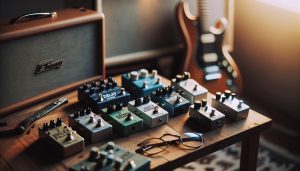
When shopping for guitar pedals, budget constraints often breed frustration among musicians. However, Behringer has emerged as a brand that defies this notion, offering an impressive range of affordable pedals that deliver outstanding sound quality and versatility. Whether you’re a beginner looking to experiment with effects or a seasoned player needing reliable tools without breaking the bank, Behringer pedals provide exceptional value. In this guide, we’ll explore the best Behringer pedals available, spotlighting their capabilities to enhance your tone and inspire creativity. Discover how these budget-friendly champions can elevate your playing and help you achieve the sound you’ve always envisioned.
Best Budget Behringer Pedals for Beginners
When you’re starting your musical journey, finding reliable yet affordable gear is essential. Behringer has carved out a niche in the market by offering excellent budget-friendly pedals that deliver quality sound without breaking the bank. These pedals not only provide a broad range of effects but also help you cultivate your unique sound as a guitarist. Their affordability allows beginners to experiment boldly without the pressure of high costs, making them ideal companions for practice and performance alike.
One standout option is the Behringer UM300 Ultimate Metal Distortion Pedal. This pedal provides a wide gain range, from light crunch to heavy distortion, allowing beginners to explore different metal genres. Its intuitive controls make it easy to dial in your sound, and at a price point that can’t be beaten, it’s a fantastic starting point for those just dipping their toes into the world of effects pedals.
Another great choice is the Behringer TO800 Vintage Tube Overdrive Pedal. This pedal emulates the warmth of classic tube amps, which can elevate your tone significantly. It’s particularly well-suited for blues and rock players looking to add warmth and depth to their sound. Its straightforward layout means you can focus on crafting your sound instead of grappling with complicated settings.
Finally, the Behringer EQ700 Graphic Equalizer Pedal deserves a mention for those who want to have greater control over their sound. With its seven-band EQ control, you can shape your tone precisely, which is crucial for performances or recording. Whether you want to boost specific frequencies or cut undesirable ones, this pedal helps beginners understand the importance of tonal shaping in their sound.
Investing in these budget-friendly Behringer pedals can significantly enhance your musical creativity without straining your finances, making them great allies on your journey as a guitarist.
Top Features to Look for in Behringer Pedals
When exploring the world of Behringer pedals, savvy musicians are on the lookout for specific features that enhance their playing experience and musical creativity. Budget-friendly doesn’t have to mean compromising on quality or versatility. Here are key attributes to consider when selecting the right Behringer pedal for your needs.
Robust Build Quality
Many entry-level musicians may overlook the physical durability of a pedal, but a sturdy build is crucial for on-stage reliability. Behringer pedals often feature tough, metal enclosures that can withstand the rigors of regular use. This resilience means you can gig with confidence, knowing your gear can handle the bumps and scrapes of a live performance.
User-Friendly Controls
For beginners, complex setups can be intimidating. Behringer designs its pedals with intuitive layouts that allow you to focus on sound sculpting rather than getting lost in a maze of controls. Look for pedals with clearly labeled knobs and simple switches, making it easy to dial in your desired tone swiftly.
Versatility of Effects
One of the standout aspects of Behringer pedals is their wide range of effects. Whether you’re searching for classic overdrives, rich reverbs, or innovative modulations, Behringer likely has a pedal that fits the bill. Consider how each effect can be manipulated; some pedals allow you to blend or switch between different effects, giving you the freedom to explore various sounds without investing in multiple units.
Value for Money
Affordability is a hallmark of Behringer products. For beginners, this means you can experiment with different tones without a significant financial investment. Look for pedals that not only provide essential effects but also deliver surprising tonal depth. Many users find that Behringer pedals outperform competitors in the same price range, which bolsters the brand’s reputation as a budget champion.
By keeping these features in mind, you can make an informed decision when choosing Behringer pedals that align with your musical aspirations, enhancing your journey as a guitarist while keeping your budget in check.
Versatile Effects: Enhance Your Sound with Behringer
Discovering the array of effects that Behringer pedals offer can significantly elevate your musical experience. With options that range from classic overdrives to lush ambient reverbs, these pedals enable musicians to sculpt their tone and infuse their style with rich, dynamic sounds. What sets Behringer apart in the crowded pedal market is their ability to provide versatile effects that adapt to various genres, making them an excellent choice for beginners and seasoned players alike.
Broad Range of Effects
One of the most appealing aspects of Behringer pedals is the sheer variety available. For example, the Behringer TO800 offers a vintage overdrive tone that is perfect for blues and rock, while the RV600 provides multiple reverb options, including hall, plate, and echo effects, which can transform any performance. This diversity allows musicians to explore different soundscapes without the need for multiple pedals, making it not only cost-effective but also easier to manage on stage.
Ease of Use and Integration
Behringer pedals are designed with user-friendly features that make them accessible for all players, regardless of skill level. With straightforward layouts and clearly labeled knobs, musicians can quickly adjust parameters to achieve their ideal sound. This simplicity is especially beneficial when performing live, as it allows artists to focus on their performance rather than fiddling with complex setups. Moreover, many Behringer pedals are designed to work well together, enabling seamless integration into existing pedalboards, promoting creativity, and maintaining flow during performances.
Experimentation and Customization
For those eager to experiment, Behringer pedals often provide unique capabilities such as modulation and tone blending, allowing musicians to create custom effects tailored to their specific style. Whether you’re layering effects for a rich sound or dialing back for a cleaner tone, the flexibility these pedals offer can inspire fresh ideas and approaches in your music. Additionally, some models come with options for DIY modifications, enabling players to further enhance and tweak their devices to fit their personal preferences.
With affordable pricing and high-quality output, Behringer pedals not only help you establish your sound but also encourage exploration and growth as a musician. Embrace the potential these versatile effects bring, and let them inspire new dimensions in your playing journey.
Comparing Behringer Pedals: Which One Is Right for You?
Finding the perfect Behringer pedal to suit your musical style can feel like searching for a needle in a haystack. With numerous options available, it’s essential to consider your specific needs and preferences, as well as the genres you wish to explore. From solid overdrives to lush reverbs, each pedal offers unique features and character that can inspire creativity in your playing. To guide you through the selection process, let’s break down some popular Behringer pedals based on their strengths and suitable applications.
One standout is the Behringer TO800, a pedal that captures the classic overdrive tones reminiscent of vintage tube amplifiers. If you play genres like blues or classic rock, this pedal could become a staple on your board, delivering warm, dynamic tones at an incredibly affordable price. For those drawn to ambient music or atmospheric soundscapes, the RV600 Reverb offers a wealth of reverb types-from hall to plate to echo-allowing for extensive tonal exploration suited for everything from creating lush sonic environments to adding subtle depth to rhythm parts.
When comparing options, also consider the Behringer DS1 Distortion, ideal for hard rock and metal players seeking aggressive tones without breaking the bank. Its straightforward controls make it easy to dial in the perfect amount of dirt, ensuring that you can achieve the sound you desire without unnecessary complexity. Conversely, if modulation interests you, the Behringer UV300 Ultra Vibe provides a swirling, atmospheric effect that has found a home in many genres, particularly funk and psychedelic rock.
In deciding which Behringer pedal fits your style best, think about the core sounds you want to achieve and how each pedal might complement your current rig. A well-rounded setup may include multiple pedals to cover different effects, but focusing on the ones that resonate with your musical goals will enhance your creativity and performances. Reflect on the types of music you enjoy and consider investing in pedals that inspire you to push your boundaries and explore new sonic territories.
User Reviews: Real Experiences with Behringer Pedals
A multitude of musicians across genres are discovering that Behringer pedals not only provide remarkable tonal versatility but also come at wallet-friendly prices. User experiences highlight how these budget pedals, often compared to higher-end brands, stand strong in quality and performance. Many players rave about the Behringer TO800 Overdrive, noting its ability to replicate the warmth and character of vintage tube amps. One guitarist remarked, “For the price, the TO800 is an absolute steal! It adds the right amount of grit to my blues solos without muddying the sound.”
Similarly, the RV600 Reverb pedal has garnered positive feedback for its extensive variety of reverb types. Users love how it can seamlessly transform their sound from subtle ambiance to epic soundscapes. A user shared, “The RV600 has become my go-to for live performances. The hall setting makes my playing feel more expansive, especially in a full band mix.”
The DS1 Distortion has also been highly praised for its straightforward nature and aggressive tones, making it an excellent choice for rock and metal players. A seasoned guitarist mentioned, “You don’t have to fuss with too many knobs-just plug it in, and you get that biting distortion that’s perfect for my style.” This simplicity allows beginners to easily incorporate effective distortion without feeling overwhelmed.
When examining common modifications, many users have shared their DIY approaches to improve the performance of these pedals. For instance, one musician discussed upgrading the power supply of their UV300 Ultra Vibe for cleaner operation, while another recommended swapping out basic components in the TO800 to tweak the tone to their liking. These user-driven insights empower both novice and experienced players to maximize their Behringer gear, ensuring that every pedal becomes a treasured part of their musical arsenal.
Engaging with the opinions and experiences of fellow musicians can not only foster a sense of community but also provide valuable learning opportunities. Whether you’re looking to enhance your tone or simply explore new effects, understanding real-world applications of Behringer pedals can help inform your choices and elevate your playing experience.
DIY Modifications to Maximize Behringer Pedals
Enhancing the performance of your Behringer pedals can be an exciting venture, especially when considering the impressive range of budget-friendly options available. Many musicians have discovered that slight modifications can significantly elevate their tonal possibilities and the overall functionality of these pedals. For instance, tweaking the internal components can sometimes yield a richer, more favorable sound that suits personal playing styles.
One effective modification is upgrading the power supply. Stock power supplies often add noise to the signal chain, which can muddy the sound. By using a regulated power supply, like the Truetone 1 Spot, players report cleaner and more consistent performance from their pedals, particularly those requiring more power like the UV300 Ultra Vibe. Incorporating higher-quality capacitors or resistors is another popular modification that can refine the sound quality, adding clarity and richness to tones.
Additionally, some players enjoy experimenting with different types of enclosures and footswitches. Swapping out a plastic footswitch for a more robust metal one adds durability, which is especially beneficial for gigging musicians. Moreover, creating or purchasing custom enclosures can enhance not only the aesthetic appeal but also the durability of the pedals, allowing for better protection during transportation.
Finally, consider adding an additional bypass or modulation switch to increase versatility. For example, adding a true bypass switch can help preserve your tone when the pedal is not in use, pointing to the importance of maintaining signal integrity. As musicians delve into these DIY modifications, they not only personalize their gear but also create a deeper connection with their sound. By sharing their experiences and encouraging others, they foster a communal spirit that empowers creativity and experimentation in the realm of Behringer pedals.
Care and Maintenance Tips for Behringer Pedals
Taking care of your Behringer pedals is crucial to ensure they perform optimally and last for years of creativity. Regular maintenance can prevent minor issues from becoming major problems, and with a few simple practices, you can keep your pedals in top-notch condition.
Start by regularly cleaning your pedals to remove dust and grime that can affect performance. Use a soft, dry cloth to wipe down the exterior, and consider using a can of compressed air to blow out any dirt from the crevices, particularly around footswitches and knobs. If your pedal has any sticky residue, a little isopropyl alcohol on a cloth can help, but avoid getting moisture inside the pedal.
Additionally, ensure that connections are secure. Loose cables can result in inconsistent performance or unwanted noise. Regularly check the jacks for any signs of wear and tear, and replace any cables that look frayed or damaged. For pedals that operate on batteries, it’s a good idea to remove the batteries if you’re not planning to use the pedal for an extended period, as leaking batteries can cause irreversible damage.
To further extend the life of your pedals, consider investing in a good-quality power supply. Many Behringer pedals can be sensitive to power fluctuations, and using a regulated power supply can mitigate this. If your pedal allows for it, try to use isolated outputs to reduce unwanted noise from the power supply, which could impact sound quality.
By implementing these simple care and maintenance tips, you can ensure your Behringer pedals continue to enhance your sound and support your musical journey, allowing you to focus more on creation and less on gear maintenance. Whether you’re a beginner or a seasoned player, these practices are a step toward building a reliable arsenal of effects that can elevate your music.
Best Practices for Integrating Behringer Pedals into Your Setup
Integrating Behringer pedals into your setup can elevate your sound without breaking the bank. With their budget-friendly prices and vast affordable offerings, these pedals can be the secret weapon in any musician’s arsenal. Whether you’re a newcomer to the world of effects or a seasoned player looking to enhance your rig, understanding how to effectively use these pedals is crucial to achieving the best results.
One of the primary considerations when connecting Behringer pedals is your overall signal chain. Pedals typically work best when placed in the correct order. As a general rule, start with dynamic effects like compressors and overdrives before moving into modulation effects such as choruses and flangers. Lastly, end with time-based effects like delays and reverbs. This order helps to maintain clarity and allows each effect to influence the signal in a way that maximizes their potential.
To optimize integration, consider the power source for your pedals. Using a dedicated power supply with isolated outputs is advisable as it minimizes noise and ensures stable performance. Behringer pedals can share a power supply, but caution is advised as daisy chaining can sometimes lead to ground loop issues that result in unwanted hum. It’s also important to regularly check for secure connections amidst the visual aesthetics to avoid any performance hiccups during your set.
Finally, don’t forget to experiment! Every pedal interacts uniquely with your guitar and amplifier, so take the time to tweak settings and try different configurations. Start with the knobs positioned at noon as a baseline, then adjust to taste, letting your ears guide you. Explore using combinations and layering effects to discover a unique sound palette that complements your musical style. With patience and creativity, you’ll find the perfect integration strategy that allows your Behringer pedals to shine in your setup.
How to Choose the Right Behringer Pedal for Your Style
Choosing the right pedal from Behringer’s extensive lineup can feel like navigating a sonic labyrinth, but the rewards of finding the perfect match for your musical style are immense. Each Behringer pedal is designed to deliver exceptional value, often packing advanced features into a budget-friendly package. To make an informed decision, it’s essential to consider not just your genre or playing style but also how each effect interacts with your existing gear.
Start by identifying the core sound you’re aiming for. Are you a rock guitarist craving creamy overdrive or a jazz musician seeking lush reverb? Understanding the specific effect that will complement your sound is the first step. Behringer offers a range of pedals, including distortion, delay, modulation, and dynamic pedals. For instance, if you often play solo sections or lead lines, a distortion or overdrive pedal, like the Behringer OD300, can add the warmth and sustain that makes your notes sing. On the other hand, if atmospheric sounds are more your vibe, a delay or reverb pedal could transform your performances into immersive experiences.
Another critical factor is your signal chain configuration. Analyze where you’d like to place the new pedal in your setup. If you’re incorporating modulation effects alongside distortion, you might want to experiment with the order to achieve the most balanced sound. Also, consider how many pedals you already own-sometimes a versatile multi-effects unit, such as the Behringer X V-Amp, could offer you more flexibility than individual pedals.
Lastly, don’t overlook the importance of hands-on testing. While online reviews can provide valuable insights, the real magic happens when you can tweak the knobs and listen to how each pedal interacts with your guitar and amplifier. Experimentation is key; start by setting controls at neutral positions, then adjust based on your preferences. This tactile exploration can lead to delightful surprises and unique discoveries that ultimately define your sound and style. Embrace the process, and remember that the right Behringer pedal will not only enhance your music but can also inspire your creativity in ways you never imagined.
Success Stories: Musicians Who Love Behringer Pedals
Musicians across the globe have found their sonic companions in Behringer pedals, often sharing inspiring stories of how these affordable effects have transformed their sound without breaking the bank. One such artist, a budding rock guitarist named Emily, discovered the Behringer DS7 Distortion pedal at a local music shop. With its rich tonal possibilities, Emily quickly integrated it into her setup, allowing her to craft soaring lead lines that resonated with both power and clarity. She recalls how, during her first live performance, the pedal helped elevate her presence on stage, capturing the attention of the audience and boosting her confidence as an artist.
Another success story comes from Jake, an indie musician who uses the Behringer RV600 Reverb pedal. Initially seeking a versatile reverb option for his ambient soundscapes, Jake was pleasantly surprised by how the RV600’s range-including settings from hall to plate reverbs-allowed him to experiment with various atmospheres that perfectly complemented his songwriting. He even mentions that during one recording session, the lush, immersive reverb led to a breakthrough in his creative process, birthing a track that would become a fan favorite.
Beyond individual experiences, communities of musicians often share their love for Behringer pedals online, highlighting how these tools provide an entry point for new players eager to explore sound design. A guitarist on a popular forum shared their journey of building a budget-friendly pedalboard, featuring Behringer’s offerings, which allowed them to experiment with effects they previously thought were out of reach. By sharing their pedal combinations and sound settings, they helped countless others navigate the world of effects, fostering a sense of camaraderie among fellow guitarists.
These stories exemplify the value of Behringer pedals-not only as tools for sound enhancement but also as instruments of inspiration for musicians seeking to express their individuality. Whether you’re a novice looking to experiment or an experienced player in search of versatile options, Behringer’s budget-friendly lineup empowers guitarists to explore their creative potential without the financial strain.
Frequently asked questions
Q: What are the top Behringer pedals for beginners?
A: The best Behringer pedals for beginners include the Behringer TO800 Overdrive, which offers classic overdrive sounds, and the Behringer FV500H Volume Pedal for easy volume control. These pedals are user-friendly and provide great value, making them perfect for newcomers to guitar effects.
Q: How do Behringer pedals compare to more expensive brands?
A: Behringer pedals are known for their affordability while still delivering solid performance. Their build quality may not match high-end brands, but many musicians find that the sound quality and features are impressive for the price. For budget-conscious players, they often represent great value.
Q: What effects can I expect from Behringer pedals?
A: Behringer offers a diverse range of effects pedals, including overdrive, distortion, delay, reverb, and modulation effects. They are designed to enhance your sound without breaking the bank, allowing you to experiment with various styles and tones.
Q: Are Behringer pedals reliable for live performances?
A: Yes, many musicians use Behringer pedals in live settings. While they may not have the ruggedness of higher-end models, proper care and maintenance can lead to dependable performance. Always test your gear before a gig to ensure everything works as expected.
Q: Can I modify Behringer pedals for better performance?
A: Yes, many Behringer pedals can be modified for improved tone and functionality. Common modifications include changing the components or adding true bypass switching. This can enhance pedal quality without a significant investment, allowing for personalized sound.
Q: What should I look for when buying a Behringer pedal?
A: Consider features like effects type, user interface, and compatibility with your existing gear. Reading user reviews and ratings can also provide insight into performance. Ensure the pedal meets your specific sound needs before making a purchase.
Q: Do Behringer pedals come with a warranty?
A: Yes, Behringer pedals typically come with a warranty that covers manufacturing defects. Warranty lengths can vary, so check the specific model and retailer details for coverage options. This adds peace of mind to your purchase.
Q: How can I best integrate Behringer pedals into my setup?
A: To effectively integrate Behringer pedals, start by organizing your effects chain logically-usually placing dynamics pedals first, followed by modulation and time-based effects. Experiment with placement to find your desired tone, and consider using a pedalboard for convenience and ease of use.
To Wrap It Up
As you explore the budget-friendly Behringer pedals that can elevate your sound, remember that quality does not always come with a hefty price tag. Each of these pedals has been selected for its ability to deliver exceptional performance without breaking the bank, making them ideal for both aspiring and seasoned musicians alike. Don’t miss out on the chance to enhance your rig-invest in the right tools and start experimenting with your tone today!
If you’re curious about how to pair your new pedals with the best guitar gear, check out our guides on guitar maintenance and tuning methods. For even more insights, consider subscribing to our newsletter for the latest tips and gear reviews directed at musicians of all skill levels. Your next sonic adventure is just a click away-explore our website for step-by-step tutorials and in-depth product comparisons to make informed choices as you grow in your musical journey. Share your thoughts in the comments below, and let us know how you’re using Behringer pedals to craft your unique sound!