As the bass guitar continues to carve its vital place in music, understanding the average price you can expect in 2025 is crucial for both aspiring and seasoned musicians. With a diverse selection of models available-from budget-friendly options to high-end masterpieces-the investment in a bass guitar can vary significantly. Knowing what to budget for can shape your purchasing choices, ensuring you find an instrument that not only fits your style but also resonates beautifully with your musical aspirations. Whether you’re a beginner eager to start your journey or an experienced player looking to upgrade, this guide will empower you to make informed decisions, helping you navigate the ever-evolving marketplace. Continue reading to uncover insights that will guide your investment in the perfect bass guitar.
Understanding Bass Guitar Pricing Trends in 2025
In 2025, the landscape of bass guitar pricing is shaped by a confluence of industry trends, consumer behavior, and economic factors. For many aspiring musicians and seasoned players alike, understanding these trends will empower better purchasing decisions and investment in quality instruments. As demand for both entry-level and high-end instruments remains robust, it’s crucial to recognize how various elements such as materials, craftsmanship, and technological innovations contribute to price fluctuations across the market.
One key factor influencing pricing is the rise in popularity of sustainable materials. Brands that prioritize eco-friendly sourcing and production methods may charge a premium, reflecting both their commitment to responsible manufacturing and the heightened interest among consumers for ethically-made products. Additionally, the ongoing evolution of bass guitar technology has led to increasingly sophisticated features-such as onboard electronics, enhanced pickups, and ergonomic designs-that can significantly affect pricing. Musicians looking for premium audio fidelity or specialized functionalities will find that these advancements often come at a higher cost.
Moreover, brand reputation plays a pivotal role in pricing structures. Renowned brands with established histories of quality craftsmanship often command higher prices, justified by their legacy and reliability. Conversely, emerging or lesser-known brands may offer competitive pricing to attract new customers, which can lead to a range of options for budget-conscious buyers. When comparing new models, it’s essential for buyers to weigh the brand’s reputation alongside the specific features that meet their playing needs.
As seasonal trends also impact pricing, savvy consumers can find advantageous times to buy. Major sales events, such as Black Friday or back-to-school promotions, often bring significant discounts on both new arrivals and classic models, allowing for a potential bargain for well-researched consumers. In this dynamic market environment, being informed about seasonal sales and new releases ensures that buyers can strategically plan their purchases to align with their musical goals and budget constraints.
Ultimately, understanding these pricing trends and factors will help both beginners and experienced musicians navigate the vast array of options available in 2025, ensuring they make sound investments in their musical journey.
Key Factors Influencing Bass Guitar Prices
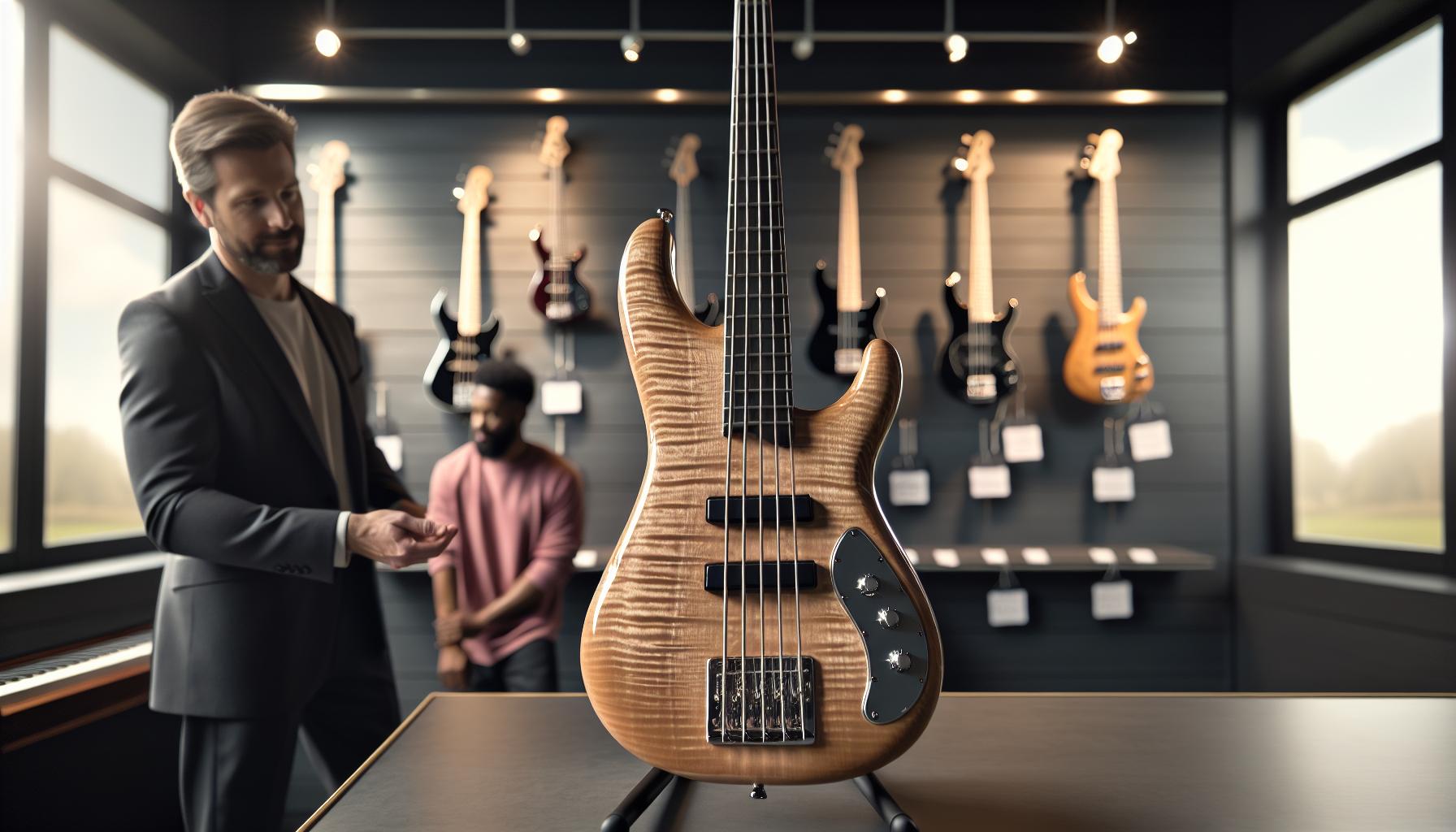
The pricing of bass guitars in 2025 is influenced by various factors that extend beyond simple supply and demand dynamics. Understanding these elements can empower musicians to make informed choices that align with their budget and playing style. One of the most significant factors is the material quality used in the construction of the instrument. Premium woods such as mahogany, maple, or ash, often featured in higher-end models, not only enhance sound quality but also contribute to the overall aesthetic appeal of the guitar. As a result, bass guitars made from these materials typically carry a higher price tag.
Another important consideration is the technological advancements integrated into modern bass guitars. Features such as advanced pickup systems, onboard electronic controls, and lightweight yet sturdy hardware can significantly impact the cost. For example, models equipped with active pickups offer enhanced tonal versatility, appealing to both professional musicians and serious hobbyists. These sophisticated features may justify a steeper investment, particularly for those seeking to enhance their sound capabilities in live performances or studio recordings.
Brand reputation further shapes the landscape of pricing in the bass guitar market. Established brands with a long history of producing quality instruments often charge more due to their trusted legacy. Musicians may be willing to pay a premium for a bass guitar from a brand known for its durability and sound quality. Conversely, newer or less recognized brands may strive to attract buyers through competitive pricing, providing an excellent opportunity for budget-conscious musicians to discover hidden gems that don’t compromise on quality.
Finally, fluctuations in market demand and seasonal sales can create opportunities for significant savings. Strategic timing, such as shopping during major discount events or at the end of the fiscal year when retailers clear inventory, can lead to notable reductions in price. This informed approach not only helps to maximize value but also ensures that players can make thoughtful decisions about their next instrument purchase. By considering these key factors, aspiring bassists can navigate the diverse market landscape, ultimately investing in a guitar that resonates with their musical journey.
Comparing Entry-Level vs. Professional Bass Guitars

Many aspiring bassists often find themselves navigating the vast landscape of options available when it comes to choosing their first bass guitar. The distinction between entry-level and professional models can be quite profound, significantly impacting both playability and price. Entry-level bass guitars generally cater to beginners who are just starting their musical journey. These instruments are typically more affordable, often ranging between $200 and $800, and designed to provide a comfortable playing experience without overwhelming the player with excessive features. They usually feature basic pickups and simpler hardware, which, while capable, might lack the tonal richness that more experienced musicians seek.
On the other hand, professional bass guitars are meticulously crafted for seasoned players who demand exceptional quality and performance. These instruments often start at around $800 and can soar into the thousands depending on brand reputation, materials used, and the intricacies of their construction. They boast advanced pickups, enhanced tonal options, and superior build quality, allowing for customization and a more nuanced sound. For instance, many professional models come equipped with active electronics that provide greater control over tonal shaping, making them ideal for studio recordings or live performances where versatility is key.
Choosing between these types also involves considering how you plan to use the bass guitar. If you’re a beginner keen on learning and playing casually, an entry-level model will serve you well. Many of these beginner basses are designed to withstand the rigors of practice while being easy on the budget. Conversely, if you’re looking to invest in your musical career, opting for a professional model might be more advantageous in the long run. The additional features, sound quality, and durability can significantly impact your playing experience, enhancing both practice and performance opportunities.
Ultimately, the best choice comes down to your individual needs as a bassist. Take into account your playing style, budget, and long-term goals. By carefully weighing these factors, you’ll be able to select the right bass guitar that not only fits your current skills but also encourages your growth as a musician.
The Impact of Brand Reputation on Pricing

The brand reputation of a bass guitar manufacturer can significantly influence its pricing, often serving as a benchmark for quality and performance. Well-established brands, such as Fender, Gibson, and Ibanez, command higher price points largely due to their longstanding legacies of craftsmanship and innovation in the music industry. For instance, a Fender Jazz Bass, revered for its rich tonality and playability, usually retails for upwards of $1,000. In contrast, lesser-known brands may offer similar designs at a fraction of the cost but often fall short in reliability and sound quality, which can affect a bassist’s long-term investment.
When considering brand reputation, it is also essential to factor in the resale value of the guitar. Instruments from reputable brands tend to hold their value better over time. For example, a professional-grade bass from a recognized manufacturer might only depreciate by 10-20% in the first few years, while a cheaper, lesser-known model could see a decline of 40% or more. This potential for better resale value is an important consideration for musicians looking to upgrade their gear in the future.
Additionally, brand loyalty often relates to specific tonal characteristics and playability that seasoned musicians have come to expect from their instruments. Dedicated players may prefer bass guitars from brands that provide them with the sound and feel they are accustomed to, making it worthwhile to invest in higher-priced options for their specific requirements, particularly in professional settings. Therefore, understanding the nuances of brand reputation can help guide your purchasing decisions and ensure you select a bass that aligns with your musical aspirations.
In summary, while it may be tempting to choose a less expensive option, investing in a bass guitar from a trusted brand can lead to superior performance, better resale potential, and overall satisfaction in your musical journey. Recognizing the long-term benefits of such an investment can empower you to make informed decisions that enhance your playing experience.
Popular Bass Guitar Models and Their Price Ranges
Among the wealth of options available, certain bass guitar models have risen to prominence for their exceptional quality, sound, and playability, making them popular choices among both beginners and seasoned professionals. Understanding the pricing landscape for these models is crucial for anyone looking to invest wisely.
A few standout models that consistently deliver in terms of performance and price satisfaction include:
- Fender Precision Bass: Known for its punchy tone and sturdy design, this model typically ranges from $1,200 to $2,000 for new options, while used models can sometimes be found for $800 to $1,000, depending on the condition.
- Fender Jazz Bass: Offering a more versatile sound, the Jazz Bass usually retails for about $1,300 to $2,200. Its thinner neck and dual pickups make it a favorite among jazz, rock, and funk musicians. Used options can also be around $900 to $1,100.
- Ibanez SR Series: This series is celebrated for its sleek design, light weight, and great playability. Prices for new models typically fall between $400 and $1,200, making it a solid entry-level to mid-range option.
- Squier Classic Vibe Series: For beginners or budget-conscious players, Squier offers quality options at a more accessible price point, usually ranging from $400 to $600 for new instruments, while used models can often be found for around $250 to $350.
- Music Man StingRay: A staple in rock and funk music, the StingRay is renowned for its powerful sound and unique design, with new models priced around $1,800 to $2,500. Used versions can vary significantly, from $1,200 to $1,800.
These price ranges reflect a blend of quality craftsmanship and brand reputation, emphasizing the need to choose an instrument that aligns with your playing style and budget. It’s also essential to consider that prices can fluctuate based on factors like limited editions, color options, and current market demand. Checking online resources and local music shops can provide insights into seasonal discounts or promotions, aiding in your decision-making process.
With the right knowledge and preparation, finding the ideal bass guitar within your budget in 2025 is entirely achievable, ensuring that you can pave your way into the world of music with confidence.
Seasonal Trends: When to Buy a Bass Guitar
The music industry often sees fluctuations in instrument prices based on the time of year, and bass guitars are no exception. For musicians looking to find the best deals, understanding seasonal trends can make a significant difference in your purchasing decisions. Historically, late winter and early spring tend to offer great opportunities as many retailers clear out older inventory to make room for new models arriving in the summer. Additionally, stores frequently run sales during holidays like Labor Day, Black Friday, and back-to-school promotions, where discounts can reach 20% to 30% off regular prices.
Monitoring holiday sales can also uncover unexpected deals. For example, during the winter holiday season, many stores provide bundle deals that include accessories such as cases, strings, or amplifiers with the purchase of a bass guitar. This not only reduces the total cost but also enhances the overall value of your purchase. Moreover, the first quarter of the year generally sees less competition among buyers, allowing for more negotiation leverage when purchasing, especially if you’re considering buying used instruments.
If you’re aiming for high-end models or limited editions, awareness of release cycles is key. Significant manufacturers often unveil new and upgraded models in the summer, which can lead to price drops on previous versions. Therefore, tracking model announcements and industry news can position you favorably when it comes time to buy.
Lastly, engaging with local music communities and online forums can provide insights on when to buy based on regional sales trends, helping you make a well-informed decision on your next bass guitar purchase. With patience and timing, you can confidently land excellent deals and find an outstanding bass guitar that fits your style and budget.
Essential Features That Affect Bass Guitar Cost
The price of a bass guitar can vary significantly based on several key features that influence its overall cost. Understanding these factors is crucial for making an informed purchase, especially in 2025, where trends suggest continued growth in the bass market.
One of the primary features affecting bass guitar pricing is the material quality. Higher-end bass guitars often utilize premium woods such as mahogany, ash, or maple, which not only contribute to sound quality but also affect durability and aesthetics. For example, a bass crafted from solid wood typically yields a richer tone and better resonance compared to those made from laminated materials. Considerations such as body shape (solid vs. hollow), type of neck (bolt-on vs. set neck), and the finish applied all play crucial roles in determining cost.
Another essential aspect is the hardware used in the instrument. Bass guitars equipped with high-quality pickups and bridges generally command higher prices. For instance, active pickups provide a broader tonal range and more versatility but can also drive up costs compared to passive pickups. Additionally, the type of tuning machines (open gear vs. sealed) can influence not only the instrument’s price but also its tuning stability, which is critical for performance reliability.
Brand reputation is also a significant factor that shapes pricing. Renowned brands often have a premium due to their historical craftsmanship, artist endorsements, and overall market presence. For example, models from manufacturers like Fender or Music Man are likely to be priced higher than lesser-known brands, reflecting both their perceived value and resale potential.
Lastly, the features and customizations offered with bass guitars play a role in cost. Some models may come with built-in electronics, active EQ controls, or custom finishes, which can escalate prices significantly. Therefore, when budgeting for a bass guitar, it’s important to assess which features are truly essential for your playing style and needs, allowing you to find an instrument that fits your aspirations without breaking the bank.
In navigating these considerations, musicians are better equipped to make thoughtful decisions that align not only with their budgets but also with their personal sound and playing preferences.
Budgeting for Your First Bass Guitar Purchase
Starting your journey with the bass guitar can be both an exciting and daunting experience, particularly when it comes to budgeting for your first instrument. Understanding the average price range for bass guitars in 2025 is crucial as it will help you find the right balance between quality and affordability, ensuring that your investment not only meets your immediate needs but also supports your musical growth over time.
When setting a budget, you’ll find entry-level bass guitars typically range from $200 to $600. These instruments often provide a solid foundation for beginners, featuring decent materials and sound quality. Brands such as Squier, Yamaha, and Ibanez offer excellent options in this price range, which are perfect for those just starting out. However, investing a little more can yield better features; for example, basses priced between $600 to $1,200 often incorporate higher-quality woods and pickups, leading to enhanced playability and tone. Economy models may lack certain features, so consider what aspects like active electronics or quality tuning machines matter most for your playing style.
Creating Your Budget Plan
Here’s an effective approach to create a realistic budget for your first bass guitar purchase:
- Define Your Budget Range: Determine how much you are willing to spend initially and understand that solid entry-level options are available without breaking the bank. Aim for a figure you feel comfortable with, keeping in mind potential additional expenses.
- Factor in Accessories: Don’t forget to include necessary accessories in your budget-items such as a guitar case, amplifier, strap, and tuner can add up. Set aside approximately $100-$300 for these items.
- Avoid Overextending: It’s tempting to purchase the latest model or luxury brand, but remember that quality is available at various price points. Your first bass should be an investment in your learning, not a hefty financial burden.
- Be Patient: If your budget is tight, consider saving a little longer or exploring second-hand models, which can often be found in great condition at lower prices.
By thoughtfully structuring your budget and exploring all your options, you’re setting the stage for a fulfilling musical experience. As you learn and grow in your skills, you may find yourself wanting to upgrade your gear-but starting off on the right foot with a well-placed investment will lay a strong foundation for your bass-playing journey. Whether you choose an entry-level model or a mid-range instrument, ensuring that the bass feels comfortable and inspires you to play is paramount, setting you on the path to success in your musical endeavors.
Buying Used vs. New: What to Consider
When considering your first bass guitar, the choice between buying used or new can significantly impact your budget and overall satisfaction. New instruments often come with the latest technology, quality assurance, and warranties that offer peace of mind. However, the allure of a vintage or pre-owned bass is equally compelling, especially since it can come with a lower price tag and unique characteristics that newer models may lack.
Opting for a new bass typically means you’ll enjoy the latest innovations in sound and playability, with the added bonus of a full manufacturer’s warranty. These models often feature pristine finishes and components, providing a clean slate for your musical journey. Brands increasingly focus on producing quality entry-level instruments that cater to beginners without sacrificing playability or tone. However, this comes at a cost-budget-conscious shoppers may find new instruments priced between $400 and $1,200 for decent-quality options.
In contrast, purchasing a used bass can yield significant savings and opportunities. Many seasoned players upgrade their gear frequently, meaning that excellent quality instruments can be available at a fraction of the retail price. However, caution is key; it’s essential to thoroughly inspect used instruments for signs of wear, structural damage, or poorly executed repairs. It may also be helpful to understand whether any necessary setup or maintenance will be required once you take ownership.
To help weigh your options, consider these factors:
- Condition: Assess how well a used bass has been maintained. Look for any scratches, dents, or wear on frets and electronics.
- Price Comparison: Compare prices of equivalent new models and factor in potential repair or setup costs for used instruments.
- Resale Value: Some brands and models retain their value better than others. Investing in top-tier brands can be wise if you’re considering resale in the future.
- Personal Preference: If you have the chance, play both new and used models to see which feels better in your hands.
Ultimately, whether you decide on a new or used bass guitar should align with your musical goals, playing style, and budget. With careful consideration and thorough research, you can find an instrument that not only fits your financial constraints but also inspires you to play and grow as a musician.
Accessories and Their Cost Impact on Bass Guitars
The world of bass guitar accessories can significantly impact both your playing experience and budget in 2025. Understanding which accessories enhance your setup and their costs can help you make informed decisions while shopping. Accessories not only contribute to the overall functionality of your bass but also influence your personal style and comfort as a player.
Investing in essential accessories such as high-quality cables, straps, and cases is crucial. A reliable cable can improve sound quality and reduce unwanted noise, with prices typically ranging from $20 to $100. A comfortable strap, especially if you play for extended periods, can make a world of difference. You can find decent straps for as low as $15, while premium options can go upwards of $50 or more. Additionally, a durable case or gig bag is essential for protecting your investment. Prices can vary widely, where budget bags start at around $30, while hard cases reach up to $200 or more for top-tier brands.
Another component worth considering is the amplifying equipment. A good amplifier can dramatically affect your tone and performance. Entry-level amps can cost around $100 to $400, while professional-grade amplifiers can range from $500 to well over $1,500. Knowing where you intend to play can help guide your choice-smaller practice amps may suffice for home use, whereas larger stages might require a more powerful setup.
Lastly, don’t overlook the cost of setup tools and maintenance supplies such as strings, polish, and fretboard oil, which can also be factored into your budget. Regular maintenance not only extends the life of your instrument but typically enhances playability and sound, giving you more bang for your buck. Overall, smart investments in accessories can elevate your playing experience, allowing you to focus more on your music and less on equipment issues.
Location-Based Price Variations for Bass Guitars
In 2025, the geographical location of a buyer can significantly influence the pricing of bass guitars. This variance stems from several factors including local demand, shipping costs, and regional market trends. For instance, urban areas with vibrant music scenes, such as Los Angeles or New York City, often see prices that are higher than those in smaller towns or rural areas due to greater demand and competition among retailers. Additionally, cities tend to have a broader selection of both new and used instruments, which can drive prices up as well.
Another key factor is the availability of brands and models that cater to specific regional preferences. In some areas, certain brands may dominate the market, leading to either an inflated price due to high demand or lower prices due to competition among retailers. For example, if you’re looking for a popular model in a city where it’s predominantly available, you might find it priced more competitively. In contrast, a model that’s harder to find in your region may come with a higher price tag, reflecting the cost of transportation or the scarcity of that instrument locally.
Regional Price Examples
Here’s a brief overview of price considerations in various regions:
- East Coast (e.g., New York, Boston): Higher average prices due to demand; often extensive inventory at local music shops.
- West Coast (e.g., Los Angeles, San Francisco): A mix of high-end brands and affordable options influenced by a rich music culture.
- Midwest: Generally moderate prices, with a good selection of both new and used guitars; local shops may offer competitive pricing.
- Southern States (e.g., Nashville, Atlanta): Prices can vary; local music scenes can drive higher prices for specific brands linked to country music.
Importantly, considering online purchases can offset some of these location-based price disparities. Many retailers offer nationwide shipping, and browsing online gives potential buyers access to a more extensive range of instruments. However, it’s essential to factor in shipping costs and potential import fees, which can vary significantly depending on your location. Always compare local prices with those found online to ensure you’re making an informed choice.
In summary, understanding these location-based price variations is crucial for making informed purchasing decisions in 2025. By considering regional trends and how they affect guitar pricing, you can better assess your options and find the bass guitar that fits both your budget and your musical aspirations.
Future Predictions: Bass Guitar Market Insights for 2025
As the demand for quality music gear continues to grow, bass guitar prices in 2025 are expected to reflect shifts in both market trends and consumer preferences. With a rise in interest among new players and the ongoing popularity of bass-heavy genres, the market is poised for intriguing transformations. Factors such as advancements in manufacturing, sustainability trends, and the influence of digital marketplaces will play pivotal roles in shaping the landscape of bass guitar pricing.
One significant trend influencing prices is the increasing availability of direct-to-consumer brands. These companies have emerged as formidable contenders against traditional retailers, often offering high-quality instruments at lower prices by bypassing brick-and-mortar stores. This shift could lead to a general reduction in entry-level bass prices as competition heats up. Additionally, the use of sustainable materials in production is gaining traction. Brands that adopt eco-friendly practices may initially face higher production costs, but as these practices become more mainstream, we may see a balancing effect on prices across different tiers of bass guitars.
Moreover, seasonal buying patterns are likely to become more pronounced, with online sales events and festivals driving significant spikes in purchases during specific times of the year. Music stores may leverage these trends to offer targeted promotions or package deals, which could impact the average price consumers experience. Additionally, demand for certain iconic models-particularly those associated with famous musicians-may push prices higher, especially in collectible markets.
Ultimately, savvy musicians should stay informed about both new innovations and market dynamics as they prepare to invest in their instruments. By doing so, they can not only enhance their playing experience but also make choices that align with their budgetary constraints and artistic aspirations. Understanding these evolving trends will empower bass players at all levels to navigate the market confidently in 2025 and beyond.
Q&A
Q: What is the average price range for a beginner bass guitar in 2025?
A: In 2025, the average price for a beginner bass guitar typically ranges from $200 to $500. This price point offers decent quality instruments that are suitable for new players, allowing them to start their musical journey without making a huge financial commitment.
Q: How much should I budget for a mid-range bass guitar in 2025?
A: For a mid-range bass guitar in 2025, expect to budget between $500 and $1,200. Instruments in this range usually provide better craftsmanship and sound quality, making them ideal for serious hobbyists and intermediate players looking to enhance their skills.
Q: Will bass guitar prices increase due to inflation in 2025?
A: Yes, due to inflation, bass guitar prices are expected to rise slightly in 2025. Consumers may see a 5-10% increase on average compared to previous years, influenced by manufacturing costs and global supply chain fluctuations.
Q: What factors influence the average price of bass guitars in 2025?
A: Several factors influence bass guitar prices in 2025, including brand reputation, quality of materials, craftsmanship, and additional features like built-in effects. Understanding these elements can help buyers make informed decisions about their purchases.
Q: Are there significant price differences between electric and acoustic bass guitars in 2025?
A: Yes, in 2025, electric bass guitars generally range from $200 to $3,000, while acoustic bass guitars typically cost between $300 and $1,500. Electric models tend to offer a wider range of pricing options, reflecting their popularity and versatility.
Q: When is the best time to buy a bass guitar in 2025 to get the best price?
A: The best time to buy a bass guitar in 2025 is during major sales events like Black Friday, end-of-year clearance sales, or summer promotions. These times often offer significant discounts, making it easier to find a quality instrument within your budget.
Q: How do used bass guitar prices compare to new ones in 2025?
A: Used bass guitars are generally more affordable, often costing 30-50% less than new models in 2025. However, it’s essential to assess the condition and playability of used instruments before purchasing to ensure value for your money.
Q: What accessories should I consider budgeting for when buying a bass guitar in 2025?
A: When purchasing a bass guitar in 2025, budget for essential accessories like a decent amplifier ($100-$400), a quality strap ($20-$50), and a tuner ($10-$30). These add-ons enhance your playing experience and overall setup.
In Summary
As you navigate the exciting landscape of bass guitar pricing in 2025, remember that understanding the trends and average costs can empower your purchasing decisions. Whether you’re a novice aiming to find your first instrument or a seasoned player considering an upgrade, staying informed is key. Don’t miss out on our comprehensive gear reviews and maintenance guides to ensure your bass stays in peak condition.
Looking for more insights? Check out our tutorials on tuning methods and step-by-step guides for mastering chords and scales. Ready to take your playing to the next level? Sign up for our newsletter for exclusive tips and resources that elevate your musicianship. Share your thoughts in the comments below and connect with fellow guitar enthusiasts! Your journey with the bass guitar is just beginning-let’s explore it together!