Did you know that the bass guitar is often hailed as the heartbeat of modern music? For aspiring musicians on a budget, finding the right entry-level bass can make all the difference in kickstarting a musical journey. “Bass Guitar 100: Best Entry-Level Options Under $100” is your essential guide to discovering affordable bass guitars that won’t compromise on quality or sound. Navigating the world of bass can be overwhelming, especially for beginners eager to learn. This article aims to demystify your options, helping you select a bass guitar that fits your needs and budget. Whether you’re just starting out or looking for a reliable instrument to jam with, the right bass will empower you to explore your creativity and develop your skills. Dive into our carefully curated list and find the perfect starting point for your musical adventure!
Best Features to Look for in Entry-Level Bass Guitars
Selecting the right features in entry-level bass guitars can greatly impact your playing experience, especially for beginners looking to establish their skills without breaking the bank. When choosing an affordable bass under $100, it’s essential to focus on certain characteristics that not only enhance playability but also contribute to a satisfying musical foundation.
First, consider the neck profile and scale length. A comfortable neck profile can significantly affect your ability to play various styles, so look for instruments with a slim neck that suits smaller hands. Standard scale lengths are usually around 34 inches, but shorter scales can facilitate easier play, especially for younger players or those just starting. Material quality is also crucial; look for bass guitars made from quality woods like mahogany or basswood. These materials tend to provide decent tonal quality while keeping the costs manageable.
Additionally, pickups are a vital feature to examine. Single-coil pickups offer a brighter sound and clarity, while humbuckers provide a thicker tone, which can be beneficial depending on the music style you intend to play. A versatile pickup setup allows you to explore different tones without needing immediate upgrades. Intonation and setup are equally important-ensure that the bass has adjustable bridge saddles for the best tuning stability and ease of playing.
Lastly, don’t overlook the aesthetic appeal. While performance is paramount, a visually appealing bass can inspire you to play more frequently. Entry-level instruments often come in a variety of finishes and colors, allowing you to find one that resonates personally. Investing in a bass guitar with these features will not only help you develop your skills faster but will also enhance your enjoyment of this rewarding instrument.
Top 5 Affordable Bass Guitars Under $100
Finding a reliable bass guitar while staying under a $100 budget can feel like a challenging task, especially for beginners eager to start their musical journey. Fortunately, several brands and models provide excellent sound quality and playability without breaking the bank. Here are five notable options that cater to new players looking for entry-level instruments.
1. Squier by Fender Affinity Series Jazz Bass
The Squier Affinity Series Jazz Bass is a favorite among beginners for its classic design and versatility. It features a comfortable C-shaped neck profile, making it easier for new players to navigate the fretboard. With its dual single-coil pickups, this bass offers a bright, punchy tone that works well across various music genres. Plus, its lightweight body means hours of practice without discomfort.
2. Yamaha TRBX174
The Yamaha TRBX174 stands out for its sturdy build and impressive tonal range. Equipped with a split-coil pickup and a single-coil pickup, it allows for varied sound options. The body is ergonomically designed, providing comfort while playing. Additionally, its adjustable bridge makes it easier to customize setup for optimal intonation, ensuring that your bass stays in tune.
3. Ibanez GSRM20 Mikro
Ibanez’s GSRM20 Mikro is perfect for younger players or those with smaller hands, featuring a 28.6-inch scale length. This compact bass is easy to handle and produces a powerful tone thanks to its passive pickups. The GSRM20 also has a sleek design and comes in various colors, making it visually appealing for players of all ages.
4. Dean EAB Acoustic Bass
For those interested in exploring a different sound, the Dean EAB Acoustic Bass is an excellent choice. This model boasts a resonant acoustic body that produces soft, warm tones ideal for unplugged jam sessions. Its built-in electronic pickup allows for amplification when needed, making it versatile enough for both practice and performance settings.
5. Rogue LX200B
The Rogue LX200B bass guitar is an excellent option for those seeking a no-frills instrument that delivers solid performance. It features a mahogany body and a rosewood fingerboard, contributing to a rich sound. Its straightforward controls and basic design make it an ideal starter bass, allowing players to focus on mastering the fundamentals without getting overwhelmed by complex features.
As you explore these options, consider how each guitar’s specifications and playability align with your musical goals. Investing in one of these affordable models enables you to start your bass playing journey with a solid foundation, allowing you to focus on developing your technique and style. Each choice marries quality with affordability, proving that you don’t need to compromise on sound to stick to a budget.
Comparing Electric vs. Acoustic Bass Guitars
When choosing your first bass guitar, one critical decision is whether to opt for an electric or acoustic model, as each offers distinct advantages that can greatly impact your playing experience. Electric bass guitars are generally favored for their versatility and ability to be manipulated with effects and amplifiers, making them ideal for most genres like rock, pop, and funk. With built-in pickups, they can produce a rich, deep sound and allow for significant tonal customization, providing new players with a broader range of auditory possibilities right out of the box. Moreover, electric basses often have a lighter body compared to their acoustic counterparts, which can make them more comfortable for beginners who may play for extended periods.
In contrast, acoustic bass guitars present a unique charm, especially for those interested in folk, acoustic music genres, or intimate jam sessions. They are designed to resonate naturally, producing warm, rich tones without the need for amplification. This makes them an excellent option for practice settings where portability and simplicity are priorities. Acoustic basses are typically larger and may have thicker necks, which can pose a challenge for some beginners. However, their appeal lies in their straightforward, unplugged playability, allowing players to focus on musicianship without the complexities of electronic settings.
When comparing these two types, consider your musical style and the environment where you plan to play. If you’re leaning towards electric rock music, the electric bass would likely serve you better, facilitating a louder playing experience in band situations. Meanwhile, if you find yourself drawn to singer-songwriter sessions or playing around a campfire, an acoustic bass might just be the perfect companion. Regardless of your choice, interestingly, both styles are available at entry-level prices under $100, providing you the opportunity to explore your musicality without a significant financial commitment. The key to making the right choice lies in understanding your personal preferences, goals, and the sounds that inspire you to keep practicing and improving.
Essential Accessories for Beginner Bass Players
Getting started with the bass guitar is an exciting journey, and having the right accessories can greatly enhance your playing experience. For beginners, the right tools not only improve your skills but also make practice sessions more enjoyable. Essential accessories not only provide convenience but also help you develop your sound and maintain your instrument.
One of the most fundamental accessories is a high-quality strap. A comfortable strap allows for better posture and reduces the risk of strain during long playing sessions. Opt for padded straps that distribute weight evenly. Bass players should also invest in a tuner, as proper tuning is crucial for developing a good ear and ensuring your bass sounds its best. Clip-on tuners are affordable and easy to use, making them perfect for beginners.
Another must-have item is a metronome. This device helps you keep time and develop your sense of rhythm, which is vital for any bassist. There are many digital options available that provide various beats and subdivisions to practice with. Additionally, a quality instrument cable is essential for electric bass players. Look for cables that are durable and have a good warranty, as they will withstand the wear and tear of frequent use.
Finally, don’t overlook the importance of maintenance tools. Basic care items like lemon oil for cleaning the neck and a soft cloth for polishing the body can help you keep your bass in top shape. Having a set of spare strings is also important, as beginners often break strings while learning. By starting with these essential accessories, you’ll set a solid foundation for your bass-playing adventure.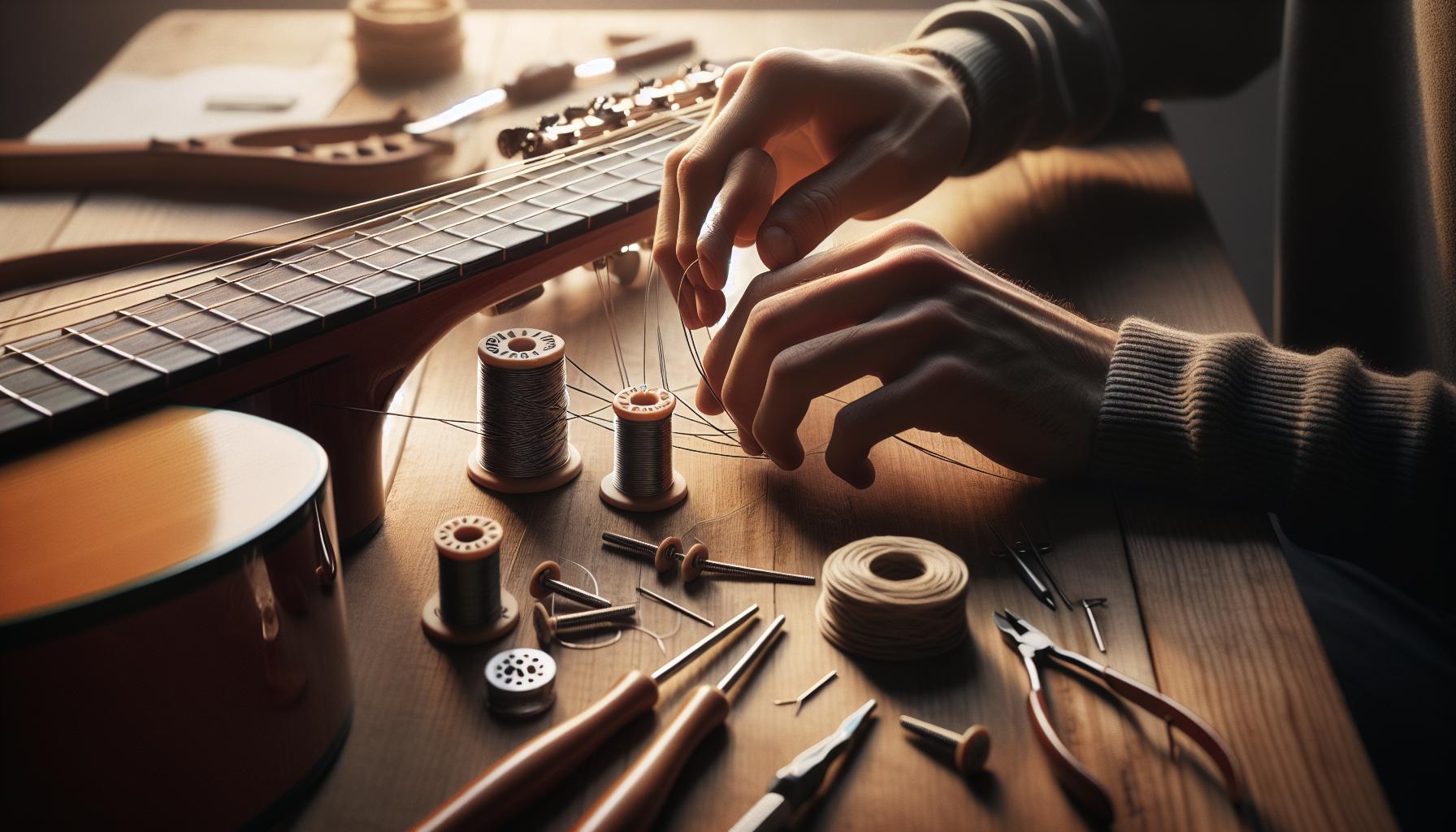
Beginner Techniques for Mastering the Bass Guitar
Becoming proficient in playing the bass guitar is an exciting challenge that can set the foundation for a lifetime of musical enjoyment. Mastering the essential techniques is crucial, especially for beginners navigating their way through entry-level options. One of the best starting points is developing a consistent practice routine that focuses on foundational skills.
To begin with, practicing scales is an excellent method to improve finger dexterity and familiarize yourself with the fretboard. Start with the major and minor scales in various keys, focusing on maintaining a steady tempo. You can use a metronome to help build your rhythm. Playing along with backing tracks or songs you enjoy can also keep your practice sessions engaging while helping you internalize timing and groove. Incorporate finger exercises that emphasize alternate picking and hammer-ons/pulloffs to build strength and speed.
Another key technique is learning how to properly use dynamics and articulation. The way you pluck the strings-whether with your fingers or a pick-can significantly affect the tone. Experiment with playing softly and loudly, and practice techniques like slapping and popping, which are popular in various bass styles including funk and rock. Additionally, familiarize yourself with common bass lines from songs that inspire you; these will provide context to your practice and enhance your ability to lock in with drums and other harmonic instruments.
Additionally, recording your practice sessions can provide invaluable feedback. Listening back allows you to identify areas for improvement, whether it’s your timing, tone, or overall feel. With modern technology, even a simple smartphone can serve as a useful recording device.
Lastly, remember to stay patient and persistent. Mastery comes with time, and every little improvement should be celebrated. With each practice session, you’ll cultivate the skills that not only make playing more enjoyable but also deepen your understanding of the bass guitar. Keep your gear in good condition, maintain your instrument regularly, and don’t hesitate to reach out to communities-both online and offline-where you can share experiences and learn from others on similar journeys.
How to Maintain Your Bass Guitar on a Budget
Keeping your bass guitar in top shape doesn’t have to break the bank. With a few simple maintenance routines and budget-friendly practices, you can ensure your instrument stays in great condition and sounds its best. Regular maintenance not only prolongs the life of your bass but also enhances your playing experience and ensures better sound quality.
One of the most crucial aspects of guitar maintenance is string care. Regularly wipe down your strings after each session with a soft cloth to remove oils and sweat. This simple act can extend the life of your strings significantly. When it’s time to replace them, look for budget-friendly brands that still offer good quality. Consider buying strings in bulk or during sales, as this can save you money in the long run. If you play often, investing in a string winder can also save time and effort during string changes.
Another affordable maintenance tip involves the body and neck of your bass. Dust and dirt accumulation can affect not only the aesthetics of your guitar but also its performance. Use a microfiber cloth to wipe down the body and check the neck for any warps or changes in relief. For deeper cleaning, consider using a lemon oil or a fretboard conditioner, which can often be found at a low price. Additionally, ensure that your bass is properly stored; using a soft case or padded gig bag is often less expensive than a hard case but still offers protection from damage.
Lastly, keep an eye on your electronics. If your bass exhibits hum or irregular sounds, first check all the connections and make sure nothing is loose. For quick fixes, you can often clean the pots with a contact cleaner, which can be purchased at most music stores or online. If you notice more significant issues, consider reaching out to local musicians or online forums where many experienced players can suggest DIY solutions or recommend cost-effective repair shops.
By implementing these tips, you can maintain your bass guitar effectively and economically, letting you focus more on playing and less on repairs.
Tips for Choosing the Right Bass Guitar for You
Choosing the right bass guitar can feel overwhelming, especially when you’re just starting out and working within a budget. The good news is that there are plenty of quality options available for under $100 that can help you develop your skills without straining your wallet. Here are some practical tips to consider that will lead you to the perfect entry-level instrument.
First, determine your primary playing style. Do you envision yourself playing rock, jazz, funk, or a mix of genres? Different styles may influence your choice of bass type. For example, if you’re leaning towards rock or punk, a solid-body electric bass might be the most suitable, while an acoustic bass may suit folk or acoustic settings better. Generally, electric bass guitars tend to offer a wider range of tones and better sustain, making them a more versatile choice for new players.
When testing potential bass guitars, pay close attention to the neck and body shape. The feel of the neck is crucial-if it’s too thick or wide for your hands, you might struggle with playability. Consider trying different neck configurations, such as medium or slim styles, to find what suits you best. Some popular shapes like the Precision Bass or Jazz Bass are known for their comfortable playability and can often be found in beginner-friendly models.
Another key element to consider is the pickup configuration. Single-coil pickups produce bright, crisp tones, while humbuckers offer a warmer sound with less noise. As a beginner, you may want to select a bass that provides a versatile range of sounds to explore different genres. Many affordable choices have split pickups to give you a blend of both worlds, making it easier to experiment as you grow.
Lastly, don’t overlook the importance of brand reputation and user reviews. Brands like Fender, Yamaha, and Ibanez have long-standing reputations for producing quality bass guitars at affordable prices. Reading through online reviews can provide insight into the instrument’s reliability and sound quality, helping you make an informed decision. Consider visiting local music stores to test out different models and seek advice from seasoned musicians present there.
By focusing on these factors, you’ll increase your chances of finding a bass guitar that not only fits your budget but also resonates with your musical aspirations.
Popular Brands Offering Entry-Level Bass Guitars
In the quest for the ideal entry-level bass guitar, choosing the right brand can significantly enhance your playing experience. Various manufacturers cater specifically to beginners, offering quality instruments that won’t break the bank. Here’s a rundown of popular brands that are recognized for their appealing entry-level bass guitars, often available for under $100.
Fender
For many, Fender is synonymous with quality and reliability. The Fender Squier series, particularly the Squier Affinity Precision and Jazz basses, is a fantastic starting point for beginners. These models embody the classic Fender sound and feel, but at a fraction of the price. With their comfortable necks and solid build, these basses allow newcomers to develop their skills without compromising on quality.
Yamaha
Yamaha has a long-standing reputation for producing versatile and affordable instruments. The Yamaha TRBX series features lightweight designs and an easy-to-play neck, making them ideal for beginners. Yamaha’s attention to build quality ensures that even their budget options deliver decent sound and playability, providing great value for aspiring bassists.
Ibanез
Ibanez is well-known for their innovative designs and player-friendly features. The GSR series offers a range of entry-level bass guitars that are perfect for newcomers. These instruments often come with a slim neck profile, making them comfortable to play, while their diverse tonal ranges help players explore different genres effectively.
Epiphone
As a subsidiary of Gibson, Epiphone delivers quality lower-end instruments at attractive price points. Their Epiphone Thunderbird and EB series basses are often recommended for those looking for something unique in terms of style without sacrificing sound or playability. With iconic designs and great sound, they cater to beginner bassists who want both aesthetics and performance.
Other Notable Brands
- Hartke: Known for their amplifiers, Hartke also produces solid entry-level bass guitars.
- Jackson: Typically known for their metal guitars, Jackson has introduced decent bass models for beginners.
- Dean: Offers a variety of aesthetically pleasing basses with unique body shapes, appealing to the visually-driven player.
When selecting a brand, it’s essential to read user reviews and, if possible, play a few models in-store to find what feels right in your hands. Different brands can have varying feels and tonal characteristics, so personal preference plays a crucial role in this decision-making process. Buying from established brands not only ensures a certain level of quality but also provides access to a network of resources and support for beginners as they embark on their musical journey.
The Importance of Body Style and Shape in Bass Guitars
The body style and shape of a bass guitar play a pivotal role in determining not only the aesthetic appeal of the instrument but also its sound quality and playability. For beginners, understanding the nuances of body designs can significantly enhance their playing experience. Different body shapes can influence factors such as comfort during long practice sessions, the overall weight of the instrument, and how sound resonates through the wood, affecting tone quality.
Larger body styles, such as those found on traditional models like the Precision Bass, offer more resonance and a fuller low-end sound, which can be particularly advantageous in band settings. Conversely, smaller body shapes, such as those found on some Ibanez models, can provide enhanced mobility and are often lighter, making them easier to handle for extended periods. This consideration is especially important for younger players or those just starting, who may prefer a more ergonomically designed instrument that allows for easier playability while learning the ropes.
Additionally, the choice of material used in the construction of the bass body can impact the overall timbre. Common woods like alder and ash have distinct sonic characteristics that may favor different musical styles. Alder tends to provide a balanced tone with strong midrange frequencies, while ash offers a brighter, more pronounced top end. Beginners should explore various body styles and materials to find the sound they resonate with most, as this can make a significant difference in their learning journey and overall satisfaction with the instrument.
In conclusion, the body style and shape of a bass guitar are not just about looks; they fundamentally affect how the instrument feels and sounds. For those on a budget, there are plenty of entry-level options under $100 that offer a variety of styles. Exploring these options can lead to discovering the perfect match that encourages growth and enjoyment in playing the bass guitar.
Best Online Resources for Learning Bass Guitar
Learning the bass guitar can be an exciting journey, and the wealth of online resources available today makes it easier than ever for beginners to get started. Whether you’re looking to refine your playing technique, discover new songs, or understand the various aspects of your gear, there are numerous platforms that cater to all skill levels. From video tutorials to interactive courses, the right online resources can significantly enhance your learning experience.
One of the best starting points is YouTube. Channels such as Scott’s Bass Lessons provide a mix of technique lessons, gear reviews, and song tutorials that are perfect for beginners. These videos often break down complex concepts into digestible content, ensuring you grasp the essentials without feeling overwhelmed. Additionally, resources such as TalkingBass offer structured lessons that cover everything from the basics of bass guitar playing to advanced techniques. You can explore lessons on scales, modes, and even practice routines that fit into your daily schedule.
For those who thrive in a more structured learning environment, websites like Berklee Online offer comprehensive courses on bass guitar playing that incorporate video lessons, assignments, and feedback from instructors. These courses can be beneficial for those wanting a deep understanding of music theory alongside their practical skills. Furthermore, communities like Ultimate Guitar not only provide tabs for a huge catalog of songs but also forums where you can ask questions, share experiences, and connect with fellow bassists.
To complement your online learning, consider using apps like Yousician or Fender Play, which combine interactive lessons with real-time feedback. These applications tailor to your skill level and pace, making it easy to track your progress over time. With tools for tuning, backing tracks for practice, and challenges designed to motivate you, these apps elevate the learning experience to keep you engaged.
Incorporating these resources into your learning routine will not only improve your skills but also deepen your understanding and enjoyment of the bass guitar. As you grow more comfortable with the instrument, you’ll find it easier to explore your musicality and connect with others, whether in a jam session or performing with a band. The journey is just as important as the destination, so embrace every lesson with enthusiasm and curiosity.
User Reviews: What Beginners Are Saying
When diving into the world of bass guitar, many beginners often seek real-world insights from others who have taken the plunge with affordable instruments. Reviews from novice players frequently highlight their first experiences and the valuable lessons learned along the way. This can provide a practical framework for new musicians who are eager to find their perfect entry-level bass under $100.
One common theme found in user reviews is the emphasis on playability. Beginners frequently mention that a comfortable neck and a lightweight body can make a significant difference, especially during long practice sessions. Many players rave about models like the Squier Bronco Bass, which is applauded for its slim neck and manageable weight, making it ideal for those still developing their technique. Newcomers often note that feeling comfortable with their instrument encourages regular practice, which accelerates their learning curve.
Quality of sound is another frequent point of discussion. For many first-time players, discovering how their bass interacts with different amplifiers and effects can lead to exciting sonic explorations. Several beginners have highlighted how surprisingly good the tone can be on lower-priced models, such as the Yamaha TRBX174, which consistently receives positive remarks for its clarity and depth, giving players a solid foundation as they refine their skills. Reviewers appreciate that a decent sound right out of the box helps them stay motivated.
Maintenance can sometimes overshadow the excitement of playing, but many beginners share tips learned from experience. Users often recommend regular tuning and checking for string wear, with some mentioning the value of investing in a basic setup or seeking help from a local technician. Many suggest that making minor adjustments or replacements, like changing to lighter gauge strings, can enhance playability significantly, making the learning process more enjoyable.
By looking into these perspectives, it’s clear that the experiences of beginners provide a wealth of useful advice. Whether it’s the importance of comfort and sound quality, or the simple techniques for maintaining their bass, these insights can guide new players in making informed decisions. Embracing the journey through shared experiences fosters a supportive community where learning and growth in bass guitar becomes not just a goal, but a shared adventure.
Common Mistakes to Avoid with Entry-Level Bass Guitars
Many beginners find themselves overwhelmed when choosing their first bass guitar, often leading to common pitfalls that can hinder their progress. Awareness of these mistakes can dramatically enhance their playing experience and learning curve. A prevalent misstep is skipping the setup process after purchasing a new instrument. Even entry-level models can benefit greatly from a proper setup that includes adjusting the neck relief, action height, and intonation. Taking the time to ensure your bass is correctly set up can improve playability and make a world of difference, especially for new players still developing their technique.
Another frequent error is neglecting the importance of string choice. Many beginners may default to the strings that come with their bass without considering how different gauges and materials affect sound and feel. For instance, lighter gauge strings can be easier to play and bend, which is particularly beneficial for those still building finger strength. Conversely, heavier strings might produce a fuller sound but could prove challenging for novice players. Exploring various types of strings can help beginners find the right balance between playability and tone, optimizing their practice sessions.
Additionally, many beginners overlook proper maintenance of their bass guitars. Regularly cleaning the strings and body, checking for loose hardware, and ensuring the instrument stays in tune are essential practices that can extend the lifespan of the instrument and enhance playing comfort. New players often don’t realize that the climate and environmental factors can impact their bass directly, making it crucial to store it in appropriate conditions to prevent damage and maintain sound quality.
Finally, jumping straight into complex techniques without mastering the basics can be a significant barrier to progress. While it’s exciting to replicate favorite songs or flashy solos, focusing on foundational skills such as proper finger positioning, timing, and ear training will nurture a solid musical foundation. Beginners should prioritize these aspects in their practice routines, allowing them to build confidence and proficiency over time while enriching their overall experience with the bass guitar.
Frequently asked questions
Q: What should I look for in a budget bass guitar under $100?
A: When selecting a budget bass guitar under $100, focus on the quality of materials, playability, and sound. Look for a comfortable neck, decent pickups, and good craftsmanship. Reading user reviews can also help you avoid common issues and ensure you choose a reliable instrument.
Q: Are there good five-string bass guitars available for under $100?
A: Yes, some brands offer affordable five-string bass guitars under $100. Models from reputable brands often provide quality at this price point. It’s advisable to check reviews and compare features to find the best option that fits your style and needs.
Q: How important is brand reputation when buying an entry-level bass guitar?
A: Brand reputation is crucial when buying an entry-level bass guitar. Established brands tend to offer better quality control, customer support, and warranties. Researching brands can help ensure you invest in an instrument that will last and perform well.
Q: Can I find decent accessories for my budget bass guitar without overspending?
A: Yes, many affordable accessories are available for budget bass guitars. Look for starter kits that include a strap, tuner, and picks. Buying essential accessories as a bundle can save money and enhance your playing experience.
Q: What is the best way to maintain a bass guitar on a budget?
A: To maintain a bass guitar on a budget, regularly clean the strings and body, store it properly, and check the setup occasionally. Using a microfiber cloth will help keep it scratch-free, and simple adjustments can greatly improve playability without cost.
Q: Should I choose an electric or acoustic bass guitar as a beginner?
A: Beginners often benefit from electric bass guitars due to their lower action and easier playability. However, if you prefer a more natural sound, starting with an acoustic bass can be rewarding. Consider your musical style to determine which option is best for you.
Q: How can I learn bass guitar on a budget?
A: Learning bass guitar on a budget is possible through free online resources, tutorial videos, and community classes. Websites, YouTube channels, and even apps can provide lessons without the need for paid subscriptions, making learning accessible.
Q: What should I avoid when buying a bass guitar under $100?
A: Avoid overly cheap models that may compromise on quality and performance. Be cautious of unknown brands and read customer reviews to identify potential issues like poor sound or build quality. Prioritize reputable options even at a low price point.
In Retrospect
To wrap up our exploration of “Bass Guitar 100: Best Entry-Level Options Under $100,” remember that finding the right bass guitar can set you on a path to musical success without breaking the bank. Each of the models we’ve discussed offers great value, sound quality, and playability, making them perfect choices for beginners eager to improve their skills. Don’t miss out on these fantastic options-start your musical journey today!
If you’re eager to learn more, check out our guides on tuning methods and step-by-step tutorials for chords and scales to enhance your playing even further. Also, consider signing up for our newsletter for the latest gear reviews and tips that will help you make informed decisions as you progress on your bass guitar journey. Let us know your thoughts in the comments below-what bass guitar are you considering? Your feedback not only helps us grow but also fosters a community where musicians thrive. Keep strumming and exploring; we’re excited to accompany you on your musical adventure!