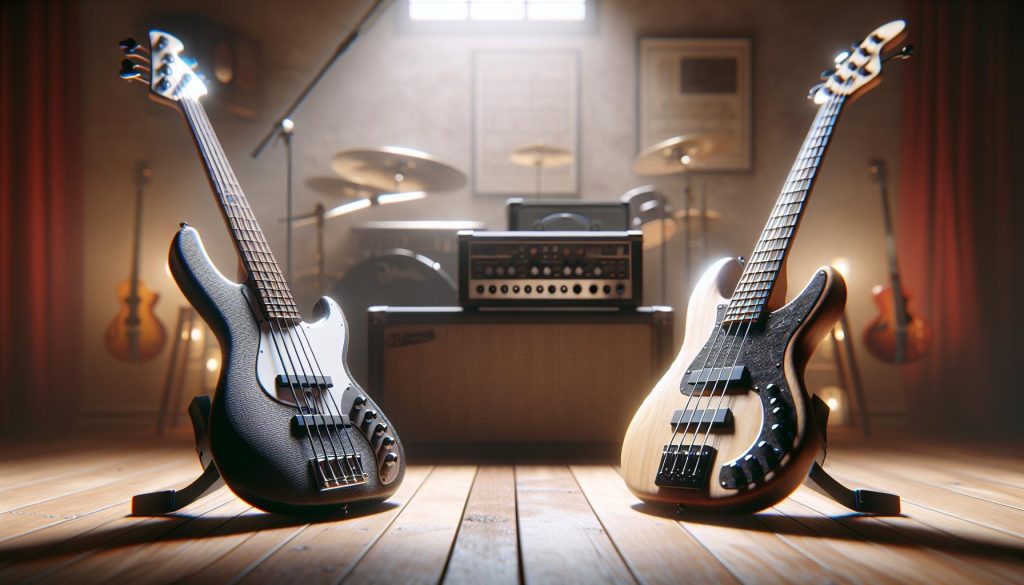
In the world of budget bass guitars, two models have captured the attention of musicians: the AS53 and AM53. While both offer impressive features for their price, choosing the right one can significantly impact your sound and playing experience. This article dives into a comparative analysis of these two budget-friendly options, focusing on their design, performance, and value. Whether you’re a beginner seeking your first bass or a seasoned player looking for an affordable backup, understanding the strengths and weaknesses of each can empower you to make an informed decision. Read on to discover which bass reigns supreme in this exciting showdown, and find the perfect instrument that fits your musical journey!
Budget Bass Overview: AS53 vs AM53 Explained
The AS53 and AM53 bass guitars are often the subject of lively discussion among budget-conscious musicians seeking quality without breaking the bank. As entry-level instruments, both models bring distinct characteristics to the table, making them appealing for different types of players. The AS53, with its semi-hollow body design, offers a warmer, deeper tone that is ideal for jazz and blues genres. Meanwhile, the AM53’s solid body construction provides a punchier sound that excels in rock and pop contexts.
When it comes to specifications, the AS53 features a set of vintage-style pickups that enhance its tonal warmth, while the AM53 is equipped with modern pickups designed to deliver bright, clear notes. This core difference in pickup design dramatically influences the overall sound and playability of each instrument. Moreover, the weight and shape of these guitars can affect comfort during play; the AS53’s larger body may take a little getting used to for beginners, while the AM53’s streamlined design often makes it a comfortable option for extended sessions.
In understanding these models, it’s crucial to identify personal preferences as well as typical performance settings. For example, if a musician desires smooth, resonant tones for bar gigs or studio recordings, the AS53 could be the better choice. Conversely, for those needing a reliable instrument that can handle high-energy performances, the AM53 might be more suitable. As you delve into the features of each, remember that your individual style and the contexts in which you perform will heavily influence your ultimate decision. The distinct sounds of both guitars not only cater to varying musical genres but also allow players to explore their own creativity through music.
Key Features Comparison: What Sets Them Apart
The AS53 and AM53 bass guitars cater to a variety of playing styles and preferences, showcasing distinct features that make each model unique. The AS53, with its semi-hollow body, is designed to deliver a rich and warm tone, making it particularly favorable for genres such as jazz and blues. Its vintage-style pickups contribute to a luscious sound that resonates beautifully, enhancing chord progressions and melodic lines with depth. For musicians looking to create a soothing ambiance or who often perform in quieter settings, the AS53 offers an excellent choice.
On the other hand, the AM53 stands out with its solid body construction, allowing it to produce a more pronounced and aggressive tone. This model is equipped with modern pickups that deliver bright, clear notes, giving it the edge for rock and pop performances where punchy sound is essential. This makes the AM53 a versatile choice for energetic gigs where clarity and power are vital. The sleeker design of the AM53 also means it can be more comfortable for players during extended sessions, which can be particularly advantageous for busy performers navigating various musical environments.
In terms of playability, the weight and body shape play a significant role in how each bass feels while playing. The AS53’s larger frame may require some adjustment for beginners or those who are used to lighter instruments. However, for players who appreciate the fuller sound of a semi-hollow body, this slight learning curve can be well worth the effort. Conversely, the streamlined design of the AM53 offers ease of use and mobility, making it ideally suited for live performances where accessibility and quick movement are key.
Thus, the choice between the AS53 and AM53 often comes down to personal preference in sound and playing style. Bassists who thrive in softer genres may gravitate towards the warmth of the AS53, while those engaged in more vigorous genres may find the AM53’s clarity and responsiveness perfectly suited to their needs. Ultimately, considering where and how one intends to use their bass can significantly influence which model emerges as the clear winner for the individual player.
Sound Quality Analysis: Which Bass Delivers Better Tone?
The sound quality of a bass guitar can make or break a performance, and both the AS53 and AM53 models bring unique tonal characteristics to the table. When comparing the two, it’s crucial to understand how their different constructions and features influence their sound profiles, making them suited for distinct musical genres and playing styles.
The AS53 is celebrated for its semi-hollow body, which imbues its tone with a depth and warmth that is particularly appealing for genres like jazz and blues. This design allows the bass to resonate more freely, producing a rich harmonic content that complements melodic lines and complex chord progressions. Players often describe its sound as “lush” and “full,” making it ideal for creating an enveloping ambiance on stage or in the studio. The vintage-style pickups enhance this tonal richness, capturing subtleties in dynamics and expression, which is perfect for softer, more emotive playing styles.
In contrast, the AM53 leans towards a more modern sound profile with its solid body construction. This rigidity allows for greater sustain and a more pronounced attack, which is critical for rock and pop genres where clarity and punch are paramount. The AM53’s modern pickups deliver a bright, crisp tone that cuts through the mix effectively, making it an excellent choice for energetic performances. Musicians often appreciate its sharpness and articulation, especially in fast-paced play or when playing with a band, where a clear, defined sound is essential to maintaining the rhythm and drive of the music.
Both bass models excel in their respective domains, but determining which one delivers the better tone ultimately relies on personal preference and playing context. Whether you favor the warm, resonant tones of the AS53 or the bright, aggressive sound of the AM53, understanding how these qualities align with your musical goals will help you make an informed decision. As you explore sound samples and engage with fellow musicians, consider how each bass fits not just in isolation but within the broader spectrum of the music you wish to create.
Build Quality and Design: Durability and Style Off the Rack
When it comes to selecting a bass guitar, durability and design play pivotal roles, especially for musicians looking for a reliable instrument that can withstand the rigors of practice sessions and live performances. Understanding the construction and aesthetic appeal of the AS53 and AM53 models reveals insights into how each can meet your playing needs and match your personal style.
The AS53 boasts a semi-hollow body design, a feature that not only enhances its warm tone but also contributes to its physical aesthetics. Crafted from high-quality woods, it offers a vintage vibe that appeals to classic rock, jazz, and blues players alike. The sleek finish and elegant contours make it visually striking, while the construction helps in reducing unwanted feedback during performances. This thoughtful design ensures that the AS53 is not just a pretty face on stage; it’s built to deliver consistent sound quality and reliability night after night.
In contrast, the AM53 presents a solid body that is more suited to aggressive playing styles and modern genres such as rock and metal. Its robust construction provides excellent sustain and resilience, allowing it to withstand vigorous playing without compromising sound clarity. The AM53’s clean lines and contemporary aesthetic make it attractive for players who prefer a modern edge. This bass is engineered for ease of maintenance, with straightforward access to components, ensuring that players can quickly address any setup needs.
Both instruments are designed with the player’s experience in mind. Here are some features to consider when evaluating their build quality and design:
- AS53: Semi-hollow body, vintage-style pickups, excellent feedback control, aesthetically pleasing with classic finishes.
- AM53: Solid body for enhanced sustain and clarity, modern pickups for pronounced sound, user-friendly maintenance setup.
Ultimately, each bass offers unique advantages in terms of build quality and design. Choosing between them will largely depend on your genre of choice, play style, and visual preferences. Whether you lean towards the traditional charm of the AS53 or the modern robustness of the AM53, both guitars provide great durability and appealing design to inspire your musical journey.
Playability: Comfort and Ease of Use Insights
When diving into the realm of budget bass guitars, comfort and ease of use can significantly enhance your playing experience, especially for those long practice sessions or high-energy performances. The AS53 and AM53 models each bring a distinct approach to playability, catering to different styles and preferences.
The AS53, with its semi-hollow body, not only sounds rich but feels incredibly comfortable to hold. This design helps to reduce weight while providing a contour that easily fits against the player’s body. The neck is typically designed with a smooth finish, allowing for effortless transitions between chords and notes. Additionally, the vintage-style pickups are strategically positioned to ensure a balanced output, meaning you can focus entirely on your performance rather than battling with tone issues. Players often find that the AS53 encourages a more relaxed playing posture, which is crucial for extended use without physical strain.
On the flip side, the AM53 is engineered for those who thrive on versatility and durability. Its solid body contributes to a robust feel, ideal for aggressive playing styles common in rock and metal. The neck profile is generally slimmer, making it easier for players with smaller hands or those who prefer faster playability to maneuver with precision. Many musicians appreciate the quick access to the truss rod and pickups, simplifying maintenance and allowing for swift adjustments before gigs.
When considering which bass fits your playing style best, think about your typical performance scenario. For players focused on intricate fingerstyle techniques or jazz improvisation, the AS53’s fluid body shape may provide the comfort needed for longer sets. Conversely, if your music often requires heavy slap techniques or downpicking, the AM53’s sturdy build may better withstand the demands of aggressive play while still providing an effortless feel under your fingers.
Ultimately, both models excel in ensuring that you can focus on making music rather than worrying about how the bass feels in your hands. Whether you prefer the classic charm of the AS53 or the bold presence of the AM53, each guitar is crafted to elevate your playing experience.
Value for Money: Is the AS53 or AM53 the Better Buy?
When it comes to budget bass guitars, value for money is a crucial factor that can influence your decision significantly. The AS53 and AM53 stand out not only for their unique characteristics but also for their pricing, making them accessible options for both beginner and experienced players. Understanding what you receive for your investment can help you choose the best fit for your playing style and needs.
The AS53, with its semi-hollow body design, usually falls within a similar price range as the AM53 but often provides a richer sound profile suited for genres like jazz and blues. Its comfortable build and playability often lead to a greater sense of enjoyment during practice and performances. This comfort can translate to longer practice sessions, which means you’re getting more value out of your instrument if you’re the type of player who dedicates substantial time honing your craft. The vintage-style pickups facilitate a warm tone, ideal for those who prioritize sound quality in their investment.
In contrast, the AM53 typically appeals to players who need durability and versatility at a comparable price point. Its solid body construction not only offers a robust feel but is also well-suited for various styles, particularly rock and metal. For musicians frequently playing in different settings or styles, the ability to quickly tweak settings and access components like the truss rod enhances its value. The AM53 often surprises players with its ability to handle aggressive playing, making it a reliable choice for live performances where dependability is key.
Ultimately, determining which bass offers better value will come down to your personal playing style and preferences. If your musical journey leans towards intricate jazz melodies or a smooth sonic experience, the AS53 may prove to be the better investment over time. However, if you’re a versatile player jumping between genres who values ruggedness, the AM53 could be the more practical choice. Whichever model you choose, both bass guitars provide exceptional quality for their price, helping you focus on making music rather than worrying about your instrument’s performance.
User Reviews: Real Player Experiences and Ratings
Musicians tend to have a wealth of opinions about their instruments, and the AS53 and AM53 bass guitars are no exception. Reviews from players highlight key strengths and preferences that can guide potential buyers in their decision-making process. Both models have earned followers, but player experiences showcase how individual needs and playing styles significantly influence their views.
Users of the AS53 often rave about its warm, full-bodied tone, which is particularly appealing for jazz, blues, and classic rock. One enthusiastic player described how the semi-hollow body of the AS53 contributes to a sound that is “rich and resonant,” perfect for those soulful runs and melodic lines. Many note that the vintage-style pickups do a remarkable job of delivering that classic vintage vibe, maintaining clarity even when pushing gain levels. This bass model draws praise not just for sound but also for comfort, with players emphasizing that the contoured body allows for extended hours of playing without fatigue.
On the other hand, the AM53 has garnered attention for its rugged construction and versatility, making it a favored choice among rock and metal players. A guitarist noted that the solid body provides a sturdy feel, inspiring confidence during aggressive playing and live gigs. Users appreciate how easy it is to dial in various tones, thanks to the straightforward control layout. Many reviewers have shared stories about taking their AM53 from practice sessions to jam nights with ease, marking it as a reliable workhorse for diverse playing styles. A common sentiment is that the AM53 can withstand the rigors of touring, making it a preferred option for those gigging frequently.
Players assessing which bass to buy should consider their unique needs. The AS53 might resonate with those seeking a versatile instrument that excels in warmth and comfort for longer sessions, while the AM53 offers the sturdiness and adaptability needed for dynamic performances across genres. Ultimately, the testimonials showcase a genuine appreciation for both instruments, reinforcing that whether you lean towards the AS53 or AM53, you’re investing in quality that can enhance your musical journey.
Best Use Cases: Ideal Settings for Each Bass Guitar
The AS53 bass guitar excels in settings where warmth and rich tonality are paramount. Ideal for genres like jazz, blues, and classic rock, this model serves well in intimate venues such as coffee houses or small clubs, where warmth can be appreciated. The semi-hollow body contributes to a resonance that supports expressive playing, making it perfect for solo performances or collaborative acoustic sessions. If you’re the type to play longer gigs, the comfort of the contoured body allows for extended use without fatigue, granting you the energy to engage your audience fully.
Conversely, the AM53 thrives in more dynamic and high-energy settings. Its solid construction suits genres like rock and metal, where durability and a robust tone are essential. This bass shines on larger stages during live performances or in rehearsal studios where you want a reliable instrument that can withstand the rigors of energetic playing. Its straightforward control layout enables quick adjustments on the fly, making it a favorite for jam sessions and practice scenarios that require adaptability across various musical styles. Many gigging musicians swear by the AM53’s resilience, finding it a dependable workhorse that’s ready for anything, whether it’s a last-minute performance or an all-night jam.
In summary, choosing between the AS53 and AM53 often comes down to the musical context you find yourself in. The AS53 is perfect for soothing melodies and rich harmonics, ideal for laid-back settings, while the AM53 is designed for the heavy-hitters who thrive on stage. Both instruments can excel in their respective environments, allowing musicians to find the perfect fit for their sound and performance style.
Upgrades and Accessories: Enhance Your Budget Bass
Investing in upgrades and accessories can significantly enhance your experience with budget bass guitars like the AS53 and AM53. These instruments, while excellent on their own, can truly shine with the right enhancements, ultimately adapting them further to your playing style and musical needs. Whether you’re a beginner looking to make your first bass purchase or an experienced player seeking to optimize your setup, knowing where to allocate your resources can lead to a more satisfying and versatile playing experience.
One of the first upgrades to consider is a high-quality set of strings. Switching to premium bass strings can dramatically impact sustain, tonal clarity, and overall playability. For the AS53, try flatwound strings to complement its warm tone, while roundwound strings might better suit the AM53 and its punchy, aggressive sound. Additionally, consider using different gauges that suit your finger style and comfort; lighter gauges are easier to play but may sacrifice some quality in sound, while heavier gauges can enhance richness but might require more finger strength.
Another essential upgrade is to invest in an effective amplifier. A good amp can dramatically change how your bass guitar sounds in various environments. Look for amplifiers that offer a solid EQ framework, allowing you to tailor the sound to your preferences. If you’re planning on playing in different settings, a portable practice amp is a versatile choice, ensuring you can refine your sound on the go. Additionally, integrating effects pedals can open up a new world of sonic possibilities. Distortion, compression, or modulation effects can enhance your tone and add a personal touch to your playing style.
You should also consider accessories that make playing experience more comfortable. A quality strap can enhance your comfort while playing, especially during long sessions or gigs. Look for padded straps that distribute weight evenly, reducing strain on your shoulders. Additionally, using a well-designed gig bag or hard case will protect your instrument during transport, ensuring it remains safe from damage.
Lastly, fretwork and setup adjustments can be crucial in optimizing playability. While budget guitars often come well-setup, visiting a local luthier for a professional setup can refine string action and intonation, ultimately making your bass more responsive and easier to play.
By thoughtfully selecting upgrades and accessories, you can unlock the full potential of both the AS53 and AM53 bass guitars, making them even more tailored to your musical style and preferences.
Comparative Alternatives: Other Great Budget Basses to Consider
When considering budget bass guitars, the market offers a wealth of options that rival the quality and performance of popular models like the AS53 and AM53. If you’re on a quest for affordable alternatives without compromising on sound or playability, a few standout options come to mind that can cater to both beginner players and seasoned musicians looking for a more economical addition to their arsenal.
One compelling alternative is the Squier Classic Vibe Series. With models like the Precision Bass and Jazz Bass, Squier provides excellent craftsmanship and sound quality at an affordable price. This series stands out for its vintage-style aesthetics and robust tone, featuring quality pickups and a comfortable neck profile that facilitate ease of play. Many players find Squier’s offerings reminiscent of Fender’s more iconic models, making it a natural choice for those looking to dip their toes into the world of electric bass.
Another attractive option is the Yamaha TRBX Series. Known for its versatility and excellent build quality, the TRBX offers a solid mahogany body with a sleek design and a wide range of tonal options thanks to its active electronics. This bass excels in live settings and recording, allowing players to fine-tune their sound with onboard EQ systems. The playability is also commendable, featuring a smooth neck for comfortable long hours of playing.
Additionally, the Ibanez GSR Series is worth exploring. This line presents a modern aesthetic and is known for its lightweight body, which makes it easy to handle during extended performances. The GSR basses come equipped with powerful pickups that provide a punchy sound, ideal for genres ranging from rock to funk. With such features at a budget-friendly price, it’s no wonder that this series has gained popularity among up-and-coming musicians.
While these alternatives provide excellent quality and playability, it’s crucial to try them out in person if possible. Each player has unique preferences, and the feel, sound, and overall experience can vary widely among different models. Investing time in testing different basses can help you discover the perfect fit for your musical style and playing comfort. Additionally, consider reading reviews from fellow players and seeking recommendations within your local music community to guide your choice. Ultimately, the right budget bass will not only enhance your performance but also inspire you to keep playing and improving your skills.
Frequently Asked Questions
Q: What are the main differences between AS53 and AM53 bass guitars?
A: The AS53 features a semi-hollow body for a warmer sound, while the AM53 has a solid body that delivers a punchier tone. The hardware and electronics also vary, with the AM53 typically offering more versatile pickup options suited for different genres. Explore our Key Features Comparison section for more details.
Q: Which bass is better for beginners, AS53 or AM53?
A: The AS53 is generally considered more beginner-friendly due to its lighter weight and comfortable neck profile. It offers a smooth playing experience, making it easier for novice players to learn techniques. Check the Playability section in our article for more insights.
Q: How do users rate the sound quality of AS53 compared to AM53?
A: Many users find the AS53 offers a richer, mellow tone ideal for jazz and blues, while the AM53 is preferred for its clear and aggressive sound suited for rock and pop. User reviews highlight these preferences-see our User Reviews section for detailed experiences.
Q: What are the best use cases for the AS53 and AM53 bass guitars?
A: The AS53 excels in settings like studio recordings and mellow gigs, while the AM53 is favored for live performances and diverse genres. Depending on your playing style, you can choose the bass that fits your needs best. Refer to our Best Use Cases section for recommendations.
Q: Are there any specific upgrades recommended for AS53 or AM53?
A: Upgrades can enhance both models. For the AS53, consider swapping to higher-quality pickups for improved sound. The AM53 can benefit from a better bridge for enhanced sustain. Explore our Upgrades and Accessories section for detailed suggestions.
Q: What is the build quality like for AS53 and AM53?
A: The AS53 is made from lighter woods that prioritize resonance, while the AM53 uses sturdier materials for increased durability. Both are designed to withstand regular use, but the AM53 may be better suited for rougher conditions. For more specifics, see our Build Quality and Design section.
Q: How does the price of AS53 compare to AM53 in value for money?
A: While both models are budget-friendly, the AS53 often delivers better sound quality per dollar spent, making it a better value for jazz and blues players. The AM53, however, offers versatility for those needing a range of sounds. Check our Value for Money section for a related breakdown.
Q: What are good alternatives to AS53 and AM53 bass guitars?
A: Alternatives include the Yamaha TRBX series and the Squier Classic Vibe series, both offering excellent sound and build at a similar price. Depending on your style, these models might provide the features you’re looking for. Refer to our Comparative Alternatives section for more options.
To Conclude
As we wrap up our comparison of the AS53 and AM53 budget basses, it’s clear that both models offer unique benefits that cater to different playing styles and preferences. Whether you’re seeking deeper tones or a lighter touch for effortless play, there’s a winner waiting for you in your next jam. Don’t let the choice overwhelm you-check out our detailed guides on tuning methods and gear reviews to help refine your decision further.
Curious about more ways to enhance your music experience? Explore our content on step-by-step tutorials for mastering chords and scales or dive into our maintenance guides to keep your instruments in top shape. Your musical journey doesn’t have to stop here! Join our newsletter for exclusive tips and the latest gear advice that will elevate your playing to new heights.
If you have questions or want to share your thoughts on these basses, drop a comment below! Your insights not only enrich our community but also guide us in creating content that resonates with your needs. Let’s keep the conversation going, and remember-great music awaits!