Zajímá vás také: best budget guitar strings
Choosing the right acoustic guitar strings can drastically enhance your playing experience, yet many musicians feel overwhelmed by the myriad of options available. Did you know that the type of strings you use can dramatically affect your guitar’s tone and playability? Whether you’re a beginner or an experienced player, finding the perfect strings tailored to your budget is essential for achieving your musical goals. In this guide, we’ll explore nine top acoustic guitar string brands, offering valuable insights to help you make informed choices without breaking the bank. Get ready to elevate your sound and enjoy your musical journey like never before!
Best Acoustic Guitar Strings for Beginners
Choosing the right acoustic guitar strings can significantly impact a beginner’s learning experience, as the right strings can make the instrument easier to play and encourage consistent practice. For those just starting out, lighter gauge strings are often recommended because they require less finger strength and provide a more comfortable playing experience. This can help new players build confidence and develop their skills without feeling discouraged by sore fingers or difficult chords.
When considering specific brands, there are several options well-suited for beginners. Brands like D’Addario, Ernie Ball, and Martin offer great value with their beginner-friendly string sets. These strings are designed to offer a warm tone and durability while being easy on the fingers. D’Addario’s light gauge strings, for instance, are a popular choice for their consistent quality and bright sound, making them ideal for various styles, including folk and pop music. Ernie Ball’s Earthwood line also provides an excellent balance of playability and tone, perfect for those new to fingerpicking or strumming.
In addition to gauge, materials play a crucial role in sound quality and playability. Bronze and phosphor bronze strings are commonly recommended for their rich tones, while silk and steel strings provide a mellower sound that some beginners might find more appealing. As new players experiment with different strings, they will begin to understand their personal preferences and playing style, ultimately aiding them in selecting the best acoustic guitar strings.
By starting with quality options that cater to their level of skill, beginners can set a solid foundation for their musical journey. Over time, as they progress, they can explore higher-end strings or different gauges to suit their evolving style and technique, ensuring that their acoustic guitar continues to inspire creativity and growth.
Top Acoustic Guitar Brands for Intermediate Players

Intermediate players often find themselves at a crucial crossroads in their musical journey, where the right equipment can notably enhance their playing experience. Understanding the differences among various guitar string brands can lead to discoveries about tone, playability, and style that elevate your performance.
Brands such as D’Addario, Elixir, and Martin stand out for their commitment to quality and variety tailored to intermediate musicians. D’Addario’s EXP series, for example, features coated strings that provide a longer lifespan without sacrificing tone. Their Phosphor Bronze strings are renowned for warmth and projection, making them a favorite for guitarists who appreciate a fuller sound. Meanwhile, Elixir’s strings with a patented coating are perfect for those seeking less finger noise and extended clarity, giving players more time in between changes without compromising sound quality.
Moving onto Martin, a brand synonymous with acoustic excellence, their strings are designed with a rich tonal palette in mind. The Martin SP line offers a selection of gauges and materials, providing versatility for various playing styles, from strumming to fingerpicking. Their strings can help a player discover new tones and dynamics, aligning perfectly with an intermediate player’s expanding repertoire.
Investing in the right strings aligns with an intermediate player’s ambition to refine their sound and technique. As you continue to explore your unique guitar voice, experimenting with different string brands can lead to exciting musical revelations. Embrace the journey and enjoy the process of finding the strings that resonate with your style, as they can make all the difference in your playing experience.
Premium Acoustic Guitar Strings Worth the Investment
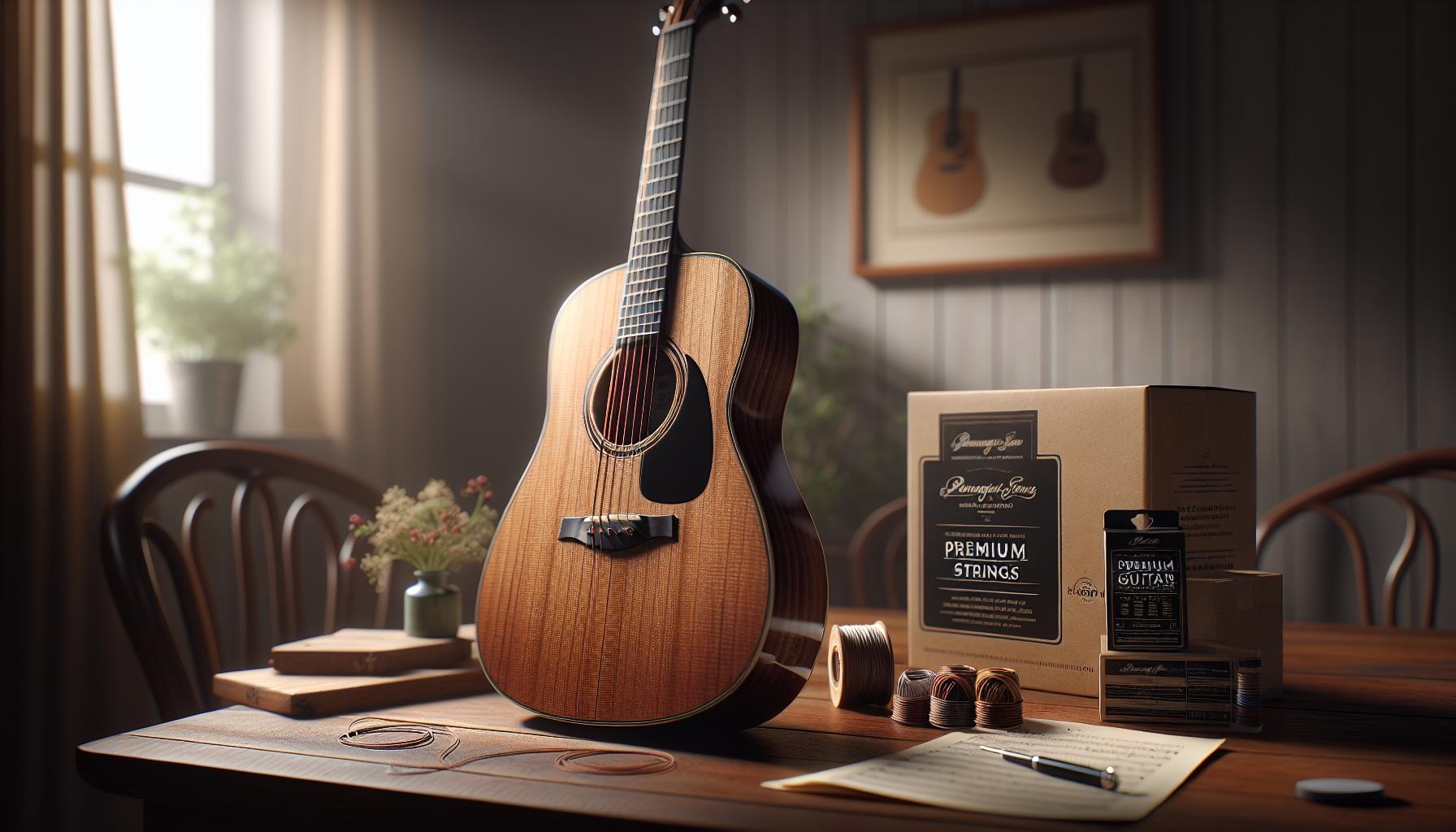
Premium acoustic guitar strings are an essential investment for musicians seeking to elevate their playing experience and sound quality. These strings can enhance tonal clarity, sustain, and overall performance, making them a worthy addition for serious players who rely on their instruments for creative expression. While there are many options available, choosing the right premium strings can significantly impact the way your guitar sounds and feels.
Strings from brands like Elixir, D’Addario, and Martin often come highly recommended due to their advanced construction techniques and quality materials. For example, Elixir’s coated strings not only resist dirt and grime but also deliver a bright and clear sound that lasts longer than traditional strings. This extended durability means less frequent changes, allowing players to focus more on their music rather than maintenance. D’Addario’s Phosphor Bronze strings offer a rich and warm tone, ideal for folk and singer-songwriter genres. For those looking to invest in strings that provide a balance of tonal richness and longevity, Martin’s SP line is worth considering, as these strings are tailored for a wide variety of playing styles while maintaining clarity and projection.
When selecting premium strings, it’s important to consider your playing style and the kind of music you enjoy. Experimenting with different materials and gauges can lead to discovering unique sounds and expressions. Whether it’s the silky feel of silk and steel strings or the brighter response of 80/20 bronze, the right choice can inspire creativity and enhance your practice sessions.
Additionally, remember that investing in quality strings is not solely about sound; it also affects playability. Strings that maintain their tune and intonation longer contribute to a more enjoyable playing experience, allowing musicians to express themselves freely and confidently. Embracing premium acoustic guitar strings is an affirmation of your commitment to your craft, and as you explore these options, you will likely find the sound that resonates with your musical identity.
The Importance of Gauge: Finding Your Perfect Fit

Finding the right gauge of acoustic guitar strings can significantly influence your playing experience, from how the strings feel under your fingers to the overall sound they produce. Gauge refers to the thickness of the string, commonly measured in thousandths of an inch. Generally, lighter gauge strings (e.g., .010-.047) are easier to play and bend, making them well-suited for beginners or players who favor fingerstyle techniques. On the other hand, heavier gauge strings (e.g., .013-.056) provide greater volume and sustain, making them popular among strummers and those who play more aggressively.
Understanding the balance between gauge and your playing style is crucial in selecting strings that fit your personal preferences. For instance, if you enjoy fingerpicking, opting for light or medium-light strings can help you achieve more nuanced control and comfort. Conversely, a heavier gauge may be more appropriate for players who strum vigorously in genres like rock or bluegrass, where punch and projection are paramount. It’s worth experimenting with different gauges to discover how they affect not just your performance but also the tonal characteristics of your instrument.
Additionally, string gauge impacts tension and playability. Lighter strings have lower tension, allowing for easier playability and less force needed to fret notes, reducing finger fatigue during longer practice or performance sessions. However, while lighter strings may offer playability advantages, they can sometimes feel less stable and might go out of tune more easily, especially when under aggressive strumming conditions. Conversely, heavier strings hold tuning better and provide a richer sustain, but players may find them challenging to handle, particularly those who are just starting out.
Incorporating changes in string gauge into your routine can also elevate your acoustic guitar’s overall sound. For those who want to step into different musical styles, consider considering various gauges as a part of your exploration. As you experiment, keep in mind that your guitar’s setup (like the neck relief and nut height) might also need adjustment when switching gauges to ensure optimal playability and sound quality. Embrace the journey of finding your perfect string gauge; it’s a vital aspect of shaping your unique sound and style.
Comparing Coated vs. Uncoated Strings: What You Need to Know
The choice between coated and uncoated strings is often a pivotal decision for guitarists, impacting both playability and sound. Coated strings, as the name suggests, feature a protective layer that keeps moisture, dirt, and oils from affecting their tonal quality and lifespan. This makes them a popular choice for players seeking durability, especially those who may not have the time or inclination to change strings frequently. The coating can give the strings a smoother feel, which might be a bonus for beginners still developing their finger strength and dexterity.
On the flip side, uncoated strings resonate with a more traditional tonal character, often prized for their bright, vibrant sound. Without the coating, these strings can offer a more organic interaction with the guitar’s body, resulting in richer overtones and a more pronounced attack. However, they may require more regular changes, as they can be more susceptible to corrosion and loss of tone due to environmental factors. Players who favor a lively, unfiltered sound might lean towards uncoated options, enjoying the warmth and texture brought out by fresh strings.
When choosing between the two, consider how you play. For instance, if you frequently play in varied environments or sweat a lot during performances, coated strings may provide peace of mind and longevity. Alternatively, if you’re a meticulous player who enjoys the nuances of sound and can dedicate time to string maintenance, uncoated strings could shine with their pure tonal response. Ultimately, testing both types and finding the ideal fit for your playing style will lead to a more enjoyable and musically satisfying experience.
Different Materials Used in Acoustic Guitar Strings

The choice of material in acoustic guitar strings significantly influences both their sound and playability, making it a crucial consideration for every guitarist. Understanding these materials can enhance your playing experience and help you make informed decisions when selecting strings.
Commonly used materials include bronze, phosphor bronze, nickel, and steel.
Bronze Strings
Bronze strings, typically composed of an alloy of copper and tin, are celebrated for their bright, clear tone. They are an excellent choice for soloists and those who favor a vibrant sound that resonates strongly with the natural tone of the guitar. However, they can be prone to corrosion, necessitating more frequent changes.
Phosphor Bronze Strings
Phosphor bronze strings take the basic bronze formula and enhance it with phosphorus, which provides a slightly warmer tone along with increased durability. This makes them a popular choice among acoustic players, balancing brilliant highs with rich lows-a sound that complements many different playing styles.
Nickel Strings
Nickel strings, often used in electric guitars, are less common in acoustics but can offer a softer tone with more pronounced midrange frequencies. They are typically more suited for players seeking a mellow, warm sound and are often favored in folk or jazz genres.
Steel Strings
Steel strings are known for their bright projection and are commonly used for both acoustic and electric guitars. They provide a responsive touch and clarity, allowing for sharp articulation of notes, making them ideal for strumming and fingerstyle players alike.
Choosing the right material is not just about the tonal qualities; your playing style and genre can also dictate the best fit. For instance, if you’re a strummer focusing on rhythm, bronze or phosphor bronze may enhance your sound. In contrast, those who often play fingerstyle might appreciate the warmth of phosphor bronze or even the mellow tones of nickel strings.
Understanding these differences equips guitarists with the knowledge to select strings that best suit their instrument and personal sound. Whether you’re just starting or have experience under your belt, experimenting with various materials can lead to discovering your perfect tone.
Choosing the Right String Type for Your Playing Style
When selecting acoustic guitar strings, understanding your playing style is crucial to enhancing both your tone and playability. Different string materials and gauges can significantly affect sound quality and responsiveness, tailoring your instrument to fit your musical preferences. Whether you’re strumming chords, fingerpicking intricate melodies, or playing a specific genre, choosing the right strings can elevate your performance and enjoyment.
For fingerstyle players, the warmth and nuanced tonal qualities of phosphor bronze strings offer an ideal option. Their ability to produce rich lows and shimmering highs allows for detailed articulation, making them perfect for subtle, intricate playing. In contrast, bronze strings are favored by strummers for their clear, bright sound, ideal for rhythm-heavy genres like folk and rock. If you’re someone who loves flatpicking, consider experimenting with light-gauge strings to balance playability and tone, as they can make it easier to achieve quick, fluid movements.
Another consideration is the string coating. Coated strings not only extend the lifespan of your strings by resisting dirt and sweat but also maintain a similar tone to their uncoated counterparts, albeit with a slightly warmer character. This can be particularly advantageous for players who perform frequently and want to minimize maintenance without sacrificing sound quality. On the other hand, uncoated strings offer an immediate brightness and clarity that many purists prefer, especially for live performances.
Ultimately, the perfect strings for you will depend on your specific playing style and preferences. Take the time to experiment with different types and gauges, paying attention to how each option complements your instrument and sound. By aligning your string choice with your unique playing style, you’ll not only enhance your musical expression but also gain greater satisfaction from your guitar.
Budget-Friendly String Options That Don’t Compromise Quality
Many guitarists are often surprised to find that high-quality acoustic strings don’t always have to break the bank. There are numerous brands on the market offering reliable performance at a fraction of the price of premium options. This means you can keep your guitar sounding great without stretching your budget too thin.
One popular choice for budget-conscious players is D’Addario’s EJ16 Phosphor Bronze strings. Known for their warm, balanced tone, these strings provide excellent playability and durability. They are great for beginners who want to experiment with a range of styles without committing to higher-priced strings. Additionally, Ernie Ball Earthwood strings offer another value-packed alternative. These strings are constructed with quality materials, delivering bright tone and comfortable playability, making them suitable for various genres.
For those who are willing to try something a bit off the beaten path, consider GHS Strings’ Silk & Bronze series. These strings blend silk with bronze to create a unique tonal characteristic that is both mellow and articulate, perfect for fingerstyle players. They are typically more affordable than nylon strings yet offer a warm, inviting sound that many beginners find appealing.
Finally, keep an eye out for deals or discounted bundles from these brands. Purchasing strings in bulk or during sales can significantly lower your overall costs while ensuring you always have a fresh set ready to go. By exploring these budget-friendly options, you can enjoy exceptional sound and performance without compromising on quality or spending excessively.
Expert Tips for Maintaining Your Acoustic Guitar Strings
Maintaining your acoustic guitar strings is crucial in ensuring that they deliver the best sound quality and longevity, allowing you to express your musicality with precision. A well-cared-for set of strings can drastically improve your tone and make your instrument feel more responsive. Here are some expert tips to help you keep your strings in top shape.
First, consider the cleanliness of your strings. Oil and dirt from your fingers can accumulate on the surface, which not only affects the sound but also accelerates corrosion. After every session, take a few moments to wipe your strings down with a clean, soft cloth. This simple act helps remove oils and grime, prolonging the strings’ lifespan and maintaining their brightness. For an added layer of protection, some players use string cleaners designed specifically to clean and condition strings.
Additionally, be mindful of your climate and storage conditions. Humidity and temperature can significantly impact string performance. Ideally, store your guitar in a controlled environment, avoiding extreme temperature fluctuations and excessive humidity. If you live in a particularly dry area, consider using a guitar humidifier to maintain optimal moisture levels. This small investment can prevent the wood from drying out and help keep your strings from rusting prematurely.
Lastly, pay attention to your playing style and the kind of music you play. Heavier strumming or aggressive playing may wear strings down faster. Consider adjusting your string gauge or material based on your playing habits. For example, if you tend to play a lot of fingerstyle, lighter gauges, such as silk and steel strings, might better suit your style and provide a different tonal quality. Experimenting with various brands and types can also yield surprising results in terms of both sound and durability.
By following these proactive maintenance tips, you can ensure your acoustic guitar strings remain vibrant and responsive, empowering you to play your best every time you pick up your instrument.
Signs It’s Time to Change Your Guitar Strings
Recognizing the signs that it’s time to replace your guitar strings can elevate your playing experience, ensuring that your instrument consistently delivers the best possible sound. Over time, acoustic guitar strings wear down due to elements like humidity, temperature changes, and your playing style. While it may be tempting to keep playing until they break, a discerning ear can detect changes in tone and playability well before that point.
One of the most noticeable signs that your strings need changing is a dull or lifeless tone. Fresh strings typically have bright, vibrant sounds that enhance your music’s overall quality. If your acoustic guitar sounds flat or lacks the resonance it once had, even after tuning, it’s likely time for a string replacement. Additionally, if your guitar feels harder to play, with increased resistance or if notes aren’t ringing out clearly-especially on chords or solos-it might be time to consider new strings.
Another clear indicator is the physical condition of the strings themselves. Look for signs of wear, such as rust, discoloration, or fraying. If the strings appear corroded or if you feel rough spots when running your fingers along them, they are likely past their prime. Moreover, if you notice a significant loss in tuning stability-where strings frequently go out of tune even after minor adjustments-a change might be in order.
Regularly changing your strings can also enhance your playing experience; think of it as giving your guitar a new voice. Many players adopt a routine based on usage: for example, changing strings once every two weeks or after several practice sessions, depending on how often they play. By paying attention to the signs and understanding when it’s time for a change, you can maintain your acoustic guitar’s sound quality and performance, making each strum a delight to hear.
Guitar String Brands You Can Trust: A Comprehensive Review
Some brands have established themselves as the gold standard for acoustic guitar strings, renowned for their quality, durability, and sound. Choosing the right brand can greatly impact your playing experience, and these trusted names are worth considering as you navigate the world of guitar strings.
Elixir strings are highly acclaimed for their innovative coating technology, which protects the strings from dirt and moisture while enhancing their lifespan. Musicians rave about their warm tone and bright sound. For those who play regularly, Elixir’s coated strings can seem like a smart investment as they retain their brightness longer than many uncoated counterparts.
D’Addario has been a leading name in the industry for decades. Known for their consistency and wide range of options, including phosphor bronze, 80/20 bronze, and silk and steel, D’Addario strings cater to every playing style and preference. Their customer loyalty is a testament to the quality and reliability that emerging and professional players seek.
Martin strings are often associated with premium-quality acoustic tone. These strings, made by the iconic guitar manufacturer C.F. Martin & Co., are crafted to complement both their instruments and other brands. Many players appreciate Martin’s focus on traditional materials, which provide a robust sound that’s perfect for a variety of genres.
Another notable brand is GHS, known for their authentic sound that appeals to folk and bluegrass musicians. Their strings often deliver a bright tone with excellent projection, making them a popular choice for acoustic players looking to cut through the mix during performances.
Lastly, Ernie Ball strings have built a strong reputation among guitarists for their affordability and durability. They balance quality and price, making them a favorite for beginner and intermediate players alike. With various material options and gauges available, Ernie Ball allows musicians to experiment without breaking the bank.
When selecting acoustic guitar strings, it’s crucial to consider both your playing style and budget. Testing out different brands and types will help you discover the right fit for your specific needs. The right strings can enhance your overall playing experience, allowing your musical expression to flourish.
How to Properly String Your Acoustic Guitar: A Step-by-Step Guide
If you’ve ever experienced the frustration of a broken string mid-song, you know that being able to properly string your acoustic guitar is an essential skill for any musician. Whether you’re a seasoned player or just starting, following the correct steps to re-string your guitar can enhance your instrument’s performance and prolong the life of your strings. Here’s a straightforward guide to help you master the process with confidence.
Begin by gathering your tools: you will need a new set of strings, wire cutters, and optionally, a string winder to speed up the process. Start by removing the old strings. This can be done by loosening them one at a time to relieve tension before cutting them with the wire cutters. Be cautious not to damage the bridge or the tuners during this step. Once the old strings are off, take a moment to clean the fretboard. Use a soft cloth to wipe away any grime or buildup that has accumulated.
Stringing Your Guitar
- Attach the New Strings: Begin by inserting the end of the new string into the bridge pin. Ensure it is properly seated in the hole and then gently push down the bridge pin to hold it in place. Repeat this for all strings, ensuring they are in the correct order.
- Pull Through the Nut: Once the strings are secured at the bridge, pull each string through the nut at the top of the neck. Make sure they are seated correctly to prevent buzzing when played.
- Wind the Strings: Starting with the low E string (the thickest string), pull it up to the tuner, leaving some slack for winding. Use the string winder to wind the string onto the tuning peg. Aim for 2-3 turns around the peg for good tension and stability. Ensure that the string wraps neatly beneath the previous wraps to secure it firmly in place. Proceed to the A, D, G, B, and high E strings in the same manner.
- Tune Up and Trim: After all strings are wound, use a tuner to bring your guitar to pitch. It’s normal for new strings to stretch, so you may need to go back and retune several times. Once you’re satisfied with the tuning, use wire cutters to trim any excess string length at the tuning pegs, leaving about 1/4 inch.
With practice, this process will become second nature, allowing you to quickly change strings and maintain the best sound quality from your acoustic guitar. Remember, regular string changes not only improve your tone but also enhance your playing experience, so don’t hesitate to make this a part of your routine. Your instrument-and your audience-will certainly thank you!
Frequently asked questions
Q: What are the best acoustic guitar strings for fingerstyle playing?
A: For fingerstyle playing, consider the D’Addario Phosphor Bronze or Martin Maestros. These strings offer warmth and excellent response, allowing for clear note articulation. A lighter gauge, like .011-.052, can also enhance playability and ease of finger movement.
Q: How do string materials affect acoustic guitar sound?
A: String materials significantly impact tone. For example, 80/20 bronze strings provide a bright sound, while phosphor bronze offers warmth. Silk and steel strings are softer, perfect for a mellow tone, ideal for vintage or folk styles. Experimenting can help you find your preferred sound.
Q: How often should I change my acoustic guitar strings?
A: Generally, you should change your acoustic guitar strings every 1-2 weeks if you play regularly. Factors like sweat, humidity, and how often you play can require more frequent changes to maintain optimal sound quality.
Q: Can using coated strings improve string lifespan?
A: Yes, coated strings can significantly extend lifespan by resisting dirt and moisture. Brands like Elixir and D’Addario offer coatings that enhance durability without compromising tone. While they may be pricier, the longevity often makes them worth the investment.
Q: What gauge acoustic guitar strings are best for beginners?
A: Lighter gauge strings (like .010-.047) are ideal for beginners. They are easier on the fingers, making it simpler to press down and fretting notes comfortable while learning basic techniques.
Q: How do I know if I need to adjust my guitar’s action for new strings?
A: If you notice fret buzzing or difficulty in playing following a string change, your guitar’s action might need adjustment. High action can cause discomfort, while too low can lead to fret buzz. Consult a professional for optimal setup.
Q: What should I consider when choosing a brand of acoustic guitar strings?
A: Consider factors like string material, gauge, and your playing style when choosing a brand. Trusted brands like Ernie Ball, D’Addario, and Martin have various options tailored for different genres and instruments. Reading reviews and trying samples can help narrow your choices.
Q: Are there specific brands that provide the best budget strings for beginners?
A: Yes, brands like D’Addario and Ernie Ball offer affordable options that deliver quality sound without breaking the bank. Their beginner-friendly strings provide resilience and playability, making them excellent choices for those just starting out.
The Way Forward
As you explore the world of acoustic guitar strings, remember that finding the right set can truly enhance your playing experience, no matter your budget. From budget-friendly picks to high-end options, each brand offers unique qualities that can elevate your music. Don’t hesitate to invest in your sound-your guitar deserves it!
Be sure to check out our in-depth guides on tuning methods and gear reviews to further refine your skills. If you’re looking for more tailored advice or want to join a community of fellow guitar enthusiasts, sign up for our newsletter for exclusive tips and discussions! Share your thoughts or experiences in the comments below; we love hearing from you. Your next set of strings could be just a click away-let’s keep the music flowing!