Green Day’s “When I Come Around” stands as a quintessential anthem from the punk pop genre, captivating listeners with its catchy melodies and relatable themes of love and uncertainty. For guitarists, mastering this classic not only hones your skills but also connects you to a pivotal moment in music history. Whether you’re an aspiring musician eager to perform at your next open mic or a seasoned player revisiting the nostalgic vibes, this guitar tab provides an opportunity to explore new techniques and refine your style. As you navigate through the chords and rhythms, you’ll find yourself not only learning the song but also deepening your appreciation for the artistry behind it. Dive in and discover how to make this timeless track a staple in your repertoire!
Understanding the Song Structure of “When I Come Around
The structure of “When I Come Around” is a quintessential example of Green Day’s punk pop ethos, skillfully blending catchy melodies with relatable themes. The song follows a standard verse-chorus format, which is a hallmark of punk rock. This structure allows for both lyrical storytelling and anthemic sing-along segments, making it highly accessible to listeners and performers alike.
Beginning with a straightforward intro, the song quickly builds into the first verse, where the storytelling unfolds. Each verse is characterized by a driving rhythm that supports the narrative, showcasing Billie Joe Armstrong’s reflective lyrics about relationships and personal conflicts. Transitioning into the chorus, the energy amplifies as the instrumentation swells, highlighting the emotional peaks of the song. The repetition of the chorus not only reinforces the central themes but also engages the audience, creating a powerful dynamic that resonates during live performances.
As the song progresses, additional elements such as bridge sections provide contrast, momentarily shifting the mood before returning to the infectious chorus. This approach not only keeps listeners engaged but also allows the guitar work to shine, with subtle variations in rhythm and intensity. The seamless flow between these sections demonstrates Green Day’s mastery of keeping punk music both straightforward and compelling, inviting guitarists to explore and replicate these transitions with creativity and confidence.
Understanding this structure is essential for anyone looking to perform “When I Come Around,” whether in a casual jam session or a polished band setting. Familiarity with the song’s arrangement will aid in crafting dynamic performances, allowing musicians to connect deeply with both the music and their audience. By dissecting the song in this way, guitarists can also experiment with their interpretations, bringing their unique flair to a classic punk staple.
Essential Guitar Gear for Playing Green Day
To truly capture the essence of Green Day’s sound, especially in classics like “When I Come Around,” having the right guitar gear is essential. Musicians aiming to replicate the band’s punchy and dynamic punk-pop style should consider some key instruments and accessories that embody the spirit of the genre.
One of the first decisions is the choice of guitar. Green Day’s Billie Joe Armstrong is famously associated with the Gibson Les Paul Junior and a Fender Stratocaster, both of which are known for their bright tone and sustain. The Les Paul Junior, in particular, delivers a powerful sound with its P-90 pickups, perfect for driving riffs that characterize many Green Day songs. If you’re looking for a more budget-friendly option, consider models that offer similar single-coil pickups to achieve that signature tone.
Amplifiers
Next, the amplifier plays a crucial role in shaping your sound. Armstrong often uses Marshall amps, which provide the right balance of grit and clarity. Aim for a tube amplifier, as they typically deliver a warmer and more dynamic tone. For those just starting, a solid-state amplifier can be a cost-effective alternative that still delivers decent sound quality. Don’t overlook the importance of settings; dial in a bit of overdrive to add that characteristic edge to your tone.
Effects Pedals
Effects pedals are another important part of the equation. A distortion pedal can help achieve the chunky sound that fuels many of Green Day’s riffs. Brands like Boss and MXR offer reliable options that can easily fit into your pedalboard without breaking the bank. Additionally, a delay pedal can enhance your sound by adding depth to solos and choruses, which is particularly effective in live settings.
Key gear components and their importance at a glance:
| Gear Component | Recommended Options | Why It’s Essential |
|---|---|---|
| Guitar | Gibson Les Paul Junior, Fender Stratocaster | Bright tone and sustain for punk riffs. |
| Amplifier | Marshall amps, tube amplifiers | Warm, dynamic sound with grit. |
| Effects Pedals | Boss Distortion, MXR Distortion | Essential for achieving signature punk sound. |
By investing in this gear, beginners can steadily build a solid foundation for their performance, while advanced players can refine their tone to match the evolving intricacies of punk rock. Ultimately, the right equipment combined with practice will empower any guitarist to master “When I Come Around” and make it their own.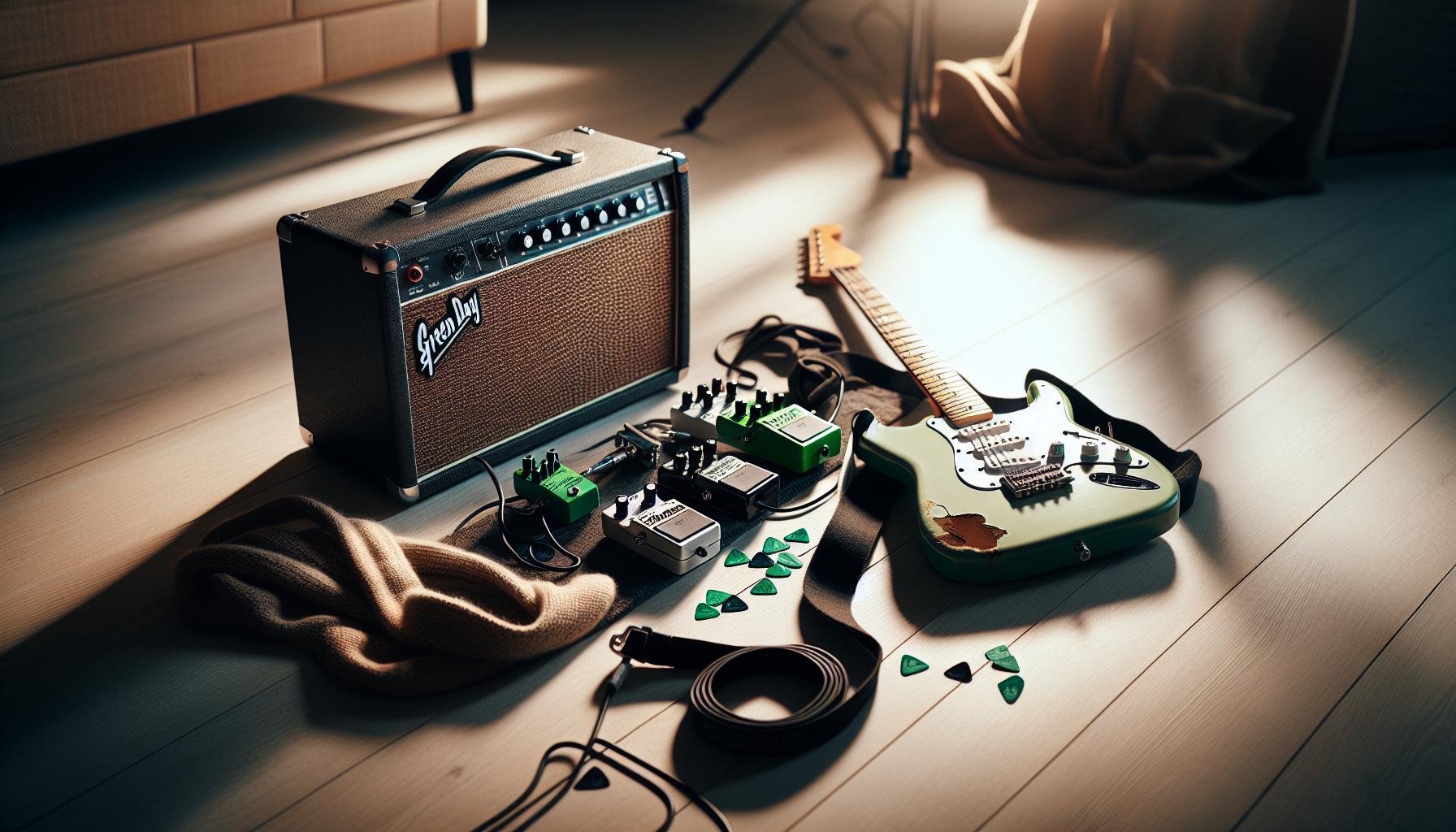
Tuning Your Guitar for the Perfect Sound
Achieving the authentic sound characteristic of Green Day, especially for “When I Come Around,” begins with proper guitar tuning. The standard tuning for this song is E A D G B e, which is common for many rock and pop-punk songs. This tuning allows for a vibrant and full-bodied sound, making it easier to play power chords and catchy riffs that are central to the genre.
To ensure your guitar is perfectly tuned, using an electronic tuner is highly recommended, especially for beginners. Simply clip the tuner onto your guitar headstock, pluck each string, and tune accordingly until the display indicates you are in tune. For those who are more experienced, tuning by ear can also be effective. You can reference the low E string and adjust the other strings accordingly, ensuring each one rings true to the standard pitch.
Alternative Tuning Techniques
In the world of punk rock, variations in tuning can lead to unique sounds and added creativity. One popular alternative is drop D tuning, where the low E string is tuned down to D. This can give a heavier, more aggressive sound to the power chords that define much of Green Day’s music. To achieve this, simply lower the pitch of the low E string with your tuner and confirm that it resonates well with the rest of your guitar.
Tuning Tips for Beginners
Here are some practical tips for maintaining your guitar’s tuning:
- Check Regularly: Always check your tuning before playing, as temperature changes and string stretching can affect pitch.
- Keep Strings Fresh: Old strings can sound dull and go out of tune quickly. Regularly change them to maintain sound quality.
- Use Quality Gear: Investing in a reliable tuner and quality strings can make a substantial difference in your tuning process and sound.
- Stretch New Strings: When you first put new strings on, gently pull on them to help them settle into tune more quickly.
Perfect tuning sets the foundation for great sound and performance. Whether you’re just starting or refining your skills, investing time in getting your guitar in perfect pitch will pay off when you dive into playing “When I Come Around.” With a bit of practice, you’ll find yourself confidently creating the iconic Green Day sound that resonates with fans around the world.
Step-by-Step Guide to Chords in “When I Come Around
Grasping the chords in Green Day’s “When I Come Around” can elevate your playing and help you capture the essence of this punk-pop classic. The song primarily revolves around a simple chord progression that is easy for beginners yet engaging enough for seasoned players. This guide will walk you through the essential chords, providing tips on fingering and transitions to ensure a smooth performance.
Start by familiarizing yourself with the following key chords used in the song: G, Cadd9, Em, and D. Each of these chords plays a crucial role and can be learned through straightforward finger placements:
- G Major: Place your second finger on the third fret of the low E string, your first finger on the second fret of the A string, your third finger on the third fret of the B string, and your fourth finger on the third fret of the high e string.
- Cadd9: For this chord, position your third finger on the third fret of the A string, your second finger on the second fret of the D string, your first finger on the first fret of the B string, and your fourth finger on the third fret of the high e string.
- Em (E minor): This chord is simple; put your second finger on the second fret of the A string and your third finger on the second fret of the D string. Let the other strings ring open.
- D Major: Your index finger should go on the second fret of the G string, your middle finger on the second fret of the high e string, and your ring finger on the third fret of the B string.
Chord Progression
The primary progression you’ll use in “When I Come Around” is G – Cadd9 – Em – D. This four-chord loop is played throughout much of the song, ensuring that once you’ve mastered these essential chords, you’ll be ready to play along. Here’s how the transition works:
- From G to Cadd9: Simply lift your second finger from the low E string and shift your fingers to create the Cadd9 shape.
- From Cadd9 to Em: Release your fingers off the Cadd9 position and naturally curl them to form the Em chord.
- From Em to D: Move your fingers up slightly, ensuring to maintain the proper frets for the D chord.
Practice Techniques
When practicing, focus on switching between the chords smoothly. Strumming each chord in a steady rhythm while playing the progression helps reinforce your muscle memory. Using a metronome can also aid in keeping time and ensuring your transitions are clean. Aim for consistency in your strumming pattern, which often mirrors the upbeat, percussive nature of punk rock.
Maintaining an engaging practice routine will empower you to deliver the high-energy vibe characteristic of Green Day’s music, allowing you to truly embody the spirit of “When I Come Around.” With time and dedication, you’ll confidently master these chords, paving the way to explore more of Green Day’s iconic tracks.
Advanced Techniques for Strumming Patterns
Mastering the strumming patterns in Green Day’s “When I Come Around” can significantly enhance the song’s musicality and your overall performance. The energy and rhythm of a punk-pop classic largely rely on dynamic strumming, which adds depth and character. Once you’ve grasped the basic chord progression of G, Cadd9, Em, and D, the next step is to develop an engaging strumming pattern that reflects the song’s driving force.
To start, consider using a standard down-up strumming pattern. A popular choice for this style is down, down-up, up-down-up. This pattern delivers a punchy and lively feel, perfect for capturing the essence of Green Day’s music. Here’s how to break it down into manageable steps:
- Downstroke (D): Strum down on the strings with a firm stroke to establish the rhythm.
- Down-Up (D-U): Follow with another downstroke and a quick upstroke. The upstroke adds subtlety and fluidity to the pattern.
- Up-Down-Up (U-D-U): Finish with an upstroke, a downstroke, and another upstroke in quick succession to complete the cycle.
Variation and Dynamics
To keep things interesting and to reflect the energetic nature of the song, introduce variations in your strumming. Experiment with dynamics by playing softer or louder at certain moments. For example, you might strum more softly on the verses and add more aggression during the chorus. This contrast not only enhances the overall sound but also allows for emotional expression in your playing.
Another effective technique is to incorporate muted strums into your pattern. By lightly resting your palm on the strings while you strum, you can create a percussive effect that complements the punk vibe. This technique can be seamlessly integrated; for instance, try muting the second downstroke of your pattern for added punch.
Consistency is Key
Practicing these techniques regularly will help solidify your strumming skills. Utilize a metronome to maintain a steady tempo, gradually increasing the speed as you become more comfortable. Record yourself to track your progress and identify areas for improvement. With time and dedication, you’ll develop a unique strumming style that not only honors Green Day’s classic but also showcases your personal flair. Remember, the goal is to make the song your own while maintaining its infectious energy and spirit.
Exploring the Thematic Elements of the Lyrics
Examining the lyrics of “When I Come Around” reveals a rich tapestry of themes that resonate with listeners, particularly those navigating the complexities of relationships and personal identity. The song encapsulates a sense of introspection and the recognition of individual experiences, making it a quintessential part of Green Day’s punk-pop legacy. One of the most compelling elements is the contemplation of timing and presence in relationships. The repeated phrase “when I come around” signifies not just physical presence but also emotional availability, highlighting the importance of being there for one another through various phases of life.
The lyrics explore feelings of uncertainty and vulnerability, which are common in adolescent or young adult experiences. The narrator grapples with their thoughts and emotions, reflecting a quintessential theme in punk music: the struggle for authenticity amidst external pressures. Lines that express a sense of waiting or hesitance can resonate deeply with listeners who often feel caught between personal desires and societal expectations. This relatable struggle strikes a chord, allowing the audience to connect with the song on a personal level.
The song also emphasizes the importance of communication and understanding in relationships. Throughout the verses, there is a clear call for dialogue, urging partners to navigate their differences rather than letting misunderstandings fester. This dynamic of push and pull underscores the delicate balance inherent in maintaining relationships, particularly in the face of life’s unpredictability. By addressing these themes candidly and unapologetically, Green Day captures the essence of youthful angst, intertwined with a hope for resolution and personal growth.
Moreover, the music itself complements these thematic elements, with its upbeat tempo and infectious melody contrasting the deeper emotional content of the lyrics. This juxtaposition enhances the song’s impact, creating an engaging experience that invites listeners to reflect while still feeling uplifted. Consequently, “When I Come Around” not only serves as a staple in Green Day’s discography but also as a reminder of the complexities of life, love, and the significance of being there for one another.
Comparing Live vs. Studio Versions of the Song
When comparing live and studio versions of “When I Come Around,” one of the most striking differences is the palpable energy inherent in each rendition. In the studio, the song benefits from polished production techniques that highlight Green Day’s signature sound. The studio version features layered guitar tracks, enhanced vocal harmonies, and well-balanced instrumentation, making every nuance of the song finely tuned. This carefully crafted environment allows listeners to appreciate the subtleties of the chord progressions and the unique phrasing of Billie Joe Armstrong’s vocals.
In contrast, live performances bring an entirely different dimension to the song. The raw energy of the audience, the spontaneous interactions during performances, and the slight variations in guitar riffs or vocal delivery create a more dynamic experience. During concerts, Green Day is known for their engagement with fans, which can lead to improvisational elements that may not exist in the studio version. For instance, Billie’s vocal variations or extended guitar solos can elevate the intensity of the song, allowing it to resonate on a deeper emotional level.
Key Elements to Consider
When analyzing both versions, here are some key differences to keep in mind:
- Tone and Production: The studio version often has a more refined tonal quality, while live versions can feel grittier and more immediate.
- Performance Dynamics: Live renditions may include audience participation, such as sing-alongs or shouted interactions, enhancing the connection between the band and fans.
- Vocal Delivery: Billie Joe might modify his vocal delivery to suit the live atmosphere, which can introduce variations that distinguish the performance from the studio track.
- Instrumentation: Live versions may feature solos or riffs that extend beyond the studio-recorded version, showcasing the band’s improvisational skills.
Ultimately, both formats offer unique experiences. Studio recordings showcase the meticulous artistry of Green Day, while live performances embody the band’s vibrant punk spirit. Musicians looking to emulate either style should consider how these elements can influence their own interpretations and performances, cultivating their sound and connecting with audiences in compelling ways. Mastering both the technical aspects from the studio version and the energetic improvisation from live shows can greatly enhance your skillset as a guitarist, and propel your performances to new heights.
Tips for Mastering Punk Pop Guitar Style
Mastering the punk pop guitar style, especially as epitomized by Green Day’s “When I Come Around,” requires a blend of technical skill, an understanding of genre characteristics, and expressive performance. Embracing this genre not only means knowing the essential chords and progressions but also cultivating a distinctive sound that captures the raw energy of punk. To start, getting comfortable with power chords is vital. These chords form the backbone of many punk songs and can be used to create the driving force behind your playing. Power chords often involve just two or three notes, making them relatively easy to play but incredibly effective in creating a punchy, aggressive sound typical of the genre.
Another crucial tip lies in your picking technique. Punk music often prioritizes fast rhythms and sharp attacks, so experimenting with a mix of downstrokes and palm muting can help you achieve that authentic punk sound. Try practicing the main riffs of “When I Come Around” primarily with downstrokes to capture the urgency and intensity that defines the music. As you advance, incorporate alternate picking to add complexity to your playing and keep your sound dynamic.
Essential Techniques to Master
Additionally, don’t overlook the importance of dynamics in your playing. Punk pop relies on contrasting softer verses with louder choruses, so learning to control your volume and intensity can greatly enhance your performance. Flexibility in strumming patterns can also make a significant impact. For “When I Come Around,” try varying your strumming speed and strength-softening it during verses and unleashing power during the choruses to mirror the song’s emotional shifts.
- Power Chords: Focus on mastering power chords for robust, driving sound.
- Picking Technique: Use downstrokes predominantly, incorporating palm muting for punctuation.
- Dynamic Playing: Experiment with volume changes to enhance emotional delivery.
- Strumming Patterns: Practice different patterns to find what best suits each part of the song.
Remember, the key to developing your punk pop guitar skills is practice and experimentation. Engage with recordings of Green Day and other similar bands to internalize their nuances and translate that into your style. As you hone your technique and develop your sound, you’ll find yourself more confident in expressing the energetic and rebellious spirit that defines punk pop music.
Common Mistakes and How to Avoid Them
When diving into the energetic realm of Green Day’s “When I Come Around,” many guitarists, especially those new to the punk pop genre, often stumble into common pitfalls. Recognizing these mistakes can significantly enhance your playing experience and help you embody the spirited essence of the song. One prevalent issue is striving for perfection in technique. Punk music thrives on rawness and energy; instead of aiming for flawless execution, focus on capturing the emotive resonance of the song. Embrace moments of imperfection as part of the genre’s charm.
Another frequent oversight is neglecting the importance of dynamics in performance. Many players might fall into a monotonous strumming pattern, resulting in a flat sound. To avoid this, work on varying your strumming intensity; play softer during the verses and build up energy during the choruses. This contrast not only aligns with the original piece’s emotional context but also keeps listeners engaged. Try recording yourself; hearing your dynamics in playback can reveal whether you’re maintaining this critical aspect.
Tuning issues are also a common hurdle, often overlooked by novice guitarists. Always ensure your guitar is perfectly in tune-something that seems basic but makes a world of difference in delivering that signature Green Day sound. For “When I Come Around,” utilizing standard tuning helps maintain familiarity with Green Day’s other tracks. Regularly check your tuning, especially if you switch between songs frequently.
Lastly, many players skip the aspect of practicing with a metronome or along with the original track. This can lead to timing inconsistencies, especially during faster passages. Playing in time not only enhances your personal practice but also prepares you for potential collaborations or performances. Begin slowly, ensuring accuracy, and gradually increase your speed as you become more comfortable. By being mindful of these common mistakes, you can refine your skills and genuinely connect with the fast-paced, upbeat nature of “When I Come Around.”
Fan Covers and Interpretations of the Song
The creative landscape of fan covers for “When I Come Around” highlights the diverse interpretations and unique styles that musicians bring to this Green Day classic. Whether you’re a beginner looking to find your own voice or an experienced guitarist exploring fresh takes, fan covers provide endless inspiration and learning opportunities.
Fans around the world have recorded their versions using varying guitar styles and techniques, often adding personal flair to the song. Some players embrace a stripped-down acoustic arrangement, emphasizing the song’s lyrical depth and emotional resonance. Others opt for a power-chord-driven electric performance, capturing the raw energy synonymous with punk pop. This variance in approach shows that there is no singular way to play this beloved track. Consider checking platforms like YouTube or Instagram, where countless guitarists share their renditions, often accompanied by tutorials that can aid in your learning process.
In creating your own cover, reflect on what aspects of the song resonate with you. Do you prefer to maintain the original tempo, or would you rather experiment with slowing it down for a more sultry vibe? Incorporating unique strumming patterns or embellishments can also add a personal touch. For instance, mixing in hammer-ons or slides can enrich your performance and show off your skill level while keeping true to the punk spirit.
Engaging with fan covers doesn’t just enhance your playing; it also builds a sense of community. Participating in cover challenges or sharing your rendition online allows for feedback, collaboration, and connection with fellow enthusiasts. The journey of interpreting “When I Come Around” can lead to discovering new techniques and styles, allowing you to evolve as a musician while celebrating a song that’s deeply rooted in the punk pop genre.
Beyond the Tab: Historical Context and Impact
When considering the enduring legacy of Green Day’s “When I Come Around,” it is essential to recognize its significance within the broader context of punk pop music. Released as part of the groundbreaking album “Dookie” in 1994, which propelled the band into mainstream stardom, this track showcases the band’s distinctive blend of catchy melodies and thoughtful lyrics. At its core, the song embodies themes of relationship struggles and self-reflection, resonating with a generation grappling with emotions often overlooked in the era’s more carefree, punk ethos.
The historical impact of “When I Come Around” goes beyond being a mere chart-topping single; it helped solidify punk pop as a legitimate genre during the 90s. Its success paved the way for many bands that followed, illustrating how punk sensibilities could be woven into accessible pop music. This blending of styles enabled acts like Paramore and Fall Out Boy to rise in subsequent years, drawing inspiration from Green Day’s formula of energetic guitar riffs paired with introspective lyrics. The song’s mature narrative also speaks to the growth of punk as a genre, evolving from its rebellious roots to explore more complex emotional themes.
Moreover, the song’s unique structure and arrangement-featuring simple yet effective chord progressions-have made it a staple among guitarists, providing a perfect entry point for those new to playing punk music. Its relatively straightforward tabs allow beginners to grasp fundamental guitar techniques while also presenting experienced players with the opportunity to experiment with personal flourishes, making it a timeless piece in the guitarist’s repertoire. The ongoing relevance of “When I Come Around” is reflected in its frequent covers and reinterpretations, demonstrating how its message continues to resonate across generations of musicians and listeners alike.
Lastly, engaging with the song in both practice and performance can cultivate a deeper appreciation for its musicality and lyrical depth. Knowing the historical context and impact of “When I Come Around” not only enriches one’s understanding but also inspires musicians to connect with the song on a more personal level. Whether you are digging deep into its emotional themes or exploring its guitar parts, this track remains a quintessential piece of punk pop history that encourages ongoing exploration and innovation in the genre.
Faq
Q: What are the main chords used in “When I Come Around”?
A: The main chords in “When I Come Around” are G, C, D, and Em. These chords form the backbone of the song and are essential for capturing its punk pop sound. You can find a step-by-step guide to playing these chords in the article’s chord section.
Q: How do I play the intro of “When I Come Around”?
A: To play the intro of “When I Come Around,” start with a strumming pattern using the G and C chords. Focus on maintaining a steady rhythm and transitioning smoothly between the chords. For a detailed strumming pattern guide, refer to the advanced techniques section of our article.
Q: What tuning is recommended for “When I Come Around”?
A: The recommended tuning for “When I Come Around” is standard E tuning (E A D G B e). This tuning makes it easier to achieve the signature sound of the song. Make sure to double-check your tuning before practicing. For more tips on tuning, see our article section on guitar settings.
Q: Are there any common mistakes to avoid when playing this song?
A: Common mistakes when playing “When I Come Around” include incorrect chord transitions and unsteady strumming. To improve your performance, practice slowly and focus on getting the transitions right. Check our common mistakes section for additional tips to enhance your playing.
Q: Can beginners play “When I Come Around”?
A: Yes, “When I Come Around” is suitable for beginners due to its simple chord structure and repetitive patterns. Start with the basic chords and gradually work up to more complex strumming techniques. The guide in our article is perfect for beginner guitarists wanting to learn this classic.
Q: What are some recommended pedal effects for playing “When I Come Around”?
A: For “When I Come Around,” using a slight overdrive pedal can enhance your sound, adding warmth and grit to your tone. Pair it with some reverb for depth. Visit our essential guitar gear section for more insights on crafting the ideal setup for this song.
Q: Are there any notable live performances of “When I Come Around”?
A: Yes, Green Day has delivered memorable live performances of “When I Come Around,” showcasing variations in energy and arrangement. Watching these performances can inspire your own playing style. Check our comparing live vs. studio versions section for more details on what makes these performances special.
Q: How can I incorporate my own style into playing “When I Come Around”?
A: To infuse your own style into “When I Come Around,” experiment with different strumming patterns and tempos. Try adding embellishments like hammer-ons or pull-offs to the chords. Our tips for mastering the punk pop guitar style contain more techniques that can help personalize your performance.
Wrapping Up
As you dive into playing “When I Come Around” by Green Day, remember that mastering the tab is just the beginning. This iconic punk pop classic not only showcases fundamental chords but also encourages your unique musical expression. If you’re eager to expand your skills further, check out our guides on tuning techniques and essential gear reviews to find the perfect setup for your sound.
Don’t hesitate! Explore more in-depth tutorials to refine your chord progressions and scales, or join our community to connect with fellow musicians who share your passion. Your journey to becoming a guitar expert starts here, so subscribe to our newsletter for the latest tips and insights. Keep practicing, have fun, and let the music flow!