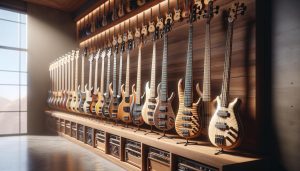
If you’re looking to declutter your music gear or fund that new amp you’ve been eyeing, you might be wondering, “Does Guitar Center buy used gear?” Understanding their purchasing process and what you can realistically expect to receive in return is crucial for making informed decisions. Not only can selling your unused instruments provide a financial boost, but it also ensures that your gear can find a new home where it will be appreciated. Many musicians face the dilemma of turning old gear into cash or trading up for something that fits better with their current needs. This guide will delve into Guitar Center’s policies on buying used equipment, helping you navigate the nuances of their pricing, negotiation tactics, and what to anticipate when selling. Read on to empower yourself with the knowledge you need to get the best value for your gear.
Does Guitar Center Buy Used Gear?
When it comes to selling used gear, many musicians wonder if Guitar Center is a viable option. The straightforward answer is yes; Guitar Center does buy used gear from individuals. This process is beneficial for those looking to declutter their collection or upgrade their equipment. Customers can expect to receive cash or store credit in exchange for their gear, allowing them to reinvest in new instruments or accessories.
The selling process at Guitar Center is designed to be user-friendly. You can bring in your used gear to any location, where a knowledgeable staff member will assess its condition and offer a price based on various factors, including the item’s condition and market demand. It’s crucial to note that Guitar Center tends to have specific evaluation criteria, meaning not all items will be accepted. Items that show significant wear or are not currently in demand may be declined.
Guitar Center’s pricing structure for used items hinges on both their retail strategies and wider market trends. Generally, they aim to offer competitive prices, but these can vary considerably based on the specific gear in question and external market factors. Musicians looking to sell can often find that Guitar Center’s offered prices reflect what you might see from other secondary markets, but with the added convenience of immediate payment or store credit.
Ultimately, Guitar Center’s approach to buying used gear not only supports musicians in their buying and selling journey but also contributes to the vibrancy of the music community by making quality equipment accessible to more players. Whether you’re a seasoned musician or just starting out, selling to a trusted retailer like Guitar Center can be an excellent way to refresh your gear while receiving fair compensation for your instruments and accessories.
How Does the Selling Process Work?
Selling your used gear to Guitar Center can be a straightforward and rewarding experience for musicians looking to upgrade or declutter their collections. This process begins with the simple act of visiting a local Guitar Center store, where you can bring in your used musical instruments and equipment. A trained staff member will interact with you, assessing your items based on specific criteria such as condition, market demand, and current store inventory levels. This initial inspection is crucial; it helps guarantee that the gear being sold meets the store’s standards, ensuring that both parties are satisfied with the transaction.
Once your gear has been evaluated, the staff will provide you with a quote. This offer will typically be given in the form of cash or store credit, depending on your preference. If you opt for store credit, this can be a fantastic way to reinvest directly in new gear, pedals, or accessories. It’s worth noting that while Guitar Center aims to offer competitive rates for used gear, the price might vary based on several factors, including the type of gear, its age, and its relevance in the current market. Understanding that not all items will be accepted-especially those that exhibit excessive wear or are considered less desirable in the current music scene-is essential.
To prepare for your visit, it’s advisable to clean and tidy up your equipment as much as possible. This not only enhances the overall look of the gear but also positively impacts the valuation process. For example, a well-maintained guitar with fresh strings and minor scratches may fetch a better price than a similar model that appears neglected. By ensuring that your equipment is in good shape, you’re improving your chances of securing a favorable offer from the staff at Guitar Center.
After your gear is accepted and the transaction is completed, you can expect to walk away either with cash in hand or credits loaded to your account. This seamless process ensures that musicians benefit from their used equipment while simultaneously making quality music gear accessible to others in the community.
Understanding Guitar Center’s Pricing Structure
Understanding how Guitar Center evaluates and prices used gear can be essential for musicians looking to sell their equipment. The pricing structure is influenced by various factors, including the item’s condition, brand, market demand, and even the store’s current inventory. For instance, a sought-after guitar model in excellent condition could command a higher price than a lesser-known brand or one that has seen significant wear.
One key aspect of Guitar Center’s pricing strategy is their commitment to competitive and transparent offers. When you bring in your gear, a knowledgeable staff member assesses it, comparing it against similar items currently available on the market. This assessment ensures that the price quoted reflects not only its current condition but also how much similar models are being sold for at other retailers or online platforms. Moreover, if an item has been sitting unsold for a prolonged period-typically over 90 days-the price may be reduced to encourage a sale. This process can sometimes lead to negotiation opportunities for sellers, particularly if you are aware of market trends.
In addition to the individual item assessments, Guitar Center also regularly reviews their pricing strategy based on broader market trends. For example, during promotional periods or seasonal sales, there may be special discounts, such as a percentage off used gear over a certain price point. Such promotions can provide an added incentive for sellers, enabling them to offer competitive prices while simultaneously benefiting from potential customer interest.
Overall, being informed about Guitar Center’s pricing structure empowers sellers to make knowledgeable decisions. By keeping your gear in good condition, understanding market value, and timing your sale during promotional periods, you can maximize your returns when selling through Guitar Center.
Factors That Influence Your Gear’s Resale Value
Several factors play a pivotal role in determining the resale value of your musical gear at Guitar Center. Understanding these influences can empower sellers to make informed choices when deciding to part with their equipment. Among the most significant factors is the condition of the gear. Instruments that are well-maintained, free from major scratches, dents, or functional issues will typically fetch a higher price. A thorough cleaning and minor repairs, such as restringing guitars or cleaning electronics, can enhance attractiveness to buyers and boost resale value.
Brand reputation also heavily influences pricing. Well-known brands like Fender and Gibson often have a loyal following and strong resale markets, meaning their endorsed products can command higher prices. Limited editions or special runs, which are usually in higher demand among collectors, can also realize values significantly above standard models. Additionally, the age and model of an instrument matter. Certain vintage models can be particularly sought after, while newer models might only retain their retail value depending on brand perception and market trends.
Market demand is another critical aspect. A surge in popularity for specific types of instruments, such as electric guitars due to a trending music genre, can drive prices higher at resale. Conversely, if many similar items flood the market, the resale value may diminish as competition increases. External factors like economic conditions and seasonal trends can also affect how quickly gear sells and at what price.
Ultimately, sellers should stay updated on market trends, understand their gear’s condition and history, and strategically time their sales to maximize returns. Knowledge about these influences can like inform potential sellers, ensuring they get the best possible offer from Guitar Center.
Types of Used Gear Guitar Center Accepts
Guitar Center is well-known for accepting a wide range of used musical gear, appealing to musicians looking to upgrade or offload their equipment. If you’re considering selling gear, it’s essential to understand what items are typically accepted so you can gauge whether your equipment fits their criteria.
The types of used gear Guitar Center buys include, but are not limited to:
- String Instruments: Guitars, basses, violins, and even string accessories are welcomed. Both electric and acoustic varieties are in demand, especially from reputable brands.
- Amplifiers: Whether it’s a vintage combo or a modern tube amp, Guitar Center accepts various amplifier types, making them a great choice for sellers looking to upgrade their tone.
- Effects Pedals and Bass Gear: Effects units for guitars and basses can fetch a fair price. If they’re in good working condition and popular brands, they can be particularly desirable.
- Drums and Percussion: Drum kits, cymbals, and percussion instruments are also on the list, though the condition will heavily influence what they are willing to pay.
- Recording Equipment: Gear such as microphones, audio interfaces, and mixing boards are essential for musicians and producers, and are commonly accepted.
- DJ Equipment: Turntables, mixers, and related accessories are in demand, reflecting the growing interest in live electronic music.
Understanding the breadth of gear Guitar Center accepts can help you decide what to sell. It’s beneficial for both the seller and the store, as it helps replenish their inventory with diverse products that appeal to a wide range of musicians. Ensure your equipment is clean and functioning properly, as this will enhance your likelihood of a favorable offer. By knowing what types of gear are in demand, you can strategically time your sale and potentially maximize your returns.
Tips for Preparing Your Gear for Sale
Preparing your gear for sale can significantly influence your experience and the outcome at Guitar Center. First impressions matter, and ensuring your equipment looks and operates at its best is crucial. A well-maintained piece of gear is more likely to catch the eye of staff, as they assess condition and functionality, which plays a vital role in the offer you receive.
Start by thoroughly cleaning your gear to restore its appearance. Dust off guitars, polish the finish, and use fretboard oil to rejuvenate the wood. For amplifiers and pedals, ensure there are no visible marks or dirt. If your instrument has any electronics, check that all knobs and switches are functioning correctly. Ensure strings are fresh and, if applicable, that drum skins are in good condition. The cleaner and tidier your items appear, the more desirable they become, not just from a visual standpoint but also in perceived value.
Consider revising or documenting any previous repairs or modifications made to the equipment, as transparency can foster trust. If you have original packaging, manuals, or accessories, include them; these add value and might sway potential offers in your favor. Setting a reasonable price in line with similar gear on the market will help streamline the negotiation process.
Lastly, remember to check the timing of your sale. Certain gear is more in demand at specific times, such as back-to-school seasons for beginner instruments or around holidays for gift-giving. By presenting your gear well and strategically timing your sale, you maximize your chances of a successful transaction at Guitar Center.
Common Mistakes When Selling to Guitar Center
One of the most common pitfalls when selling gear to Guitar Center is underestimating the importance of research. Many sellers walk in with a figure in mind based on online listings or personal value, yet fail to consider how Guitar Center operates. It’s vital to understand that they are a retail business, and their resale pricing will be influenced by market demand, inventory needs, and their own profit margins. Before heading to the store, take a few moments to check comparable sales both at Guitar Center and from other online platforms. This will help ground your expectations and prepare you for negotiations.
Another frequent mistake involves neglecting the condition of the gear. Just because an instrument sounds good doesn’t mean it will impress the staff at Guitar Center. Items with visible signs of wear, damage, or negligence can result in significantly lower offers. Ensure your gear is not only cleaned but also functioning optimally. For guitars, this means checking electronics, intonation, and fretting issues. An amplifier with faded cosmetics but excellent sound might be undervalued if it’s not presented well.
Miscommunication can also lead to misunderstandings about the selling process. Some sellers go in without a clear idea of what they want from the transaction. It’s essential to articulate your expectations, whether you are seeking cash or store credit. Additionally, remember that the negotiation is not just about the highest initial offer; consider the overall value you can gain through store credit, which may yield better deals on future purchases.
Finally, many sellers fail to bring all necessary documentation and accessories. Original packaging, manuals, and any relevant repair receipts can sway the decision-making process significantly. Providing complete details about past modifications or repairs can help build trust and justify your asking price. By avoiding these common missteps and approaching the sale with a solid strategy, sellers can enjoy a much smoother experience and higher offers from Guitar Center.
Alternatives to Selling at Guitar Center
When considering the sale of your used gear, exploring options beyond Guitar Center can often lead to better returns and tailored experiences. Numerous platforms and venues allow musicians to sell their instruments, amplifiers, and accessories while potentially getting more money and reaching a broader audience.
Utilizing online marketplaces such as Facebook Marketplace, Reverb, or eBay provides an opportunity for sellers to set their prices and connect with buyers directly. These platforms allow for detailed listings with photos and descriptions that can highlight your gear’s best features. Selling directly to consumers can also bypass the middleman, which often means keeping a larger share of the sale price. To maximize success on these platforms, create a strong listing with excellent photos and honest descriptions, spotlighting any upgrades or unique qualities of your items.
Local options, such as music shops or pawn shops, can be valuable as well. Many independent music stores often buy used gear and might offer better pricing than larger chains due to their niche focus. These shops typically have a more personalized approach and can provide immediate feedback on your gear’s value while fostering a relationship in the local music community. Moreover, local classifieds or community boards, both online and offline, can connect you directly with buyers in your area, allowing for cash sales without the hassle of shipping items.
Finally, consider trade opportunities with fellow musicians. Many players are always on the lookout for gear swaps, which can be mutually beneficial. This method not only offers the chance to acquire something new without monetary exchange but also fosters community and collaboration within your local music scene. Whether hosting a swap event or utilizing social media groups dedicated to musicians in your area, networking can lead to satisfying trades that elevate everyone involved.
In summary, while Guitar Center provides an accessible option for selling used gear, exploring other avenues can yield better financial outcomes and foster community relationships. Tailoring your sales strategy to fit your needs and preferences can ensure a successful transaction and a positive experience in the music community.
Customer Experiences: Selling to Guitar Center
Many musicians have turned to Guitar Center to sell their used gear, drawn by the convenience of one-stop shopping and the ability to offload equipment quickly. Customer experiences vary widely, and gaining insights into these experiences can help potential sellers make informed decisions.
Firstly, several customers have noted that the selling process is straightforward. After bringing in their gear, they typically receive an offer quickly-sometimes even while they wait. However, it’s important to remember that the initial offer may not always reflect the item’s retail value; Guitar Center often aims to resell at a profit. This reality highlights the importance of understanding that while the process is fast, the payout may not match expectations.
Understanding Customer Feedback
Different customers have shared their satisfaction or dissatisfaction based on their unique situations. For instance, one player recounted a positive experience after being pleasantly surprised by an offer that exceeded their expectation, thanks to the pristine condition of the instrument. Conversely, others have shared experiences of feeling undervalued, particularly when the gear had sentimental value but didn’t translate into significant offers.
To ensure a better experience, sellers are encouraged to do their homework beforehand. Researching the market value of your gear on platforms like Reverb or eBay can provide a solid basis for negotiation. Additionally, preparing the equipment by cleaning it and ensuring it functions correctly can positively influence the offer.
Ultimately, while Guitar Center offers benefits in terms of speed and convenience, success in selling your gear boils down to preparation and realistic expectations. Engaging with others who have sold to Guitar Center can also provide valuable insights and tips. Whether you end up feeling satisfied or seeking alternatives, being informed is key to navigating the resale landscape effectively.
What to Expect After You Sell Your Gear
After completing a sale at Guitar Center, many sellers often wonder what happens next and what to expect from the experience. Typically, once you’ve accepted an offer, you will receive either cash or store credit on the spot, depending on your preference. This immediate payoff is one of the main attractions for many musicians looking to part with their equipment quickly.
However, it’s essential to keep in mind that this transaction is final, which means you won’t have the opportunity to retrieve your gear once sold. For those bidders who might have lingering doubts, it can be beneficial to thoroughly evaluate your decision before completing the sale. Additionally, if you’re receiving store credit, it’s a great chance to explore new gear and take advantage of any promotions or discounts currently offered.
While the process is designed to be straightforward, after selling your gear, you may want to reflect on your experience. This is an excellent opportunity to assess whether the offer truly matched the market value of your item. Engaging with communities online, such as forums dedicated to musicians, can provide insights from other users who have sold similar gear. Sharing experiences can lead to better understanding and strategies for future sales, enhancing your negotiation skills for next time.
Lastly, remember that Guitar Center may periodically offer promotions, such as discounts on used items or special buy-back options. Keeping an eye on these opportunities can help you maximize the benefits from your past sales when planning your next musical purchase. Whether to upgrade your gear or simply to see what’s new, understanding the dynamics at play can empower you to make informed decisions that align with your musical journey.
Maximizing Your Earnings from Used Gear
To get the most out of your used gear when selling to Guitar Center, it’s essential to approach the process strategically. Preparing your equipment well and understanding market conditions can significantly improve your earnings. Start by ensuring that your gear is in good working order. This includes cleaning instruments, checking for and addressing any functional issues, and replacing worn-out parts. A well-presented item not only catches the eye of potential buyers but also demonstrates that you’ve taken care of it, which can enhance perceived value.
Next, be informed about current market trends and prices. Research the resale value of similar items online; platforms like Reverb or eBay can provide insights into what people are paying. Knowing the typical selling price for your gear sets a baseline for negotiating with Guitar Center. They often list the resale prices of items they carry, allowing you to gauge how your gear aligns with their inventory. When you’re ready to sell, consider the timing. Selling your gear when demand is high-such as during back-to-school or holiday seasons-can lead to better offers.
Consider using social media or local music communities to gauge interest before heading to Guitar Center. Sometimes, selling directly to another musician may yield a higher profit than selling to a store. Network within your community; local musicians appreciate reliable gear and often value personalized transactions more than impersonal store deals.
Finally, always approach negotiations confidently. If you’re not satisfied with the initial offer from Guitar Center, don’t hesitate to discuss it. Having your research on comparable prices handy can aid your case. Remember, the goal is to maximize your earnings without sacrificing the convenience of a quick sale. By combining a proactive approach to preparation, awareness of market trends, and effective negotiation, you can increase your financial return on your used gear significantly.
How to Negotiate Your Offer with Guitar Center
Negotiating your offer with Guitar Center can significantly impact how much cash you walk away with after selling your used gear. Knowledge is your best tool, and being well-informed about your item’s value can set the stage for successful negotiations. Start by doing your research; check online platforms like Reverb and eBay to understand the current market prices for your gear. Having this information will allow you to present a strong case during negotiations and help you counter any initial offers that feel too low.
When approaching the negotiation process, keep in mind that Guitar Center often has flexibility in their pricing, especially if the item has been in their inventory for a while. If your gear is in good condition and matches popular demand, you have a stronger position. Highlight the features and any upgrades that could set your item apart from others they have in stock, as well as any extraordinary maintenance you’ve performed. Share this information confidently, as it not only demonstrates your knowledge but also portrays your gear as a desirable addition to their inventory.
It’s also important to remain personable throughout the negotiation process. Building rapport with the staff can create a more favorable atmosphere for discussions. Instead of approaching the conversation as a confrontation, view it as a collaboration where both parties aim to reach a fair deal. If the offer falls short of your expectations, don’t hesitate to share your research and ask if there’s room for improvement in the price. The key is to strike a balance between firmness and flexibility-in negotiation, the best outcomes often come from mutual respect and understanding.
Lastly, be prepared to walk away if the terms don’t meet your minimum requirements. Knowing your bottom line ensures you won’t settle for less than your gear is worth. Remember that Guitar Center’s goal is to buy quality used gear; if they sense your willingness to negotiate, they may be more inclined to adjust their offer accordingly. By utilizing these strategies, you can maximize your earnings while maintaining the convenience of selling to a reputable store.
Q&A
Q: Does Guitar Center offer a fair price for used gear?
A: Guitar Center typically offers competitive pricing for used gear, but the amount you receive can vary based on factors like demand, condition, and their current inventory needs. It’s advisable to research similar items online to set realistic expectations.
Q: How can I prepare my used gear for selling at Guitar Center?
A: To prepare your used gear for selling at Guitar Center, ensure it is clean, includes all original parts and accessories, and functions properly. Detailed descriptions and clear photographs can help enhance its appeal and possibly increase the offer you receive.
Q: What types of used gear does Guitar Center specifically accept?
A: Guitar Center accepts a wide range of used gear, including guitars, amplifiers, keyboards, drums, and studio equipment. Each location may have different preferences, so it’s best to contact your local store for specific guidelines on what they are currently buying.
Q: How does Guitar Center determine the value of used gear?
A: Guitar Center assesses the value of used gear based on its condition, brand demand, and market trends. They may also consider the original purchase price and how similar items are priced in their stores or online platforms.
Q: Can I negotiate the selling price with Guitar Center?
A: Yes, you can negotiate the offer made by Guitar Center, especially if you have evidence of your gear’s resale value from online listings. Engaging in a conversation with the purchasing staff can sometimes lead to a better deal.
Q: What should I expect after selling my gear to Guitar Center?
A: After selling your gear to Guitar Center, expect to receive an offer at the store or a payout if done online. The process is typically straightforward, involving paperwork and the transfer of funds, which may include cash or store credit.
Q: Are there any alternatives to selling used gear besides Guitar Center?
A: Yes, alternatives include selling through online marketplaces like eBay or Reverb, local classifieds, or consignment shops. Each option has its pros and cons, such as fees and sale speed, so consider your priorities when choosing a method.
Q: How does Guitar Center’s price protection guarantee work?
A: Guitar Center offers a price protection guarantee, allowing you to receive a refund if a similar item you purchased goes on sale within 45 days. To utilize this, keep your receipt and contact the store with the relevant details for assistance.
Wrapping Up
So, does Guitar Center buy used gear? The answer is a resounding yes, but understanding their buying process and what to expect can help you make smarter decisions. Remember, while you can find great deals, ensuring the quality of the gear and being aware of potential pricing adjustments can enhance your selling and buying experience. If you’re ready to dive deeper into the world of used gear, check out our articles on how to spot a great guitar deal and tips for negotiating used gear prices.
Don’t miss out-submit your used gear today to see what you can get in return! Whether you’re upgrading your collection or simply looking for cash, taking that next step is easy. Plus, if you have any questions or want to share your experiences, drop a comment below! Join our community of guitar enthusiasts and stay informed with our newsletter for the latest tips and gear reviews that will help elevate your music journey. Your guitar adventure is just a click away!