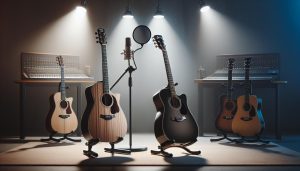
Choosing your first bass guitar can feel overwhelming, especially with the numerous options and associated costs. Did you know that beginner bass guitars can range from budget-friendly models to high-end instruments, often leading to confusion about what you’ll truly need to spend? Understanding the investment required not only helps you stay within your budget but also ensures you select a quality instrument that matches your playing style and aspirations. In this article, we’ll break down the costs involved in buying your first bass, discussing essential factors such as brand, features, and additional gear. By the end, you’ll be equipped with the knowledge to make an informed decision, setting the stage for your musical journey. So, let’s dive in and make sure you find the perfect bass without breaking the bank!
Understanding the Different Types of Bass Guitars

Exploring the diversity of bass guitars can be an enlightening journey for any aspiring bassist, especially when purchasing your first instrument. The world of bass guitars includes various types, each suited to different styles and preferences, ultimately influencing both playability and sound. Understanding these differences will not only help you make a more informed decision but may also enhance your playing experience.
Among the most common types are electric bass guitars and acoustic bass guitars. The electric bass guitar, with its solid body and electronic pickups, is favored in genres like rock, funk, and jazz due to its ability to produce a powerful, punchy sound. These instruments typically feature four strings, but five and six-string variations are available, offering a broader range for those who want to delve deeper into their playing. Conversely, acoustic bass guitars resonate more naturally and are often preferred in folk, bluegrass, or acoustic performances. They resemble traditional acoustic guitars but are specifically designed for lower frequencies, providing a warmer sound.
Another notable category is the semi-hollow body bass, which merges elements of both electric and acoustic designs. This type features a hollow body that allows for resonance while maintaining electric functionality, offering a unique sound suitable for a variety of styles. Additionally, P-bass (Precision Bass) and J-bass (Jazz Bass) variations are iconic in the electric world, each presenting distinct tonal qualities-a P-bass delivers a stronger low-end punch, while a J-bass is known for its brighter, sharper tones caused by its two-pickup system.
When considering these options, think about your musical style and where you plan to perform. If you’re drawn to loud, energetic genres, an electric bass might be your best bet, while more intimate settings might suit an acoustic model. Ultimately, the right choice will align with your preferences, budget, and the musical journey you envision as a bassist.
Essential Accessories for Beginner Bassists

To embark on your bass journey, having the right accessories is as vital as selecting an excellent instrument. These items not only enhance your playing experience but also help you develop your skills more effectively. For beginners, investing in the essential accessories can make a significant difference in comfort, sound quality, and practice efficiency.
Start with a quality tuner. Accurate tuning is crucial for any musician, and a reliable electronic tuner ensures that your bass sounds its best. Clip-on tuners are particularly convenient for beginners, as they are easy to use and provide fast, accurate readouts. Alongside a tuner, consider a metronome; this tool helps you develop a strong sense of timing and rhythm, foundational elements for any bassist.
Next, you’ll need a decent bass strap and cables. A comfortable strap is important for playing sessions, especially if you intend to perform. Look for one that is adjustable and padded to support long periods of playing. As for cables, investing in quality guitar cables will minimize signal interference and ensure that your sound remains as clear as possible.
Let’s not overlook the importance of string care products to maintain your instrument’s performance. Regularly cleaning your strings with wipes designed for string maintenance will prolong their life and keep your bass sounding bright. Additionally, a basic gig bag or hard case is essential for protecting your gear during transport, especially if you plan on taking your bass to lessons or gigs.
In summary, while the initial cost of purchasing a bass guitar may be the primary focus, allocating funds for these accessories is crucial in supporting your development as a bassist. Not only do they enhance your playing experience, but they also contribute to better sound quality and instrument longevity.
How to Budget for Your First Bass Purchase
Starting your journey into the world of bass guitar can be both thrilling and daunting, especially when it comes to managing your budget. With a wide range of instruments and gear available, knowing where to allocate your funds is crucial for both your initial purchase and long-term growth as a bassist. A well-thought-out budget not only covers the cost of the bass itself but also the essential accessories and maintenance that will enhance your playing experience.
When considering your budget, start by establishing a price range that feels comfortable for you. Entry-level bass guitars typically range from $300 to $600, offering decent quality without breaking the bank. However, you might want to set aside a portion of your budget for crucial accessories like a tuner, strap, and cables, which can collectively add another $100 to $200 to your expenses. Here’s how an effective budgeting strategy can look:
- Bass Guitar: $300 – $600
- Essential Accessories: $100 – $200
- Maintenance Fund: $50 – $100 (string replacements, cleaning products)
By allocating funds wisely within this structure, you can ensure that you’re not only getting a reliable instrument but also tools that support your development. Consider looking at online beginner kits that often bundle a bass guitar with essential accessories at a discounted price. Moreover, connecting with local music shops or online forums can provide guidance on budget-friendly options suited to your skill level.
Don’t forget about long-term financial planning. Bass upkeep can incur costs over time, including repairs and string replacements, so setting aside a small monthly budget for maintenance can prevent future financial strain. For example, budgeting $10 to $20 monthly allows for easy replenishment of your string supply and funds to handle minor repairs as they arise. By taking a proactive approach, you position yourself for a smoother ride along your musical journey, ensuring that when you invest in your first bass, it’s a purchase you can fully support and enjoy.
New vs. Used: Making the Right Choice

Considering a bass guitar? The choice between a new or used instrument can significantly impact both your experience and budget. While the allure of a sparkling new bass is undeniable, exploring the used market can reveal hidden gems at a fraction of the cost. Understanding the pros and cons of each option is essential for making an informed decision that aligns with your musical aspirations and financial situation.
A new bass guitar offers the assurance of a manufacturer’s warranty, pristine condition, and the latest technology. For beginners, this can be a comforting factor, as a new instrument typically requires fewer repairs and provides reliable performance right out of the box. However, prices can range significantly, with entry-level models starting around $300, and higher-end options escalating quickly. If you’re set on a brand new instrument, consider searching for sales or even looking into beginner kits that combine essential accessories with the bass at a discounted rate.
On the other hand, purchasing a used bass can be a savvy financial move. Many musicians sell gently used instruments that still have plenty of life left in them. You can often find higher-quality brands for the same price as entry-level new models. However, buying used does come with some risks. It’s crucial to inspect the instrument personally, checking for wear and tear, fret condition, and any potential issues with electronics or hardware. Additionally, consider asking for the instrument’s history to gauge how it’s been treated over the years.
In summary, whether you choose new or used ultimately depends on your budget, comfort level with buying secondhand, and specific needs as a bassist. Both options have their merits, and taking the time to examine what fits your situation will pave the way for a rewarding musical journey. As you navigate these choices, keep in mind that the best instrument is one that inspires you to play and grow as a musician, regardless of its origin.
Where to Buy Your First Bass Guitar

Whether you’re diving into the world of music for the first time or expanding your current setup, knowing can make a significant difference in both your confidence and your wallet. With a variety of options available, from major retailers to local shops and online marketplaces, each venue offers unique advantages that cater to different needs.
One of the safest bets for first-time buyers is a reputable music store. These shops often provide knowledgeable staff who can help you find the right bass for your style and budget, while also allowing you to physically test the instruments. This hands-on experience is invaluable; feeling the instrument in your hands can significantly influence your decision. Many music stores also offer beginner kits that include essential accessories, which can be economical and practical. Plus, if you’re hesitant about the commitment of purchasing, many local shops allow you to rent an instrument to see if it’s the right fit before making a purchase.
Online retailers provide the convenience of shopping from home and often feature a broader range of brands and models. Websites like Guitar Center, Sweetwater, and Thomann provide user reviews, in-depth product descriptions, and sometimes even video demonstrations, which can aid in making an informed choice without leaving your house. Price comparisons are easier online, and you can often catch seasonal sales or promotions that can save you significant amounts. However, it’s essential to pay attention to return policies and customer service credentials, as you won’t physically inspect the instrument before purchase.
Lastly, don’t overlook used instruments found through local classifieds or dedicated platforms like Reverb and eBay. Many musicians upgrade their gear but keep their old instruments in great condition, providing you an opportunity to score a high-quality bass at a more affordable price. Just ensure you ask detailed questions, check for any potential issues, and if possible, arrange to see the bass in person before finalizing the deal.
As you navigate your options, remember that this is an exciting step towards your musical journey. Whether you choose a new bass from a local store, shop online for convenience, or find a hidden gem in the used market, the most important aspect is that you feel confident and inspired with your new instrument, setting the stage for your growth as a bassist.
Common Misconceptions About Bass Costs
When it comes to purchasing a bass guitar, you might be surprised to discover the frequency of myths surrounding its costs. One common misconception is that high-quality instruments are exclusively reserved for professional musicians, meaning aspiring bassists must break the bank to get started. In reality, there are numerous budget-friendly options that offer excellent playability and sound quality, allowing beginners to find reliable instruments without overspending. By understanding the market and exploring entry-level models from reputable brands, you can secure a well-crafted bass guitar for as little as a few hundred dollars.
Another common belief is that the cost of a bass is solely dependent on the instrument itself, ignoring the essential accessories that enhance the overall experience. While the bass may be your primary investment, consider the costs of accessories like amplifiers, cables, straps, and gig bags, which collectively contribute to your playing comfort and sound quality. It’s common for first-time buyers to underestimate these additional expenses, which can lead to unexpected financial strain. A well-rounded budget should account for these critical components, ensuring a smoother transition into the world of bass playing.
Moreover, many believe that the more expensive the bass, the better the sound quality. While it’s true that premium instruments often come with superior craftsmanship, there are many mid-range options that perform admirably in the hands of beginners. Several brands provide entry-level models that not only sound great but are also durable enough to withstand the rigors of practice and performance. Educating yourself on the features and specifications of different instruments can help you make an informed decision that doesn’t rely solely on price as an indicator of quality.
Lastly, potential bassists may be intimidated by the thought of investing in gear and worry that they’ll always need the newest and most expensive models. However, the bass community is marked by a spirit of growth and gradual improvement. Many players start with a basic model and upgrade over time as their skills develop. Remember, your journey as a bassist doesn’t hinge on how much you spend initially; rather, it’s about how much you practice and enjoy the music you create. Embracing a mindset of continuous learning can help you view costs as investments in your growth rather than insurmountable obstacles.
Top Brands for Beginner Bassists
Choosing the right bass guitar can feel overwhelming, especially for beginners navigating the diverse landscape of brands and models. However, several manufacturers stand out for their reputation for quality, playability, and affordability, making them ideal choices for those just starting their musical journey. Investing time in exploring these brands can lead to significant long-term satisfaction and growth as a bassist.
Fender, known for its iconic Precision and Jazz bass models, offers a range of options for beginners. Their quality construction ensures durability and sound quality, while the variety of pickup configurations provides a rich tonal palette for different styles of music. The Player series is particularly recommended for newcomers, as it balances quality and price effectively, often available for under $1,000.
Another excellent brand is Squier, Fender’s more budget-friendly line. Squier basses, especially the Classic Vibe series, provide great sound and playability at entry-level prices. These instruments are a popular choice among beginners because they offer classic designs and good quality without breaking the bank, typically ranging from $300 to $500.
For those interested in modern designs and innovative features, Ibanez offers bass guitars well-suited for various genres, particularly rock and metal. Models like the GSR series are lightweight and easy to play, making them perfect for younger or smaller players. Ibanez instruments are known for their slim necks, which can assist beginners in navigating the fretboard with ease.
If you’re looking for something with a bit of charm and distinct aesthetics, consider Yamaha. Their TRBX series combines versatility and comfort at an affordable price point, often retailing between $400 and $700. Yamaha’s basses are known for their solid build and sound quality, making them a reliable option for aspiring musicians.
Lastly, Epiphone is worth mentioning for those drawn to the sound of the classic electric bass. Their Thunderbird and EB lines provide unique looks and tones, often priced attractively for beginners. These models are built to last and cater to various musical tastes, making them versatile options for newcomers to the bass scene.
In summary, the brands you choose can significantly influence your early experiences as a bassist. By selecting instruments from respected manufacturers like Fender, Squier, Ibanez, Yamaha, and Epiphone, you’re investing in quality and playability that will support your musical growth without straining your budget. Happy playing!
Cost of Essential Gear: Amplifiers and Cables
Investing in a good bass guitar is just the start of your musical journey; to truly make the most of your instrument, you’ll need to consider additional essential gear. One of the most crucial components is the amplifier, which amplifies the sound of your bass guitar, shaping your tone and overall sound. A decent beginner bass amplifier can range from $100 to $500, depending on wattage, features, and brand. For practice, a small combo amp with around 15-30 watts is usually sufficient, while a more powerful setup (around 100 watts or more) is ideal for jamming with others and performing at small venues.
Alongside an amplifier, don’t overlook the importance of quality cables. Investing in reliable instrument cables-usually priced between $20 and $100-can prevent unwanted noise and signal loss that can occur with lower-quality options. Look for cables that are well-shielded and constructed, ensuring durability and clear sound transmission. Additionally, a solid pedalboard or multiple effects pedals can expand your sound possibilities, with prices varying greatly based on the effects and brands you choose.
Budgeting for Amplifiers and Cables
When planning your budget, consider allocating funds not only for your bass guitar but also for these essential accessories. Here’s a simplified breakdown of what you might expect to pay:
| Item | Estimated Cost |
|---|---|
| Bass Amplifier | $100 – $500 |
| Instrument Cables | $20 – $100 |
| Pedalboard/Effects Pedals | $50 – $500 (varies widely) |
By following these guidelines, you can ensure that you’re well-equipped to get the most out of your bass guitar. Remember, the sound you produce is not solely dependent on the instrument itself; the gear you use plays a pivotal role in your overall musical expression. Don’t hesitate to consider these essential accessories as investments in your growth and enjoyment as a bassist.
Maintenance Costs: Keeping Your Bass in Shape
Keeping your bass guitar in top condition is essential not only for preserving its value but also for ensuring the best possible sound and playability. Regular maintenance can prevent costly repairs down the line and enhance your playing experience, making it vital for every bassist, whether a novice or a seasoned player. Basic upkeep can be minimal, but understanding the potential costs involved helps you plan effectively for your musical journey.
One of the primary costs associated with maintaining your bass guitar is the replacement of parts, such as strings and pickups. Bass strings typically need replacing every few weeks to ensure optimal sound quality, depending on how often you play. A set of bass strings generally costs between $20 and $40, but higher-end options exist for those seeking premium tone and longevity. Additionally, if you decide to upgrade your pickups for improved sound quality, prices can range significantly – anywhere from $50 to $200 depending on the brand and model, thus enhancing your bass’s tonal capabilities.
Regular professional setups are another essential aspect of bass maintenance. A setup can include adjusting the neck relief, action height, and intonation, and while it might seem like an occasional expense, scheduling this service every six months can keep your instrument in peak playing condition. A professional setup typically costs between $50 and $100. Remember to also consider the care needed for the instrument’s finish and hardware. Using proper cleaning products to keep your bass in good shape can incur costs around $10 to $30 for polishes and cloths, ensuring the aesthetics match the sound.
In summary, budgeting for maintenance is crucial for every bassist. By understanding these potential costs and planning accordingly, you can avoid unexpected expenses and enjoy a seamless playing experience. Regular care will not only prolong the life of your instrument but also help you play at your best every time you pick it up.
Upgrading Your Bass: When and Why
When it comes to the world of bass guitars, knowing when and why to upgrade your instrument can significantly enhance your playing experience and musical expression. Many beginners may initially be content with their first bass, but as their skill set develops, they often find that their instrument begins to hold them back. It’s essential to recognize this moment and understand the factors that contribute to the decision to upgrade.
Upgrading typically becomes necessary when you notice limitations in sound quality, playability, or versatility. For instance, if you find that your stock pickups don’t capture the nuances of your playing style or if your bass lacks the tonal range needed for different musical genres, it’s time to consider better-quality pickups or even a new instrument. Upgrading craftsmanship can also lead to a more comfortable neck profile, allowing for easier finger movement and improved technique. Many players choose to upgrade to models that have higher-quality materials or better ergonomic designs, which can enhance their overall performance.
Another aspect to consider is whether your musical goals have evolved. Beginners often start with a bass tailored for entry-level players, but as musicians improve and start to gig or record, they may need an instrument that reflects their new aspirations. Evaluating your playing style and specific needs can lead to identifying the right time to invest in a more professional bass that can handle various playing styles and settings, from live performances to studio work.
Ultimately, upgrading your bass should not be seen as a luxury, but rather as an investment in your musical journey. It can open up new creative avenues, inspire you to practice more, and improve your overall sound. When contemplating the costs, remember to budget for potential upgrades not just in the bass itself but also accompanying gear like amplifiers or effects pedals to match your new instrument’s capabilities.
Financial Options for Buying Your First Bass
When considering your first bass guitar, understanding the financial options available can empower you to make a choice that aligns with your budget and musical aspirations. Many beginners are surprised to find that there are several avenues to secure their instrument without breaking the bank. Whether you opt for traditional purchasing methods, financing plans, or budget-friendly alternatives, careful planning and consideration are key to making a valuable investment in your musical journey.
One popular method for acquiring a bass guitar is through financing options offered by music stores. Many retailers provide installment plans that allow you to spread the cost of your guitar over several months, making it more manageable. It’s important to compare interest rates and terms across different stores, as they can vary significantly. Look for zero-interest offers, which can help you avoid additional costs while paying off your instrument.
Another financial avenue to explore is purchasing used equipment. Buying a pre-owned bass can often save you substantial money while still securing a quality instrument. Many music shops and online marketplaces feature second-hand gear that has been well-maintained. Inspecting the condition and asking about its history can help ensure you’re making a wise investment without overspending.
For those looking to minimize upfront costs, consider community instruments or rental programs. Some local music schools or community centers provide instrument rentals, allowing you to test the waters before committing to a purchase. This is a particularly beneficial option for beginners, giving you the time to develop your skills without the financial pressure of a sizable initial investment.
Lastly, don’t overlook the importance of budgeting for all the necessary accessories that come with playing bass. Essential items such as amplifiers, cables, and cases can add to your overall costs, so accounting for these in your financial plan will provide a more accurate picture of what you will spend. Create a list of required gear and estimate costs so you can allocate funds appropriately, ensuring you’re fully equipped to start your musical journey on the right note.
Tips for Negotiating on Bass Prices
Negotiating the price of a bass guitar can be a vital skill for getting the best deal without compromising on quality. Many beginners may feel intimidated by pricing discussions, but a little preparation and strategy can empower you to secure a more favorable purchase. Understanding the market price for your chosen instrument is crucial-do your research by browsing online retailers and local shops to compare prices. This gives you a benchmark when it’s time to negotiate, ensuring that you’re informed and confident.
Begin your conversation with the seller by expressing genuine interest in the instrument. A friendly approach not only establishes rapport but can also make the seller more inclined to work with you. Asking questions about the guitar’s history, how long it’s been for sale, or if there have been any offers can provide valuable insights into the seller’s position and willingness to negotiate. For example, if the bass has been on the market for a while, you might use this information to negotiate a lower price since the seller might be eager to make a deal.
Additionally, don’t hesitate to point out any imperfections or reasons that could justify a reduced price, such as minor scratches or wear. This can give you an edge in negotiations. You might also consider having a budget limit in mind before starting the discussions; this will help you remain composed and focused on achieving a deal that’s within your financial means. If you have a certain figure you are prepared to spend, subtly bring it into the conversation as a conversational way to gauge the seller’s flexibility.
Be prepared to walk away if you feel the terms don’t meet your budget or expectations. Sometimes, showing that you have other options can motivate the seller to reconsider the pricing. Remember, negotiations are a natural part of the buying process, and being prepared with knowledge and confidence can lead to a rewarding purchase.
Q&A
Q: How much should I expect to pay for my first bass guitar?
A: When buying your first bass guitar, you can expect to pay between $200 and $800 for a decent model. Entry-level options are generally affordable, while mid-range instruments offer better quality. Consider your budget and playability to make the best choice.
Q: What are the ongoing costs associated with owning a bass guitar?
A: Owning a bass guitar involves ongoing costs such as string replacements, maintenance, and accessories like stands and cases. Budget around $50 to $100 annually for these expenses to keep your bass in great shape.
Q: Are there financing options for buying a bass guitar?
A: Yes, many music retailers offer financing options, including installment plans and credit options. Look for stores that provide zero-interest financing, which makes purchasing a bass more manageable on a budget.
Q: How do I know if a used bass guitar is worth the price?
A: To determine if a used bass guitar is worth the price, inspect its condition for wear or damage. Research comparable models online to understand market value, and consider getting it evaluated by a qualified technician.
Q: What accessories do I need to buy along with my first bass?
A: Essential accessories for a beginner bassist include a tuner, a strap, a case or gig bag, and an amplifier. Budget around $150 to $300 for these items to ensure you have everything needed to start playing.
Q: Why is it important to budget for a bass amplifier?
A: Budgeting for a bass amplifier is essential since it significantly affects your sound quality. A good practice amp can cost between $100 and $300, which is crucial for optimizing your playing experience and developing your tone.
Q: What brands should I consider when purchasing my first bass?
A: Popular brands for beginner bassists include Yamaha, Fender, and Ibanez, known for their quality and affordability. Research specific models from these brands to find one that meets your needs and preferences.
Q: Can I negotiate the price of a bass guitar at a store?
A: Yes, you can often negotiate the price of a bass guitar at stores, especially if buying used. Be polite and ready to offer a reasonable counter-offer based on your research of comparable prices to increase your chances of a better deal.
Concluding Remarks
Now that you have a clearer understanding of the costs involved in purchasing your first bass, it’s time to take the next step. Whether you’re eyeing an electric bass or considering an upright option, investing in the right instrument is crucial for your musical journey. Don’t forget: the value you get from your first bass extends beyond its price tag-think about the opportunities it brings for creativity and expression. To kickstart your bass journey, explore our guide on choosing the right bass guitar and essential gear recommendations that perfectly fit your budget.
Ready to dive deeper? Join our community of bass enthusiasts by signing up for our newsletter for tips on maintenance, chords, and more. Have questions or thoughts? We’d love to hear from you-leave a comment below! Remember, the ideal bass guitar awaits you, so don’t hesitate to explore our curated selection and find your perfect match today. Happy playing!