When it comes to metal guitar, finding the right instrument can be the key to unlocking your full shredding potential. Did you know that even small differences in guitar design can drastically affect your sound and playability? Whether you aim to master aggressive riffs, fluid solos, or thunderous chugs, the right guitar can help you express your musical vision. This guide showcases the best picks for metal guitars, ensuring you can make an informed choice that fits your style and budget. From sleek six-strings to powerful seven- and eight-string options, we’ll cover various models that cater to every level of experience. Whether you’re a beginner looking to dive into the world of metal or a seasoned player seeking your next axe, this article will provide insights and recommendations to enhance your playing and take your skills to the next level. Keep reading to discover the gear that will transform your shredding experience!
Essential Gear for Metal Guitarists: Top Picks
To achieve the signature sound that resonates in metal music, choosing the right gear is crucial. Metal guitarists require instruments and accessories that not only complement their playing style but also enhance their tonal capabilities. Among the essentials, a high-quality electric guitar is foundational-look for models equipped with humbucker pickups, as they offer high output and reduce noise, perfect for aggressive playing styles. Popular options include guitars from brands like ESP, Ibanez, and Gibson, known for their playability and powerful tones.
When it comes to amplifiers, it’s all about versatility and power. Tube amps are often favored for their warm, dynamic tones, while solid-state amplifiers are reliable and often more affordable. Brands like Marshall and Mesa Boogie provide models that are staples in the metal genre, delivering the heavy distortion that metal riffs thrive on. It’s beneficial to select an amp with multiple channels so you can effortlessly switch between clean tones and high-gain distortions during a performance.
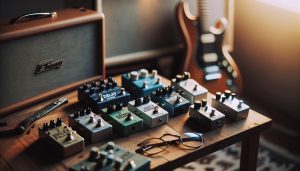
Effects pedals also play a significant role in shaping your sound. Distortion pedals, such as those from Pro Co and Boss, are essential for gaining that gritty metal edge. Additionally, delay and reverb pedals can add depth to your sound, allowing for impressive solos and atmospheric passages. As for accessories, quality guitar strings tailored for your tuning preferences can greatly affect your tone and playability. Brands like Ernie Ball and D’Addario offer a variety of gauges to suit your playing style, whether it’s drop tuning or standard.
In summary, the right gear is personal and varies from player to player. Take time to experiment with different brands and models, and don’t shy away from seeking advice from fellow musicians or professionals. Investing in quality equipment that resonates with your personal style will not only enhance your playing experience but also help you shred like a pro on stage.
Understanding Different Guitar Types for Metal
When diving into the world of metal guitar, understanding the different types of guitars available is crucial for achieving the sound you desire. Metal guitarists typically lean towards electric guitars due to their versatility and ability to handle high gain without feedback. Within this realm, certain guitar styles excel in producing the heavy, aggressive tones synonymous with metal.
Solid Body vs. Semi-Hollow Body Guitars
The most common choice for metal guitarists is the solid body guitar. Solid bodies, like those made by brands such as Gibson and Ibanez, offer sustain and tone clarity that are ideal for high-gain environments. These guitars are built to withstand aggressive playing and maintain tone even under intense distortion. Popular models include the Gibson Les Paul, known for its thick sound and sustain, and the Ibanez RG series, which is celebrated for its fast necks and versatility.
On the other hand, semi-hollow body guitars, such as the Gibson ES series, can provide a unique tonal character, especially for sub-genres like metalcore. While they might not be the first choice for traditional thrash metal due to potential feedback issues, they offer a richer harmonic mix that can enhance certain styles, particularly when driven by quality distortion pedals.
Understanding Scale Length and Tuning
Another essential aspect to consider is the scale length of the guitar, which can significantly affect playability and sound. Guitars with a shorter scale length (such as a Gibson Les Paul) are often favored for their warmer, fuller sound and more comfortable string bending. In contrast, longer scales (like on Fender Stratocasters) provide tighter tension, making them ideal for drop tunings commonly used in metal.
Tuning methods can also vary among genres, with drop D and drop C being popular in metal for their heavy sound. Each guitar type typically offers different hardware and design choices that support these tunings, so understanding how scale length and tuning interact will help you choose a model that aligns with your style.
Neck Profile and Playability
Neck profiles are critical for comfort and playability, particularly for advanced techniques like shredding and sweeping. Guitars with a thin neck profile, like those found on many superstrats from brands like Jackson and ESP, allow for fast movement and complex fingerings, enabling you to execute intricate solos with ease. If you prefer a more substantial feel, a C or V-shaped neck, common in Gibson models, may be more comfortable, providing a solid grip for aggressive playing techniques.
By considering these factors-guitar type, scale length, tuning, and neck profile-you can better navigate the landscape of metal guitars. This understanding empowers you to choose an instrument that not only suits your style but also enhances your overall playing experience, allowing you to shred like a pro on stage.
The Best Amplifiers to Enhance Your Sound
Finding the right amplifier is essential for any metal guitarist looking to achieve those crushing tones that define the genre. The right amp can unlock your guitar’s potential, allowing you to explore a range of sounds from heavy distortion to melodic cleans. With various types and brands available, it can be overwhelming, but understanding a few key features and popular models will help you make the right choice for your style.
When selecting an amplifier, consider whether you prefer tube or solid-state technology. Tube amplifiers are renowned for their warm tones and dynamic response, often providing a richer sound that many guitarists crave, particularly in live settings. Brands like Mesa/Boogie and Marshall excel in producing tube amps that deliver thick, overdriven sounds while maintaining clarity. The Mesa/Boogie Dual Rectifier, for instance, is a staple for metal players due to its capability to produce powerful gain while offering versatile EQ settings.
On the other hand, solid-state amplifiers are generally more reliable and easier to maintain, making them a popular choice among gigging musicians. They tend to provide cleaner tones at higher volumes and often come with built-in effects. Brands like Roland and Fender offer excellent solid-state options. The Roland JC-120, while not a typical metal amp, is favored for its clean tone and effects loop, which allows for easy integration with pedalboards and effects.
Beyond the type of amp, think about the wattage you need. If you’re performing in larger venues, a higher wattage amp (e.g., 50-100 watts) will deliver the headroom necessary for powerful sound without distortion. Conversely, 15-30 watt amps can be ideal for practice and smaller gigs while still providing quality tones. A modeling amp like the Boss Katana series provides the benefit of various amp models and effects in one unit, making it a versatile choice, especially for beginners.
Ultimately, the key is to try different amps and see what resonates with your playing style. Make sure to pair your amp with pedals and a quality speaker cabinet to enhance your sound even further, ensuring your metal tones hit hard and clean. Take the time to explore your options-finding the perfect amplifier can dramatically elevate your playing experience and sound quality, making you feel empowered to shred like a pro on stage.
Choosing the Right Pickup Configuration
The choice of pickup configuration can profoundly influence your sound, especially in the metal genre where tone is everything. Different pickups can make a significant impact on how your guitar interacts with your amp and effects, ultimately shaping your overall tone. The primary configurations most metal guitarists consider are single-coil pickups, humbuckers, and various combinations of the two.
Understanding Pickup Types
Humbucker pickups are a favorite among metal musicians due to their ability to produce thick, rich tones with high output and reduced noise. The dual-coil design cancels out hum and interference, making them ideal for high-gain situations often used in metal. Models like the Seymour Duncan JB and DiMarzio Super Distortion are excellent examples of humbuckers that deliver that essential punch and clarity for palm muting and intricate solo work.
In contrast, single-coil pickups offer a bright, chimey sound that can enhance clarity and definition, making them suitable for more melodic lines and clean tones. While not as common in heavy metal, many players use them in conjunction with humbuckers in a dual configuration, allowing for quick tonal shifts between rich distortion and clean sparkle.
Combining Pickups
For those who crave versatility, choosing a guitar with a HSS configuration (Humbucker-Single-Single) or an SSH (Single-Humbucker-Single) layout can significantly expand your tonal palette. This setup allows you to switch from the heavy, powerful sound of a humbucker to the clear, biting tone of a single-coil, making it easier to adapt to various styles within metal or even other genres.
When selecting a guitar, also consider active versus passive pickups. Active pickups, such as those from EMG or Fishman, are designed to provide an ultra-high output and a cleaner tone, which is ideal for genres that require extreme gain without sacrificing clarity. Meanwhile, passive pickups can offer a warmer and more dynamic response, which can add character and depth to your sound.
Ultimately, the best pickup configuration depends on your personal style and the specific sound you wish to achieve. Take the time to try out various configurations and combinations, as experimenting will help you find the setup that inspires your playing and elevates your metal tone to new heights.
Premium vs. Budget Options: What’s Right for You?
When venturing into the world of metal guitar, one of the most critical decisions you’ll face is whether to invest in premium gear or stick to budget options. Each choice carries its own set of advantages and disadvantages, shaped by your playing style, commitment level, and financial flexibility. Quality gear can dramatically enhance your playing experience, offering better sound, durability, and features, but doesn’t always mean you need to break the bank to get an excellent setup.
When considering premium options, think about the long-term benefits. High-end guitars often boast superior craftsmanship, better wood quality, and advanced electronics, which can translate into a more satisfying playing experience and tone that resonates with the nuances of your technique. Brands like Ibanez, ESP, and Gibson offer models that are specifically designed for shredding, outfitted with powerful pickups and smooth necks that facilitate speed and agility. These instruments might come with a hefty price tag, but for dedicated guitarists, investing in quality can lead to fewer repairs, longer lifespan, and an overall more enjoyable practice and performance experience.
On the other hand, budget-friendly guitars have come a long way in recent years. Many manufacturers produce solid and playable instruments at a fraction of the cost. Models from brands such as Yamaha, Squier, and Jackson often provide excellent value for beginners or those unsure about their commitment level. While you might not get the same level of richness in sound or playability as with premium guitars, many budget options allow you to experiment with different styles and techniques without the pressure of a large investment. Additionally, if you’re just starting out or focused on building your skills, a budget guitar can be a wise choice until you determine your unique sound and requirements.
Ultimately, the decision comes down to your personal needs and goals. If you’re serious about your guitar journey and plan to perform regularly, investing in a premium instrument could pay off significantly over time. Conversely, if you’re still exploring or playing casually, opting for a more affordable model will allow you the freedom to learn and grow without financial strain. Remember, regardless of which route you choose, the most crucial aspect is to ensure your instrument inspires you to play and practice regularly.
Essential Techniques for Shredding Mastery
Mastering the art of shredding is a pinnacle in the realm of metal guitar, commanding a blend of speed, precision, and musicality. To truly excel, understanding the techniques integral to advanced playing will propel your skills forward. Whether you’re a beginner or an experienced guitarist looking to refine your craft, understanding these essential techniques is invaluable.
Start with alternate picking, a fundamental technique that involves alternating between a downward and upward strike of the pick. This method is crucial for playing rapid passages with clarity and consistency. To practice, use a metronome and focus on staying in time while gradually increasing the tempo. Incorporating alternate picking into scales or licks not only bolsters speed but also enhances overall dexterity.
Next, delve into legato, a technique where notes are played smoothly and connected, typically by using hammer-ons and pull-offs. This contrasts with the staccato sound of picking each note and adds a fluid quality to solos. Practicing legato sequences can significantly increase your speed without relying solely on picking, allowing for more expressive playing. Combining legato with alternate picking in your exercises creates a powerful and dynamic approach to shredding.
In addition, understand the importance of tapping. This technique, popularized by virtuosos like Eddie Van Halen, involves using the fingers of your picking hand to tap notes on the fretboard. Tapping can create fascinating melodies and intricate patterns that stand out in any song. To practice, start with simple tapping exercises, and as your comfort grows, incorporate various scales or even arpeggios to expand your repertoire.
Using sweep picking can further enhance your shredding capabilities. This technique is characterized by a smooth, sweeping motion across the strings and is ideal for playing arpeggios quickly and efficiently. Begin with simple triads and gradually work toward complex shapes. It’s essential to synchronize your picking hand with your fretting hand to achieve a clean sound.
Finally, prioritize palm muting and muted strumming techniques. These not only create rhythm but also accentuate notes, giving your solos intricate textures. Combining these techniques within the shredding context will add depth and clarity to your playing.
In summary, mastering shredding involves a dedication to continual practice and the integration of various techniques. By focusing on elements such as alternate picking, legato, tapping, sweep picking, and effective muting, you will develop a versatile skill set that will elevate your guitar playing to professional levels. Embrace these techniques with persistence, and you’ll find yourself shredding like a pro in no time.
Exploring Popular Effects Pedals for Metal
The right effects pedals can transform an ordinary metal guitar tone into something truly electrifying, enhancing your sound with depth, character, and intensity. As metal guitarists seek to carve out unique sonic identities, various pedals serve specific functions – from distortion to modulation. Exploring these popular effects can ignite creativity and elevate your performances.
One of the staples in any metal guitarist’s arsenal is the distortion pedal. Unlike overdrive pedals, which often provide a warmer, more saturated sound, distortion pedals create a more aggressive and crunchy tone that cuts through the mix. Popular options include the Pro Co Rat and Boss DS-1, both of which are revered for their versatility and robust sound profiles. When selecting a distortion pedal, consider how it interacts with your amp’s gain settings for achieving that perfect balance.
Complementing distortion, delay and reverb pedals add spaciousness and texture to solos and riffs. The MXR Carbon Copy offers a warm analog delay that can create haunting echoes, while the Boss RV-6 Reverb seamlessly integrates various reverb types to add dimension. Careful use of these effects can take your playing from straightforward to ethereal, manipulating the way each note resonates in the atmosphere of your music.
The chorus effect is another pivotal addition for metal guitarists, providing a lush, thick quality that can enrich clean tones or expand distorted riffs. The Electro-Harmonix Small Clone is a great example of a classic chorus pedal, known for its rich modulation and simple controls. When layered with other effects, chorus can create a captivating soundscape that enhances the theatricality often found in metal music.
Lastly, incorporating overdrive pedals into your rig can refine your tone, aiding in everything from boosting solos to adding an extra edge at lower gain settings. Options like the Ibanez Tube Screamer are revered for their ability to push an amp harder without losing clarity, making them ideal for metal players looking to achieve that searing solo sound.
Incorporating these effects pedals allows guitarists to express themselves more dynamically and experiment with their sound. Whether you’re a beginner or a seasoned shredder, understanding how to use these tools effectively can lead to significant improvements in your playing, pushing the boundaries of what is possible in metal guitar tone. Remember, the key to achieving a unique sound is not just in individual pedals, but how they work together within your setup. Experimentation and practice will cultivate the tone you’ve always envisioned.
Gear Maintenance: Keeping Your Equipment in Top Shape
Keeping your gear in optimal condition is just as crucial as honing your playing skills, especially in the demanding world of metal guitar. Regular maintenance not only extends the life of your equipment but also enhances your performance by ensuring that your gear sounds its best. Metal guitarists often push their instruments to the limit, making it imperative to establish a routine that prioritizes care and maintenance.
Start with your guitar. Regular cleaning of the body and neck can prevent build-up of grime and sweat, which are common culprits for reducing tonal quality. Use a soft, lint-free cloth and appropriate guitar polish for the body, while fretboard conditioners maintain the integrity of the wood. Additionally, check your strings frequently; rust or debris can affect sound and playability. Change your strings regularly, particularly if you play frequently, and consider using coated strings to reduce wear and tear.
Electronics and Setups
Also, pay attention to the electronics. Regularly inspect the pickups, knobs, and switches for proper functionality. If you notice any crackling sounds or intermittent failures, it’s time to clean or replace components. Using contact cleaner on pots can resolve noise issues and improve transmission. When it comes to your setup, ensure that your action and intonation are correctly adjusted to suit your playing style. A well-set guitar not only plays better but also strengthens your performance by improving accuracy.
Amplifiers and Effects Pedals
For amplifiers and effects pedals, dusting them off regularly can prevent overheating and ensure long-lasting performance. Use compressed air to clear out vents and openings. Check your cables routinely for wear; faulty cables can lead to frustrating sound issues during performances. When it comes to tube amps, regular monitoring of your tubes for any signs of wear and eventual replacement will keep your sound consistent. Finally, always store your gear in a controlled environment-extreme temperatures and humidity can wreak havoc on electronics and wood alike.
Incorporating these simple maintenance practices not only preserves your gear but also ensures that your sound remains powerful and clear. Developing a routine sets you on a path to becoming a more reliable and skilled musician, allowing you to focus on what truly matters: shredding like a pro.
Upgrading Your Gear: When and Why to Invest
Investing in gear upgrades can significantly elevate your metal guitar playing experience, transforming not only your sound but also your creative capabilities. The world of metal guitar is intensely competitive and requires precision, power, and articulation-qualities that can be enhanced by thoughtfully chosen equipment. Knowing when and why to invest in new gear is essential for musicians aiming for professional-grade performance.
As you progress in your guitar journey, you’ll quickly realize that not all gear serves the same function. If you find yourself struggling with your tone or notice that your sound lacks the punch you desire, it may be time to consider upgrading your amplifier. A quality amp can provide the depth and richness necessary for metal, allowing your playing to stand out. Look for features such as built-in effects, versatility with different guitar and pedal setups, and overall power; these can make a significant difference in live and recorded settings.
What to Consider When Upgrading
When contemplating an upgrade, think about your current needs and playing style. Are you consistently performing at shows, or are you mostly practicing at home? If you’re hitting the stage often, reliable, tour-worthy gear is non-negotiable, so invest in durable, high-quality instruments and amplifiers that can withstand the rigors of live performance. Conversely, if you’re a beginner or practicing at home, you might prioritize spatial and budget considerations over premium features.
- Budget: Assess how much you can realistically spend without compromising your finances.
- Style: Identify gear that complements your playing style, whether it’s shredding solos or heavy riffing.
- Usage: Consider how often you’ll be using the gear to determine if it’s worth the investment.
Another critical aspect of upgrades is the potential for enhancing your tone with better pickups or pedals. Experimenting with different pickup configurations can yield dramatic results in your sound, offering more clarity and sustain. Similarly, integrating high-quality effects pedals into your rig can open up new realms of creativity, allowing you to explore various soundscapes, whether it’s distortion, reverb, or delay.
Ultimately, the key to knowing when to upgrade lies in your growth as a musician. As you advance, your equipment should evolve to match your skills and aspirations. Regularly evaluate your current gear in relation to your experience and the influences of the music you aspire to play; each new acquisition should feel like a step forward, not just a replacement. The right gear can empower you, allowing you to push the boundaries of your creativity, and continue shredding like a pro.
Step-by-Step Guide to Perfecting Your Metal Tone
The quest for the perfect metal tone can often feel like a formidable challenge, but with a systematic approach, you can achieve a sound that resonates with your musical identity. Each component of your setup-guitar, amplifier, pedals, and even your playing style-contributes to the overall tone, and understanding how to manipulate these elements is crucial for any metal guitarist. Here’s a step-by-step guide to refining your sound.
Start by selecting the right guitar. The choice between active and passive pickups can greatly influence your tone; active pickups tend to produce a higher output, which is beneficial for achieving that aggressive metal sound. Popular options among metal guitarists include humbucker configurations, which help to eliminate unwanted noise and offer a fuller tone. Ensure your guitar is set up properly, paying attention to neck relief and action to facilitate smooth playability, especially for fast shredding.
Next, focus on your amplifier settings. A high-gain amplifier is typically favored in metal music, but how you adjust your EQ can make a dramatic difference. Start with a flat EQ setting, then adjust the bass, mid, and treble frequencies to taste. Many guitarists will boost the mids to help their sound cut through in a mix, while others might add a bit of extra bass for depth. Experiment with gain settings-too much can cause muddiness, while too little may not deliver the desired power. Don’t overlook the importance of speaker selection as well; some speakers are better suited for metal tones.
Once your guitar and amp are dialed in, it’s time to incorporate effects pedals. Distortion pedals are essential in achieving that crisp, aggressive sound synonymous with metal. Consider pedals that allow you to control gain and tone; some classic choices include overdrive pedals combined with distortion for a layered effect. Additionally, experimenting with modulation effects like chorus or flanger can add depth to your solos without overpowering your base tone.
Finally, remember that achieving the perfect metal tone is not just about gear; it’s also about technique. Regular practice focusing on cleaner execution of riffs and solos will enhance your overall sound. Explore your picking dynamics and try various picking techniques such as alternate picking, economy picking, and palm muting to find what works best for you.
Achieving your ideal metal tone is an evolving journey shaped by both your equipment and musical evolution. Embrace experimentation, and don’t hesitate to seek inspiration from your favorite guitarists to refine your sound further. Your tone is not only a representation of your musical preferences but also a crucial element that will define your identity as a guitarist.
Famous Metal Guitarists and Their Setups
The world of metal guitar is rich with iconic players whose setups have defined genres and inspired countless musicians. From the blistering solos of virtuosos to the crushing riffs of heavyweights, learning about these musicians and their gear can provide valuable insights for your own playing. Here’s a look at a few legendary guitarists and the tools they use to create their distinctive sounds.
One of the most renowned names in metal, Kirk Hammett of Metallica, is known for his signature use of the Gibson Les Paul and the ESP M-II guitars, each equipped with high-output humbucking pickups that deliver a powerful, thick tone. Hammett often utilizes a variety of effects, including distortion and wah pedals, to enhance his solos, exemplifying the importance of personalizing your setup to fit your style. He complements his gear with a Mesa/Boogie Mark series amplifier, known for its incredible gain structure and versatility that allows him to transition smoothly between different tones.
Another influential guitarist is Dimebag Darrell of Pantera, famous for his aggressive playing style and unique setup. Dimebag favored Dean Guitars with custom features, particularly his beloved Dimebag Darrell ML, which usually sported active pickups that produce an extreme output, perfect for his heavy riffs and melodic solos. His use of a Randall amplifier, particularly modified for his specifications, played a significant role in achieving his iconic high-gain sound. Furthermore, Dimebag was known for his vast array of effects, utilizing everything from chorus to phaser, proving that a diverse palette can elevate your metal tone.
Moving to the modern era, Mark Holcomb of Periphery showcases the evolution of metal guitar with his use of Duncan Solar pickups in his PRS guitars, which are optimized for progressive metal. Holcomb’s carefully considered gear choices emphasize clarity and articulation, essential for his complex compositions and rapid-fire techniques. He’s also a fan of the Engl Amps, noted for their extreme gain capabilities and clarity, allowing each note to ring through even the most layered musical environments.
Each of these guitarists exemplifies how personal style, gear selection, and sound preferences intersect to create a signature tone. By exploring their setups, you can gather insights into the intricate relationships between guitars, amplifiers, effects pedals, and personal technique. As you refine your own gear choices, remember that experimentation is key. Don’t hesitate to try out different configurations and make adjustments to find what resonates most with your musical identity.
Beginner’s Guide: Getting Started with Metal Guitar
Diving into the world of metal guitar is like embarking on a thrilling journey filled with powerful riffs, high-speed solos, and intense rhythms. Whether you’re inspired by legends like Dimebag Darrell or modern virtuosos like Mark Holcomb, the first steps in your metal guitar adventure are crucial. To get started, you’ll need the right mindset, equipment, and techniques tailored to metal’s distinctive sound.
First and foremost, your choice of guitar is essential. For beginners, an affordable yet reliable electric guitar with a humbucker pickup configuration is ideal, as it offers the thick, powerful sound characteristic of metal. Guitars from brands like Epiphone, Jackson, or even Squier can provide excellent value. It’s also important to familiarize yourself with standard tuning (E A D G B e) as well as metal-specific tunings, such as drop D (D A D G B e) or drop C (C G C F A D), to broaden your playing options.
Once you have your guitar, investing in a good practice amplifier will enhance your sound. Look for amplifiers that feature built-in distortion, which is key for achieving a heavier tone. Brands like Marshall and Peavey offer great beginner-friendly models with the essential gain settings you’ll need for metal.
As you start playing, focus on fundamental techniques. Begin by mastering power chords, which form the backbone of most metal riffs. Practice transitioning between these chords smoothly and experiment with palm muting to add depth to your sound. Incorporating basic scales, such as the pentatonic and minor scales, will prepare you for more complex solos down the road.
Lastly, consider the importance of practice and patience. Set aside regular practice time, focusing on both scales and songs you love. Engage with online guitar communities, watch tutorial videos, and, if possible, find a mentor who can provide guidance. As your skills grow, don’t hesitate to upgrade your gear gradually based on your evolving style. Every great guitarist starts somewhere, and with dedication and the right tools, you’ll be shredding like a pro in no time.
FAQ
Q: What types of picks are best for metal guitar playing?
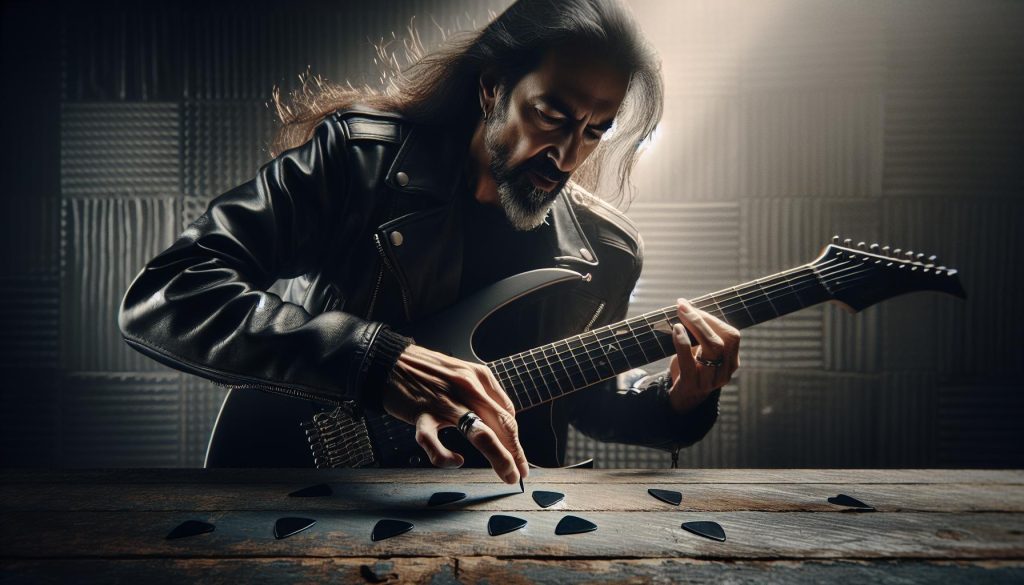
A: For metal guitar playing, picks made from durable materials such as nylon or delrin are ideal. They provide the stiffness needed for precise picking and can handle aggressive playing styles. A heavier gauge pick (1.0 mm or more) often yields better control and attack for shredding techniques.
Q: How do pick thickness and material affect metal guitar sound?
A: Pick thickness directly impacts the attack and tone-thicker picks produce a sharper sound, while thinner picks create a warmer tone. Materials like nylon offer flexibility and warmth, whereas harder materials like acrylic provide clarity and brightness, making them suitable for various metal genres.
Q: Should I use a standard or shaped pick for shredding?
A: A standard pick is generally sufficient for shredding, but many players prefer contoured or sculpted shapes for better grip and control. Shaped picks offer ergonomic benefits and can enhance speed and accuracy during fast-paced riffs and solos, crucial for metal guitarists.
Q: What features make a pick suitable for speed and accuracy in metal?
A: A suitable pick for speed and accuracy should have a pointed tip for quick, clean notes and a comfortable grip. The material should offer sufficient stiffness to avoid bending during rapid picking, ensuring precision on fast runs typical in metal guitar.
Q: How often should I change my guitar picks when playing metal?
A: It’s advisable to change guitar picks frequently, as aggressive playing styles can wear them down quickly. If you notice a loss of grip, shape, or if the pick feels flexible, it’s time to replace it to maintain optimal performance and sound clarity.
Q: Can the color of a pick influence my playing experience?
A: While the color of a pick does not affect sound, many players choose colors that enhance visibility under stage lights or match their gear. Selecting a visible color can help with focus, especially during intense performances, making it easier to find the pick.
Q: What are the best brands for metal guitar picks?
A: Popular brands for metal guitar picks include Dunlop, Ernie Ball, and Jim Dunlop’s Tortex range. These brands offer a variety of materials, shapes, and thicknesses specifically designed to meet the rigorous demands of metal playing.
Q: How can I find the right pick for my playing style?
A: Finding the right pick involves trying different thicknesses and materials to match your style. Assess your grip and comfort level; thicker picks are better for speed, while thinner picks can suit strumming. Experimentation is key to determining your ideal choice.
In Conclusion
As you dive into your metal guitar journey, remember that mastering the art of shredding combines quality gear with the right techniques. The picks we’ve highlighted in “Best Picks for Metal Guitar: Shred Like a Pro” are designed to elevate your sound and enhance your playing experience. Don’t wait to take your skills to the next level-start exploring now. Whether you need a reliable guitar maintenance guide or step-by-step tutorials for complex scales, we have you covered.
Keep learning and practicing, and consider subscribing to our newsletter for exclusive tips and updates. Join our community by sharing your shredding experiences in the comments below or through social media! For more in-depth content on guitar tuning methods and gear reviews, check out our related articles. Let’s keep the metal spirit alive and continue shredding together!