Finding the perfect delay pedal doesn’t have to break the bank. With a plethora of budget-friendly options, musicians can achieve rich, atmospheric sounds without spending a fortune. In this guide, we’ll explore ten budget winners under $50 that pack a punch, ensuring your tone remains lush and dynamic. Whether you’re a beginner looking to expand your sonic palette or an experienced player seeking affordable alternatives, these delay pedals offer versatility and quality. Dive in to discover how you can elevate your playing without compromising your wallet, and unlock new creative possibilities!
Best Budget Delay Pedals for Musicians Under $50
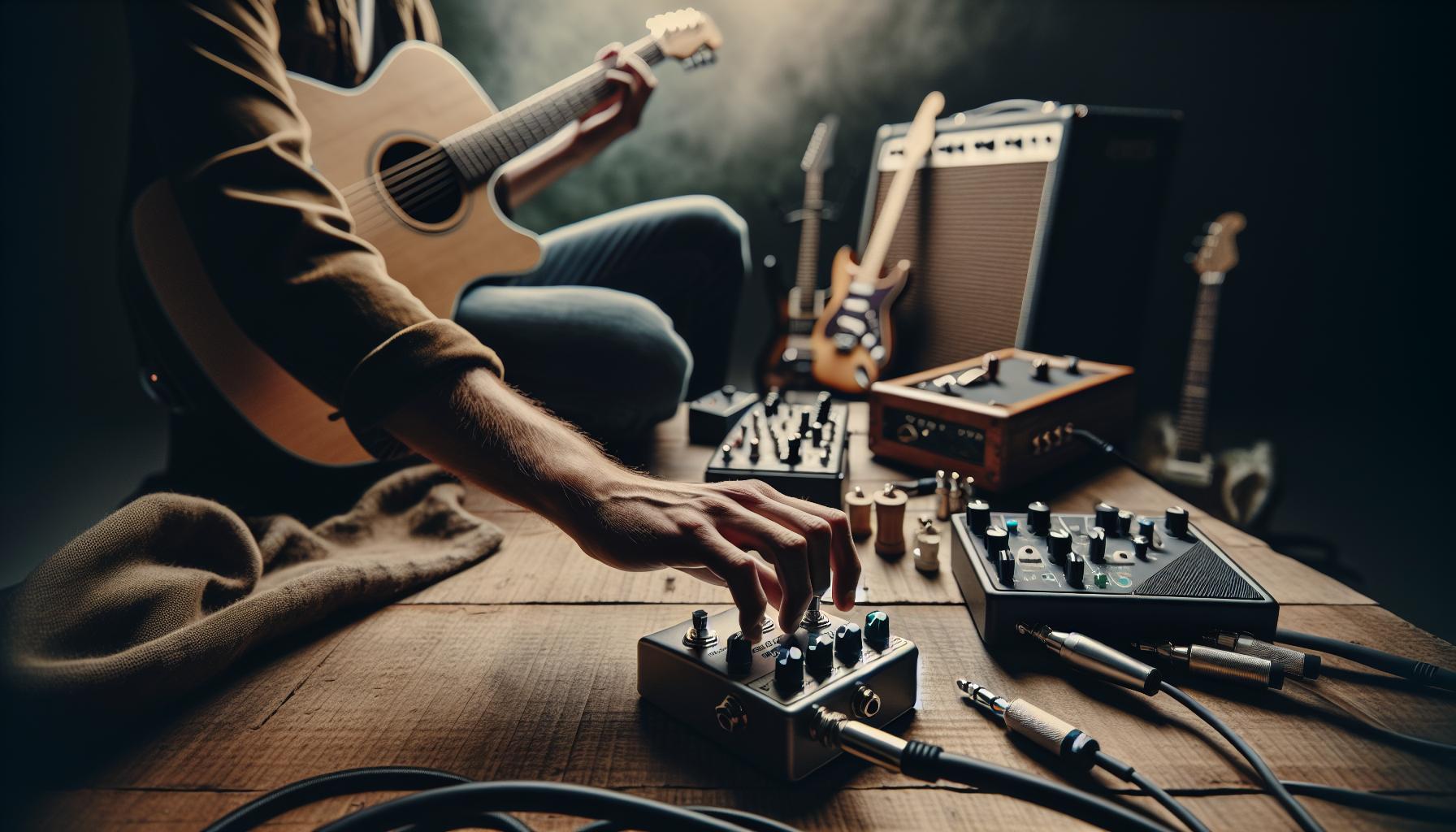
For musicians on a budget, finding a delay pedal under $50 can feel like searching for a needle in a haystack. However, there are some hidden gems that deliver exceptional sound quality and useful features without breaking the bank. These pedals prove that great tone doesn’t have to come at a high price, allowing you to incorporate delay effects in your playing without financial strain.
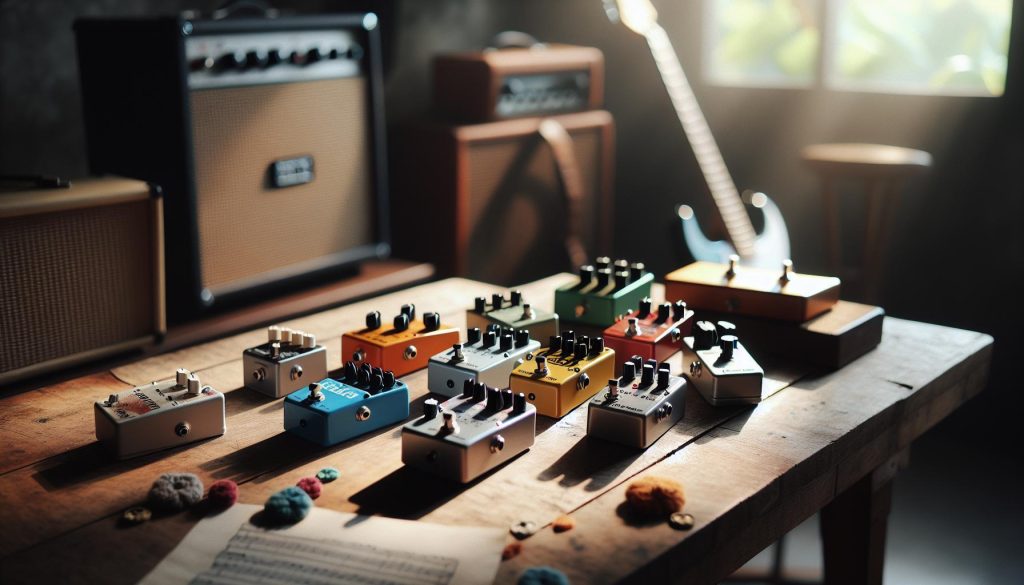
One standout option is the Behringer VD-400, known for its vintage sound and affordability. It offers a simple interface with basic controls for delay time, feedback, and level, making it easy for beginners to dive into the world of delay. Additionally, the Harley Benton Digital Delay is gaining popularity among musicians for its versatility and digital clarity, offering a range of delay modes that can be tailored to various musical styles. For those looking for something with a more unique character, the Electro-Harmonix Slap-Back pedal provides a distinctive slap-back echo, perfect for rock and country genres, enhancing your sound without complicating your rig.
When shopping for budget delay pedals, it’s important to prioritize specific features that align with your playing style. Look for adjustable delay times, feedback controls, and easy-to-navigate interfaces. Often, pedals within this price range will forgo advanced features like tap tempo or modulation; however, you can still find reliable options that fulfill the essential requirements of delay effects. Ultimately, investing in one of these budget-friendly delay pedals can significantly elevate your music, giving you the creative crispness and depth you need for your sound.
Top Features to Look for in Delay Pedals
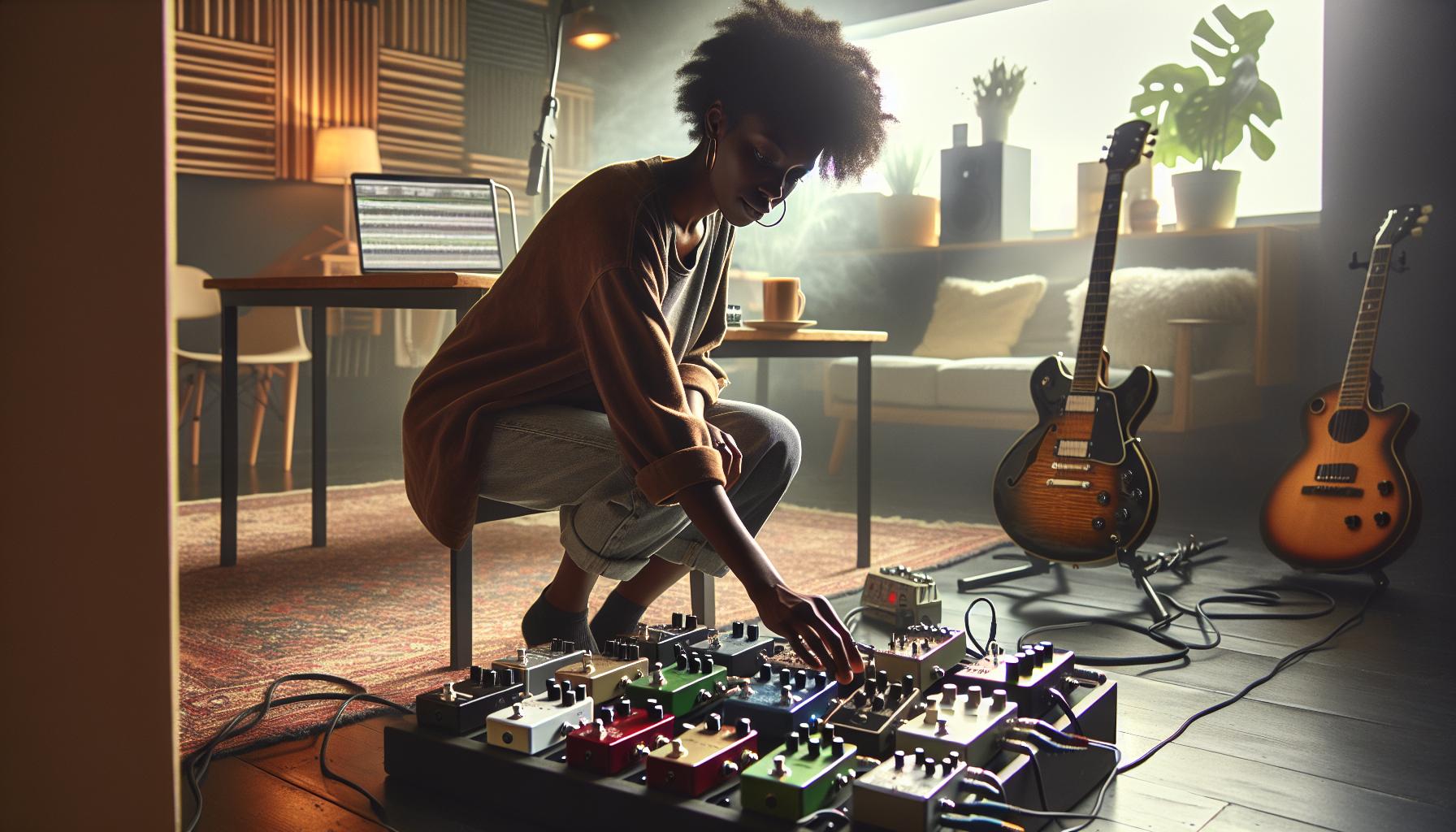
When diving into the world of delay pedals, especially those priced under $50, it’s essential to know what features will best serve your musical needs. The right delay pedal can transform your sound, adding depth and richness without straining your budget. Here are some key features to consider when selecting an affordable delay pedal that suits your style and enhances your performance.
One of the most important characteristics to look for is adjustable delay time. This feature allows you to customize how long it takes for the delayed sound to kick in, which can help you achieve everything from a quick slap-back echo suitable for rockabilly to longer delays that create ambient soundscapes. A pedal with a wide range of delay time will provide versatility for various musical genres.
Another crucial feature is feedback control, which governs how many times the delayed signal repeats. Being able to adjust this will let you create everything from subtle echoes to cascading sounds. Pedals with an intuitive feedback knob can quickly help you experiment and find the right setting for your song, making it easier to explore creative sound textures.
Additionally, consider the ease of use in a pedal’s interface. As a guitarist, you want to spend more time playing and less time fiddling with complicated settings. Look for pedals with clear labeling and straightforward controls. A simple layout allows for quick adjustments, which is invaluable during live performances or practice sessions when inspiration strikes.
Lastly, reflect on the types of delays offered. Some budget pedals focus on a single delay type, while others may offer multiple modes, such as tape, digital, or analog emulations. This variety can provide a broader tonal palette, allowing you to experiment and find the perfect sound for any occasion. By prioritizing these features, you can select a budget-friendly delay pedal that meets your demands and helps you elevate your music.
Comparison of Analog vs. Digital Delay Effects
When diving into the realm of delay effects, understanding the differences between analog and digital delay pedals is crucial. Each type offers distinct characteristics that can shape your sound in unique ways, catering to diverse musical styles and personal preferences. Analog delay pedals are renowned for their warm, vintage sound, often achieved through bucket-brigade devices (BBDs) or tape echo technology. These pedals typically deliver warmer and richer echoes, emulating the natural imperfections of older delay systems. Consequently, they produce a lush sound that can complement genres like rock, blues, and psychedelia beautifully.
In contrast, digital delay pedals utilize digital signal processing (DSP) to create precise and clean echoes. They excel in versatility and often come packed with features like programmable settings, multiple delay modes, and extended delay times. This accuracy allows for more complicated delay effects, such as reverse or looping, which can be advantageous for genres needing crystalline clarity, like pop or electronic music. Digital pedals can also handle longer delays without degradation of the sound quality, making them well-suited for ambient and experimental music.
When choosing between analog and digital options, consider how each type aligns with your musical intentions. If you seek a warmer, more organic tone with character, an analog delay may be your best bet. If you’re drawn to modern sounds and need flexibility in your effects, a digital delay could expand your sonic palette significantly. Ultimately, the choice will depend on your style and the specific sounds you wish to incorporate into your music. Deciding on one over the other isn’t just a matter of technology but a reflection of your musical voice and creative direction.
How to Choose the Right Delay Pedal for Your Setup
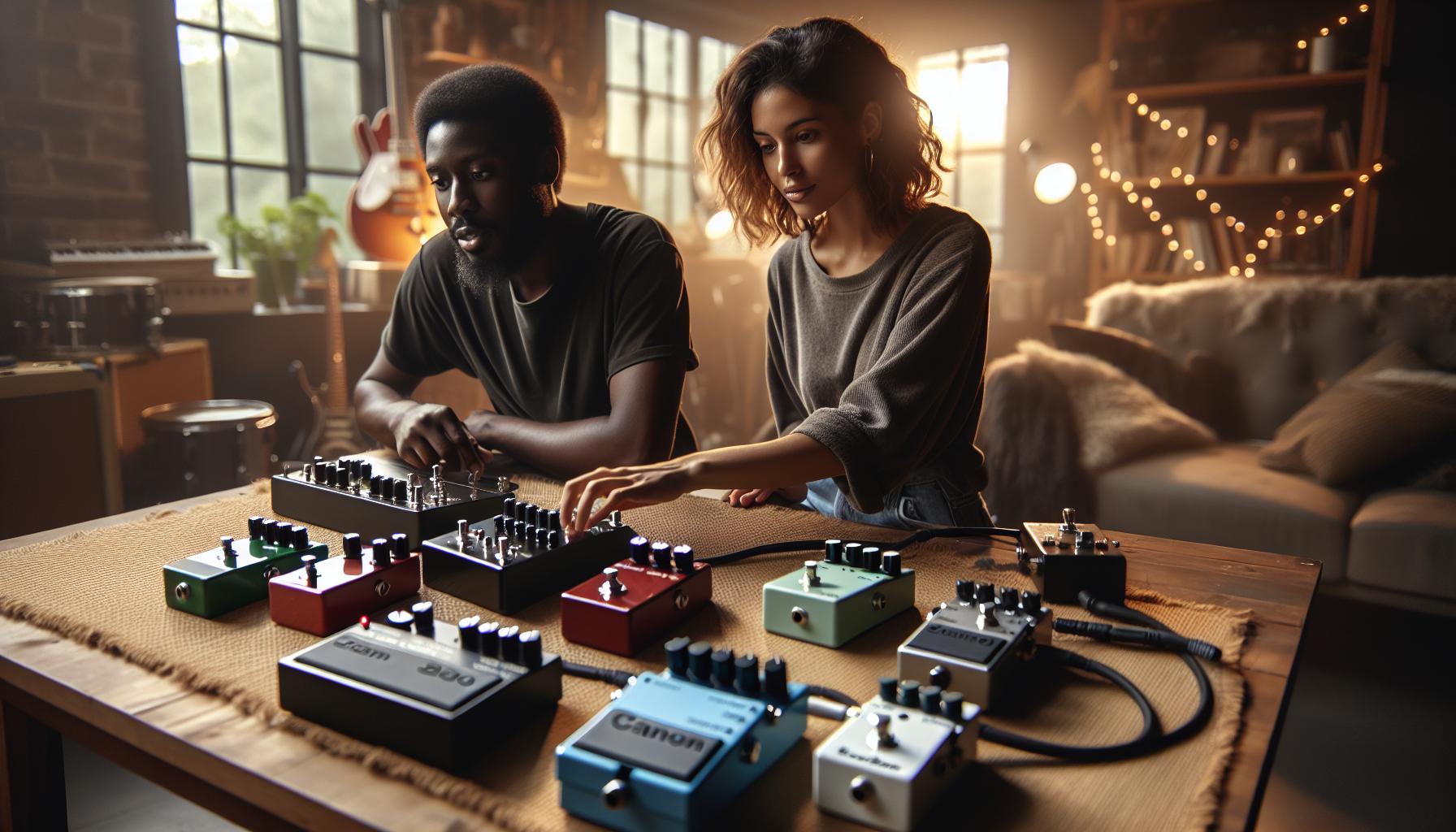
When venturing into the world of delay pedals, especially on a budget, it’s vital to ensure that your choice aligns with your musical style and needs. Understanding the specific roles and features of different delay pedals can greatly influence the vibe of your sound. To make an informed decision, consider several key factors that will help you choose a pedal that will enhance your musical expression.
First, assess the type of music you play. If you’re into genres that thrive on warmth and character, like rock or blues, an analog delay may be the right fit. On the other hand, if your sound leans toward pop or electronic music, where clarity and precision are paramount, a digital delay would be more suitable. Also, evaluate the features you need: some pedals offer multiple delay modes (such as tape, echo, or reverse), while others might include modulation effects and tap tempo options, which can be useful in live settings.
Next, think about your existing setup. Consider the space you have for pedals on your board, as well as your power requirements; many budget pedals operate on a standard 9V power supply, but check beforehand to avoid running into compatibility issues. If portability is a concern, look for compact models that maintain sound quality without taking up too much room. Moreover, how the pedal interacts with your guitar and amp setup is equally important-test it with your rig, if possible, to find the right synergy.
Lastly, don’t underestimate the value of user reviews and feedback. Browse online forums or product reviews to glean insights from fellow musicians about their experiences with various models. Real-world testimonials can offer a clearer picture of how each pedal performs in practical settings, helping you avoid any potential disappointments. By carefully considering these aspects, you’ll be well-equipped to find a budget-friendly delay pedal that fits seamlessly into your musical journey.
Sound Quality: What to Expect from Cheap Delay Pedals
When exploring the realm of budget delay pedals, you might be surprised at the impressive sound quality that can be achieved for under $50. While it’s true that high-end pedals may provide a depth and richness unattainable by cheaper alternatives, many budget options still deliver robust and usable tones that might perfectly suit your needs. Whether you’re a beginner or a seasoned player, here’s what you can expect from affordable delay pedals.
First and foremost, the distinction between analog and digital delay significantly impacts the sound. Analog delay pedals are known for their warm, rich tones, often characterized by a subtle degradation in clarity that can add character to your sound. Models like the IRIN Analog Delay Guitar Pedal at $49.99 offer a vintage feel that captures the essence of classic rock and blues. Conversely, digital delay pedals provide clearer, more precise echoes, which may be ideal for genres like pop or electronic music. These pedals, while generally crisper, can sometimes lack the organic warmth that analog pedals provide, resulting in a sound that might feel too pristine for certain musical styles.
Another crucial aspect to consider is the function of the pedal. Some delay pedals come with additional features such as tap tempo, modulation effects, or multiple delay types (like tape and echo), which can greatly expand your sound palette. While these features may slightly affect sound quality due to the added circuitry, they’re often invaluable for live performances where versatility is key. Keep in mind that while the lower price tag might indicate a compromise, many budget models hold their own in terms of respectably high-quality sound, especially when used correctly within a mix.
In conclusion, while cheap delay pedals may not match the fidelity of their higher-priced counterparts, they can still produce excellent sound quality that enhances your music without breaking the bank. Embrace the limitations and character of these budget options, and you’ll likely discover unique tones and effects that inspire your playing journey. Whether you’re using them for ambient soundscapes or sharp rhythmic echoes, the best choice will ultimately depend on how they complement your existing setup and musical style.
Real User Reviews: The Best Budget Delay Pedals
When it comes to navigating the world of budget delay pedals, real user experiences can be an invaluable resource. Players of all skill levels have shared insights on how specific models perform in diverse settings, helping to inform potential buyers about what to expect. Many users rave about the Behringer VD-400, a favorite for its almost vintage echo quality that rivals some higher-priced models. One guitarist shared that it perfectly captures the essence of classic rock, making it a stellar choice for anyone looking to blend affordability with compelling sound.
Another popular option is the Harley Benton Digital Delay, which users have praised for its versatility and range of features, especially considering its price point. Musicians have found it to be effective for both live settings and studio recordings, thanks to its clear echo and modulation capabilities. A reviewer noted that it stands out for its reliability during gig nights, providing consistent performance without the fuss of higher-end models.
User feedback also highlights key aspects such as ease of use and pedal durability. For instance, many players appreciate the intuitive layout of the Electro Harmonix Nano Deluxe Memory Man, which offers a user-friendly experience without sacrificing sound quality. A common theme among reviews is that these pedals provide an effective gateway for beginners exploring delay effects without overwhelming them with overly complex setups.
To help you make an informed decision, consider seeking out video testimonials and sound demos online, as many musicians have shared their gear experiences through these formats. This approach not only allows you to hear the pedals in action but also offers a chance to learn how different setups influence sound-critical knowledge for enhancing your musical journey. Engaging with user communities, whether through online forums or social media groups, can also yield a treasure trove of insights, guiding you toward the best delay pedal suited for your needs.
Creative Uses for Delay Effects in Your Music
Delay effects are a powerful tool in a musician’s arsenal, offering endless creative possibilities for sound exploration. Whether you’re aiming to create lush ambient soundscapes or add rhythmic depth to a solo, knowing how to manipulate delay can elevate your music significantly. One of the most exciting aspects of delay is its versatility; it can be used subtly or prominently, depending on your artistic vision.
A common technique is using a slapback delay to enhance the transient impact of your playing. This quick, short delay can make single notes pop by adding an echo that simulates a bouncing sound, perfect for rockabilly or country riffs. To experiment, set your delay time to around 100-200 milliseconds, adjust the feedback to a minimum for a single repeat, and play with the mix level to sit perfectly in the mix without overwhelming your primary signal.
Another creative application is layering multiple delay types to achieve complex textures and rhythms. For instance, you might use a longer tape delay with a subtle modulation effect while simultaneously employing a quick digital delay. This creates a rich, evolving sound that maintains interest throughout a performance or recording. Try adjusting the timing of one delay slightly to create a call-and-response feel within your parts, leading to a more dynamic delivery.
In more experimental music, incorporating reverse delay can open entirely new sonic frontiers. This effect captures your playing and plays it back backward, adding an unexpected twist to your composition. Use it strategically during build-ups or transitions to generate suspense or excitement. Just be mindful of the mix-reverse delay can quickly muddy the sound if not balanced properly with other elements.
With affordable options like the Behringer VD-400 or Harley Benton Digital Delay, you don’t have to break the bank to experiment with these techniques. Dialing in these settings allows you to explore the full range of delay effects, ultimately enhancing your playing style and broadening your creative horizons.
Care and Maintenance Tips for Delay Pedals
Maintaining your delay pedal is essential for ensuring it remains a reliable part of your setup, especially when you’ve invested budget-friendly options under $50. Regular care can help your gear last longer, perform better, and deliver those luscious echoes and ambient effects you crave. Start by keeping your pedal clean; dust and debris can accumulate over time, so consider using a microfiber cloth to wipe down the exterior after use. This simple step can prevent buildup that might affect the pedal’s functionality and appearance.
When it comes to storage, keeping your delay pedal in a dry, controlled environment is crucial. Extreme temperatures and humidity can affect electronic components and alter sound quality. Renting or performing frequently? Use a padded pedal bag to shield your gear from impacts and environmental factors during transport. Additionally, always disconnect the pedal from power sources when not in use to prevent battery leakage and preserve the internal circuitry.
It’s also wise to regularly check all connections, including power supplies and patch cables, for any signs of wear or damage. Loose connections can lead to unwanted noise or loss of signal quality, which is the last thing you want while performing. Consider investing in high-quality cables; while budget pedals don’t always allow for premium prices, reliable cables can dramatically improve your overall tone.
Lastly, consult the user manual for specific maintenance tips related to your model. Some pedals may have unique features or vulnerabilities, such as specific pots or switches that require occasional cleaning or lubrication. By following these guidelines, you’ll ensure that your delay pedal continues to inspire creativity, helping you craft those mesmerizing soundscapes for years to come.
Exploring Unique Delay Tones: Short vs. Long Delays
One of the most fascinating aspects of delay effects lies in the distinctive tones created by varying delay times. Musicians often find themselves exploring the realms of both short and long delays, each offering unique opportunities to enhance their sound. Short delay times can produce tight, rhythmic echoes that add depth and dimension without overshadowing the original signal. For instance, setting a pedal to a rapid echo can create a doubling effect, thickening the guitar tone harmonically and rhythmically, often used in rock and pop genres.
On the other hand, long delays open up a world of ambient soundscapes, allowing for expansive sonic textures that can transport listeners. When a delay is set to a longer time, it creates a more dramatic, atmospheric effect, ideal for genres like ambient, shoegaze, and experimental music. Imagine playing a single note or chord, with the repeat gradually fading into an expansive reverb-like tail-this can evoke a sense of space and emotion that connects deeply with the audience.
Experimenting with the interplay between these two delay types can yield rich creative outcomes. For example, layering a short delay under a longer one can create a compound effect where rhythmic and atmospheric qualities coexist beautifully. Additionally, adjusting the feedback levels on your delay pedal can also manipulate how pronounced these effects are, allowing for a diverse range of textures in your playing. Make sure to play around with various settings; the difference in a couple of milliseconds can lead to drastically different sounds, providing not only a tool for enhancement, but also an avenue for artistic expression.
Ultimately, understanding the requirements of your specific musical context will help guide your choices between short and long delay settings. By recognizing how these elements can affect your overall sound, you can make informed decisions that elevate your performance, whether you’re crafting ambient pieces or driving melodies with rhythmic echoes.
Common Mistakes When Using Delay Pedals
When diving into the world of delay pedals, especially budget-friendly options, it’s easy to make some common mistakes that can hinder your sonic exploration. One frequent pitfall is overwhelming your sound with too much delay. New players often set their feedback and level dials too high, creating a chaotic mess instead of the desired echo. Ideally, the delay should enhance your sound, not dominate it. Start with lower settings and gradually increase them while playing to find the perfect balance, creating a harmonious blend between your direct signal and the delayed repeats.
Another common error is neglecting the importance of the tempo. Using a delay pedal without syncing it to the music can lead to disjointed sounds that clash with your intended rhythm. For instance, if you’re playing at a certain BPM (beats per minute) and your delay time is set to an off-beat fraction, it may disrupt the groove of your performance. Find a delay time that complements your playing style. Many pedals offer tap tempo features, allowing you to set the delay in real-time, ensuring everything feels locked in and musically cohesive.
Also, be cautious about placement: many guitarists make the mistake of putting their delay pedal at the end of their effects chain. While this is a common practice, certain setups can benefit from different placements. For example, running a delay before distortion can create a unique sound, allowing you to achieve a more saturated echo effect. Experimenting with pedal positioning can yield surprisingly rich results.
Remember to readjust your settings when switching between different guitars or pickups, as variations in output can significantly affect how delay functions in your overall tone. A higher output pickup may overwhelm the delay circuit, leading to unwanted distortion or muddiness. Taking the time to tweak settings for specific setups will help ensure you get the best sound possible from your delay pedal, making your creative endeavors much more fulfilling.
Expert Tips for Amplifying Your Sound with Delay
When it comes to crafting a captivating sound, delay effects can transform your music from ordinary to extraordinary, especially when you know how to amplify their potential. One pivotal aspect is the feedback setting; using a moderate feedback level can produce lush repeats that breathe life into your solos without overwhelming them. As you adjust, listen closely – you’ll find that each slight tweak can result in different textures, from subtle echoes to cascading trails.
Another essential tip is to experiment with the delay time. This setting determines how quickly the echoes play back, and finding the right timing in relation to your playing can create rhythmic depth. For instance, if you’re strumming a slow ballad, a longer delay time can add atmosphere, while a faster tempo may benefit from shorter delays for a tight, punchy sound. Many modern pedals feature a tap tempo function, which allows you to sync the delay with your song’s beats intuitively.
Placement in your effects chain is equally important. Typically, guitarists place delay pedals towards the end of their signal chain, but experimenting with different positions can yield unique results. Placing a delay before distortion can add thickness to your tone, creating a more pronounced effect when played through overdriven sounds. Don’t hesitate to rearrange your pedal setup to discover new sonic landscapes.
Lastly, always be mindful of the interaction between your different instruments and effects. Each guitar or pickup type will respond uniquely to your delay settings, so it’s crucial to make adjustments based on what you’re using. A higher-output pickup might require you to reduce the level or feedback to maintain clarity. By staying attuned to these nuances, you can maximize the creative potential of your delay pedal, ensuring it enhances your overall sound rather than muddying it.
Frequently Asked Questions
Q: What are the benefits of using a delay pedal in music?
A: Delay pedals enhance music by creating echo effects, adding depth and texture to sound. They can make solos more dynamic and interesting, create atmospheric soundscapes, and help musicians achieve a fuller sound during performances. For more on uses, check the section on Creative Uses for Delay Effects in Your Music.
Q: Can I use a cheap delay pedal in live performances?
A: Yes, many budget delay pedals deliver quality effects suitable for live performances. It’s essential to test the pedal beforehand to ensure it meets your sound requirements. Refer to the Sound Quality section for expectations from cheap delay pedals.
Q: How do I maintain my budget delay pedal?
A: Proper care ensures longevity for your delay pedal. Keep it dry, clean, and free from dust. Regularly check connections and cables, and avoid excessive exposure to extreme temperatures. For detailed tips, see the Care and Maintenance Tips for Delay Pedals.
Q: What is the difference between analog and digital delay pedals?
A: Analog delay pedals produce warm, natural sounds and are often favored for certain genres, while digital delay pedals offer more versatility and precision in sound manipulation. For a deeper comparison, refer to the Comparison of Analog vs. Digital Delay Effects.
Q: Why is delay time important in a delay pedal?
A: Delay time affects the spacing between repeated sounds. Short delays create a doubling effect, while longer delays can produce echo effects. Finding the right delay time is crucial for achieving the desired sound texture in your music.
Q: How can I integrate a delay pedal into my current setup?
A: To integrate a delay pedal, connect it to your pedalboard, usually after distortion effects for optimal sound blending. Experiment with placement to find the best balance in your setup. Consult the section on How to Choose the Right Delay Pedal for Your Setup for guidance.
Q: What reviews should I consider when choosing a cheap delay pedal?
A: Look for real user reviews that highlight sound quality, ease of use, and features that suit your needs. Pay attention to feedback on durability and overall performance, which can provide insights beyond specifications.
Q: How does the price affect the quality of delay pedals?
A: Generally, cheaper delay pedals may offer fewer features and lower durability compared to higher-end models, but many budget options provide surprisingly good sound quality. Understanding the features you need can help you find a worthwhile investment under $50.
Wrapping Up
Thank you for exploring our top picks for the “Best Cheap Delay Pedal: 10 Budget Winners Under $50.” These options not only deliver impressive sound quality without breaking the bank but also enhance your playing experience significantly. If you’re still unsure about which delay pedal suits your style, consider checking out our guides on the “Best Budget Guitar Effects” and “Essential Gear for Beginners” to help with your purchasing decisions.
Don’t miss out on the chance to improve your sound today! Dive deeper into our resources or subscribe to our newsletter for the latest gear reviews and expert tips tailored to all skill levels. Remember, experimenting with your tone can be a game changer – so share your thoughts and let us know what delay pedals you’ve enjoyed or would like to try next! Keep playing and stay inspired; the perfect sound is just a pedal away!